

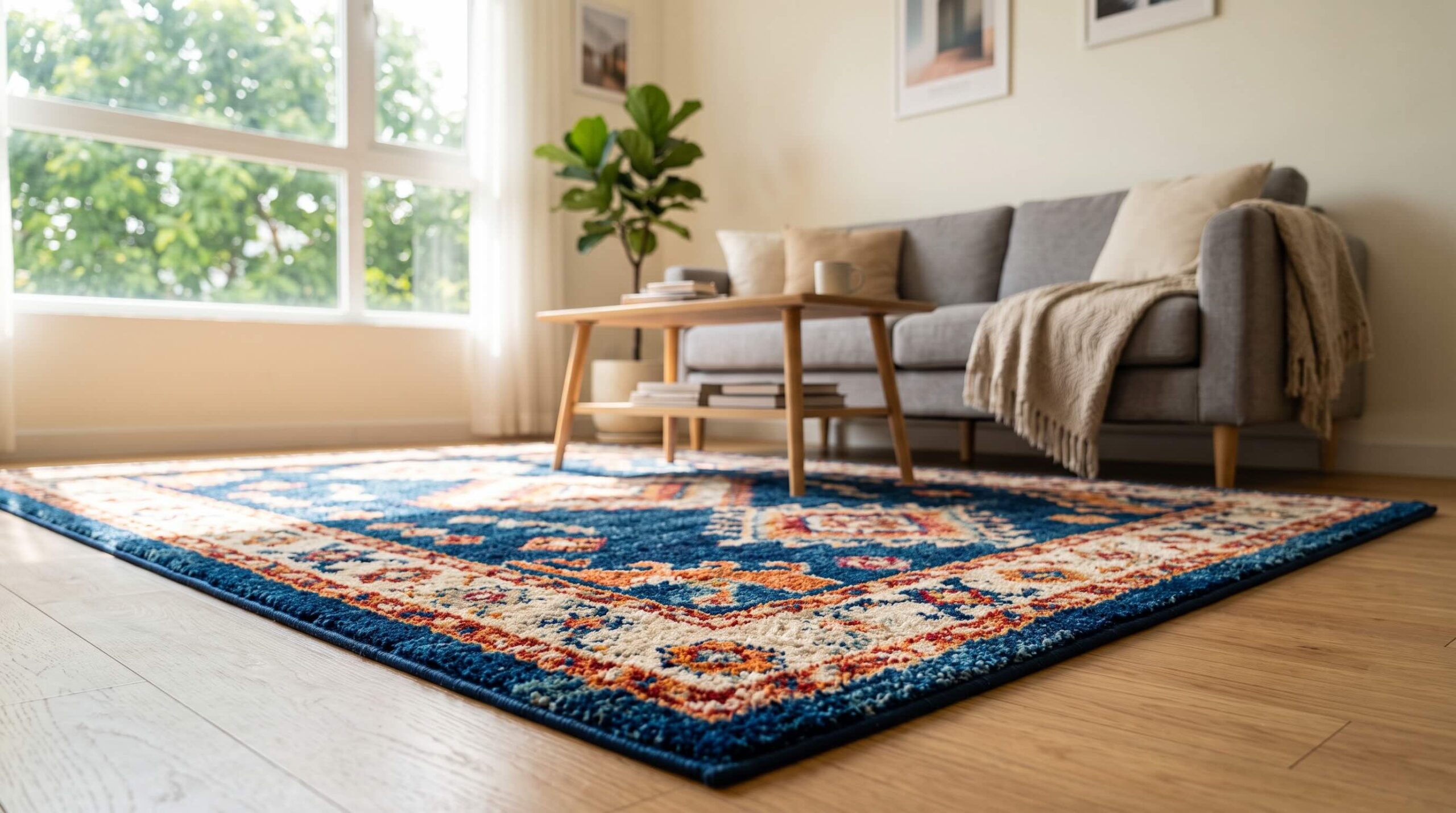
Carpets and area rugs do more than soften a room. They catch crumbs after rushed breakfasts, muddy paw prints on rainy days, and the invisible dust that settles no matter how often you clean. Over time, all of that builds up and then makes your once-cozy rug look tired, smells off, or shows stains you swear weren’t there yesterday.
Fortunately, you don’t need professional equipment or harsh chemicals to keep carpets and area rugs clean. With the right approach and a little patience, you can handle most messes at home and extend the life of your floors.
Below are 10 practical, real-life ways to clean carpets and area rugs, covering everyday maintenance, deep cleaning, and stubborn stain removal, without turning your weekend upside down.
1. Vacuum Like It Actually Matters
Vacuuming is your first and most important defense against wear. It isn’t just surface-level tidying.
For best results, you should:
- Vacuum high-traffic areas 2–3 times a week
- Go slow (rushing leaves dirt behind)
- Use suction-only settings for delicate rugs
- Vacuum both sides of area rugs when possible
There’s fine grit that acts like sandpaper inside fibers. Regular vacuuming removes it before it does real damage.
2. Rotate Rugs to Prevent “Traffic Lanes”
Ever notice how one section of a rug seems to fade, flatten, or look older than the rest? That’s almost always the result of uneven wear from foot traffic and furniture placement. The fix is surprisingly simple: rotate your rugs every three to six months and shift furniture slightly when you do. This small habit redistributes pressure across the fibers, prevents permanent “traffic lanes,” and helps colors and textures age evenly. Over time, regular rotation can noticeably extend the life of your rug and keep it looking intentionally styled rather than worn out.
3. Spot-Clean Spills Immediately
The quickest way to turn a spill into a permanent stain is letting it sit, or attacking it the wrong way. When something lands on your rug, reach for a clean white cloth or paper towel and blot gently instead of scrubbing. Start at the outer edge of the spill and work inward, absorbing as much liquid as possible before it spreads. Once the moisture is lifted, you stop. Rubbing or scrubbing forces the mess deeper into the fibers, making it harder to remove later. A calm, light touch does far more than aggressive cleaning ever will.
4. Use the Right Cleaner for the Right Material
Not all carpets and rugs respond well to the same cleaning routine, and using the wrong method can cause more harm than good. Matching the cleaning approach to the material is key to keeping your rug looking good long-term.
Here’s a simple, practical guide to keep in mind:
- Synthetic carpets and rugs (like nylon or polypropylene): These are the most forgiving. They can usually handle warm water, mild detergent, and deeper cleaning without much risk.
- Wool rugs: More delicate than they look. Always use cold water and a gentle, wool-safe soap to avoid shrinking, fading, or damaging the fibers.
- Jute, sisal, and other natural fibers: Moisture is their enemy. Stick to dry-cleaning methods like baking soda or dry carpet powder, and rely on frequent vacuuming instead of water.
- Shag rugs: Go easy. Use minimal moisture, avoid rotating beater bars, and focus on suction-only vacuuming or dry-cleaning techniques to prevent matting.
Taking a moment to identify your rug’s material before cleaning can save you from permanent damage and a costly replacement down the line.
5. Deep-Clean Carpets Once or Twice a Year
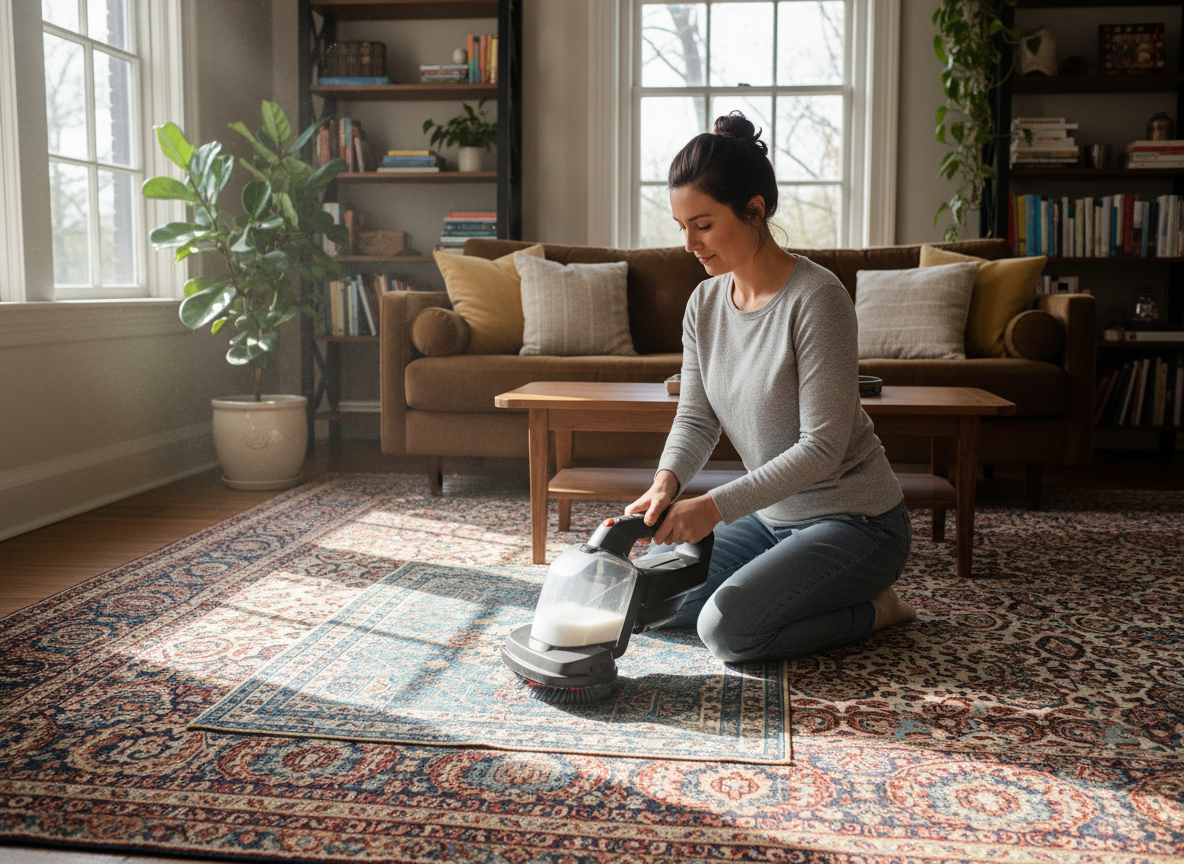
Regular vacuuming is great for surface dirt, but it doesn’t reach the grime that settles deep into carpet fibers over time. That’s where deep cleaning makes a real difference. For most homes, DIY options work well, such as renting a carpet cleaner for wall-to-wall areas, using low-moisture carpet shampoo for high-traffic spots, or steam cleaning when the manufacturer says it’s safe. If your household includes pets, allergy sufferers, or kids, deep cleaning once a year often isn’t enough. In those cases, scheduling a thorough clean closer to twice a year helps keep carpets fresher, healthier, and easier to maintain day to day.
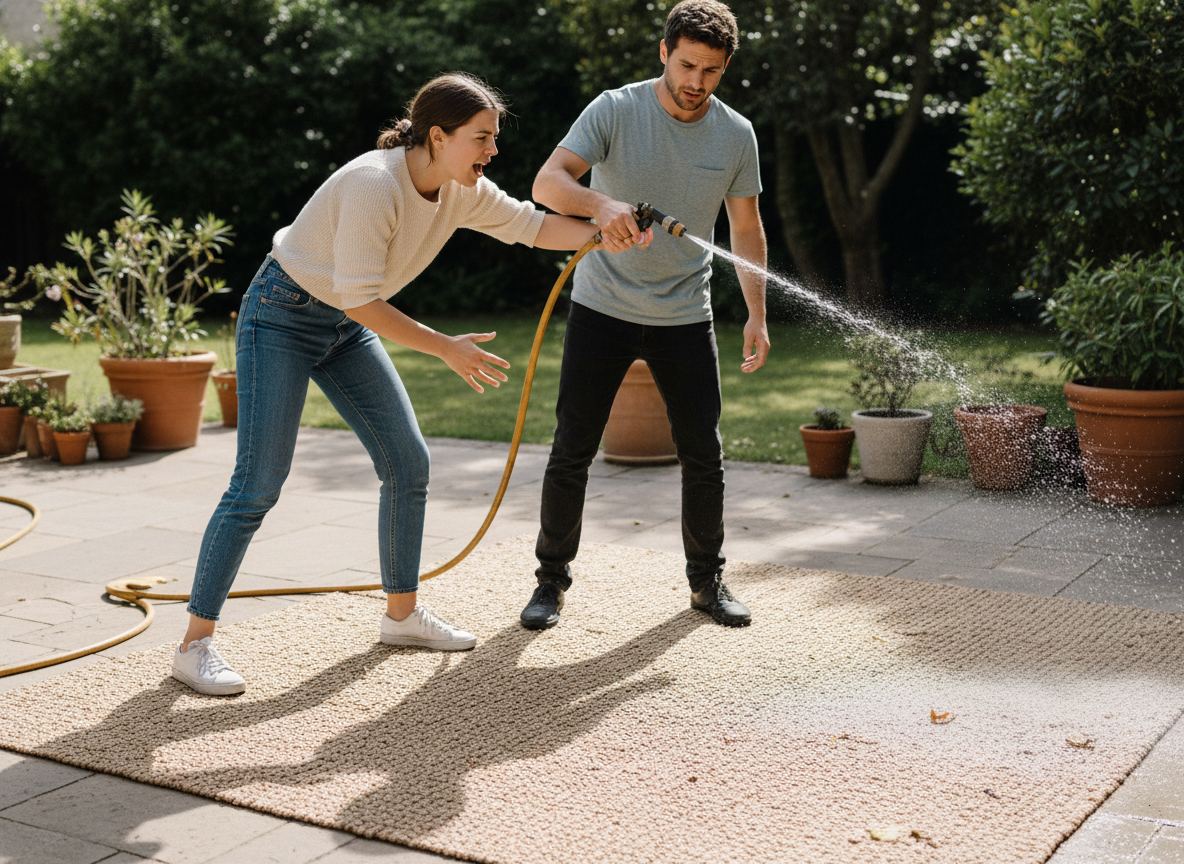
6. Deep-Clean Area Rugs Outdoors When Possible
Area rugs are easier to clean because they’re portable.
A simple outdoor method:
- Shake or beat out loose dirt
- Lay rug on a tarp
- Scrub gently with appropriate cleaner
- Rinse thoroughly
- Squeegee out excess water
- Air-dry completely (flip halfway through)
7. Go Dry for Natural Fiber Rugs
Jute and sisal rugs don’t play well with moisture because water can cause staining, warping, or permanent damage. Instead of wet cleaning, rely on dry methods that are gentle but effective. Sprinkling baking soda or a dry rug shampoo over the surface and letting it sit for a few hours allows it to absorb odors, oils, and surface grime. Once it’s done its job, a thorough vacuum pulls everything out, leaving the rug refreshed without compromising the natural fibers.
8. Tackle Stains by Type
Different stains behave differently, so a one-size-fits-all cleaner rarely works. The trick is to match the solution to what caused the mess, not just what it looks like on the surface. Here are practical, proven fixes that handle the most common carpet and rug stains without making things worse:
- Coffee or tea: These are tannin-based stains. A small amount of mild dish soap mixed with water works well. Blot gently, rinse lightly, and repeat if needed.
- Grease or oil: Oil needs to be absorbed before it’s cleaned. Sprinkle cornstarch or baking soda over the area and let it sit for 30–60 minutes, then vacuum.
- Red wine: Speed is everything. Blot immediately to remove as much liquid as possible, then use a diluted white vinegar and water solution to neutralize the stain before rinsing and blotting dry.
- Pet accidents: An enzyme cleaner is essential. Regular cleaners may remove the stain but leave odor-causing proteins behind, which can trigger repeat accidents.
- Wax or gum: Harden it first. Use ice cubes in a bag to freeze the material, then carefully scrape it away with a dull edge. Any residue can be lifted with a small amount of rubbing alcohol.
9. Remove Odors Without Masking Them
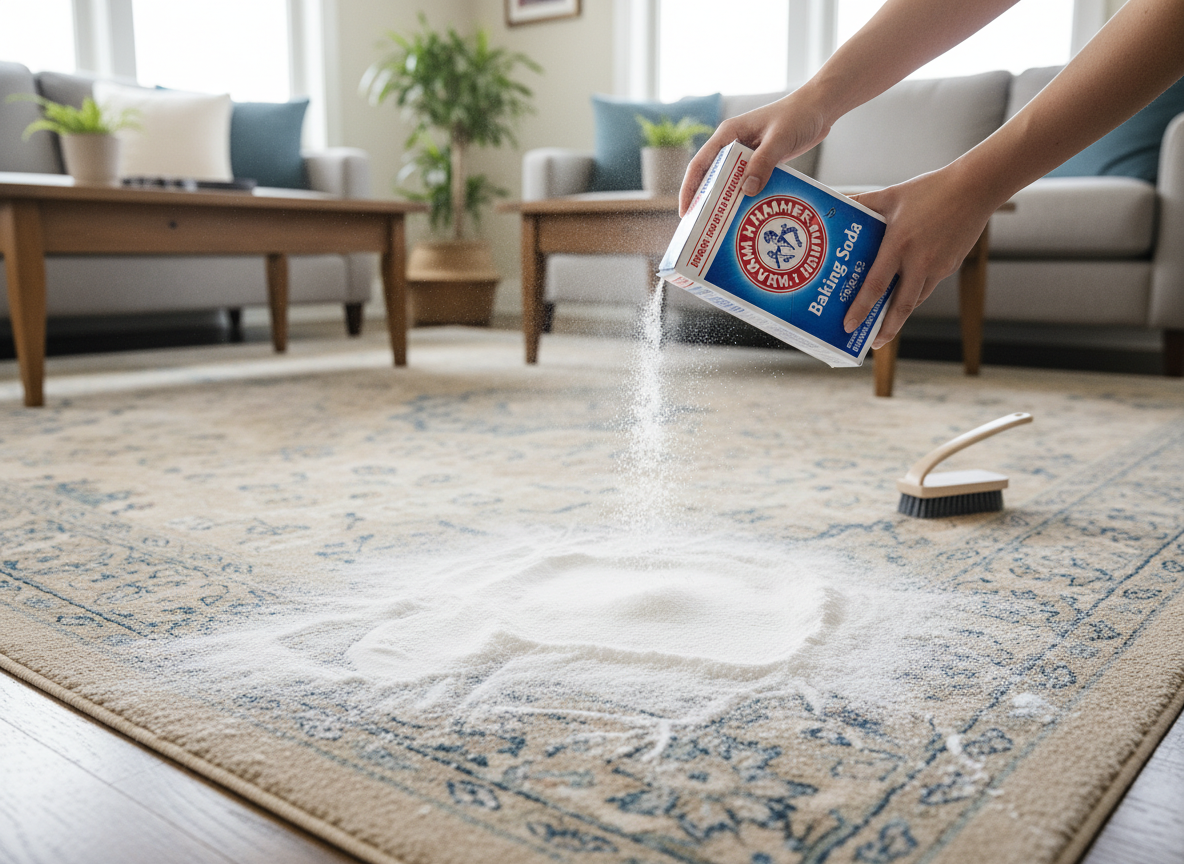
If a rug looks clean but still smells a little off, this means the odor is just hiding. One of the safest and most effective ways to deal with lingering smells is baking soda. Sprinkle it generously over the rug, let it sit for at least 30 minutes (or overnight if the odor is stubborn), then vacuum slowly and thoroughly.
10. Know When to Call a Professional
DIY rug cleaning can handle a lot but it still has limits. Some rugs and situations are better left to professionals who have the right tools and experience. Antique, Persian, or Oriental rugs often use delicate dyes and hand-knotted fibers that can be permanently damaged by the wrong cleaner. Silk and viscose rugs are especially vulnerable to water and friction, while rugs with color bleeding, serious water damage, mold, or deeply soaked pet urine usually need specialized treatment. In these cases, professional cleaning isn’t an extra expense, it’s protection. Paying for expert care often costs far less than trying to replace a rug that didn’t survive a well-intentioned DIY attempt.
Final Thoughts: Clean Rugs Make a Bigger Difference Than You Think
Clean carpets and area rugs not only look better but they also feel better. The room smells fresher, allergens are reduced, and the space feels calmer. You don’t need perfection, just consistency. Follow the right methods, and have the confidence to handle messes when they happen. That’s when you’ll really notice the difference.
Related Articles
- What Is Green Cleaning? Key Benefits for a Safer, Healthier, and More Eco-Friendly Home
- 12 Eco-Friendly Laundry Tips to Save Energy, Reduce Chemicals, and Create a More Sustainable Cleaning Routine