

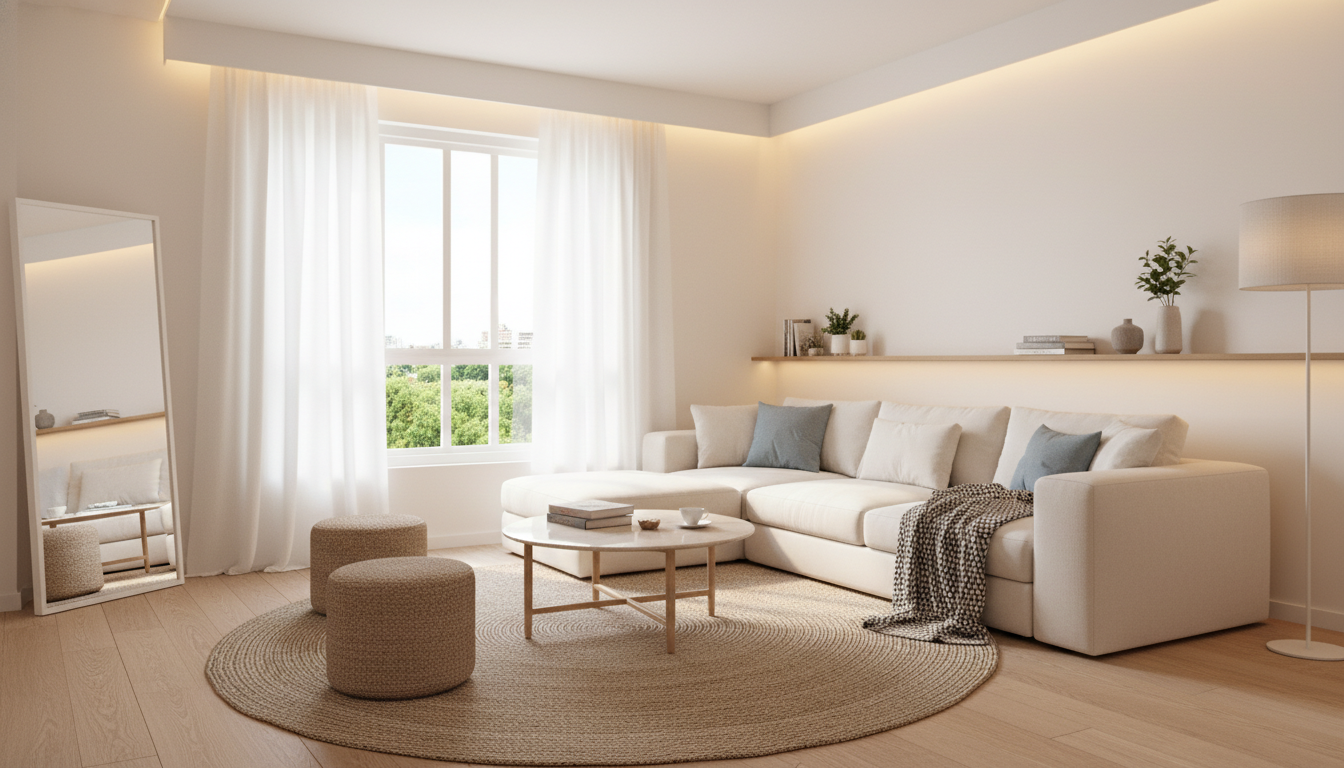
If your living room feels like it’s constantly one coffee table away from chaos, you aren’t doing anything wrong. Small living rooms are tricky by nature. They have to work harder, adapt faster, and somehow still feel calm at the end of the day.
Honestly, you don’t need new square footage to make a small living room work better. Instead, you need a practical layout which is suitable for streaming nights, kids’ toys, pets underfoot, work-from-home days, and the occasional guest who somehow always sits in the worst spot.
Below are 10 practical, proven small living room layout ideas designed to help you reclaim space, improve flow, and make your room feel easier to live in, whether you rent, own, or plan to move again in a year.
How to Think About a Small Living Room Layout (Before Rearranging Anything)
Before we jump into specific layouts, one quick mindset shift makes all the difference:
layout comes before décor.
A sofa in the wrong spot will never feel right, no matter how pretty the throw pillows are. First, ask yourself:
- What do we actually do in this room most days?
- Where do people naturally walk through?
- What’s the one thing this room needs to do well?
Once those answers are clear, the layouts below start making a lot more sense.
1. The Sofa-Against-the-Wall Layout
This layout often gets a bad reputation, but when space is tight, especially in long or narrow ones, it’s one of the most practical choices. Placing the sofa along the longest wall helps open up the center of the room, creates a clear walkway, and makes narrow spaces feel less boxed-in and easier to move through. To make it work, choose a slim sofa instead of deep, overstuffed styles, pair it with a narrow or round coffee table, and add one or two lightweight chairs rather than bulky armchairs. The result is a simple, flexible layout that works especially well for busy households and everyday living.
2. The Floating Furniture Layout
This layout is ideal for square rooms or open-plan spaces, especially if you’ve ever pushed all your furniture against the walls and still felt cramped. Instead, pull the sofa slightly away from the wall to add depth, improve circulation, and make the room feel more intentional rather than squeezed around the edges. Anchor the seating area with a rug and, if space allows, place a slim console or shelf behind the sofa for lighting or extra storage. It’s a small shift, but it creates a surprisingly big visual and functional difference in how the room feels.
3. The Minimalist Layout That Still Feels Cozy
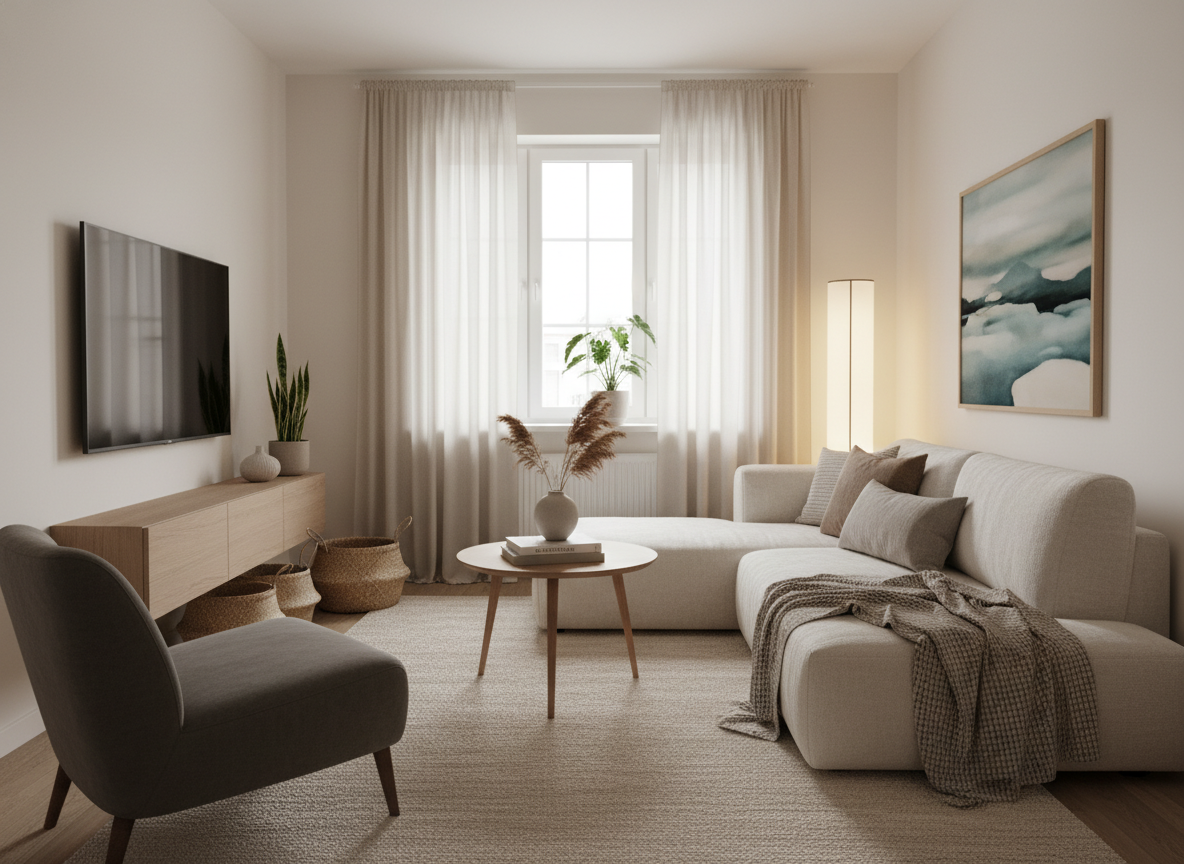
When space is extremely limited, editing becomes essential. This layout’s focus is on one main seating piece, one compact table, and zero extra furniture that doesn’t truly earn its place, helping the space feel open and uncluttered rather than cramped. It’s best for very small apartments or studios. To keep the room from feeling cold or sparse, layer in texture with throws, pillows, and rugs, choose furniture with visible legs to maintain visual lightness, and stick to a soft, neutral palette with one accent tone.
4. The Modular Layout for Flexible Living
It’s ideal for renters, entertainers, and anyone with changing routines. It works especially well because it’s flexible by design:
- Rearrange modular pieces easily for movie nights, guests, or casual gatherings
- Use ottomans that double as extra seating, footrests, or makeshift coffee tables
- Tuck lightweight pieces away when you need more open floor space
If your living room has to function as a lounge, workspace, play area, or hosting zone, flexibility matters more than a “perfect” layout. Modular furniture lets your space evolve with your routine instead of locking you into one setup that only works some of the time.
5. The Storage-First Layout
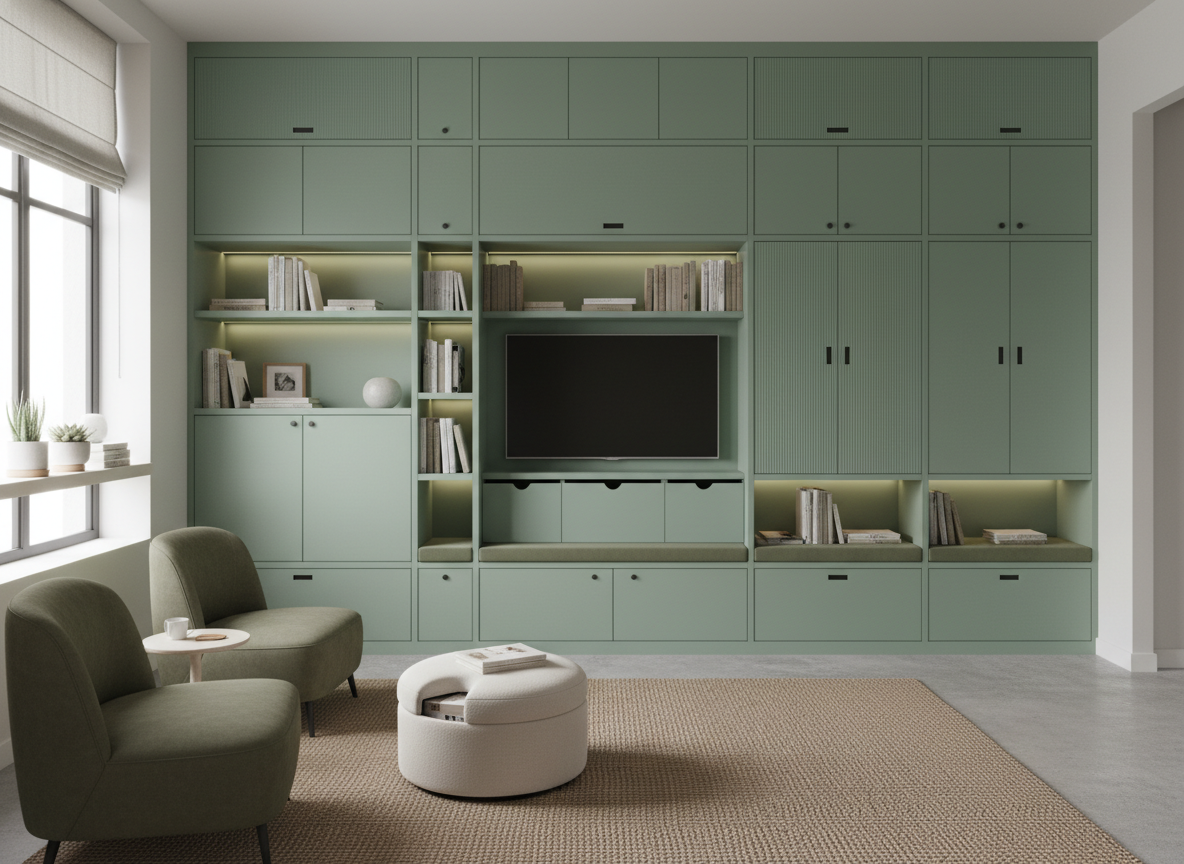
This layout works because storage is built into the design. Everything else feels easier and more manageable as a result. It focuses on wall-mounted shelves and floating media units, preserves open walkways, and places storage around the perimeter. Vertical storage draws the eye upward, helping the space feel taller and more open, making it especially effective for clutter-prone living rooms.
6. The L-Shaped Corner Layout
An L-shaped sectional tucked into a corner maximizes seating, clearly defines the living zone, and keeps the center of the room open for easy movement. Pair it with a rug to anchor the space and add a single floor lamp in the corner to balance the visual weight. The result is a comfortable, functional layout that feels welcoming without feeling crowded.
7. The Sectional And Round Table Layout
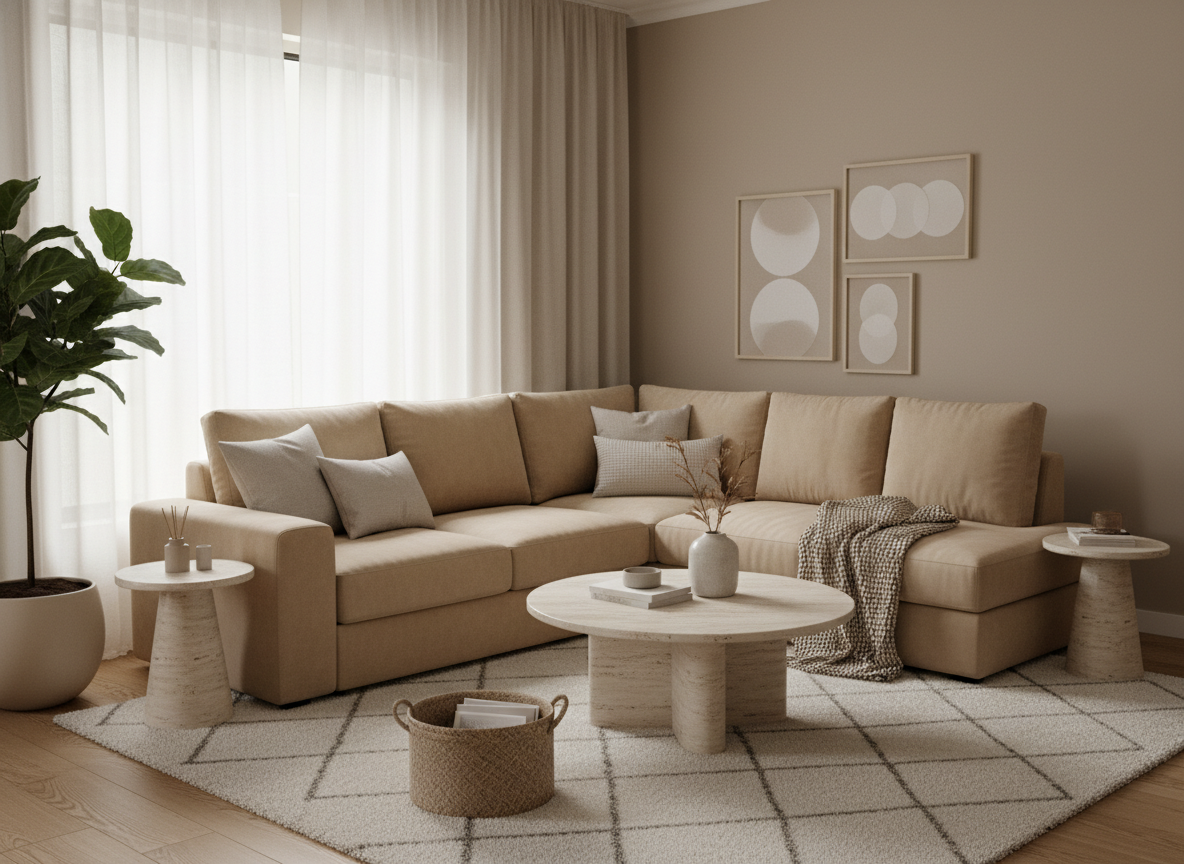
This simple swap can make a noticeable difference. Sharp corners eat up space faster than you think, while a round coffee table improves flow, softens boxy layouts, and makes it easier to move around furniture without constant bumping or sidestepping. If your living room often feels like an obstacle course, choosing a round table can instantly create smoother movement and a more comfortable, user-friendly layout without changing anything else.
8. The Awkward Corner Fix Layout
This approach turns awkward corners into purposeful features instead of wasted areas by adding a curved accent chair, corner shelving, or a tall plant or floor lamp. When these hard-to-use spots are styled with intention, the entire space feels more polished, cohesive, and thoughtfully finished rather than pieced together.
9. The Dual-Function Living Room Layout
This layout is best for work-from-home or dining combos because it focuses on clear zoning when one room needs to serve multiple purposes. You should use furniture to define areas such as a console table behind the sofa that doubles as a desk, a rug to visually separate seating from work or dining spaces, and different lighting for each zone.
10. The Focal-Point-First Layout
If your living room includes TVs, fireplaces, or large windows, this layout can help you. It starts by identifying a single visual anchor, then arranging the main seating to face or gently frame that feature. The result is a room that feels calmer, more balanced, and more cohesive, even in smaller living rooms.
Pick Your Layout: A Simple Decision Tool
If you’re staring at your living room wondering “Okay, but which layout actually works for my space?” This quick guide will point you in the right direction.
Use your room’s shape and daily use to narrow things down fast:
- If your living room is long and narrow: Choose a sofa-against-the-wall layout or a narrow room zoning layout to keep walkways clear and avoid a hallway feel.
- If your room is small but square: A floating furniture layout or symmetrical layout creates balance and keeps the space feeling intentional instead of cramped.
- If you live in a studio or open-plan apartment: Go with a dual-function layout or studio-style layout that uses rugs, furniture placement, and lighting to define zones without walls.
- If you host often or have family seating needs: An L-shaped sectional layout or conversation-circle layout maximizes seating without scattering chairs everywhere.
- If storage is your biggest struggle: A storage-first layout with wall-mounted units and hidden storage keeps the room usable day to day.
Clear Measurement Rules That Prevent Costly Mistakes
Traffic & Walkways
Aim to keep 30–36 inches of clearance for main walkways, while secondary paths can function comfortably with about 24–30 inches when space is limited.
Sofa & Table Spacing
Allow 12–18 inches of space between the sofa and coffee table, keep side tables about 16–20 inches from seating, and choose a coffee table height that’s within 1–2 inches of the seat height for the most comfortable, balanced setup.
Rug Sizing (Common Small Rooms)
Make sure the front legs of sofas and chairs rest on the rug to visually anchor the seating area, and avoid rugs that “float” in the center of the room, as they can make the space feel smaller and disconnected.
TV Placement Basics
Mount the TV at eye level when seated for comfortable viewing, keep a viewing distance of about 1.5–2.5 times the TV’s diagonal size, and opt for wall-mounted TVs or slim media consoles to save valuable floor space and reduce visual bulk.
Here’s the thing: These measurements aren’t meant to limit your choices. They’re there to protect you from layouts that may look good on paper but feel awkward, cramped, or uncomfortable in everyday use.
Renter-Only Small Living Room Layout Tips
As a renter, you can’t drill, renovate, or make permanent changes, so smart zoning becomes essential. Temporary solutions like tension-rod curtains, folding screens, open bookcases, and layered rugs allow you to define different areas without altering the space itself.
Choosing furniture that can move with you also makes a big difference. Modular sofas offer flexibility without commitment, storage ottomans can replace bulky coffee tables, and stackable or nesting tables adapt easily as your layout changes. These pieces work hard now and still make sense in your next home.
Storage is another common renter pain point, but it doesn’t require damage. Wall-leaning shelves, over-sofa console tables, and tall cabinets that are visually anchored rather than fixed in place provide function without breaking lease rules.
Final Thoughts: A Small Living Room Can Still Feel Like Home
A small living room simply needs smarter decisions. When the layout works, everything else starts to feel easier. The room feels calmer, cleaning takes less effort, and hosting no longer feels stressful. You stop bumping into furniture, and the space finally feels like it’s working with you.
Related Articles
- 10 Storage Solutions for Living Rooms: Maximize Space and Declutter Your Home
- 10 Smart Interior Design Ideas That Maximize Small Living Spaces
- 5 Budget-Friendly Ways to Organize Small Spaces with No Storage and Maximize Your Home’s Efficiency
- 5 Small Space Organization Hacks: Simple Tips to Maximize Space and Tackle Clutter
- 10 Space-Saving Kitchen Hacks: Smart Tips to Maximize Small Kitchen Storage and Efficiency