


Decluttering your home is a fulfilling experience, but it’s just as important to ensure your unwanted items are being given to the right places. A lot of people want to declutter their homes and donate items, but few know the full extent of what it means to donate responsibly. Apart from getting rid of stuff; it’s also about giving thoughtfully, with consideration for the people receiving your donations and the environment.
By donating items responsibly, you can make a real difference: not only in someone else’s life but also in the world around you. The goal is to make sure they’re used effectively. Here’s how to donate your things in a responsible and ethical way.
1. Understand What’s Needed: Avoid Oversaturating Donation Bins

One of the first things to consider when donating is whether the items you’re giving are truly needed. It’s tempting to load up bags of clothes or household items and drop them off, but you may not realize that not all donations are helpful. For example, sending broken appliances, outdated electronics, or stained clothes to charity centers may end up costing these organizations more in sorting fees than they’re worth. It’s crucial to be mindful of what the recipients truly need.
Tip: Before you donate, check with local charities to see if they have specific guidelines for the types of items they accept. Many donation centers, especially those focused on helping low-income individuals or families, have lists detailing what they can and can’t take. Some items, like outdated electronics or heavily worn clothing, might not be of use and may end up being thrown out or recycled. Make sure you donate what’s actually useful.
2. Repair and Clean Before Donating: No One Wants Broken or Dirty Goods

The quality of your donations speaks volumes about your level of thoughtfulness. Consider this: would you want to receive a donation that was dirty or broken? Probably not. When donating, it’s your responsibility to ensure that items are in good condition and can be immediately used or enjoyed by someone else.

Tip: Repair or clean items before sending them off. If your donated item needs minor repairs, such as fixing a button on a coat or mending a small hole, take a few extra minutes to fix it. Wash clothes and clean items like electronics, books, and furniture. Donating clean, functional goods helps organizations keep their operations running smoothly and prevents them from wasting time fixing your old items.
Why It Matters: When you send a damaged or dirty item, it not only burdens the receiving charity but also detracts from the value of the donation. A little cleaning or fixing can ensure your donation actually benefits someone in need, and you’ll feel more confident about giving responsibly.
3. Choose the Right Donation Centers: Think Local, Think Impact

Many people choose to donate to large, national organizations without considering that local charities might be in greater need of support. While donating to a big charity can feel good, local donation centers often struggle with sorting and storing items. By donating to smaller, more localized charities, you can have a direct, meaningful impact.
Research donation centers in your community or nearby towns. Look for organizations that support specific causes like homeless shelters, food banks, local schools, or community-driven nonprofits. These organizations are more likely to distribute donations quickly and directly to people who need them most.
Example: Consider donating gently used furniture or household items to a local shelter or transitional housing organization. Not only will this help someone who may be moving into a new home, but it can directly support families in your community who may be starting over.
4. Don’t Overwhelm Charities: Donate Thoughtfully and in Smaller Amounts
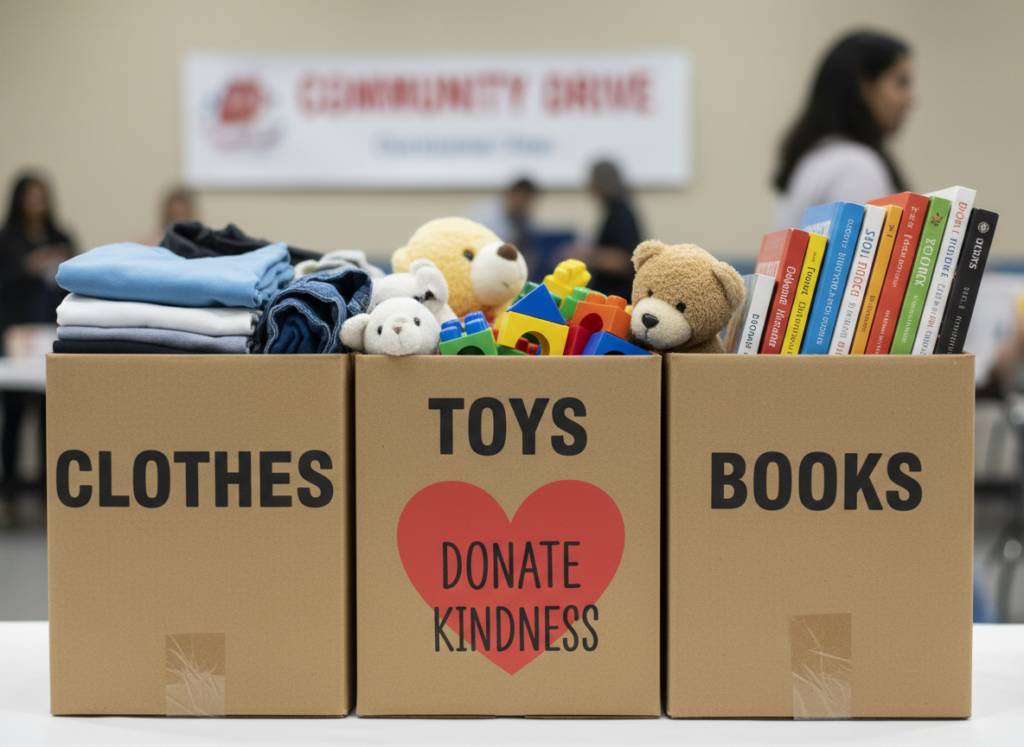
It’s easy to get carried away when decluttering, but there’s such a thing as too much, too fast. Many donation centers, especially smaller ones, do not have the capacity to process large volumes of items in a short period of time. Donating everything all at once can overwhelm these organizations and make it harder for them to manage their incoming donations.
Instead of donating large amounts of items at once, try to declutter and donate in smaller batches over time. This helps prevent donation centers from being flooded with too much at once, which can sometimes result in items being tossed or left unsorted for longer periods. Organize your donations into categories and donate them systematically.
5. Upcycle or Repurpose What You Can’t Donate: Get Creative and Reduce Waste
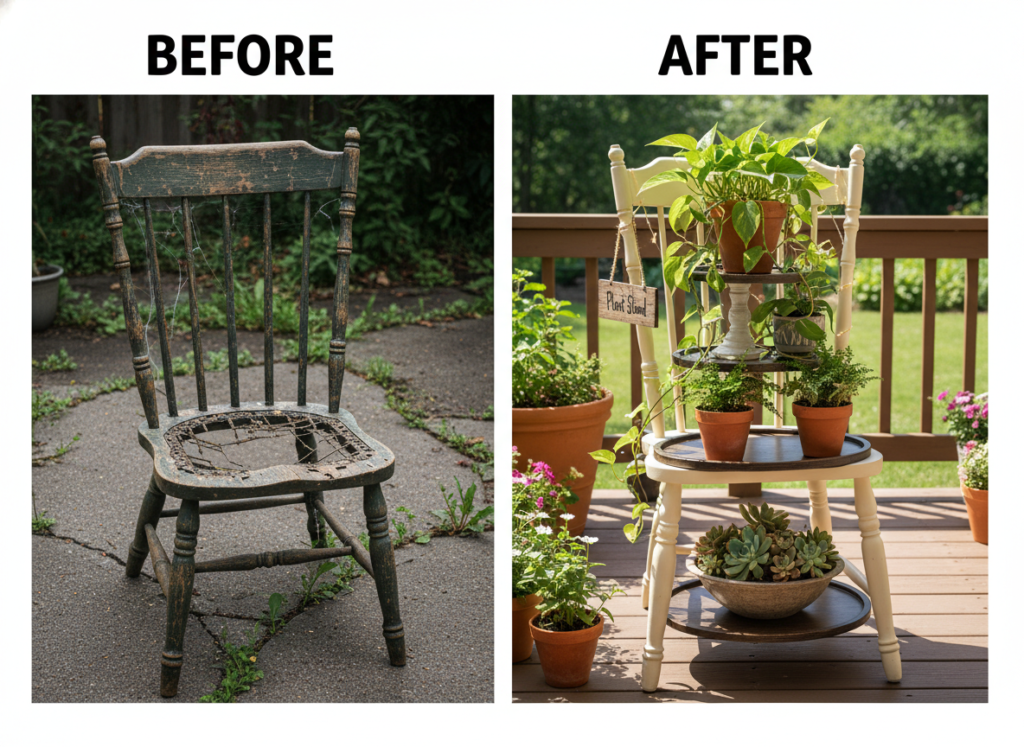
Not everything you want to get rid of will be suitable for donation. Some items may be too damaged, outdated, or specific to your taste that others might not appreciate. Instead of sending these items to a landfill, consider repurposing or upcycling them.
Tip: Upcycle old furniture into something new and useful. For example, an old wooden chair could be turned into a plant stand, or worn-out t-shirts could be cut into reusable rags. If you’re into crafting, get creative with your old materials, such as turn old picture frames into wall décor, or create storage solutions out of cardboard boxes.
6. Be Mindful of E-Waste: Recycle Electronics Responsibly
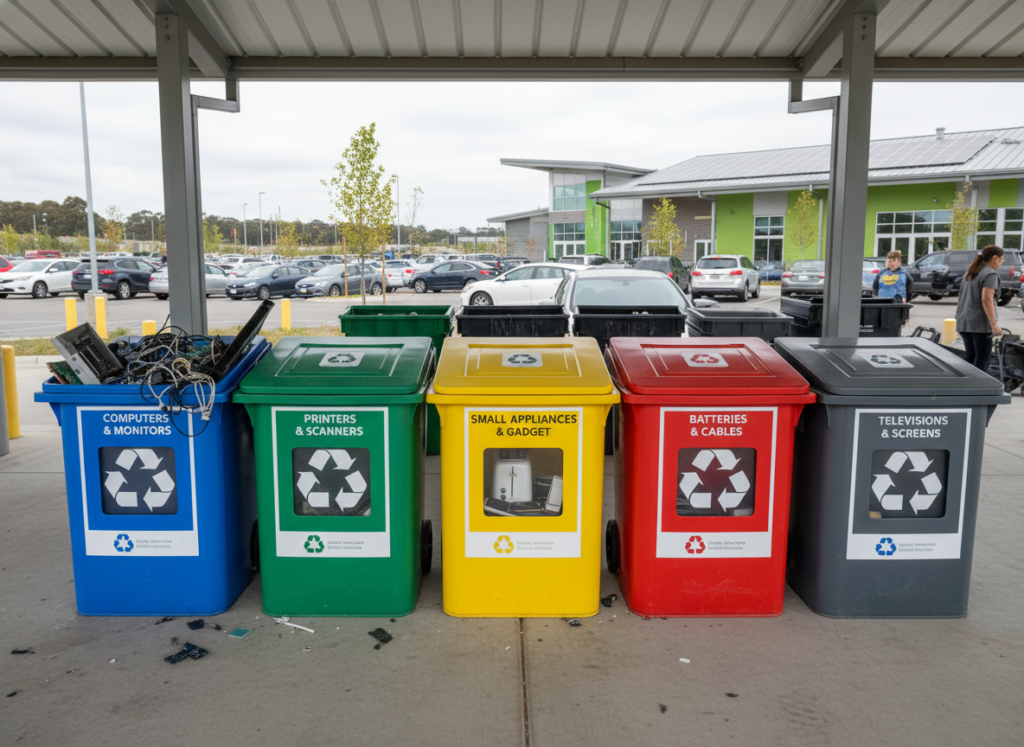
Electronics, such as old phones, computers, and appliances, can be tricky to donate. Many times, they’re either too outdated or don’t function well enough to be of use to others. Worse, improper disposal of electronics can release harmful chemicals into the environment.
Tip: Research local e-waste recycling programs. Many stores, such as Best Buy and Staples, offer drop-off stations for old electronics. These programs ensure that your devices are recycled properly, so they don’t end up in a landfill contributing to pollution.
Why It Works: E-waste is one of the fastest-growing types of waste globally. When you recycle electronics responsibly, you prevent hazardous materials from leaching into the earth, while also ensuring that valuable components like metals and plastics are reused.
7. Find Local Clothing Swaps: Keep Clothes in Circulation
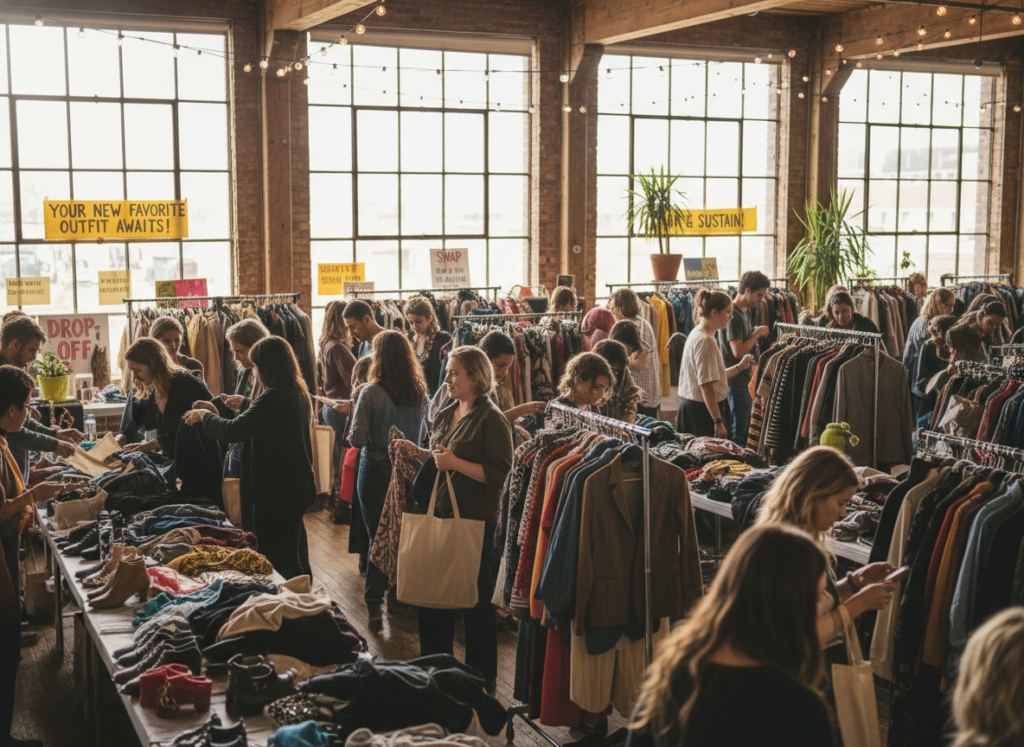
Rather than donating clothes that no longer fit or suit your style, consider participating in a clothing swap. This is an excellent way to pass on clothes that are still in good condition while giving you a chance to update your wardrobe without contributing to fast fashion.
Organize or attend local clothing swap events in your community. You can also swap clothes with friends or family members to refresh your wardrobe without buying anything new. Plus, clothing swaps promote sustainability and reduce textile waste. It’s a great way to keep clothes circulating within your community, ensuring they get a second life.
8. Understand the Global Impact of Used Goods: Be Aware of the Larger Picture
Donating clothes or goods to charity is an act of kindness, but it’s essential to be aware of the broader effects of your donations. For example, the U.S. exports a significant amount of secondhand clothing to developing nations, where it can negatively affect local textile industries by overwhelming markets with cheap goods.
Tip: Consider donating to organizations that use donations locally and avoid sending items abroad unless necessary. This way, you help support local businesses and reduce the adverse effects of overwhelming foreign markets with second-hand goods.
Conclusion: Make Your Donations Matter

Donating responsibly is about more than simply clearing out space in your home. It’s about being conscious of how your actions impact the people and places receiving your goods. By following these tips, you can ensure that your donations serve a purpose, promote sustainability, and support your community.
As you declutter, keep in mind that each thoughtful decision you make, whether it’s repairing an item before donating it, donating locally, or upcycling, adds up to a positive change in the world. So, next time you declutter, remember to give responsibly, and you’ll feel good knowing that your items are being put to their best use.