


Maintaining a clutter-free home is about forming sustainable habits that allow you to manage your space effectively every day. But building consistent routines can feel daunting, especially if you’re juggling work, family, or a hectic lifestyle. Habit tracking can be a game-changer in this process, helping you build routines that stick.
In this article, we’ll explore 12 practical habit-tracking strategies that will help you declutter, stay organized, and create a consistently clean and inviting living space. These strategies are designed to break down large tasks into manageable, repeatable actions that make keeping your home tidy feel easy and natural.
1. Start Small: Break Tasks Into Manageable Chunks
The idea of organizing your entire home can feel overwhelming. It’s tempting to dive into a big project, but that often leads to burnout. Instead, focus on small, manageable tasks. Breaking big tasks into smaller pieces not only makes them more approachable but also allows you to track your progress effectively.
Example
Instead of writing down “clean the kitchen,” break it down into smaller habits like:
- Wipe down countertops every morning
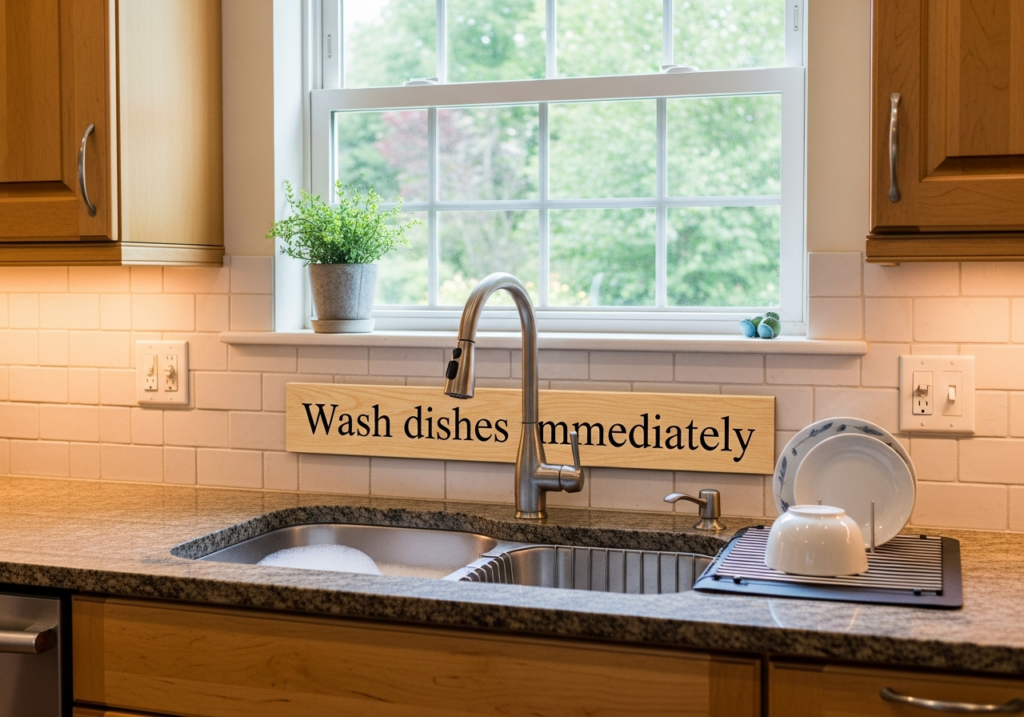
- Put dishes away immediately after use
- Sort through pantry items every Sunday
By tracking these smaller habits each day, you’ll keep your kitchen neat and tidy without ever feeling like you’re starting from scratch. Over time, these small habits build momentum, and you’ll be amazed at how much cleaner your kitchen stays without extra effort.
2. Incorporate Habit Stacking to Make Organizing Easier
Habit stacking is a method where you attach a new habit to an existing one. This strategy works so well because it eliminates decision fatigue and seamlessly integrates new habits into your routine.
How to Implement
Already brushing your teeth every morning? Pair it with organizing something small, like sorting through your mail. Every time you finish brushing your teeth, take five minutes to clear out your inbox or go through a stack of papers.
Other examples could be pairing tidying up the kitchen counters with your coffee routine or doing a quick vacuuming session right after finishing your daily workout. Habit stacking reduces the mental load of thinking about when and how to fit in organizing tasks.
3. Set Up a Daily “Home Reset” Routine
A “home reset” habit is a quick, daily ritual that keeps clutter from building up. Even if you have a busy day ahead, spending just 10-15 minutes each evening resetting your space will prevent messes from snowballing.
For example, each evening, you commit to a quick reset session, such as put away clutter in the living room, fold blankets and fluff pillows, or put away dishes and wipe down kitchen counters. This daily reset makes your home feel organized and ready for the next day.
4. Track Daily Cleaning Habits with a Calendar or App
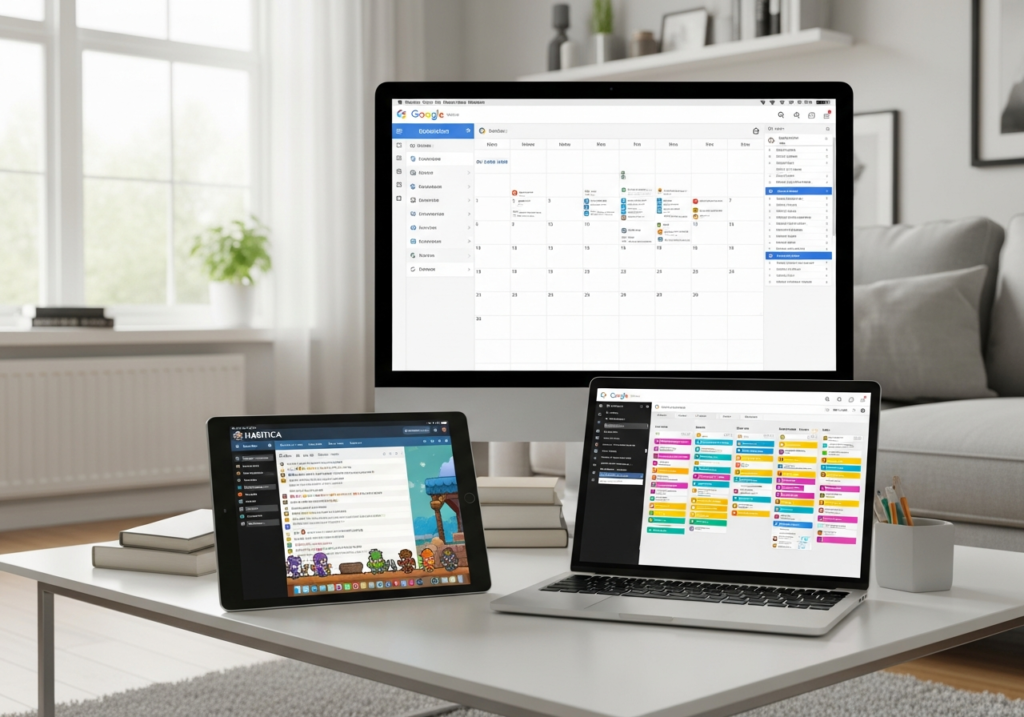
Habit tracking works best when you can see your progress. By tracking your cleaning habits with a simple calendar, planner, or digital app, you create a visual reminder to stay on top of your home maintenance. You can use apps like Habitica, Trello, or even a basic Google calendar to track each task.
Every time you complete a task, mark it off. You’ll quickly see your progress and feel motivated to keep going. The sense of accomplishment is incredibly rewarding, and it helps you stay consistent with your routines.
5. Incorporate the “One-In, One-Out” Rule
One of the simplest yet most effective ways to keep your home decluttered is by adopting the “one-in, one-out” rule. For every new item you bring into the house, you remove one item. This keeps your belongings in check and prevents clutter from accumulating.
How to Implement
Track this habit by using a checklist for new purchases. Every time you acquire something new, ask yourself, “What can I get rid of to make space for this?” This can be tracked weekly or monthly, and the key is consistency. Whether it’s old clothing, kitchen gadgets, or books, removing one item helps keep your home organized without extra effort.
6. Use Weekly Habit Tracking to Stay on Top of Bigger Tasks
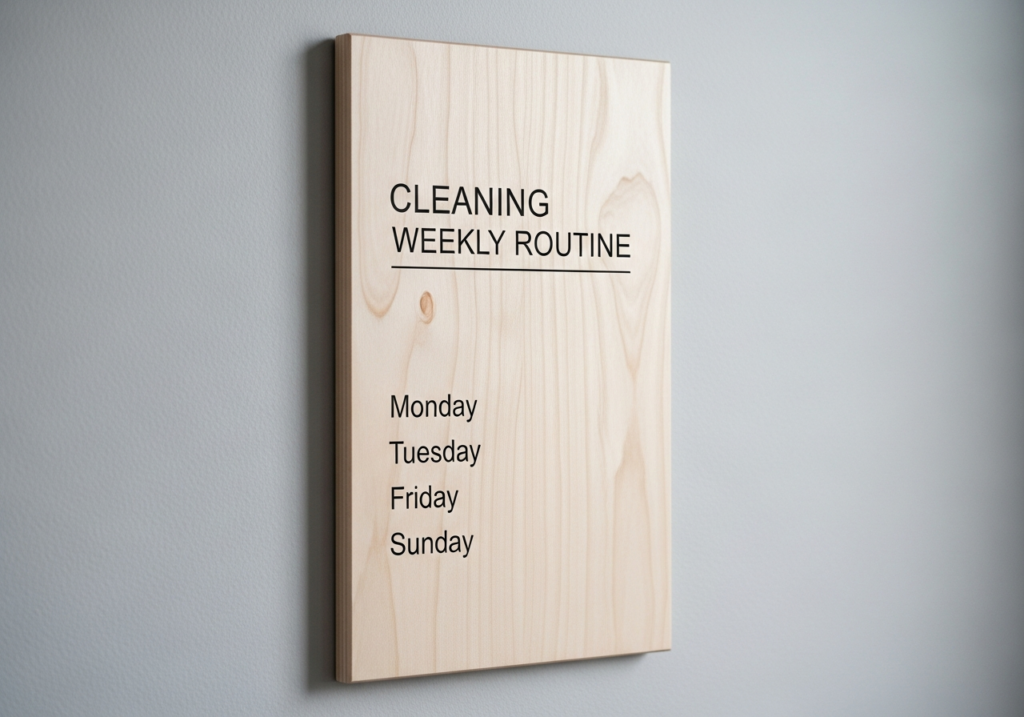
Not all organizing tasks need to be done daily. Some, like deep cleaning or tackling seasonal clutter, can be spaced out throughout the week. Use weekly habit trackers to stay on top of these larger tasks that may be too overwhelming to handle every day.
For example, your weekly routine could include:
- Monday: Clean bathroom sinks and mirrors
- Wednesday: Declutter the pantry
- Friday: Vacuum and mop the floors
- Sunday: Organize the closet
Tracking these tasks weekly ensures that you don’t forget them, while still allowing you to focus on daily cleaning routines.
7. Create Family-Oriented Habit Tracking for Shared Spaces
If you live with others, get everyone involved in maintaining an organized home. Create a shared family habit tracker where everyone can see their daily tasks. This creates a sense of accountability and teamwork, ensuring that no one person bears the burden of cleaning and organizing.
Use a shared Google calendar or an app like Cozi to list the cleaning and organizing tasks that need to be done daily or weekly. Assign different family members to various tasks (like taking out the trash, vacuuming, or putting away laundry). This way, everyone is accountable, and the home stays consistently clean.
8. Celebrate Progress to Reinforce Consistency
Tracking habits is motivating, but it’s also important to celebrate small wins along the way. When you complete a task or stick to your habits consistently for a week, reward yourself with something small, whether it’s a treat, a night off, or just taking a moment to enjoy your tidy space. This will help keep you motivated and reinforce your commitment to maintaining your routines.
9. Leverage Technology for Reminders and Accountability

Technology can make habit tracking easier by sending reminders and keeping you accountable. Whether you use apps or smart home devices, incorporating technology can streamline your organizing efforts.
How to Implement
Set reminders in your phone or smart speaker to remind you of daily cleaning tasks. Smart devices like Roomba robots can help automate the vacuuming process, while smart lighting or thermostats can help maintain the overall environment of the home.
Using technology this way removes the mental burden of remembering every task, making it easier to stay consistent.
10. Declutter with a Timer for Quick Sessions
For many, one of the biggest barriers to cleaning is the overwhelming thought of how much time it might take. A quick way to stay productive is by using a timer, like a smartphone timer or a Pomodoro timer app to create focus blocks for specific tasks. For example, set 15 minutes to tackle the kitchen counter or sort through a drawer. The key is to stay focused and finish within the allotted time.
11. Declutter by Category Instead of Location
Instead of decluttering room by room, try decluttering by category, for example, clothes, books, or kitchen gadgets. This can help you see patterns in the things you own and make it easier to decide what to keep and what to part with.
Plus, track the categories you’ve tackled and set a timeline for how often you want to revisit each one. You could do clothes one month, books the next, and kitchen items after that. Tracking by category ensures that you’re being more thorough and thoughtful in your decluttering efforts.
12. Make Decluttering a Monthly Habit
Rather than letting clutter pile up, make decluttering a monthly habit. Every month, schedule a dedicated time for decluttering specific areas of your home. Track this with a monthly calendar or habit tracker, so it becomes a regular part of your routine.
Example
On the first Saturday of every month, dedicate time to decluttering a different area, such as the attic, closet, or garage. After a few months, you’ll be surprised at how much more organized your home feels.
Conclusion: Build Long-Term Habits for a Tidy, Stress-Free Home
Habit tracking is a powerful tool that will help you stay organized, reduce clutter, and create a home environment that’s both functional and aesthetically pleasing. By incorporating these 12 strategies into your routine, you’ll not only stay on top of daily and weekly tasks but also develop habits that support a cleaner, more organized home in the long run.
Start small, track your progress, and celebrate your victories along the way. With consistency, you’ll create lasting changes that make keeping your home clean feel effortless and enjoyable.