

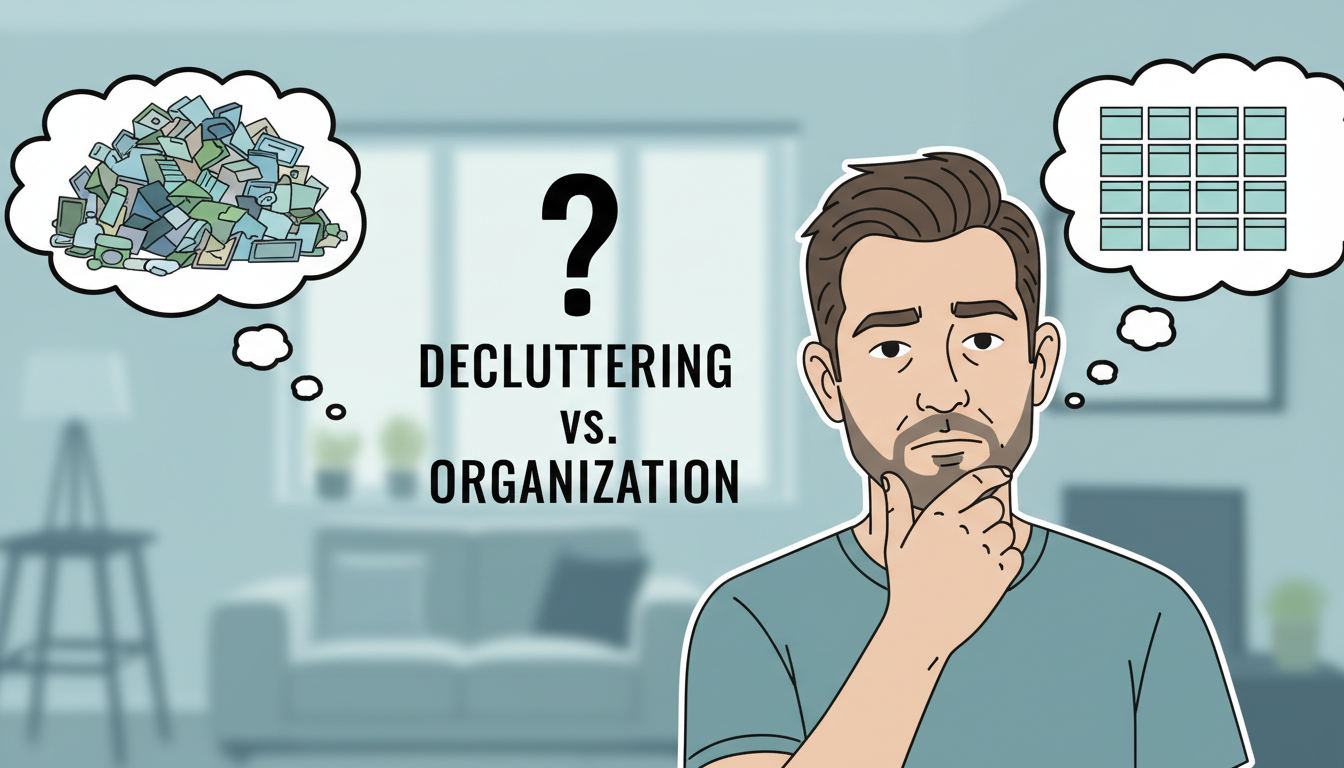
Decluttering and organizing are both essential processes for maintaining a clean and functional home. However, they’re distinct and require different strategies. Understanding the difference between these two steps is crucial in making the process feel less overwhelming and more manageable. This article will explain the key differences between decluttering and organizing, and provide actionable steps to tackle both efficiently to create a clutter-free home.
1. Decluttering vs. Organizing: What’s the Difference?
The primary difference between decluttering and organizing lies in their core goals. Decluttering involves evaluating your possessions and deciding what to keep and what to remove, whereas organizing is about arranging and storing the items you decide to keep in a way that makes them easy to find and access.
Decluttering: Letting Go of What No Longer Serves You
Decluttering is the process of evaluating your belongings and removing items that are no longer useful, loved, or needed. It’s a crucial first step to create space in your home. For example, in your closet, start by removing clothes that you haven’t worn in the last year or that no longer fit. Similarly, go through your kitchen cabinets and get rid of expired food or duplicate utensils.
Organizing: Creating Systems for What You Keep
Once you’ve removed unnecessary items, the next step is to organize. Organizing involves grouping similar items and ensuring they are stored in a manner that is functional.
In your bathroom, for instance, organizing might involve categorizing toiletries into bins or drawers (e.g., one for hair products, one for skincare). Similarly, in your living room, organizing can include using storage baskets or shelves for remote controls, magazines, and other small items that tend to clutter surfaces.
2. The Role of Emotional Attachment in Decluttering
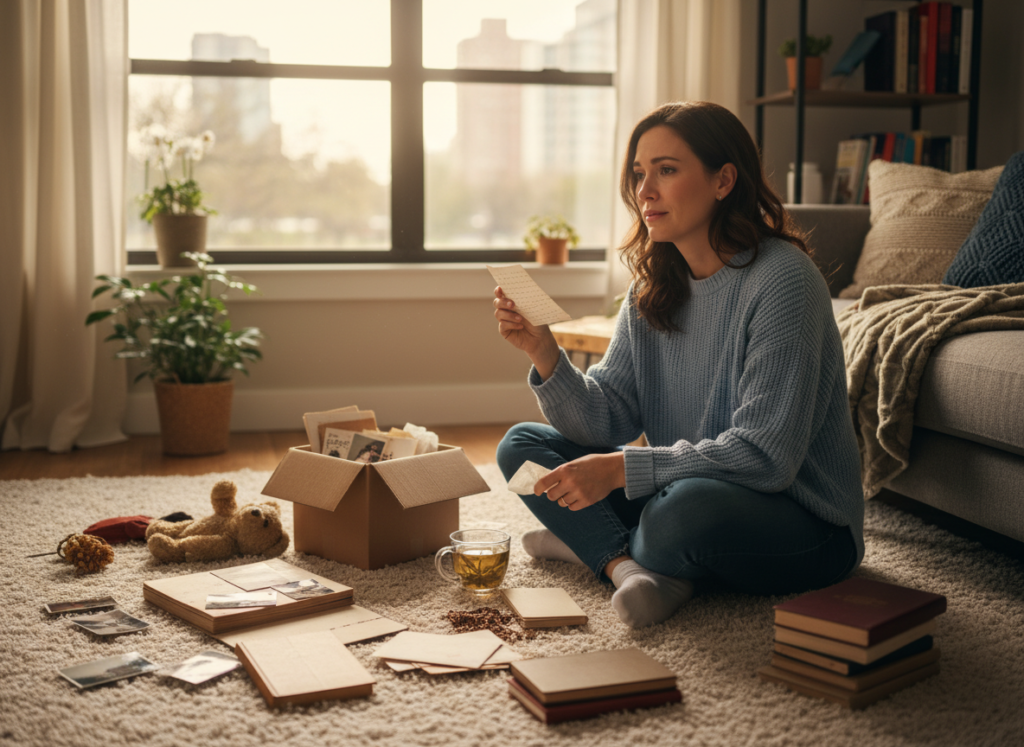
One of the biggest hurdles when decluttering is the emotional attachment to items. This emotional clutter often makes it difficult to let go of belongings, even if they no longer serve a practical purpose.
How to Deal with Emotional Clutter
When decluttering emotional items, take a mindful approach. Ask yourself questions like:
- Does this item still serve a purpose in my life today?
- Can I preserve the memory in another way, such as with a photo or digital record?
By focusing on the emotional benefits of letting go, you can create a home that reflects your current self, not your past.
For example, if you have a box full of old letters or cards, consider digitizing them to preserve the memories without taking up space. If you struggle with family heirlooms, you can display them in a way that brings joy, rather than keeping them hidden away and gathering dust.
3. Decluttering First Makes Organizing Easier
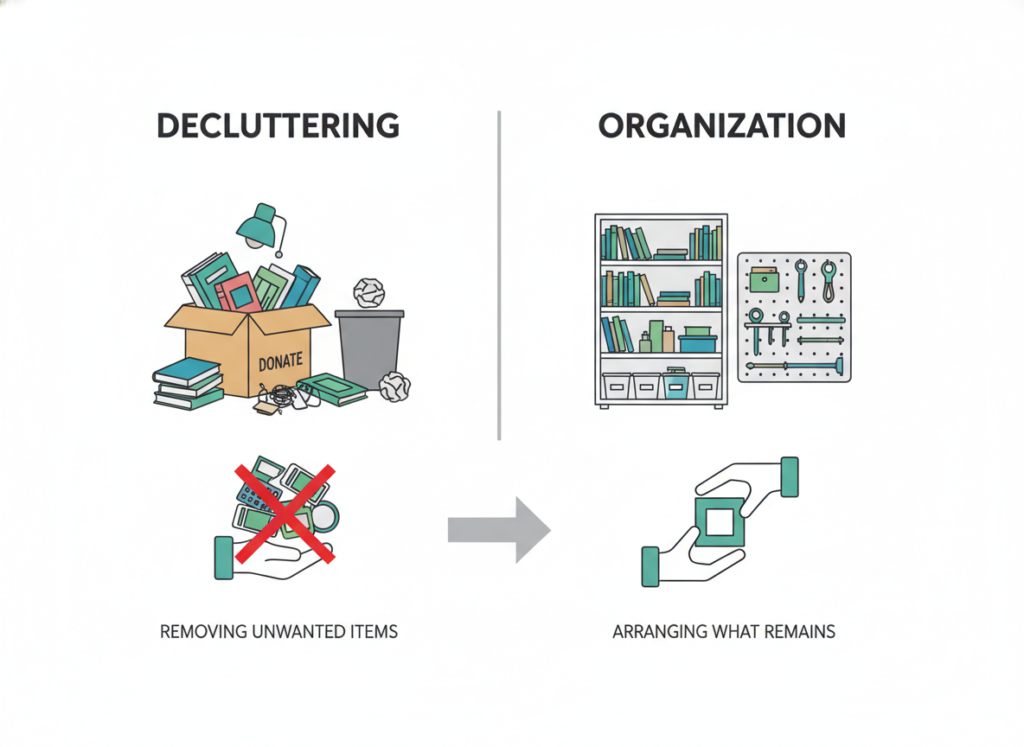
You may be tempted to organize your space first, but decluttering is the essential first step. If you attempt to organize items you no longer need, you’re simply creating systems for unnecessary clutter. This will only lead to frustration and wasted time.
The Decluttering Foundation
Begin with a decluttering session where you remove items that no longer add value to your life. Once you’ve removed those items, organizing becomes much easier.
For example, after decluttering your closet, you’ll have more room to organize your clothes by season or type, using storage solutions like bins or closet dividers.
4. Decluttering is About Space, Organizing is About Systems
Decluttering and organizing are both essential, but they focus on different aspects of your home. Decluttering is about creating physical space by removing unnecessary items, while organizing is about creating systems to maximize the use of the space you’ve cleared.
How to Create Organizational Systems
After decluttering, consider your needs and how to organize your space. For instance, in your home office, invest in desk organizers and file cabinets to store documents. For the kitchen, use stackable bins or pull-out drawer organizers to keep items accessible but neat.
Maximize Vertical and Hidden Spaces
Use wall-mounted shelves, hanging baskets, or under-bed storage to maximize unused vertical or hidden spaces. This can help keep your spaces clutter-free and better organized.
5. Maintaining Your Decluttered and Organized Home
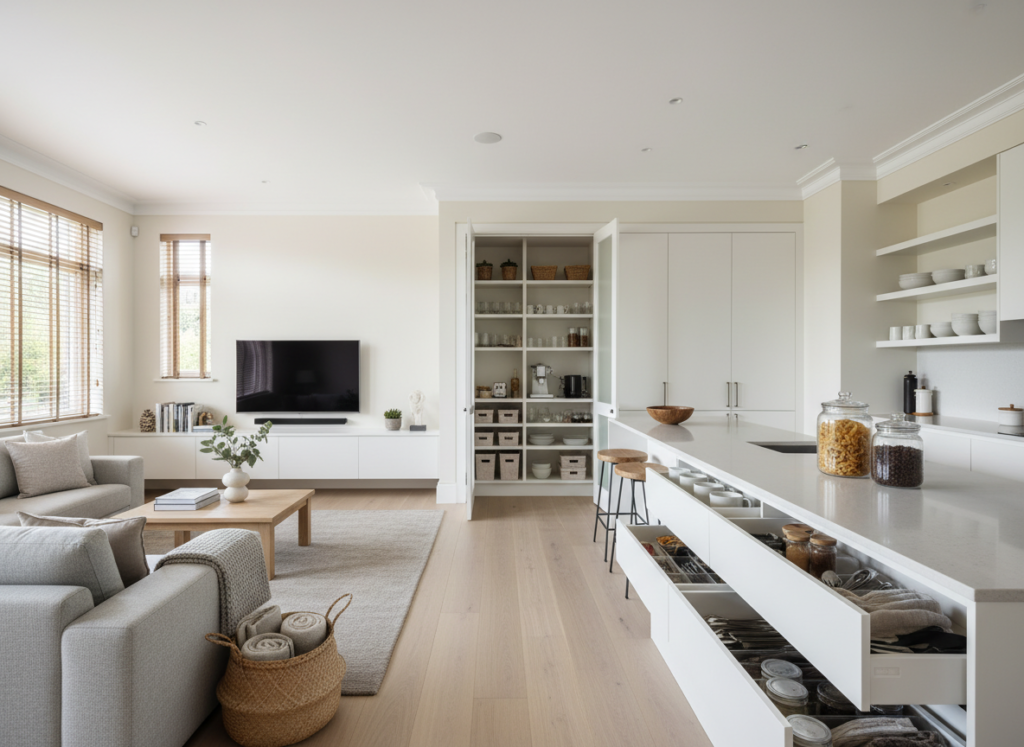
The final step is maintaining your decluttered and organized home. It’s one thing to declutter and organize, but it’s essential to maintain that order for long-term results.
Regular Check-ins to Prevent Clutter Build-up
To prevent clutter from creeping back in, schedule regular check-ins. Once a week, assess high-traffic areas like the living room or kitchen, and remove any new items that don’t belong.
Simplify Your Approach with the Right Tools
Having the right tools, such as storage bins, drawer dividers, or labeled boxes, can help you maintain order. Using multi-functional furniture that doubles as storage (e.g., ottomans with hidden compartments) can also help you maintain a clutter-free environment.
Conclusion: Tackle Both Decluttering and Organizing for a Stress-Free Home
Understanding the difference between decluttering and organizing is key to transforming your home into a more efficient, functional, and clutter-free space. Remember, decluttering should come first, followed by organizing to create systems that ensure long-term success.
By focusing on decluttering your home before organizing it, you create a solid foundation for an efficient and stress-free home. Take it one space at a time, and be sure to regularly check in and maintain your organized space. With these tips, you can enjoy a home that feels calm, organized, and ready for whatever life brings.