

As a renter, it is easy to assume your electric bill is set by things you did not choose, like the old windows or the building’s HVAC. But a surprising share of how to reduce electric bill in apartment living comes down to behavior and small, removable fixes you fully control, not the hardware you inherited. Every fix here is lease-safe, needing no landlord approval and nothing to undo at move-out. This Home Tips Daily guide starts with the systems that draw the most power, because that is where the savings hide.
Understand What Uses the Most Electricity and Read Your Bill
Cutting a bill you do not understand is guesswork, so start by learning where your power actually goes. In most apartments the order of impact is fairly consistent, and it tells you which fixes are worth your energy and which are rounding errors:
- Heating and cooling usually dominate, often the single largest slice of the bill in any season with real weather.
- Water heating comes next, driven by showers, dishwashing, and hot laundry.
- Major appliances like the fridge, oven, and dryer sit in the middle of the pack.
- Lighting matters less than it used to, though old bulbs still add up.
- Electronics and standby power are small individually but pile up across a whole apartment of devices left on.
To turn that ranking into action, run a quick audit:
- Read your bill in kilowatt-hours, not just dollars. The kWh total is the number you can actually move, since dollars swing with rates and seasons on their own.
- Check whether you are on a time-of-use plan. If power costs more at peak hours, shifting laundry and the dishwasher to off-peak windows lowers the bill without lowering your usage.
- Hunt hidden hogs with a plug-in meter. An inexpensive plug-in energy monitor shows which devices draw the most, including the ones quietly running all day while you are out.
How to Reduce Electric Bill in Apartment, by Category
With the big targets identified, here is where the savings live, worked through from the highest-impact category down. None of these need a landlord’s sign-off.
Heating and Cooling (Biggest Savings)
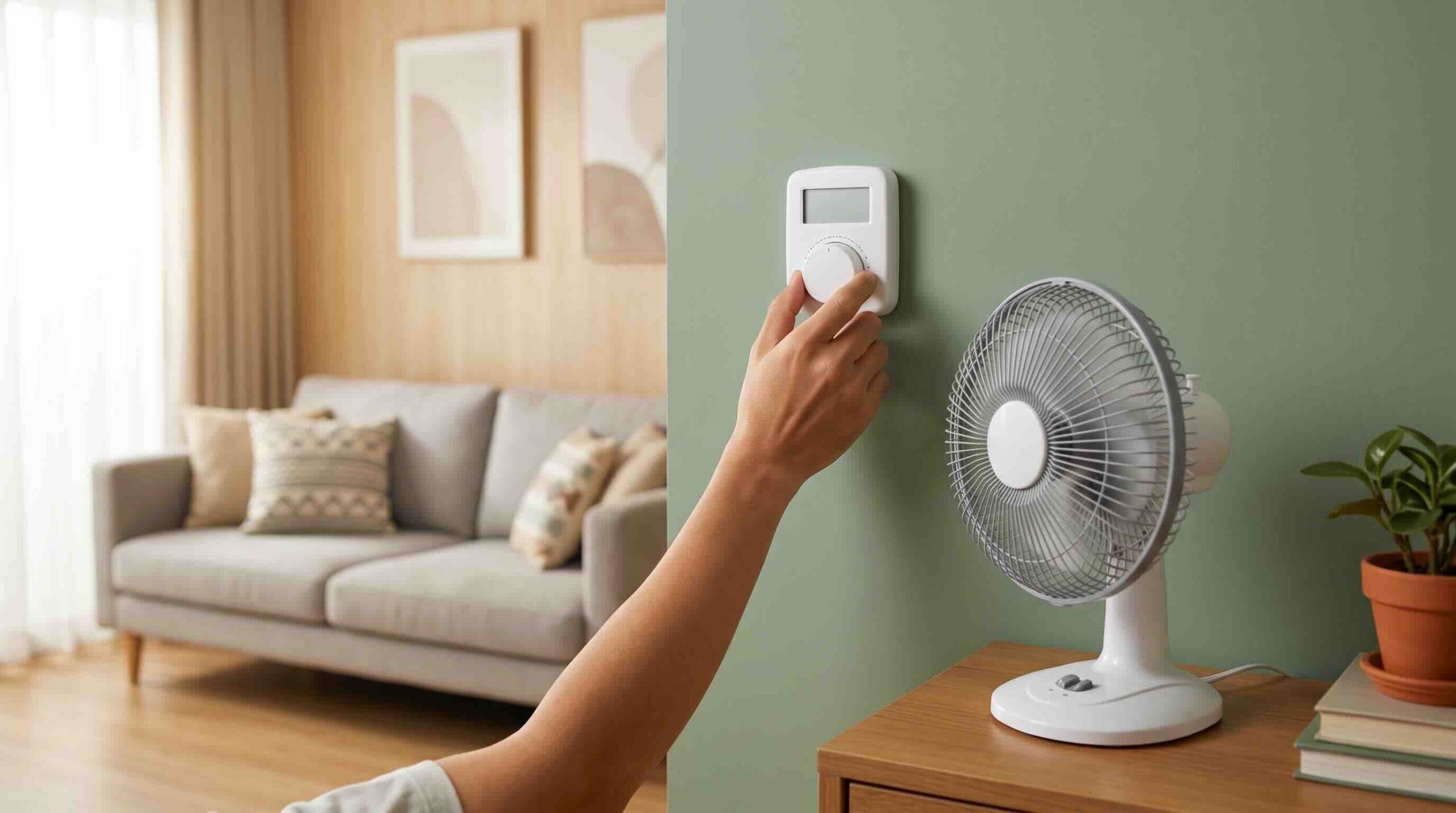
Because climate control is the biggest line on most bills, small changes here beat big changes anywhere else. Set the thermostat a few degrees closer to the outdoor temperature and let a fan share the load, since moving air feels cooler and lets you raise the AC setting. Cover sun-facing windows during summer days, open them to warmth in winter, and only condition the rooms you are actually using.
If your unit is a window or portable AC that runs loud as well as long, our guide on how to reduce AC noise in an apartment covers the noise side with the same lease-safe approach.
Seal Drafts Around Doors and Windows

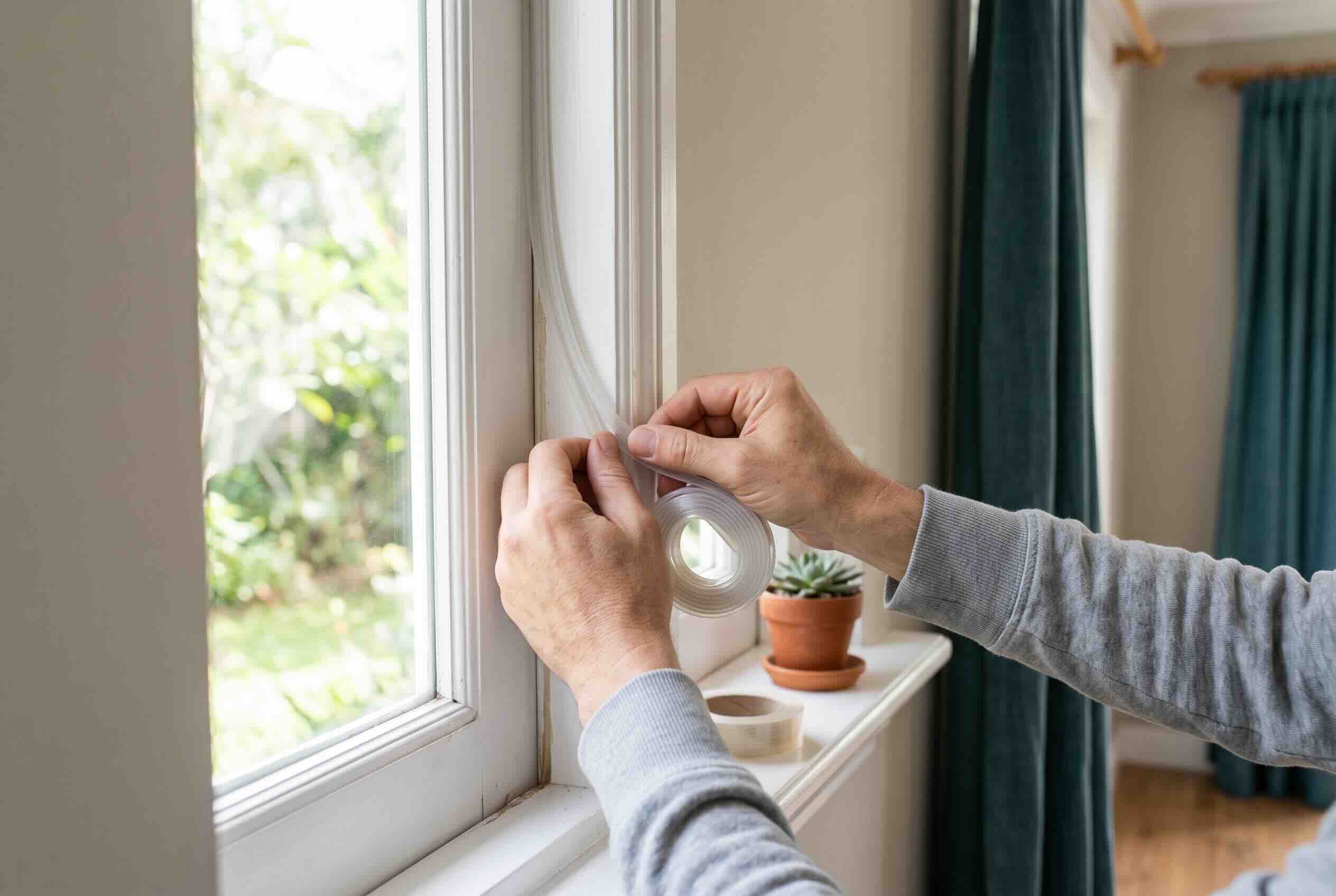
Air leaks make your heating and cooling work overtime to replace conditioned air that slips out. Removable weatherstripping and a door draft stopper close the common gaps without any permanent change to the unit. For drafty windows, temporary shrink film or removable caulk cuts the leak and comes off cleanly at move-out. These simple fixes cost incredibly little and pay back very fast in a leaky, aging building.
Water Heating and Laundry
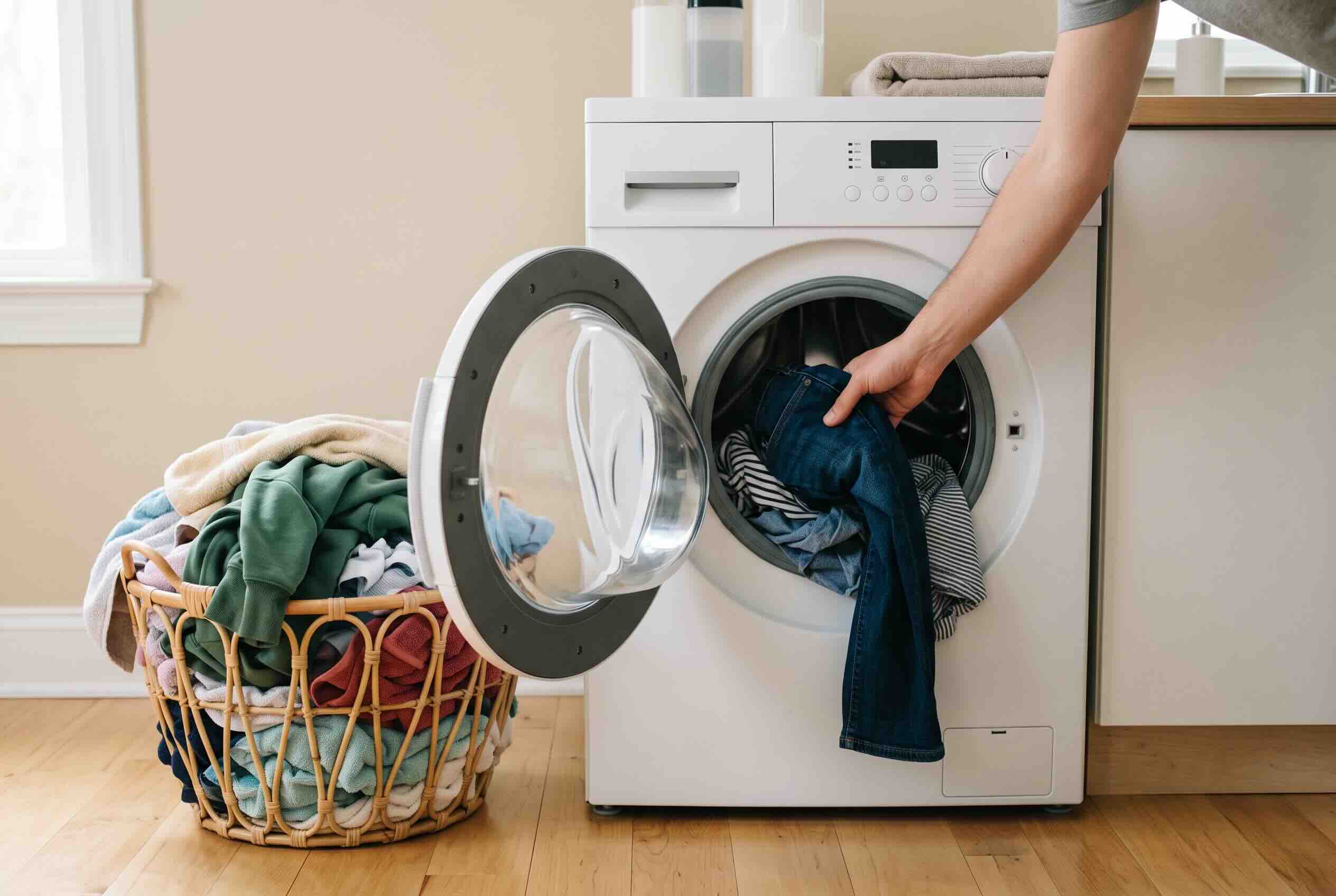
Hot water is a quiet, steady cost you can trim without much effort. Wash your regular laundry in cold water, which handles most everyday loads and completely skips the washing machine’s absolute largest energy draw. Ensure you run full loads rather than inefficient half ones. Taking shorter showers and having the landlord fix any constantly drippy hot tap slowly chips away at the water-heating bill over time. If the water heater is yours to adjust, setting it to a reasonable temperature rather than scalding saves a little every day.
Appliances and the Kitchen
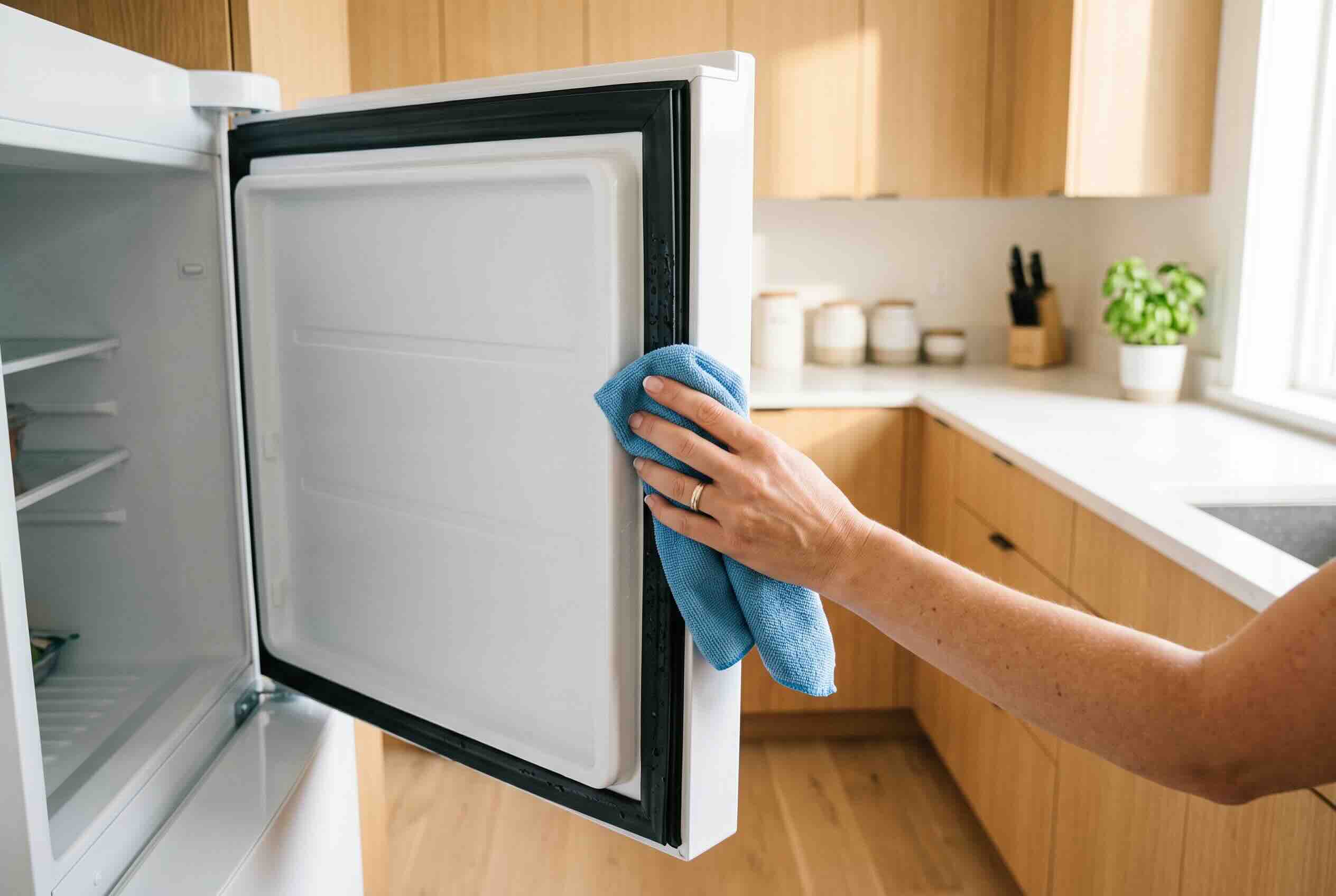
How you run appliances matters as much as the appliances themselves. Keep the fridge coils clear and the door seals tight, reach for the microwave or a toaster oven instead of the full oven for small meals, and let the dishwasher air-dry rather than heat-dry. Run the dishwasher and laundry with full loads, and during off-peak hours where time-of-use rates apply. Unplug small kitchen gadgets that sit idle, since many sip power even when switched off.
Lighting and Standby Power
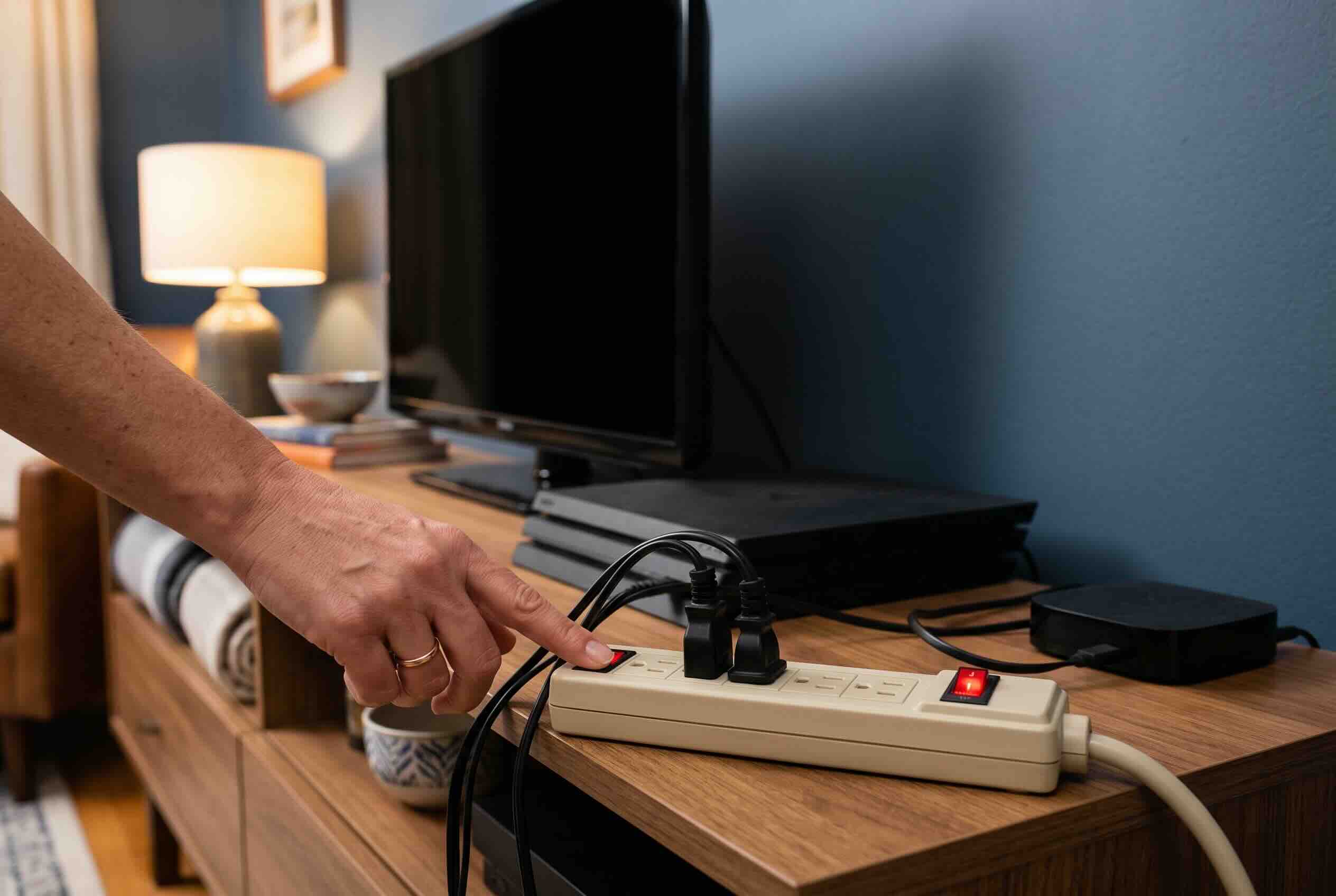

Two easy wins close out the category list. Swap any leftover incandescent or halogen bulbs for LEDs, which use a fraction of the power for the same light and rarely need replacing. Then tackle standby draw, the power electronics pull just by staying plugged in, by putting entertainment centers and desk setups on switchable power strips you can flip off when they are idle. Together these quietly lower the baseline your apartment pulls around the clock.
>>> See more: How to Reduce Dust in Apartment: An Effective Step-by-Step Guide
Energy-Saving Devices Worth Buying for Renters
These tools make the habits above easier to keep, and they are a low-cost part of how to reduce electric bills in apartment living without any renovation. Every single one comes with you when you move.
- Smart plugs and power strips cut standby power on a schedule or with one tap, so idle electronics stop drawing overnight.
- A plug-in energy meter shows what each device actually costs, turning guesswork into a short list of real hogs.
- Draft stoppers and removable weatherstripping seal the leaks that drive heating and cooling costs, with nothing permanent left behind.
- Window insulation film adds a layer against heat loss and gain, then peels off at move-out.
- A smart AC controller lets a window or portable unit run on a schedule and stop cooling an empty apartment.
What Only Your Landlord Can Fix to Lower the Bill
Some of the biggest drains on your monthly electric bill are physically built into the building, marking them as the landlord’s problem to address rather than yours. Single-pane or failing windows, an aging or oversized HVAC system, thin or missing insulation, and decades-old appliances can inflate a bill no matter how careful you are. Report these in writing as efficiency and comfort issues, and keep a record of the request.
The best time to raise them is before you sign, which is one of the questions to ask before signing a lease, and again at move-in when you can note existing conditions on your apartment move-in checklist. Asking whether the appliances are Energy Star rated before you commit can save you more than any single habit.
Choosing a Cheaper Electricity Plan as a Renter
In parts of the country with deregulated electricity, you can choose your own supplier, and comparing plans can lower your rate without changing a thing in the apartment. Look at the price per kilowatt-hour and the contract terms, not just a flashy introductory rate that jumps later. Where it is offered, a community solar subscription lets you claim credits from a shared solar farm without installing any panels, and some suppliers sell renewable plans. Availability differs by state and utility, so check what your area actually allows before switching.
FAQ
Do smart power strips actually make a difference?
They help most where you have clusters of devices that stay on, like a TV setup or a home office. By cutting standby draw from devices that sip power around the clock, they trim a small but constant cost, though they will not transform a bill dominated by heating and cooling.
Is it cheaper to run the AC all day or turn it on and off?
For most units, letting it cycle at a higher setpoint or on a smart schedule beats running it hard all day, but turning it fully off in extreme heat can cost more to recover from than it saves. Aim for a steady, moderate setting rather than big swings.
What uses the most electricity when you’re not home?
Usually the fridge, anything climate-related still running, and the quiet crowd of standby devices: chargers, entertainment gear, and smart speakers. A plug-in meter or a quick walk-through before you leave surfaces is drawing power for no reason.
Does washing in cold water really save money?
Yes, because heating the water is the largest share of a wash cycle’s energy, so cold washing skips most of it. Modern detergents are built for cold water and clean the majority of everyday loads just as well.
Conclusion
The renters who see a consistently lower bill are not the ones who fret over a single light left on. They are the individuals who aim their effort where the power actually goes. Tame your heating and cooling first, seal the steady drafts feeding them, shift what heavy loads you can to off-peak hours, and shut down the quiet standby draw humming in the background. Hand the physical structural drains, like leaky old windows and a tired HVAC, back to the landlord where they belong. That targeted strategy represents the whole of safely reducing an electric bill in apartment living, minus the reno.