

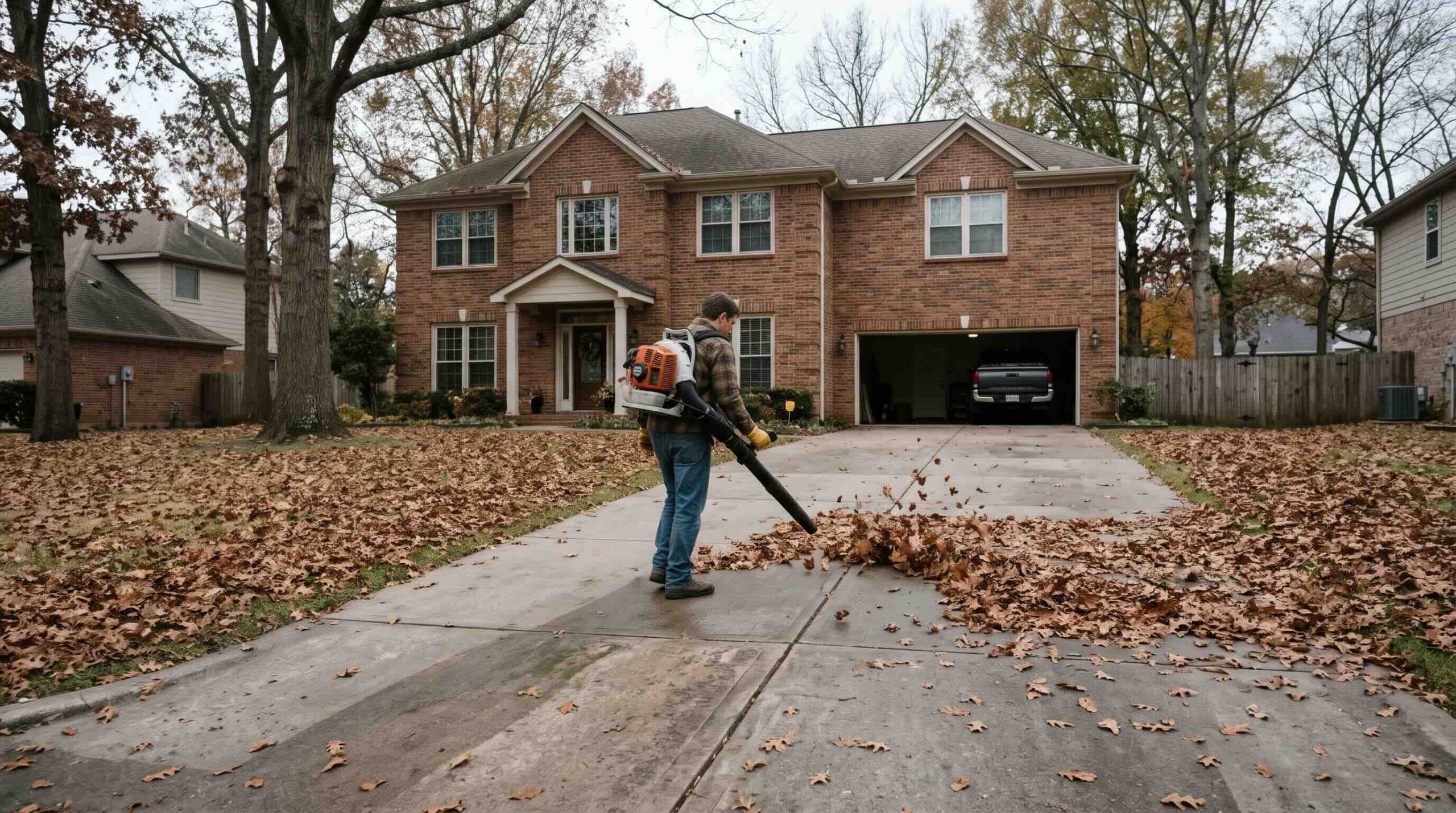
Fuel up once and clear the whole property.
When the oaks drop everything at once or the yard runs past an acre, a battery can quit before the job is done. A gas powered leaf blower keeps going as long as there’s fuel in the tank, and the best models move wet, matted leaves that lighter blowers leave behind. For most homeowners, the Husqvarna 350BT strikes the best balance of power, comfort, and price.
We narrowed the field to eight standouts, from a $220 handheld to pro-grade backpacks, and paired each with what owners say after real seasons of use.
Our Picks at a Glance
- Best Overall: Husqvarna 350BT Backpack Leaf Blower, $430
- Most Powerful: Echo PB-9010T Backpack Leaf Blower, $599
- Best Handheld: Echo PB-2620 Handheld Leaf Blower, $249
- Best Budget: Husqvarna 125B Handheld Leaf Blower, $220
- Best Value Backpack: Troy-Bilt TB51BP Backpack Leaf Blower, $314
- Best Mid-Range Backpack: Echo 40JW43 Gas Backpack Leaf Blower, $349
- Highest Air Speed: Husqvarna 150BT Backpack Leaf Blower, $386
- Best Pro-Grade: Stihl BR 700 Backpack Leaf Blower, $915
Amazon prices and ratings as of October 2026; they change often.
Best Overall: Husqvarna 350BT Backpack Leaf Blower
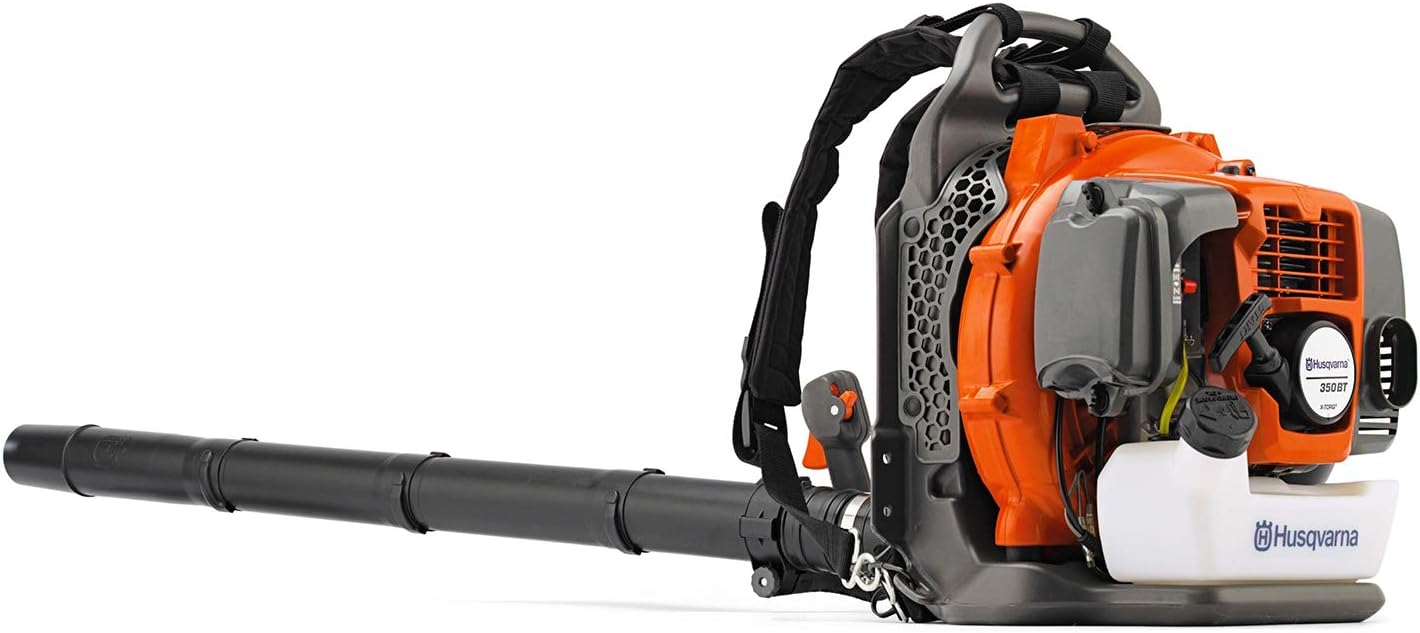
Why You Should Get It: It balances strong airflow, a comfortable harness, and a mid-range price, which makes it the easiest backpack to recommend.
Keep in Mind: At 22 lbs., it’s a real load to carry, and it costs more than entry-level backpacks.
The 350BT is made for homeowners whose yard work is measured in acres, not square feet. Strap it on, walk the property line pushing leaves toward the woods or onto a tarp, and finish the driveway and garden beds in the same session without stopping to recharge.
It’s the best fit for one- to several-acre lots, wooded properties, and anyone stepping up from a handheld who wants serious capacity without paying commercial-grade prices.
What Buyers Are Saying
“We have a 2 acres lot with many trees surrounding our property. … So far this is the one of our best tools ever buying, powerful, and after 8 years never lost steps.” (amy chappuis, 5 stars, verified purchase)
“As a fit senior female, I was able to use it for three hours without difficulty. It is powerful enough to clear leaves on a one-acre property.” (Carmen, 5 stars, verified purchase)
“Would prefer a separate kill switch. It is integrated with the ‘cruise control’, so I’ve accidently turned it off a few times when I was just meaning to throttle down.” (Amazon Customer, 4 stars, verified purchase)
Product Details: Engine: Gas, 2-cycle | Type: Backpack | Weight: 22 lbs. | Max Speed: 180 mph | CFM: 692 | Amazon Rating: 4.6/5
Gas Blower Terms Worth Knowing CC (cubic centimeters): Engine size. Bigger engines generally produce more airflow but burn more fuel and weigh more. 2-cycle engine: An engine that runs on gasoline mixed with oil, usually at a 50:1 ratio. Straight gas will damage it. CFM: How much air the blower moves each minute. Think of it as the width of the push. MPH: How fast that air travels. Think of it as the force that pries debris loose. Cruise control: A throttle lock that holds the engine at your chosen speed so you don’t have to keep squeezing.
Most Powerful: Echo PB-9010T Backpack Leaf Blower
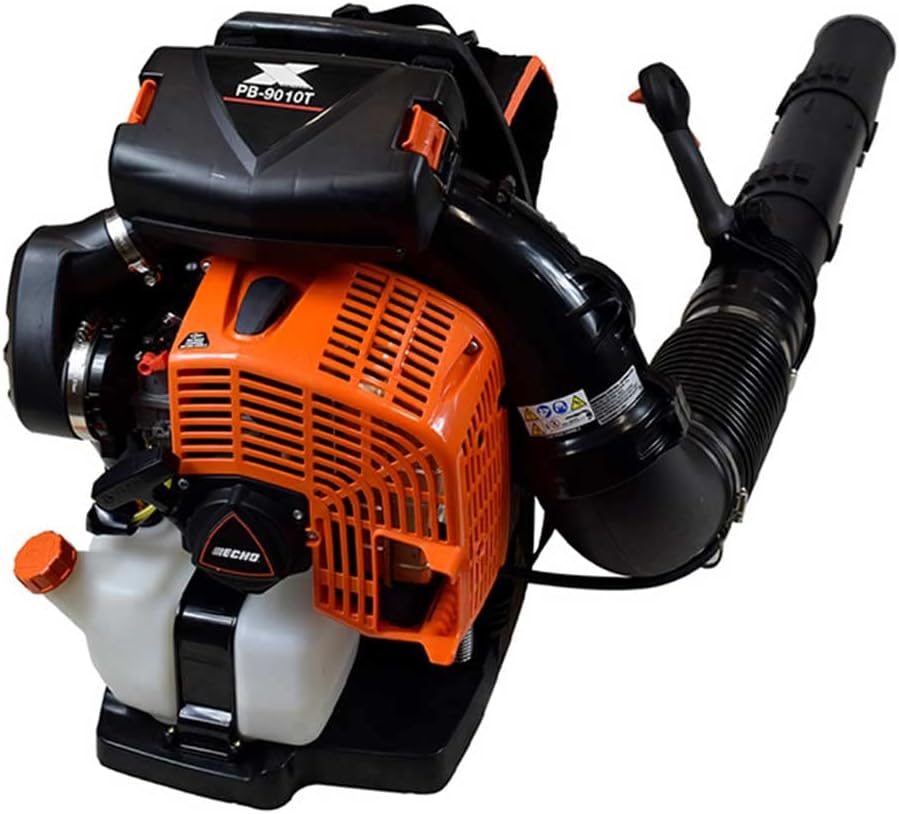
Why You Should Get It: With 220 mph of air speed, it’s built to clear big properties faster than anything else on our list.
Keep in Mind: At a listed 30.2 lbs., it’s the heaviest pick here, and only the Stihl costs more.
This is the machine for the heaviest fall cleanup: dozens of mature oaks, a long tree-lined drive, or a soggy lawn after a rainy week. It’s designed to finish in one big session what would take a handheld far longer.
It’s built for large rural properties, small landscaping side businesses, and homeowners who simply want the most power they can carry. For a typical suburban lot, it’s more blower than you need.
What Buyers Are Saying
“I have 14 large oak trees that dump a ton of leaves in the fall. I get the whole yard done, after they all fall, in about 2 hours.” (David Mabe, 5 stars, verified purchase)
“Note that it is loud, so be prepared. … It’s also heavy, and moves so much air that it pushes against you as you walk forward.” (Eric Petrosky, 5 stars, verified purchase)
“It’s rather difficult to put the hose together but if you manage to lock it into one of those channels on the inside of the tube, the hose will never be blown off by the blower.” (Luke Whitbeck, 4 stars, verified purchase)
Product Details: Engine: Gas, 2-cycle | Type: Backpack | Listed Weight: 30.2 lbs. | Max Speed: 220 mph | Amazon Rating: 4.7/5
Best Handheld: Echo PB-2620 Handheld Leaf Blower
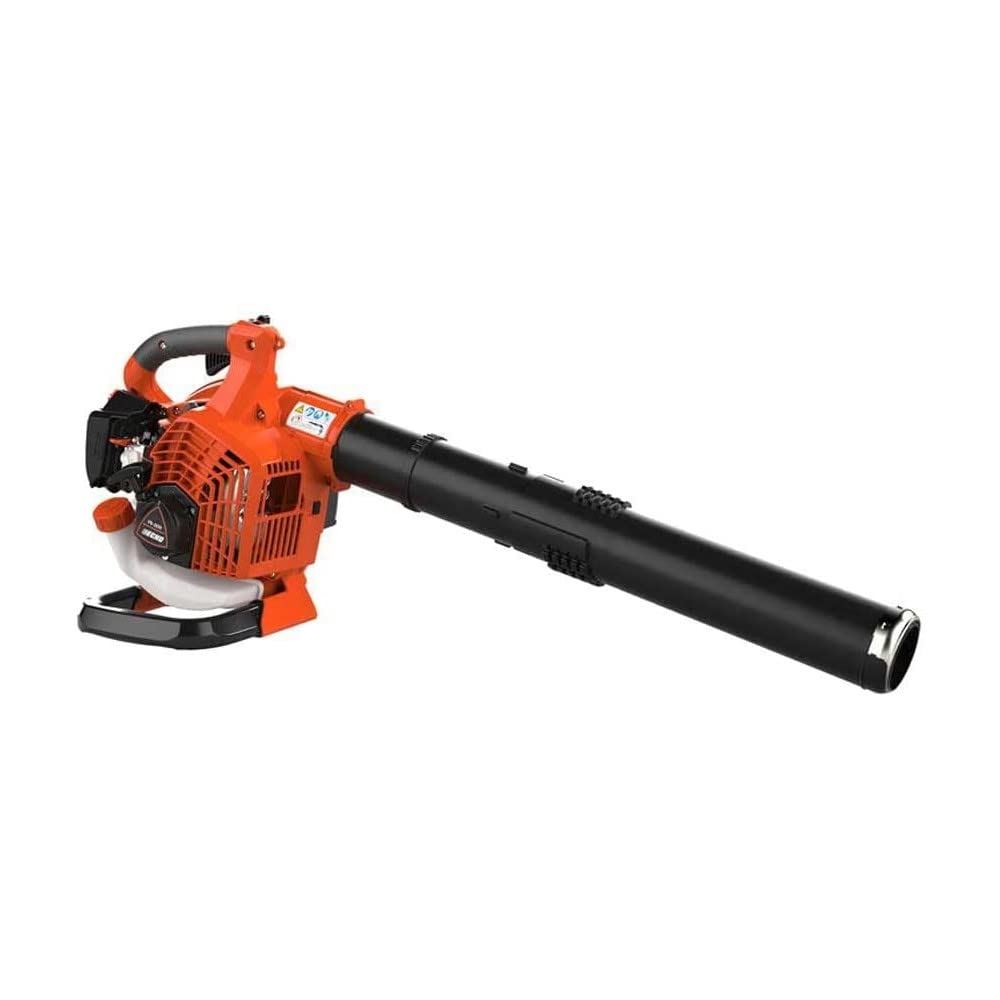
Why You Should Get It: It’s a pro-grade handheld that’s light enough for quick jobs yet strong enough for regular yard cleanup.
Keep in Mind: As a handheld, it can’t match the airflow of the backpack models on large properties.
The PB-2620 suits homeowners who want gas reliability without strapping on a backpack. Grab it to clear walkways, chase leaves out of planting beds, or blow off the deck after mowing, then hang it back up in the garage in seconds.
It’s best for small to medium yards and works well as a second blower for people who already own a backpack unit for the big seasonal jobs.
What Buyers Are Saying
“Cleans up the patio from pine needles, pine cones, leaves, grass clippings and light debris. … If you have acreage with a few trees, you may need something a bit more powerful.” (BartonCross, 5 stars, verified purchase)
“Have had it for several years and recommend it highly. Easy to start and easy on the fuel.” (Barbara G. Womack, 5 stars, verified purchase)
“The Echo takes awhile to warm up to full power. I would buy again, because it is easy to start.” (Sirius, 4 stars, verified purchase)
Product Details: Engine: Gas, 25.4cc 2-cycle | Type: Handheld | CFM: 456 | Noise Level: 69 dB | Amazon Rating: 4.5/5
Best Budget: Husqvarna 125B Handheld Leaf Blower
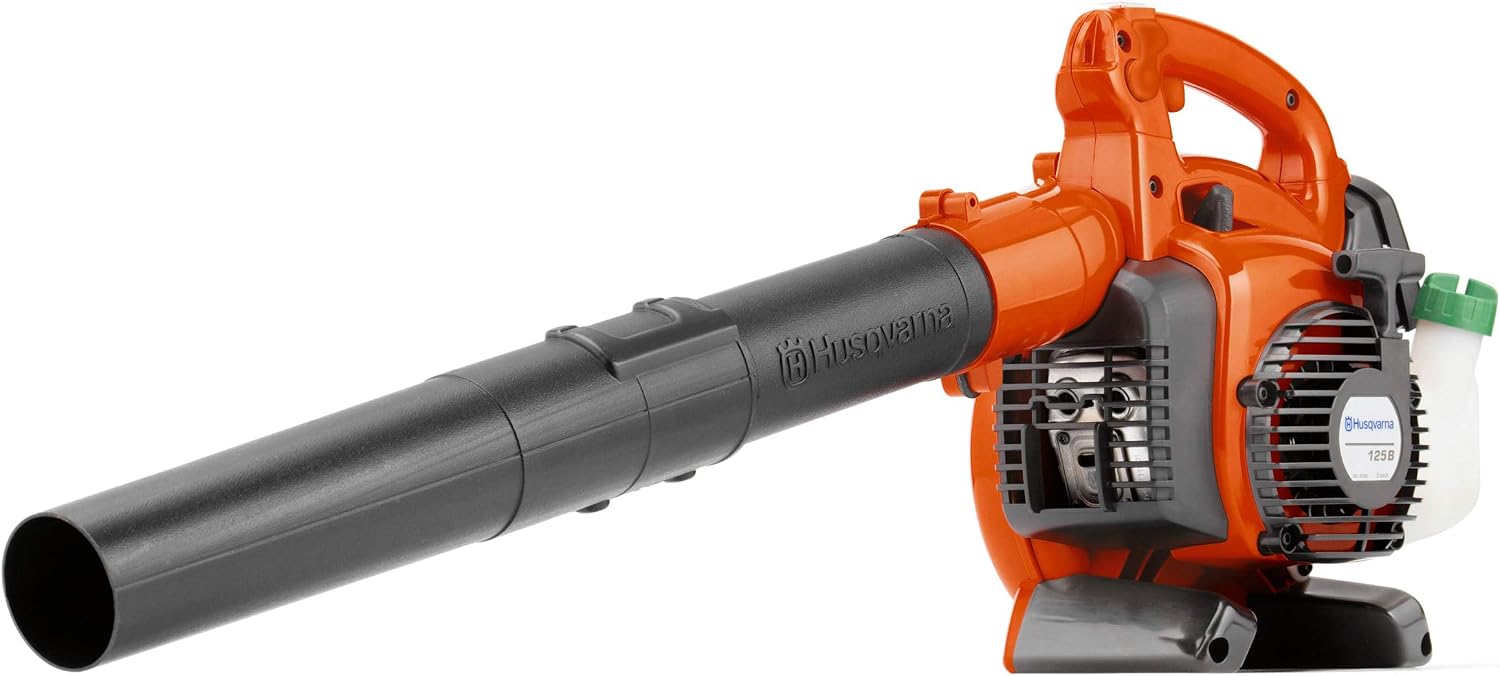
Why You Should Get It: It’s the most affordable way into gas power, and its compact handheld design makes it easy to grab for everyday cleanups.
Keep in Mind: Its listed 94 dB is the loudest on our list, so hearing protection is a must.
Think of the 125B as an entry ticket to gas power. It’s sized for the jobs most homeowners face every week: sidewalks after mowing, leaves scattered across the front lawn, and debris along the curb and garage apron.
It’s a smart first gas blower for small to medium lots and a budget-friendly backup for anyone who already owns a backpack model. If you’re new to two-stroke engines, expect a short learning curve with fuel mixing and starting.
Want this same compact gas blower with a vacuum kit in the box? The Husqvarna 125BVx is one of our top leaf vacuum picks.
What Buyers Are Saying
“So much easier to pull start than my 2yr old craftsman blower.” (Ian Quinn, 5 stars, verified purchase)
“Out of the box and in 5 minutes together and running great. Nice power, not too heavy and easy to start.” (Thomas Tanner jr, 5 stars, verified purchase)
“No more hassles of a corded blower or battery operated both of which do not come close to the power of Husqvarna.” (Nick, 5 stars, verified purchase)
Product Details: Engine: Gas, 2-cycle | Type: Handheld | Weight: 9.4 lbs. | Max Speed: 170 mph | CFM: 470 | Noise Level: 94 dB | Amazon Rating: 4.3/5
Best Value Backpack: Troy-Bilt TB51BP Backpack Leaf Blower
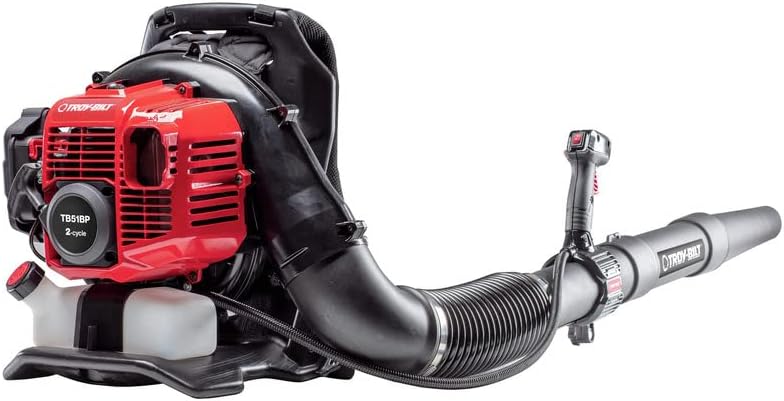
Why You Should Get It: It delivers 600 CFM and 220 mph for about $300, a lot of backpack power for the money.
Keep in Mind: At a listed 26 lbs., it’s heavier than the Husqvarna 350BT and Echo 40JW43.
The TB51BP is aimed at homeowners making their first move to a backpack blower. It handles the big seasonal jobs, like clearing a large lawn of fall leaves or pushing debris off a long driveway, while the backpack design takes strain off your arms and wrists.
It’s a practical choice for large suburban lots and budget-minded buyers who want backpack capacity without paying for a premium brand.
What Buyers Are Saying
“This is a perfect for me and my bad back. Raking can lay me out for days.” (Capt Chaos, 5 stars, verified purchase)
“Gas tank size smaller than I liked. Good power. Decent comfort. Ran it for 4 hours on 1 gallon of gas worth.” (jason snow, 4 stars, verified purchase)
“I contacted seller for a return, but I’m being told due to shipping regulations I can’t return it because I put gas into it.” (Zarmak, 1 star, verified purchase)
Product Details: Engine: Gas | Type: Backpack | Listed Weight: 26 lbs. | Max Speed: 220 mph | CFM: 600 | Amazon Rating: 4.2/5
Best Mid-Range Backpack: Echo 40JW43 Gas Backpack Leaf Blower
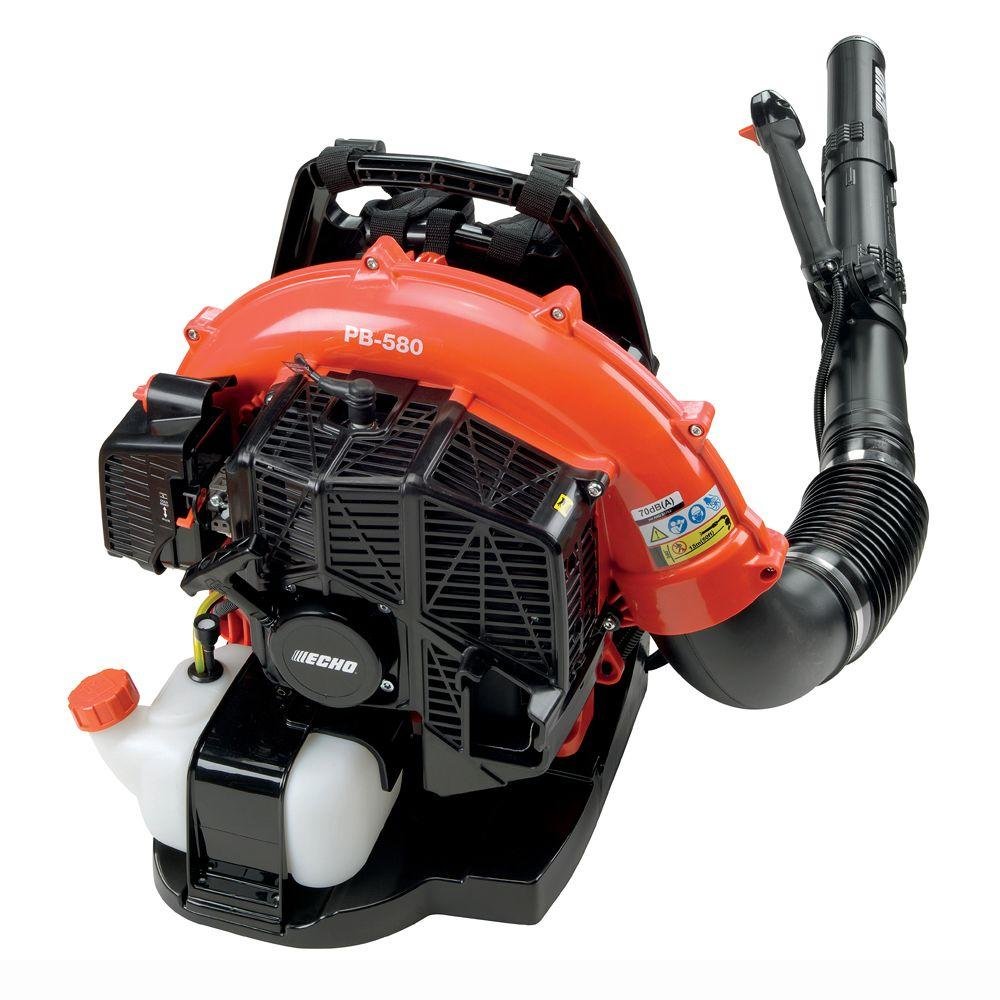
Why You Should Get It: It gives you Echo backpack build quality and 215 mph of air speed for well under $400.
Keep in Mind: Its 510 CFM is lower than the Troy-Bilt and Husqvarna backpacks on this list.
This backpack blower fits the homeowner with a big yard and lots of trees who wants to finish in one session instead of three. Ease off near flower beds and mulch, then open it up across the lawn and driveway.
It’s a good match for half-acre to multi-acre properties and for buyers who want a well-known name at a mid-range price. It’s a clear step up from a handheld without the bulk of Echo’s flagship PB-9010T.
What Buyers Are Saying
“My previous blower experienced a problem with the spark plug connector after 20 years. So, I decided to get a new one.” (Paul, 5 stars, verified purchase)
“This Echo backpack is a beast and does the job in less than half the time. It is a little heavier than expected but comfortable enough to wear for a couple of hours.” (Christopher Mayer, 5 stars, verified purchase)
“It’s a little heavy and I have to keep ‘hitching’ it up for greater comfort.” (Painter33, 4 stars, verified purchase)
Product Details: Engine: Gas | Type: Backpack | Listed Weight: 22.7 lbs. | Max Speed: 215 mph | CFM: 510 | Noise Level: 70 dB | Amazon Rating: 4.6/5
Highest Air Speed: Husqvarna 150BT Backpack Leaf Blower
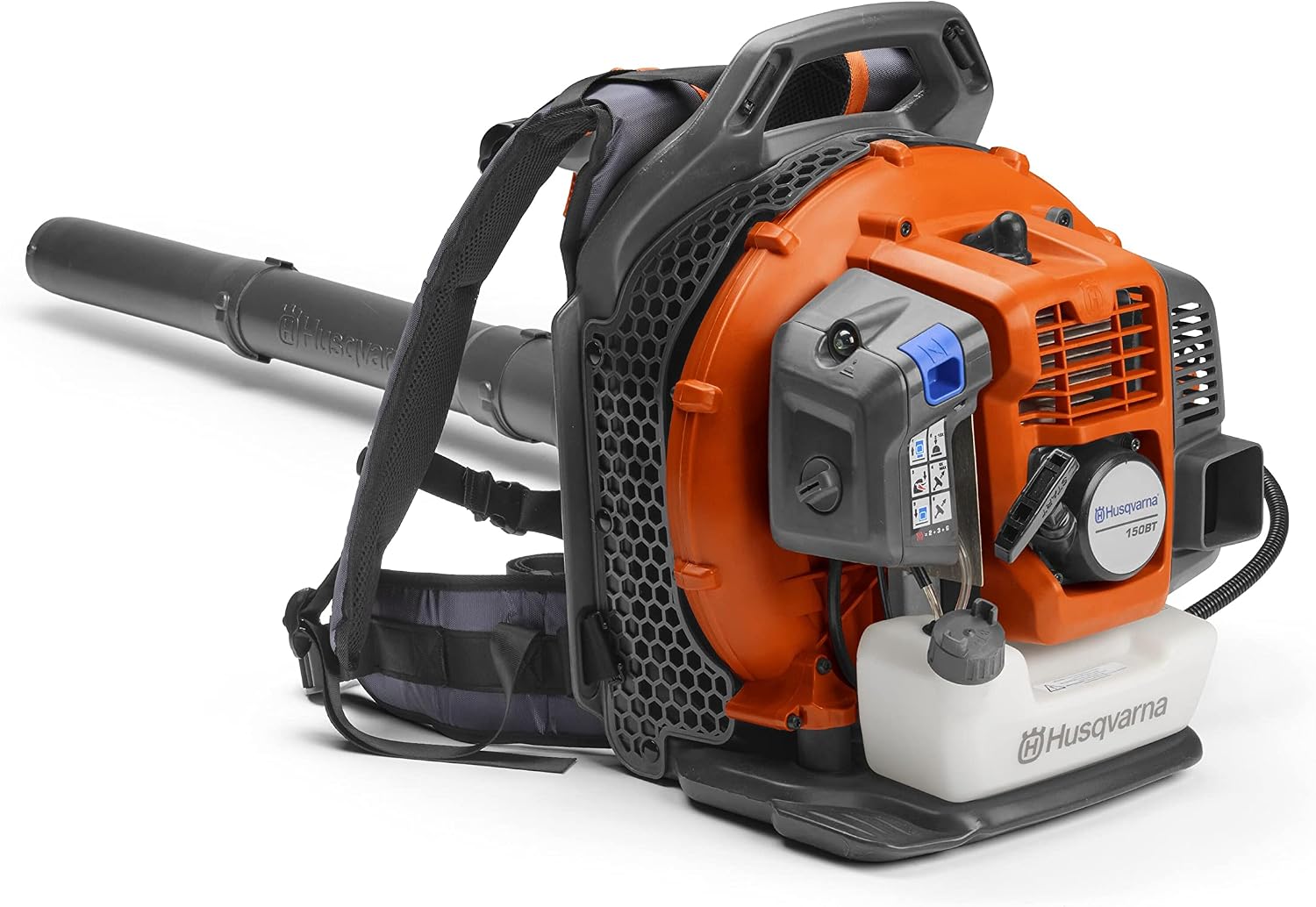
Why You Should Get It: Its 270 mph air speed is the highest on our list, ideal for prying stubborn debris out of turf.
Keep in Mind: Its 4.0 Amazon rating is the lowest here, and owner experiences vary more than with other picks.
The 150BT shines on properties where debris sticks: pine needles woven into grass, cones scattered under evergreens, and leaves plastered down after rain. High air speed lifts that material instead of just rolling it along.
It’s best for wooded and evergreen-heavy lots, and for owners who already trust Husqvarna’s chainsaws and trimmers.
What Buyers Are Saying
“Plenty powerful for a homeowner, lightweight and easy to start. It’s perfect for me.” (Connor, 5 stars, verified purchase)
“Only thing I can find that might be improved is the gas tank size. Running it on high for a couple hours will burn through a tank of gas.” (Razzoo, 5 stars, verified purchase)
“This is easily the most difficult to start and even more difficult to remain running tool I have in my portfolio.” (Sleestak13, 1 star, verified purchase)
Product Details: Engine: Gas, 51cc | Type: Backpack | Listed Weight: 22 lbs. | Max Speed: 270 mph | CFM: 765 | Amazon Rating: 4.0/5
Best Pro-Grade: Stihl BR 700 Backpack Leaf Blower
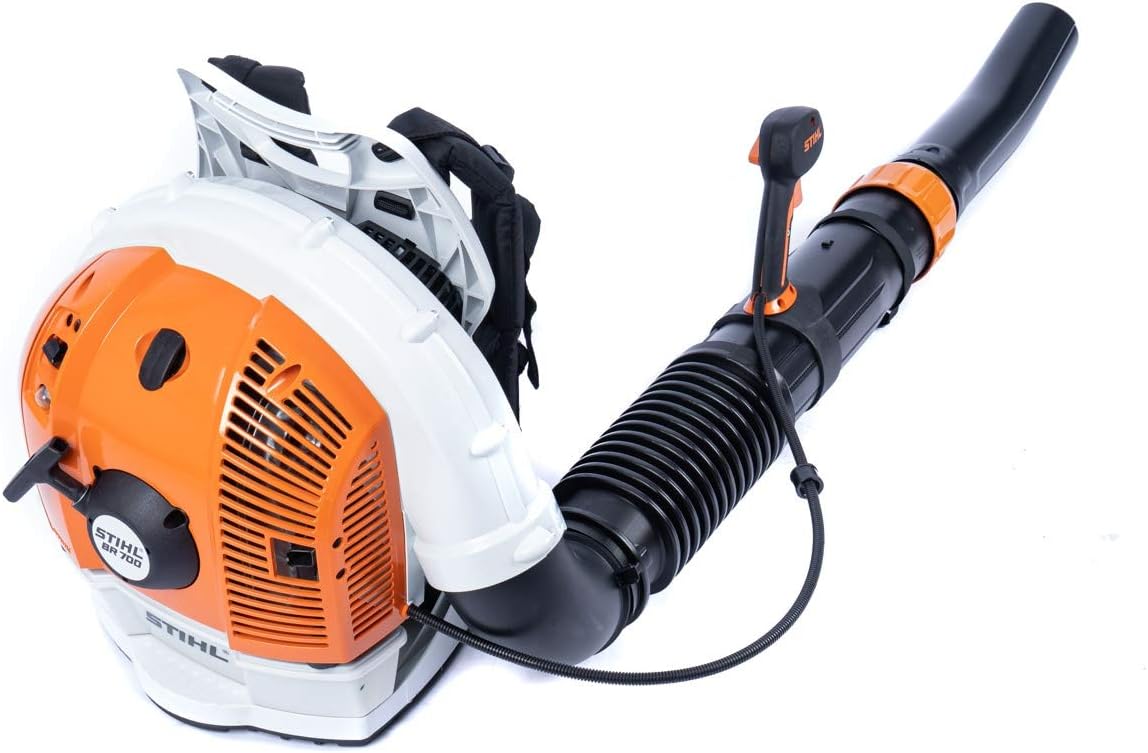
Why You Should Get It: It’s a commercial-grade backpack from one of the most trusted names in outdoor power equipment.
Keep in Mind: It’s by far the most expensive pick here, and the listing gives few performance specs.
The BR 700 is made for people who run a blower for hours at a time: large estates, farms, church or HOA grounds, and small landscaping crews. It’s a tool you buy once and expect to maintain for many seasons.
For most homeowners, it’s more machine and more money than necessary. Stihl equipment is traditionally sold through local dealers, so it’s worth comparing a dealer’s price before buying online.
What Buyers Are Saying
“This is an excellent blower, a ‘5’. But why would I spend $1,538, when I can get it for $629.00.” (Eric Tindle, 1 star)
“The blower hose ripped a little hole in it within the first couple of times of me using it.” (Justin Bathurst, 3 stars, verified purchase)
“Very pleased with my purchase.” (Oscar, 5 stars, verified purchase)
Product Details: Engine: Gas | Type: Backpack | Listed Weight: 23.8 lbs. | Noise Level: 71 dB | Amazon Rating: 4.2/5
Which Gas Blower Should You Buy?
Start with the size of your property. On a typical suburban lot, the Husqvarna 125B or Echo PB-2620 handheld gives you gas power without the bulk of a backpack. Once you’re past half an acre or dealing with dozens of trees, a backpack saves real time, and the Husqvarna 350BT is the one we’d buy first. If maximum force matters more than weight or budget, the Echo PB-9010T is the most powerful gas powered leaf blower on our list. Still weighing gas against battery and corded models? Our overall best leaf blowers guide covers all three.
Where Our Recommendations Come From
We didn’t run these blowers ourselves. Our picks come from comparing listing specs and prices across popular gas models on Amazon, then reading through owner reviews to see how each machine holds up after its first season. Long-term owners, low-star reviews, and recurring problems like hard starting or seller disputes carried extra weight in our final choices. Quoted reviews were trimmed for length where needed, and prices and ratings are current as of October 2026.
Buying a Gas Powered Leaf Blower: What Matters
Handheld or Backpack?
Handheld gas blowers are lighter, cheaper, and quicker to grab, which makes them ideal for driveways, patios, and small to medium yards. A leaf blower backpack moves the engine onto your shoulders, so you can run a bigger motor for longer without wearing out your arms. If your property is half an acre or more, or a typical session runs past 30 minutes, a backpack is usually the better investment.
Power That Fits Your Property
Airflow (CFM) sets how much material you move at once, while air speed (mph) decides how well you can lift debris that’s stuck down. For a suburban yard, the 450 to 500 CFM of handhelds like the Echo PB-2620 and Husqvarna 125B is plenty. Wooded lots and multi-acre properties benefit from 600 CFM and up, which is where backpacks like the Troy-Bilt TB51BP and Husqvarna 150BT come in.
Fuel and Starting
Most blowers here use two-stroke engines that run on gasoline mixed with oil at the ratio printed in the manual. Pre-mixed, ethanol-free fuel costs more but cuts down on carburetor trouble, especially for a tool that sits for weeks between uses. Follow the manual’s primer and choke sequence, and a well-made blower should fire within a few pulls.
Comfort and Noise
Backpack weights on this list run from about 22 to 30 lbs., so padded straps, a hip or chest belt, and a throttle that falls naturally under your hand all matter. Gas blowers are loud by nature, so plan on hearing protection, and check local rules: some towns limit the hours you can run them or ban gas models outright.
Frequently Asked Questions
Is a gas powered leaf blower better than a battery one?
It depends on the job. Gas wins on runtime and sustained power for large, heavily wooded properties, since you can refuel in seconds and keep working. Battery models are quieter, lighter, and lower maintenance, and they’re usually the better choice for a typical suburban lot. If a quieter, low-maintenance option sounds better, see our guide to the best cordless leaf blowers.
Is a leaf blower backpack worth it for a homeowner?
If you have more than about half an acre, lots of trees, or long cleanup sessions, yes. Carrying the engine on your back spreads the weight, allows a bigger engine, and spares your arms. For small yards, a handheld is easier to store and faster to grab.
What fuel does a gas leaf blower use?
Most use regular unleaded gasoline mixed with two-stroke oil at the ratio listed in the manual, commonly 50:1. Never run straight gas in a two-stroke engine. Pre-mixed, ethanol-free fuel is a popular option for easier starts and fewer carburetor issues.
Why won’t my gas leaf blower start?
The usual culprits are stale fuel, a clogged carburetor, a fouled spark plug, or skipping the primer and choke steps. Fresh fuel and the manual’s starting sequence solve most problems; if not, a carburetor cleaning or adjustment usually does.
Are gas leaf blowers banned anywhere?
Yes. California stopped the sale of most new gas-powered small off-road engines, including leaf blowers, starting in 2024, and a number of U.S. cities restrict or ban their use. Check your local rules before you buy.