

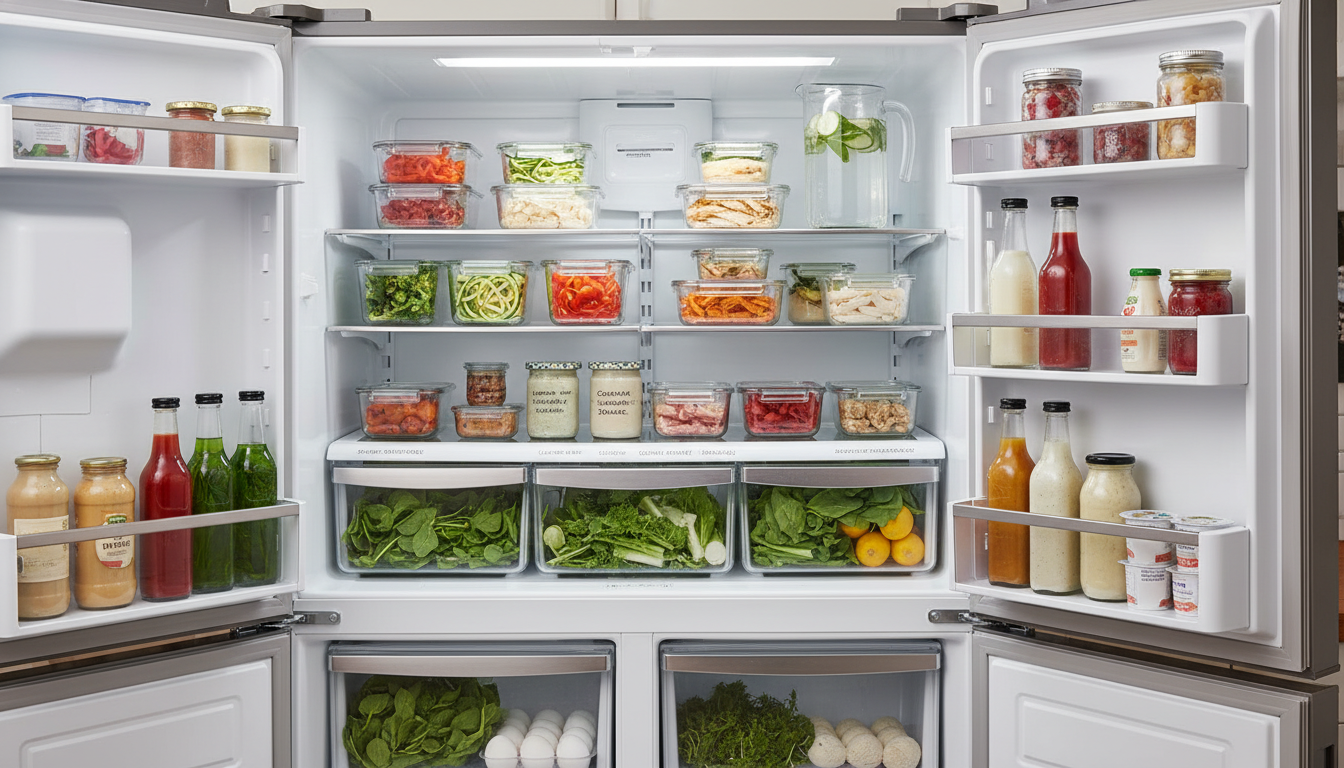
A well-organized fridge can make meal prep a breeze, reduce food waste, and save you time throughout the week. If you find yourself wasting precious minutes searching for ingredients or struggling to fit everything into your refrigerator, it’s time to implement some effective fridge organization strategies. In this article, we’ll explore practical tips on how to organize your fridge for meal prep, maximize space, and make cooking faster and more efficient.
1. Start with a Clean Slate: Empty, Clean, and Prepare
The first step to an organized fridge is to declutter and clean the space thoroughly. A clean fridge provides a blank canvas to begin the organization process. It’s a simple but crucial step to ensure your fridge runs efficiently and prevents unwanted odors or food contamination.
Begin by emptying the fridge completely. This gives you a chance to assess what’s inside and get rid of expired items or anything you no longer need. Pay attention to the shelves and drawers, wiping them down with a mixture of warm water and soap or a vinegar solution. This not only helps with cleanliness but also ensures your fridge is free from any residues or spills that could cause odors or cross-contamination.
Once your fridge is empty and clean, check the temperature settings. The optimal temperature for your fridge should be between 37°F and 40°F to keep your food fresh. Setting the fridge correctly will help maintain the quality of your ingredients and prevent spoilage.
2. Categorize and Group Your Foods
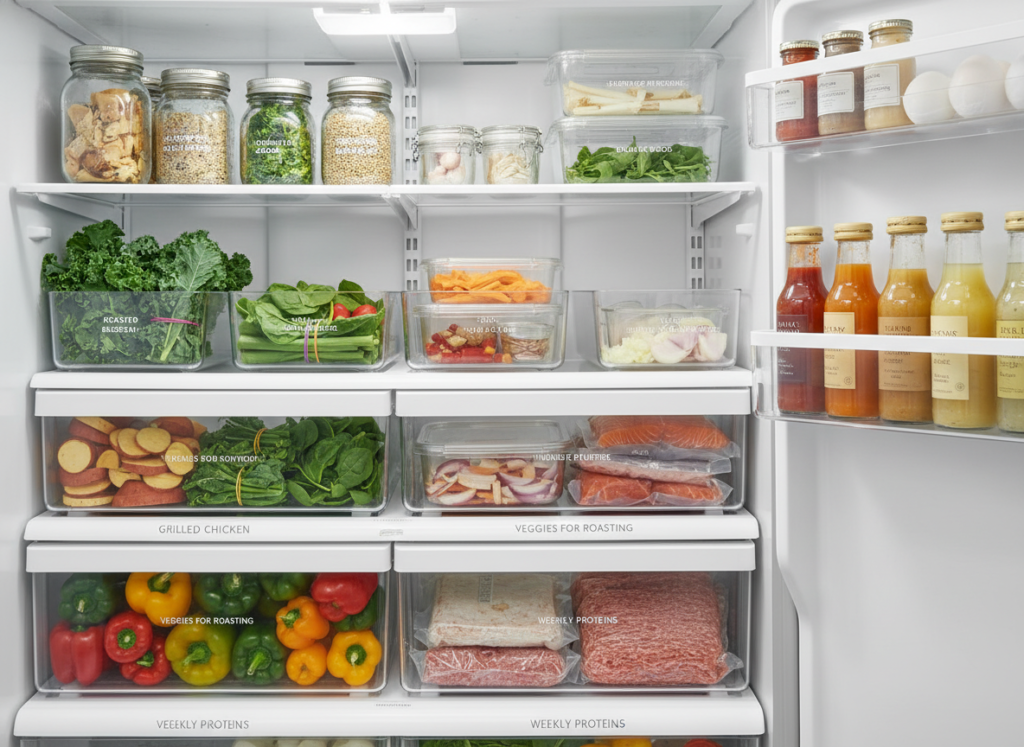
Organizing your fridge by food categories will make it easier to find ingredients quickly, saving you time when preparing meals. Grouping foods together helps prevent overbuying, reduces food waste, and ensures you use items in the right order.
Key Food Categories to Consider
- Fresh produce: Store fruits and vegetables in separate drawers, keeping delicate items like berries at the top for easy access.
- Dairy: Place dairy items like milk, cheese, and yogurt on higher shelves, where the temperature is more consistent.
- Meats and proteins: Keep raw meats on the bottom shelf to avoid cross-contamination. If you store prepped proteins for meal prep, use airtight containers to avoid leaks.
- Condiments and sauces: Designate a section in the door for items like ketchup, mustard, and salad dressings to keep them within easy reach.
3. Use Storage Containers to Maximize Space
In order to optimize fridge space, consider using storage containers. The right containers can help maximize vertical space, stack food items, and keep everything neatly organized.
Glass containers are a great choice for storing leftovers or prepped meals, as they are stackable, easy to label, and allow you to see the contents clearly. Stackable bins work well for grouping items, such as snacks or pre-cut vegetables, so they don’t get lost at the back of the fridge. Additionally, using airtight containers for storing food can help prolong freshness and prevent spills.
4. Keep Meal Prep Ingredients Visible and Accessible
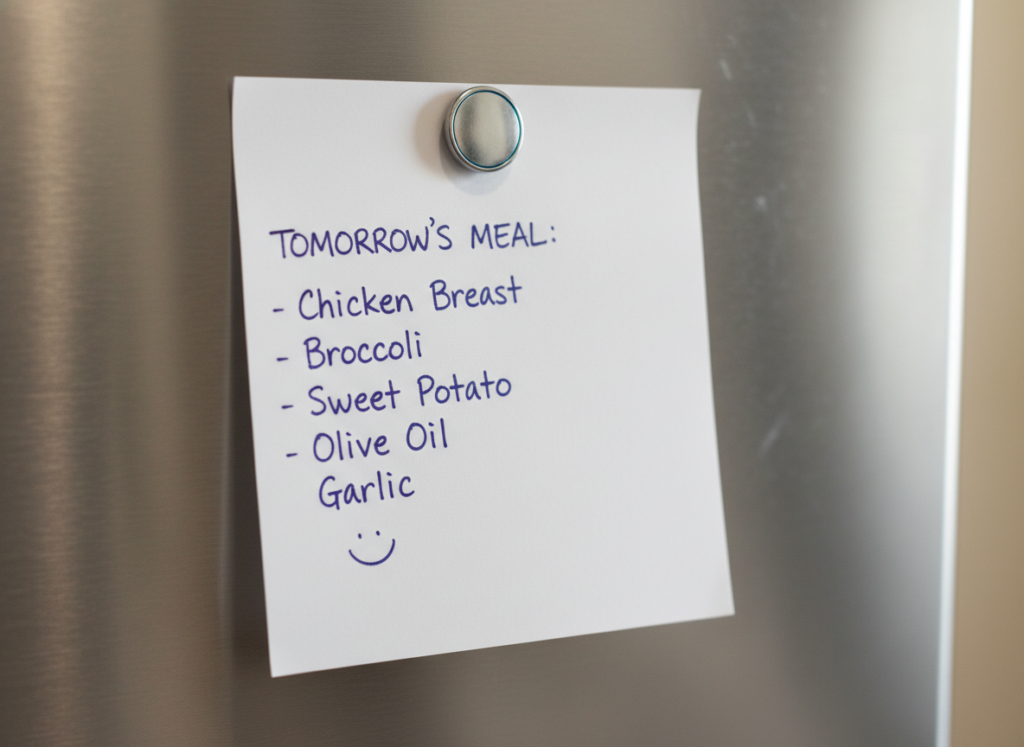
- Place prepared ingredients in clear, labeled containers so you can quickly grab what you need when cooking.
- Consider meal-prep containers that are pre-portioned for individual meals, making it easier to pull out the ingredients for a meal on busy days.
- Use clear storage bins to organize vegetables, fruits, or snacks, so they’re visible and easy to find.
This approach helps streamline the meal prep process, as it reduces time spent looking for ingredients, making cooking more efficient.
5. Use the Inside of the Fridge Door Smartly
The fridge door is one of the least temperature-stable areas of the fridge, but it’s still useful for storing items you access frequently. Instead of storing delicate foods here, reserve the door for condiments, sauces, or drinks.
Consider creating a specific section for beverages or keeping your weekly meal essentials in the door for quick access, like salad dressings, butter, or jarred fruits. This keeps the main fridge area organized for fresh foods and helps you avoid overloading the shelves.
6. Label Everything for Easy Access
Labeling is an essential part of maintaining an organized fridge. Without labels, it’s easy to forget what’s inside your containers or when they were prepared, which can lead to forgotten or expired food. Label each container with the contents and date of preparation. This will help you prioritize what to use first and reduce the chances of letting food go to waste.
Labeling your prepped ingredients and leftovers ensures you don’t end up searching through your fridge, saving time and making meal prep faster. You can also use labels to track the expiration dates of fresh produce or pre-packaged goods, which helps maintain freshness and avoid spoilage.
7. Maximize Vertical Space with Adjustable Shelves
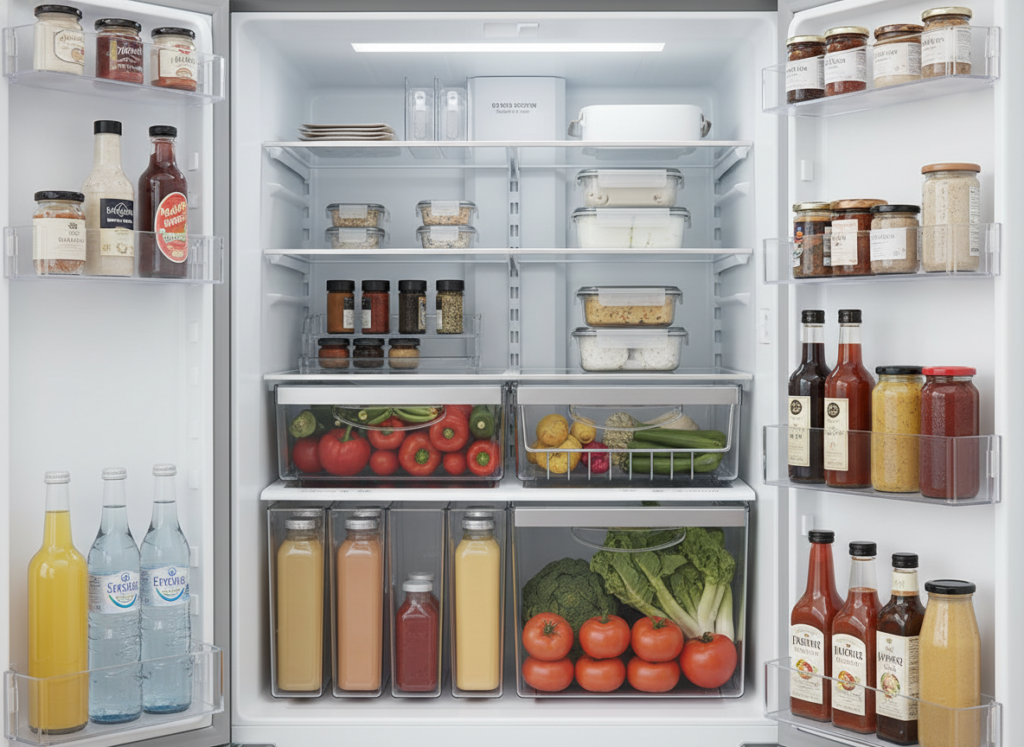
When it comes to small fridge spaces, vertical storage is key.
The height of your fridge is often underutilized, and adding extra shelves or adjusting the existing ones can make a big difference. For example, consider installing adjustable shelving or stackable containers. By stacking containers, you can make use of both vertical and horizontal space without overcrowding the fridge.
You can also add shelving inserts for storing smaller items like jars, containers, or condiments.
If your fridge has high shelves, use clear bins to store similar items together. For instance, put all your prepped meals in one bin and store your snacks in another. This way, everything has a dedicated space, and you can easily find what you need without digging through the fridge.
8. Separate Cooked Meals from Raw Ingredients
When organizing your fridge for meal prep, it’s important to separate raw ingredients from cooked meals. Store raw proteins, such as meat and poultry, on the bottom shelf to prevent cross-contamination. For prepared meals or ingredients like cooked grains or vegetables, place them on higher shelves or in clear containers.
This practice helps to prevent the spread of bacteria and ensures that prepared meals are readily accessible when you’re ready to eat them.
9. Store Leftovers in Pre-Organized Containers
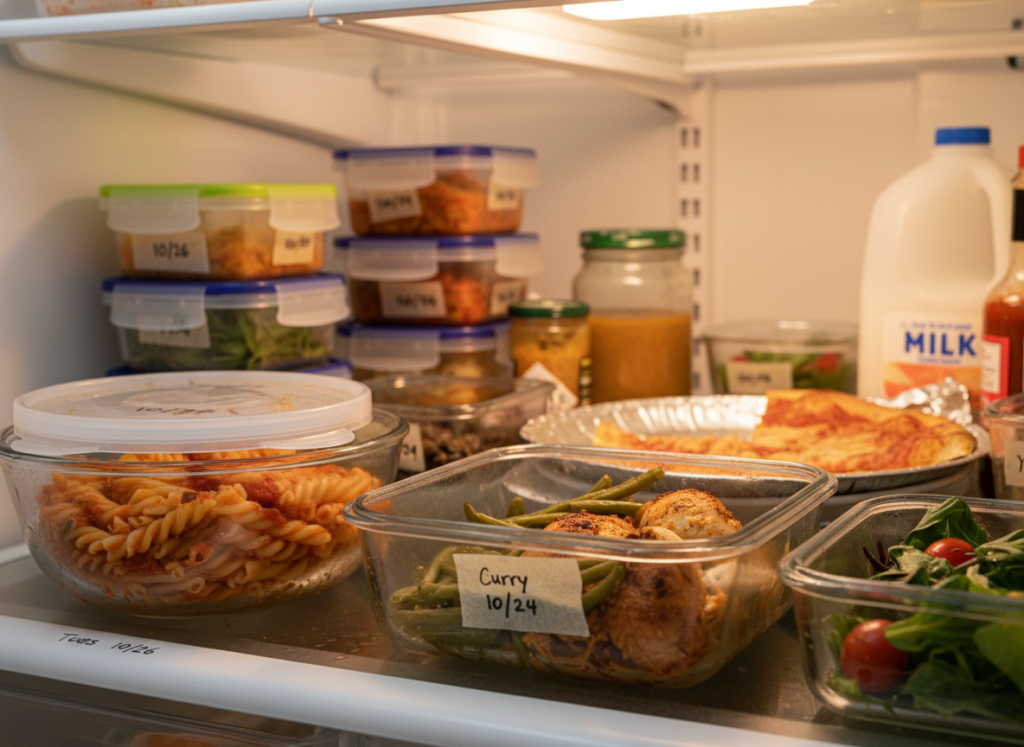
Storing leftovers in pre-organized containers is a great way to maintain an efficient meal prep system. Use stackable meal prep containers to store small portions of meals for the upcoming days. Keep leftovers front and center in your fridge so you can grab them easily instead of preparing new meals each day. Label and date leftovers to make sure you use them before they expire.
10. Regularly Clean and Maintain Your Fridge
A clean fridge not only looks better but also works more efficiently. Regularly wipe down shelves, drawers, and storage containers to remove spills and food residue that can cause odors. You can clean your fridge using a simple solution of dish soap and baking soda to get rid of grease and grime.
Maintaining your fridge’s cleanliness will help keep everything fresh and organized. Set a reminder to clean your fridge every 1–2 weeks, especially if you’ve been meal prepping or storing a lot of perishable items.
Conclusion: Create an Organized Fridge for Effortless Meal Prep
Organizing your fridge for meal prep can transform your cooking experience by saving you time, reducing food waste, and ensuring your ingredients are easy to access. With these practical tips, you can maximize space, create designated zones, and keep your fridge organized for efficient meal planning.
By decluttering, using storage containers, labeling items, and establishing a meal prep system, you’ll reduce stress in the kitchen and make cooking easier and more enjoyable. With a little effort, your fridge can become an organized and functional space that supports your meal prep routine, helping you eat healthier and waste less food.
Related Articles
How to Remove Odors From Fridge: 7 Instant Hacks for Stubborn Smells (2026)