

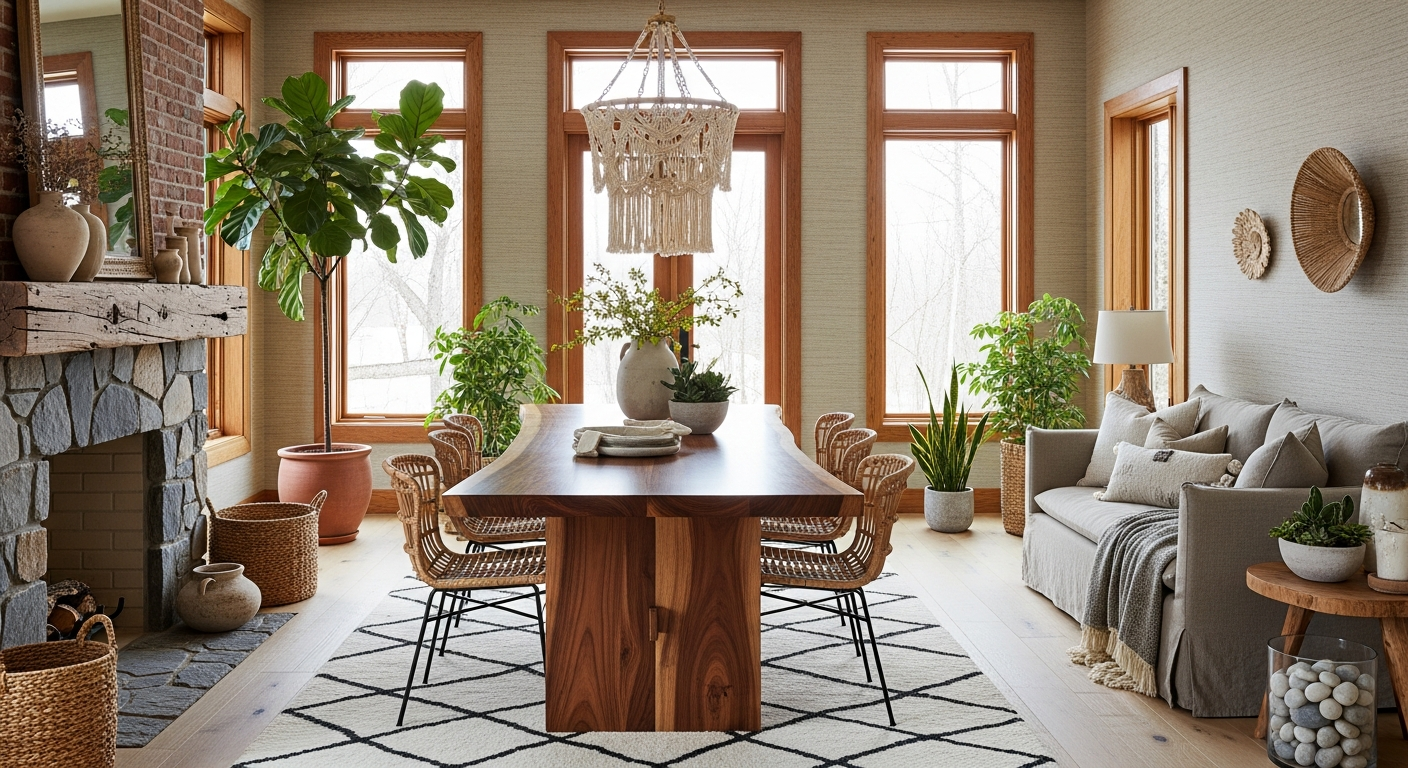
As sustainability becomes a priority for homeowners across the world, interior design is shifting toward materials that support healthier living and long term environmental responsibility. Natural materials are increasingly valued not only for their aesthetics but also for their ability to reduce environmental impact, improve indoor air quality, and create spaces that feel grounded and enduring. For many households seeking both style and sustainability, integrating natural materials into interior design has become a practical and meaningful choice.
Introduction: Understanding Natural Materials in Interior Design
Natural materials in interior design refer to resources that originate directly from nature with minimal chemical processing. Common examples include wood, stone, bamboo, cork, clay, wool, cotton, and linen. These materials have been used in architecture for centuries, but modern sustainable design has reframed their value through the lens of environmental impact, health, and responsible sourcing.
In the context of modern homes, natural materials resonate strongly with homeowners who prioritize wellness, durability, and timeless design. They’re often associated with warmth, authenticity, and a sense of connection to the natural world, qualities that are especially appealing in residential spaces meant for long term living.
Overview of Natural Materials for Sustainable Interiors
Natural materials play a critical role in sustainable interiors because they often require less energy to produce and generate fewer emissions compared to synthetic alternatives. When responsibly sourced, they’re renewable, biodegradable, and contribute to lower life cycle environmental costs.
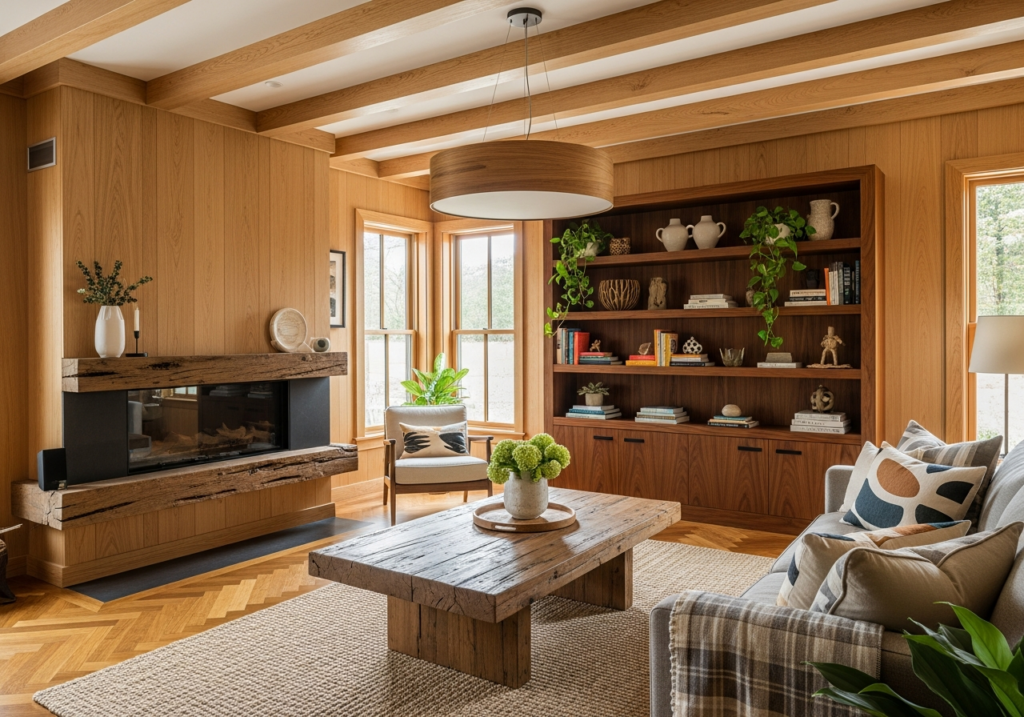
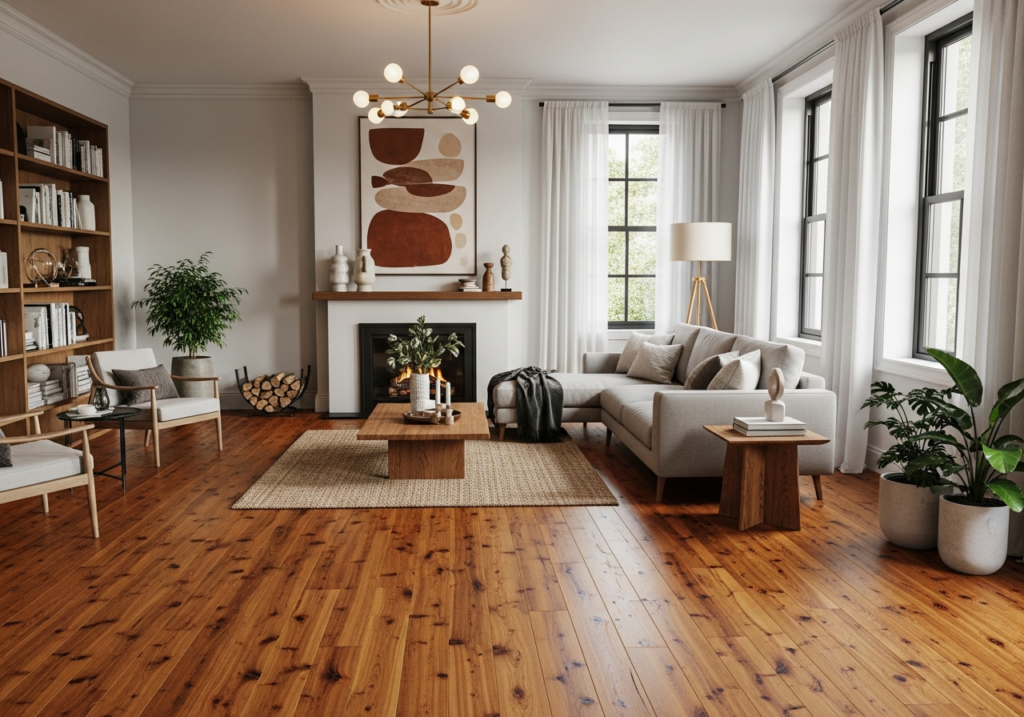
Wood remains one of the most popular natural materials in interior design. Hardwoods like oak, maple, and walnut are commonly used for flooring, cabinetry, and furniture. When certified by organizations such as the Forest Stewardship Council, wood products help ensure responsible forest management.
Stone, including granite, marble, slate, and limestone, offers durability and longevity. Its natural thermal mass can help regulate indoor temperatures, which is beneficial for energy efficiency in many US climates.
Bamboo and cork are gaining popularity due to their rapid renewability. Bamboo matures far faster than traditional hardwoods, while cork harvesting doesn’t require tree removal, making both materials attractive options for eco-conscious homeowners.
Natural textiles such as wool, organic cotton, and linen are frequently used for upholstery, rugs, and window treatments. These materials are breathable, biodegradable, and typically free from the harmful chemicals found in many synthetic fabrics.
Comparison: Natural Materials Vs. Traditional Materials
When comparing natural materials to traditional synthetic options, several key differences emerge in terms of environmental impact, durability, and health considerations.
Synthetic materials like vinyl flooring, laminate surfaces, and polyester textiles are often derived from petroleum based sources. While they can be cost effective and visually consistent, they’re associated with higher carbon emissions during manufacturing and may release volatile organic compounds into indoor air.
Natural materials generally age more gracefully. Solid wood floors can be refinished multiple times, stone surfaces can last for decades, and natural textiles often improve in texture over time. In contrast, synthetic materials tend to degrade faster and are more difficult to recycle.
From a health perspective, natural materials contribute to better indoor air quality. They’re less likely to off-gas harmful chemicals, which is especially important for American families concerned about allergies, asthma, or long term exposure to indoor pollutants. While natural materials may carry higher upfront costs, many homeowners view them as long term investments that align with sustainability goals and add lasting value to the home.
Case Study: Bamboo and Cork in Modern Homes
In modern interiors, bamboo and cork are frequently used to balance sustainability with contemporary design. Bamboo flooring has become a popular alternative to hardwood, particularly in urban homes and condos. Its clean grain pattern suits minimalist interiors, while its durability supports high traffic areas.
Cork is increasingly used for flooring, wall panels, and even furniture accents. Its natural cushioning makes it comfortable underfoot, and its sound absorbing properties appeal to homeowners in multi level or shared living spaces. Additionally, cork’s resistance to mold and pests enhances its suitability for American climates with varying humidity levels. These materials demonstrate how sustainability and modern aesthetics can coexist without compromising performance or comfort.
Case Study: Reclaimed Wood and Stone
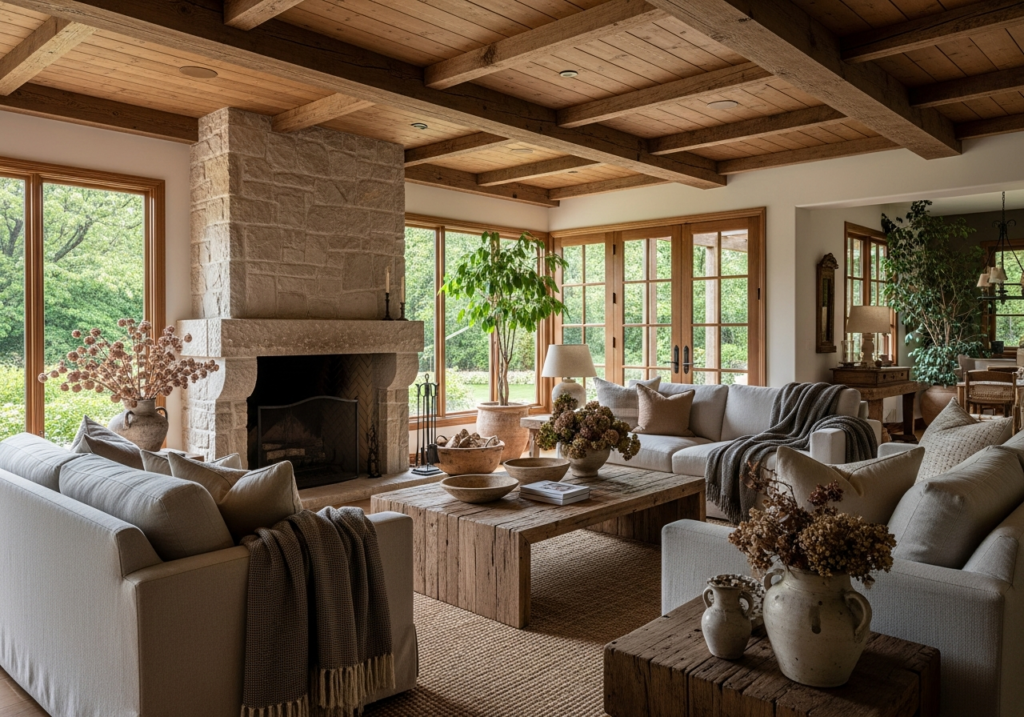
Reclaimed wood and salvaged stone offer powerful sustainability benefits by extending the life of existing materials. In American homes, reclaimed wood is often used for feature walls, beams, shelving, and custom furniture. Each piece carries visible character, appealing to homeowners who value authenticity and storytelling in their spaces.
Reclaimed stone is commonly incorporated into fireplaces, countertops, and outdoor connected interiors. By reusing materials from older structures, homeowners reduce demand for new extraction while preserving craftsmanship from earlier eras.
These applications reflect a growing appreciation for materials with history, especially among American homeowners interested in heritage inspired or farmhouse influenced design.
Incorporating Natural Textiles and Finishes
Beyond structural elements, natural textiles and finishes play a crucial role in sustainable interior design. Finishes such as natural oils, beeswax, and water based sealants protect surfaces without introducing harsh chemicals into the home.
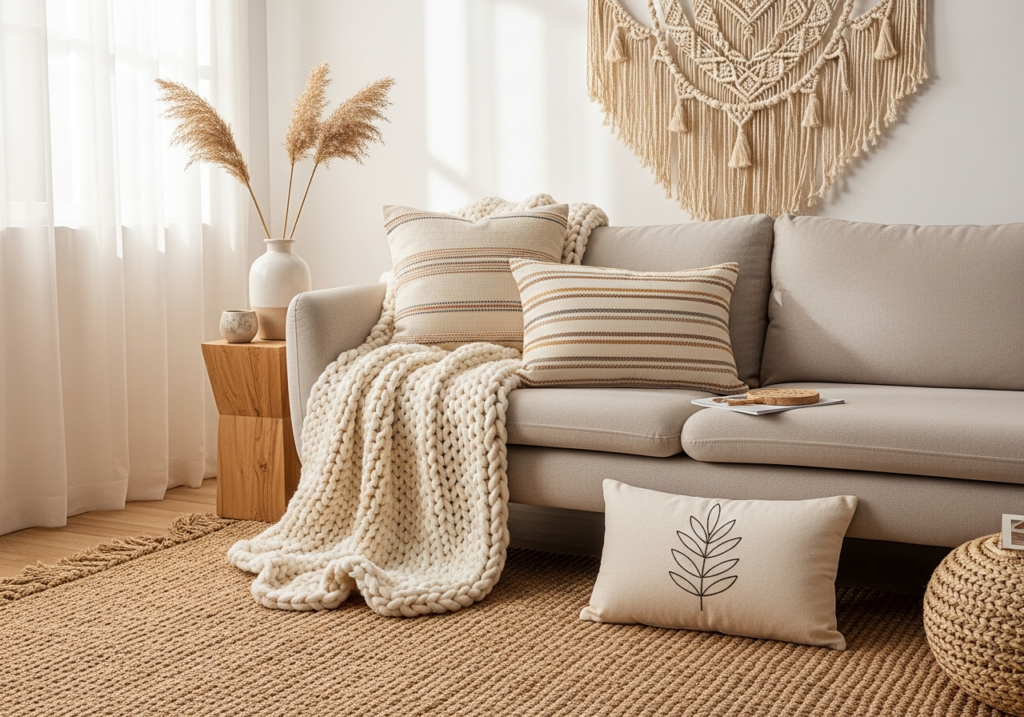
Natural textiles contribute to both comfort and environmental responsibility. Wool rugs regulate temperature and resist dirt naturally, while linen curtains provide breathability and light control. Organic cotton bedding and upholstery support healthier sleep and living environments, which aligns with wellness focused design trends in the United States.
When selecting finishes and fabrics, homeowners are increasingly attentive to certifications and transparency. Labels that indicate low chemical content or ethical sourcing help reinforce trust and support more informed, responsible design decisions.
Practical Tips for Sustainable Interior Design
Adopting natural materials doesn’t require a complete renovation. Small, intentional choices can significantly improve sustainability over time and make a meaningful difference in everyday living.
- Focus on high impact areas first such as flooring, cabinetry, and furniture. These elements account for the largest share of material use and long term daily exposure within a home.
- Choose quality over quantity. Investing in fewer, well made natural pieces reduces waste, minimizes replacement cycles, and encourages more mindful consumption habits.
- Work with local suppliers whenever possible. Locally sourced materials help reduce transportation emissions while supporting regional economies across the US.
- Maintain natural materials properly. Regular care and appropriate maintenance extend their lifespan and preserve their appearance, reinforcing sustainability through durability and longevity.
Common Misconceptions About Sustainable Materials
One common misconception is that sustainable materials lack durability. In reality, many natural materials outperform synthetic options when properly maintained. Another misunderstanding involves cost. While natural materials can be more expensive upfront, their longevity and repairability often result in lower lifetime costs.
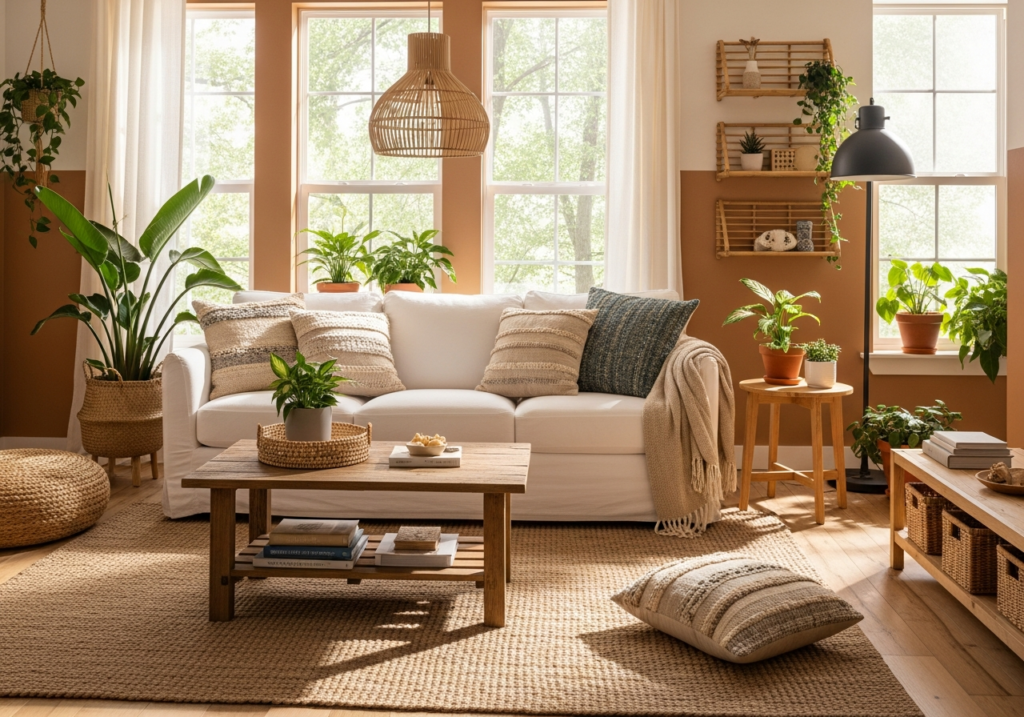
Some homeowners also assume natural materials limit design flexibility. However, contemporary interior design demonstrates that natural materials can adapt to a wide range of styles, from modern to traditional.
Conclusion
Natural materials in interior design offer every homeowner a practical path toward more sustainable, healthy, and enduring living spaces. By choosing materials that are responsibly sourced, low in environmental impact, and supportive of indoor wellness, homeowners can create interiors that reflect both personal values and long term design sensibility. As sustainability continues to influence residential design in the United States, natural materials stand out as a reliable foundation for homes that feel authentic, resilient, and thoughtfully crafted.
Related Articles
15 Green Living Tips for Apartments to Reduce Waste, Save Energy, and Create an Eco-Friendly Home