

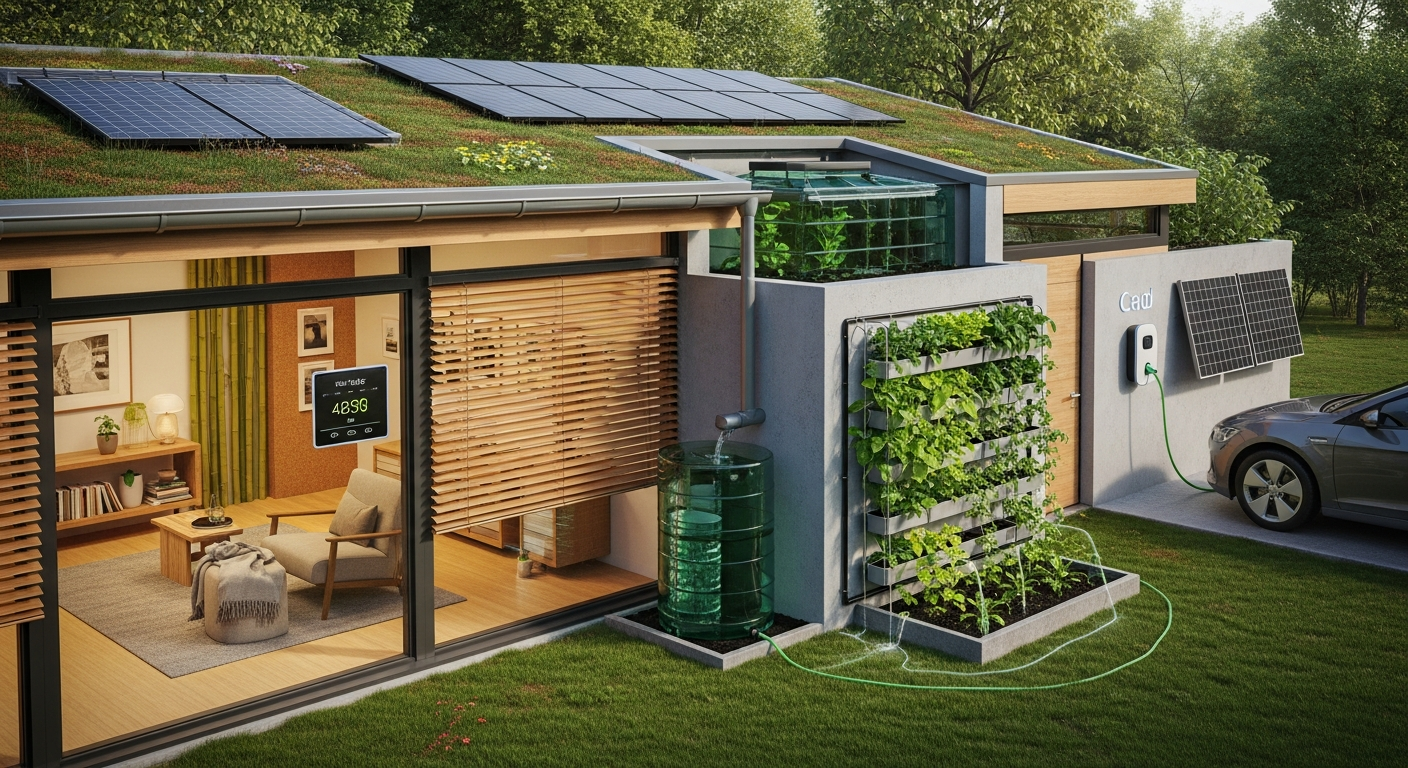
Sustainable living is becoming a practical priority for many households. Rising energy costs, environmental concerns, and a growing desire for healthier homes are changing how people think about everyday living. Smart home technology is now playing a significant role in this shift, offering tools that reduce waste while maintaining comfort and convenience.
Eco friendly smart home solutions are no longer niche or experimental. They’re accessible, scalable, and increasingly designed for real life use. From energy management to water conservation, smart technology helps homeowners make sustainable choices without sacrificing quality of life.
1. Smart Thermostats: Precision Climate Control
Heating and cooling account for a significant portion of household energy use in the United States. Smart thermostats address this challenge by delivering precise and adaptive climate control.
These devices learn household routines, track occupancy, and adjust temperature settings automatically. Over time, they reduce energy waste by avoiding unnecessary heating or cooling when rooms are unoccupied. For families and remote workers, this creates consistent comfort while lowering monthly utility bills. Smart thermostats also provide detailed usage insights, allowing homeowners to make informed adjustments that support long term sustainability.
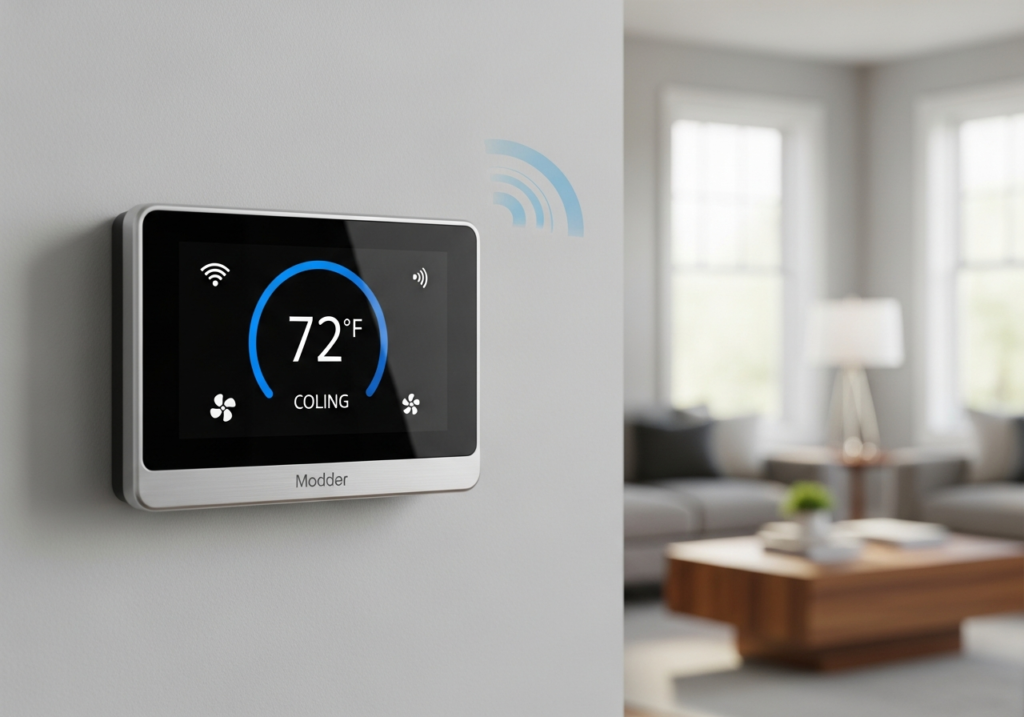
How Smart Thermostats Work
Smart thermostats use sensors, algorithms, and connectivity to respond dynamically to user behavior and environmental conditions. They analyze patterns such as sleep schedules, work hours, and seasonal changes. Many models integrate with weather data and mobile apps, giving homeowners control even when they’re away. This combination of automation and transparency supports energy efficient decision making without requiring constant attention.
2. Energy Efficient LED Lighting: Illuminate Sustainably
Lighting is another area where small changes lead to meaningful impact. Energy efficient LED lighting consumes significantly less electricity than traditional bulbs and lasts much longer.
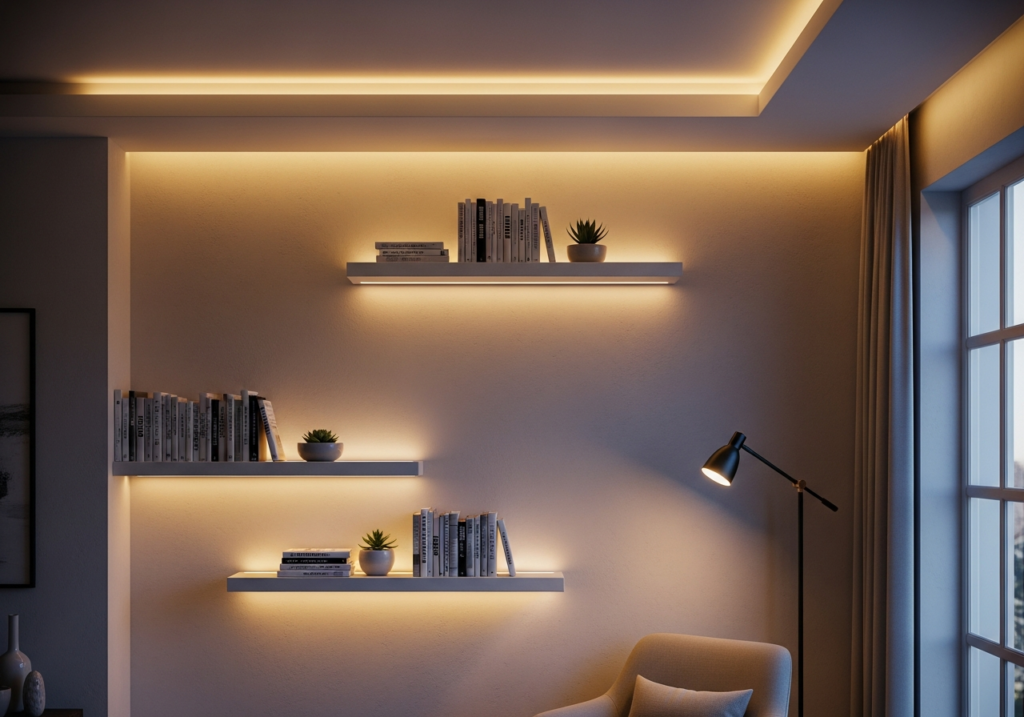
In smart homes, LED systems can be automated based on time of day, occupancy, or natural light availability. This reduces unnecessary usage and supports a more balanced daily rhythm. Households focused on sustainability benefit from LED lighting through lower energy costs and lasting environmental impact.
The Role of LEDs in Smart Homes
LEDs integrate seamlessly with smart lighting platforms. They support dimming, color temperature adjustments, and scheduling. These features help create comfortable environments while minimizing energy consumption, especially in homes with multiple occupants or flexible routines.
3. Smart Plugs: Eliminate Phantom Power
Many household devices continue to draw power even when they aren’t actively in use. This phenomenon, often called phantom power, contributes to unnecessary energy waste. Smart plugs address this issue by allowing homeowners to control power flow remotely or automatically. Devices can be scheduled to turn off during inactive hours, reducing standby energy consumption. Smart plugs offer households with many devices a simple, budget friendly way to begin sustainable smart living.
Common Uses for Smart Plugs
Smart plugs are commonly used for entertainment systems, kitchen appliances, home office equipment, and charging stations. They provide visibility into energy usage and empower homeowners to cut waste without changing daily habits.
4. Water Conservation with Smart Irrigation Systems
Outdoor water use represents a significant portion of household consumption, particularly in suburban areas. Smart irrigation systems optimize watering schedules based on weather conditions, soil moisture, and plant needs. These systems prevent overwatering and reduce runoff, conserving water while maintaining healthy landscapes. Smart irrigation helps environmentally conscious homeowners maintain healthy lawns while supporting sustainable water use.
5. Solar Power: Harnessing Renewable Energy
Solar power remains one of the most impactful investments in sustainable living. Residential solar systems reduce reliance on fossil fuels and lower long term energy costs. When combined with smart monitoring tools, solar power becomes even more efficient. Homeowners gain insight into energy production and consumption, allowing them to optimize usage patterns and storage strategies.
How Solar Monitoring Systems Enhance Efficiency
Solar monitoring systems track real time energy generation and household usage. This data helps homeowners adjust consumption habits, prioritize high efficiency appliances, and identify opportunities for further savings. Households focused on energy independence benefit from solar monitoring that brings transparency and control to renewable energy adoption.
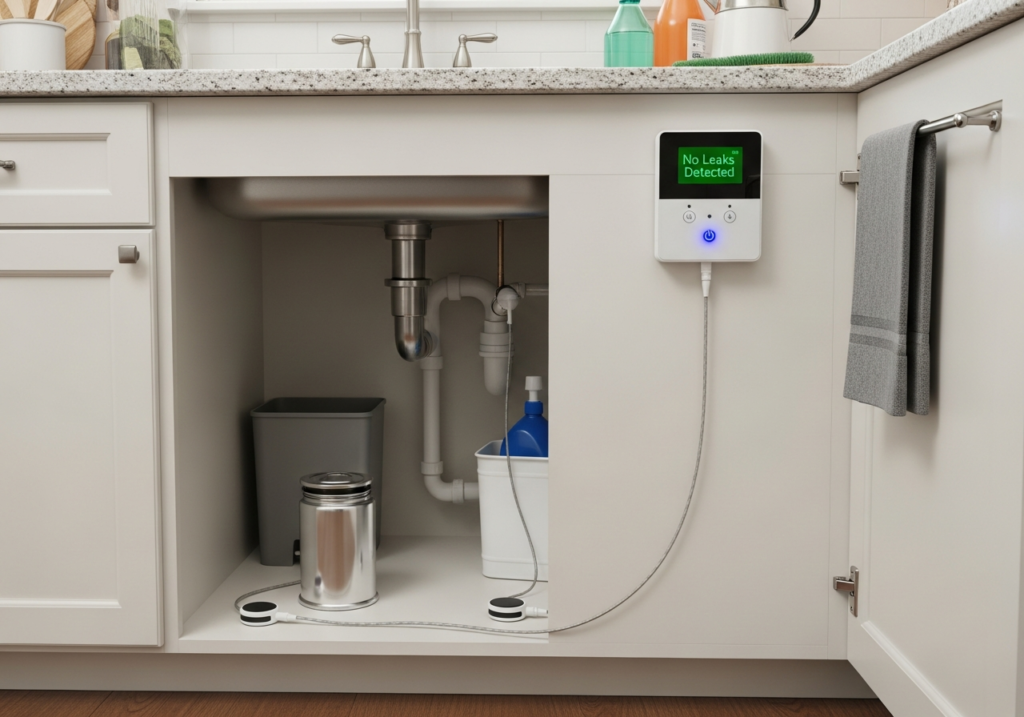
6. Leak Detection Systems: Preventing Water Waste
Water leaks often go unnoticed until significant damage occurs. Smart leak detection systems monitor pipes and water flow, alerting homeowners to irregular patterns. Early detection prevents water waste, reduces repair costs, and protects property value. These systems are especially valuable in regions prone to extreme weather or aging infrastructure. A sustainable home protects resources while safeguarding long term livability.
7. Smart Appliances: Energy Efficiency in Daily Life
Modern smart appliances are designed with energy efficiency at their core. Refrigerators, washing machines, and dishwashers now optimize water and electricity use based on load size and usage patterns.
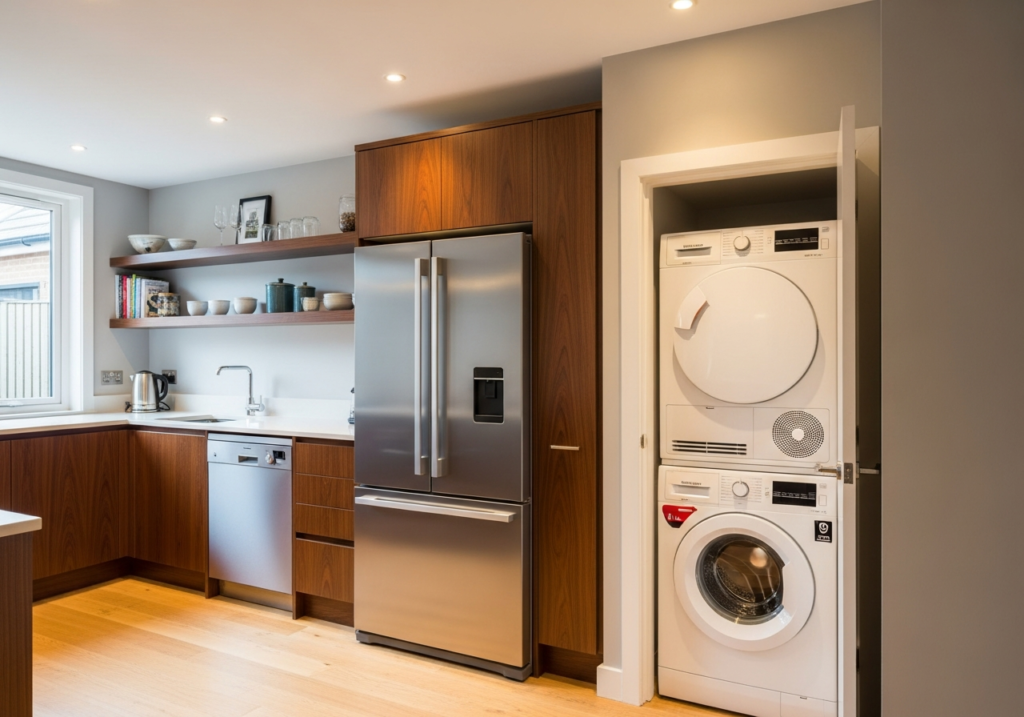
Smart appliances help households adopt sustainable living without changing daily routines, while offering performance insights that encourage responsible consumption. Over time, these appliances contribute to lower utility bills and reduced environmental impact.
8. Home Automation Systems: Centralizing Smart Controls
As smart devices multiply, centralized control becomes essential. Home automation systems integrate lighting, climate, security, and energy management into a single platform. Centralization improves efficiency by coordinating device behavior. For example, systems can reduce energy use automatically when residents leave the home. This level of integration enhances convenience while supporting sustainable living goals.
9. Smart Windows: Adaptive Insulation
Smart windows represent an emerging frontier in eco-friendly home design. These windows adjust tint or insulation properties based on sunlight and temperature. By reducing heat gain in summer and retaining warmth in winter, smart windows lower heating and cooling demands. Adaptive insulation supports consistent comfort and lower energy consumption in homes facing changing climate conditions.
10. Air Quality Sensors: Breathing Easy
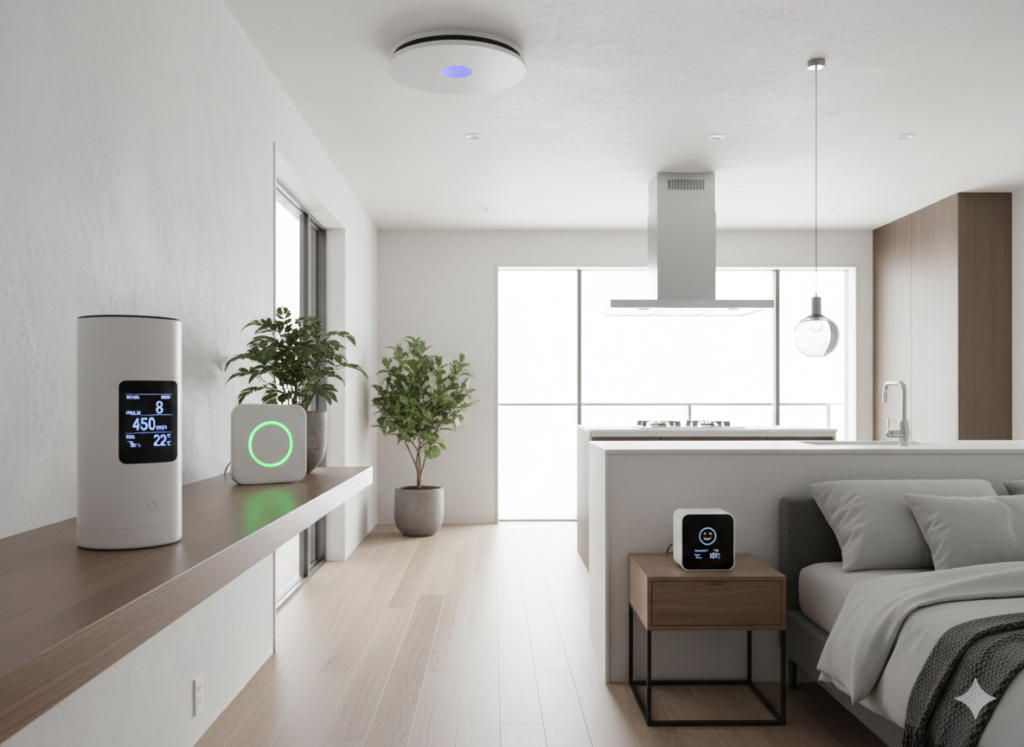
Indoor air quality plays a critical role in health and comfort. Air quality sensors monitor pollutants, humidity, and ventilation effectiveness. These sensors help homeowners identify issues that affect respiratory health and overall wellbeing. By providing actionable insights, they support healthier living environments while optimizing ventilation efficiency. Clean air and energy efficiency can coexist when guided by accurate data.
Conclusion
Eco friendly smart home ideas are transforming sustainable living from an abstract goal into a practical reality. By combining energy efficiency, water conservation, and intelligent automation, smart homes empower many households to reduce their environmental footprint without compromising comfort.
The most effective approach to sustainable living is thoughtful integration. When smart technologies align with real lifestyle needs, they create homes that are efficient, healthy, and resilient. As smart home solutions continue to evolve, they offer a powerful pathway toward a more sustainable and balanced way of living.