

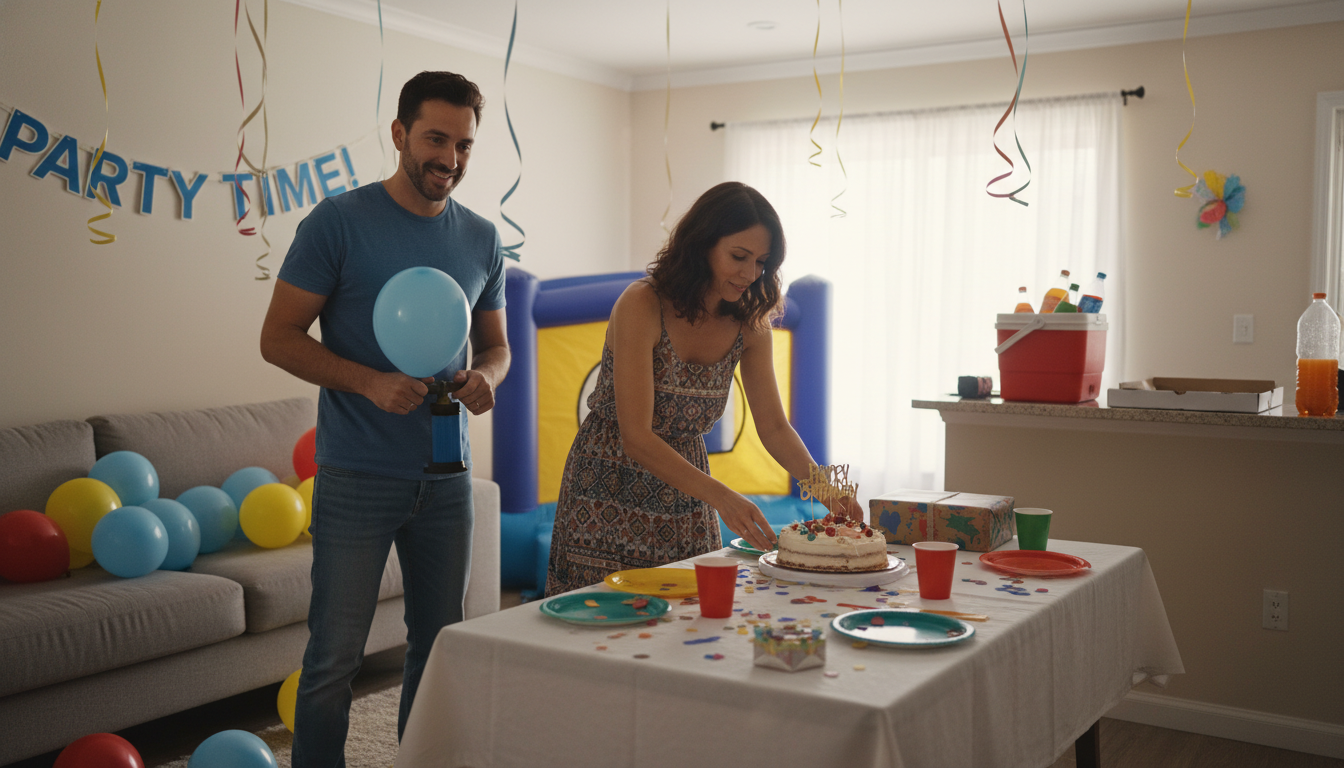
There’s a specific kind of stress that shows up right before a birthday party. The lists get long, the house suddenly feels too small, and you’re wondering if balloons are even necessary. With the right organization system, planning a birthday party at home doesn’t have to feel chaotic or overwhelming. Instead, you can prepare efficiently, stay sane, and actually enjoy the celebration. Here’s the thing: this article is a practical birthday party organization guide for real life, busy schedules, limited space, mixed-age guests, and realistic budgets.
The Foundation of Stress-Free Birthday Party Planning
Before decorations, themes, or menus, the biggest mistake people make is skipping structure. Organization is what turns a “messy scramble” into a smooth, enjoyable event.
Think in Phases, Not To-Do Lists
Instead of tackling everything at once, you should break birthday party planning into clear phases. This prevents burnout and helps you see progress early. A simple planning flow looks like this:
- Decide the who and when
- Lock in the vibe and scale
- Prep the must-haves
- Leave space for flexibility
Step 1: Define the Party (Before You Buy Anything)
Choose the Size First (Not the Theme)
Decide how many people you’re hosting before choosing themes or decorations, because it affects everything else: food, space, seating, and preparation time.
Ask yourself:
- How many guests can my space comfortably handle?
- Do I want an energetic crowd or something more relaxed?
- Am I hosting kids, adults, or both?
In 2024–2025, people prefer smaller gatherings because they’re easier to manage and often more meaningful.
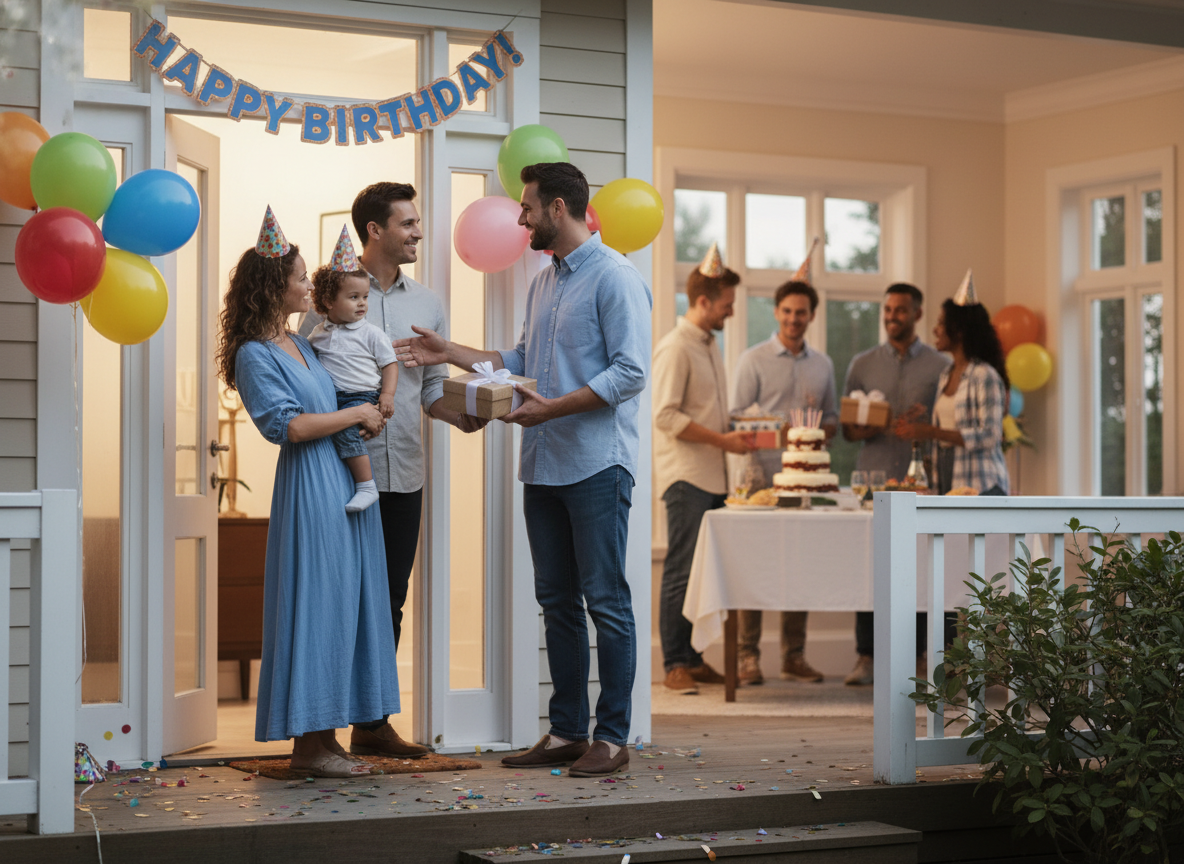
Pick a Time Window You Can Actually Handle
Honestly, it depends on your preference. Longer parties don’t equal better parties and vice versa. For most at-home celebrations, kids’ parties usually last 2 hours, while adult or mixed-age parties can run around 2-4 hours.
Step 2: Create a Simple Prep Timeline That Fits Real Life
You don’t need months of planning. You need the right tasks at the right time.
2-3 Weeks Before the Party
In this period, you should focus on:
- confirming the guest list
- sending invitations (digital is fast and perfectly acceptable)
- choosing food style (homemade, store-bought, or a mix)
- deciding on 1–2 main activities or focal points
One Week Before
At this stage, you should:
- finalize food and supply lists
- do a general house reset (not a deep clean)
- decide which areas of your home are “party zones”
- identify one off-limits space for coats, bags, or overflow
The Day Before
The day before, focus on finishing decorations (leaving only last-minute touches), preparing any make-ahead food, setting up activity stations, and doing a quick overall tidy so everything is ready without added stress.
Step 3: Organize Your Space for Flow, Not Looks
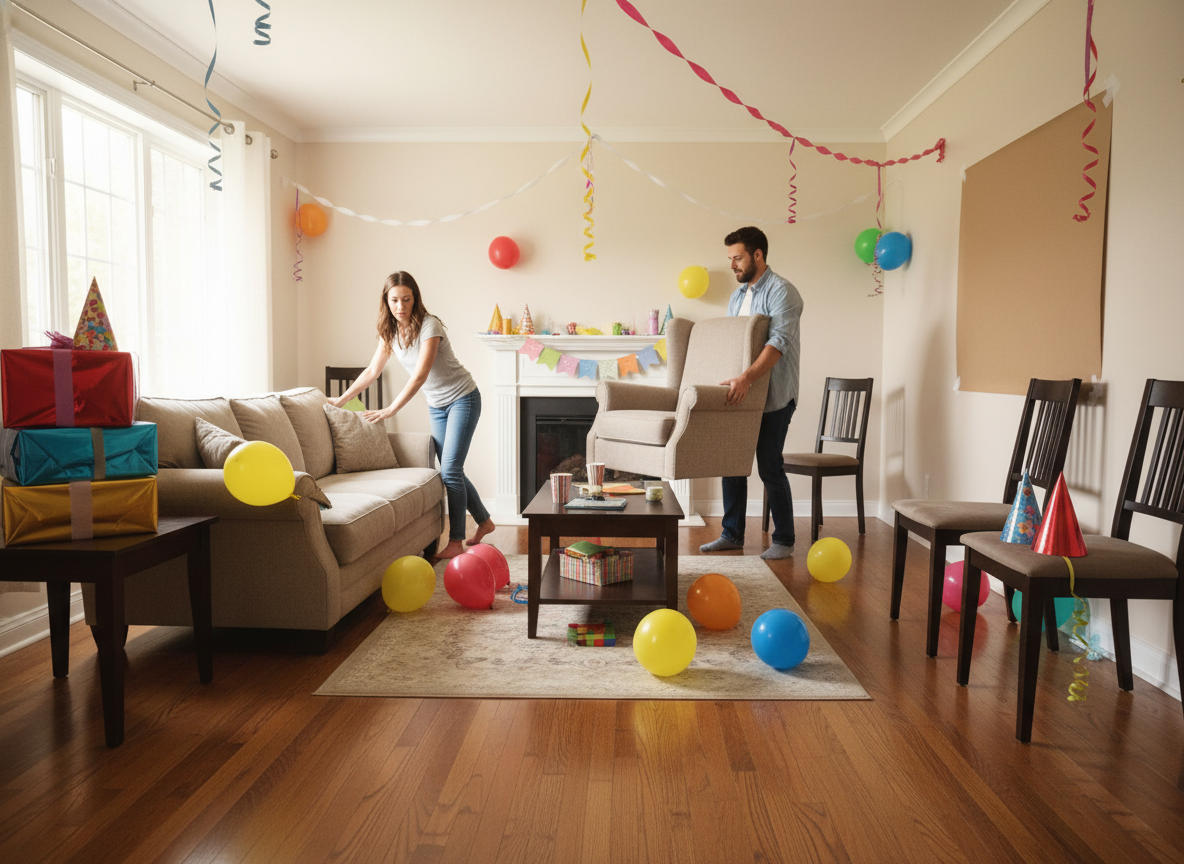
Rearrange with Intention
In small homes or apartments, smart space management makes all the difference. You create quick wins by temporarily removing unnecessary furniture, pushing seating toward the edges to open up floor space, using folding chairs or floor cushions for flexibility, and setting up food stations away from busy walkways. Guests won’t miss a coffee table, but they will appreciate having room to move comfortably.
Create Clear Zones
Zones reduce chaos without guests even noticing. Think of your space as having a few clear purposes: one area dedicated to food, one spot set up for activities or games, and another comfortable zone for seating and conversation. This simple separation helps guests move naturally through the party without crowding into one place or constantly asking where things are.
Step 4: Simplify Food Without Sacrificing Fun
Food is often the biggest stress point and also the easiest to overcomplicate.
Choose a Low-Maintenance Food Strategy
Instead of planning a full menu, choose one main food approach and keep everything built around it. That might mean easy finger foods, a build-your-own station like pizza, tacos, or sundaes, a catered main dish paired with simple sides, or even a snack-focused spread anchored by a standout cake. No one remembers how many dishes you served, but they absolutely remember whether the food was easy, relaxed, and enjoyable to eat.
Preparation for Reality, Not Ideals
Smart planning includes:
- Foods that don’t require constant reheating
- Labels for allergens
- Drinks that guests can serve themselves
- Trash and recycling bins placed where people actually are
Step 5: Activities That Don’t Exhaust You
Pick One “Anchor” Activity
Choose one main activity and let the rest be optional, it can be a craft table, a simple game rotation, a movie setup or even a casual board game area.
Useful notes: You don’t need nonstop entertainment and keep in mind that unstructured time is the most enjoyable part.
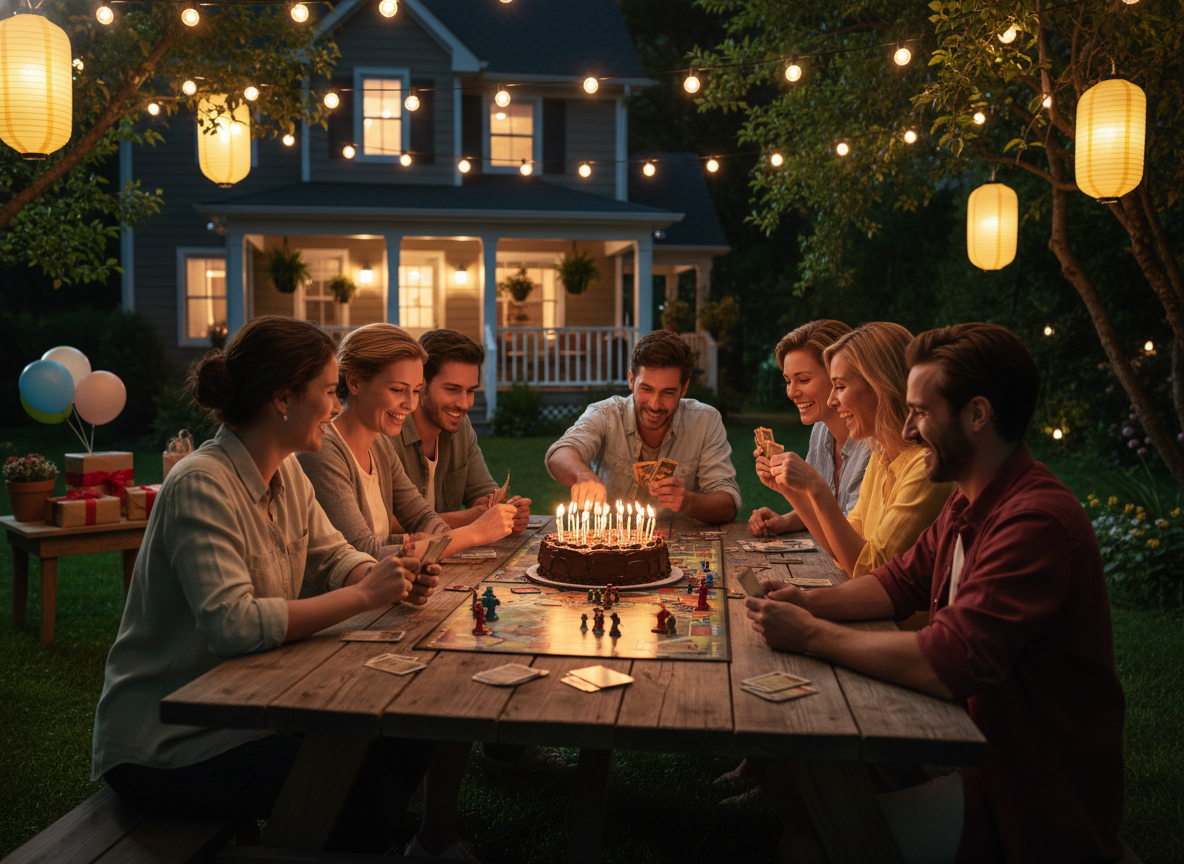
Step 6: The Mindset That Makes Everything Easier
Aim for “Clean Enough,” Not Perfect
Firstly, you need to declutter your home. Set a timer around 20 to 30 minutes and work until it rings. When the timer rings, stop doing even if you aren’t finished. You can always continue later. Concentrate first on high-touch surfaces, floors, bathrooms, and anything that affects how the space feels to use. Because guests don’t see what you see, they just feel the atmosphere you create.
Build in Recovery Time
While creating a plan for a birthday party organization, you need to include the “aftercare” section such as easy leftovers, minimal cleanup strategies, and one quiet hour post-party before tackling anything major.
Final Thought: Organization Is What Makes the Party Enjoyable
A well-organized birthday party works because you’re making fewer decisions at the moment. When you organize preparation intentionally, the party stops feeling like a performance and starts feeling like what it should be: a celebration. One where you’re present, relaxed, and actually part of the memory instead of managing it from the sidelines.