

Packing shouldn’t feel like a mental endurance test. And yet, for so many of us, it does. You clear off the bed, open your suitcase, and still end up staring at the pile thinking, “Why does this feel harder than it should?”
Here’s the honest truth: packing stress usually isn’t about how much you’re bringing. It’s about how little structure your suitcase has. When everything gets tossed in without a plan, even a small bag can feel overwhelming.
These 12 travel packing organization tips are built to support busy schedules, shared suitcases, last-minute laundry, and the very human fear of forgetting something important. They’ll help you save space, simplify preparation, and keep your suitcase organized from the moment you leave until you unpack at home.
Why Packing Organization Matters More Than Packing Less
You can pack light and still feel chaotic. You can also pack a little more and feel completely in control. The difference between these things is organization. When your suitcase has structure, you spend less time digging, repacking, and second-guessing yourself. Not only do travel days feel smoother but also hotel mornings feel calmer. And you stop buying duplicates of things you already packed but can’t find.
1. Start With a Packing “Map,” Not Just a List
Packing lists are helpful, but they only solve half the problem. The real game-changer is deciding where things live before you start packing. Think of your suitcase like a small apartment. Clothes belong in one zone. Toiletries have their own home. Tech stays together. When every category has a consistent place, you stop rummaging and instantly know if something is missing. This mental map alone can cut packing stress in half.
2. Group by Category Instead of Outfits
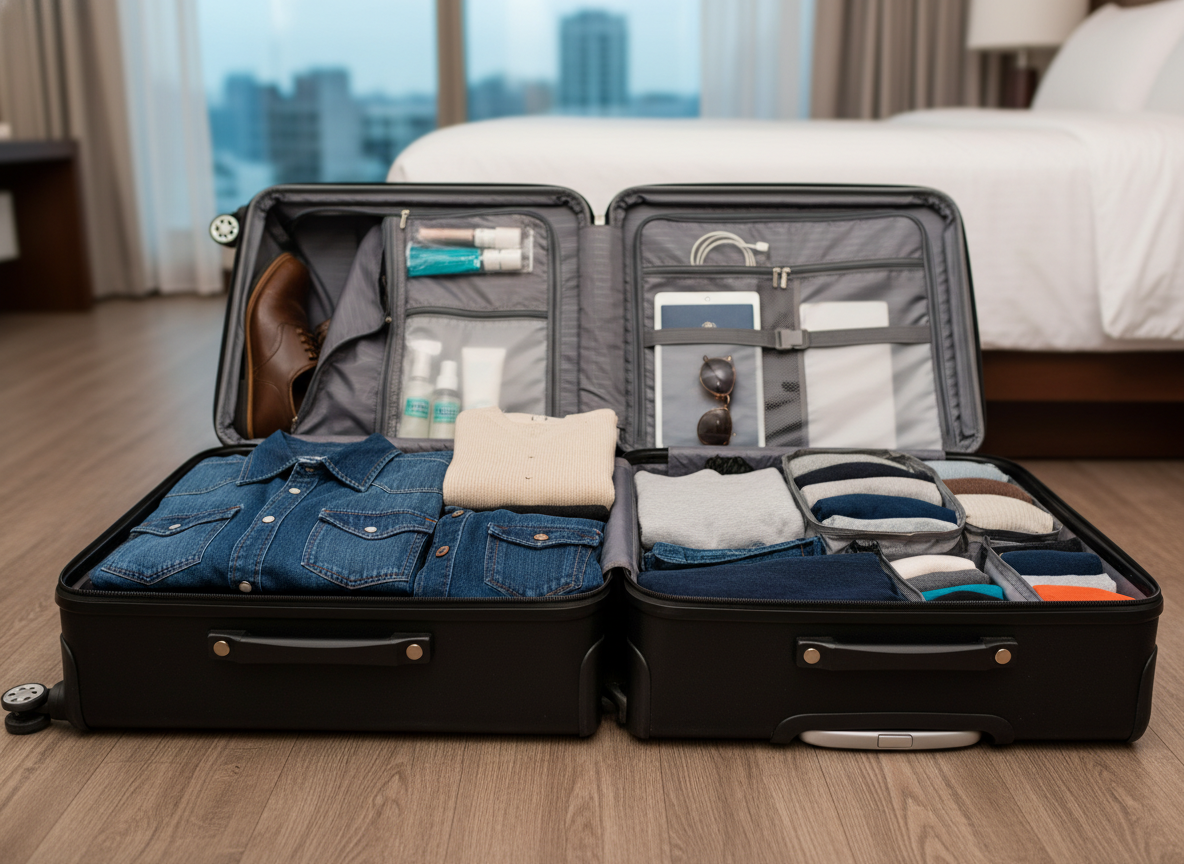
Packing full outfits sounds efficient, but it often backfires on longer trips. Once clothes get worn or plans change, outfit-based packing turns into a mess. Grouping items by category, such as tops together, bottoms together, sleepwear in one place makes it easier to mix outfits, see what’s clean, and repack quickly. You’re no longer locked into wearing things in a specific order, which gives you more flexibility with fewer items.
3. Use Packing Cubes With Clear Roles
Packing cubes work best when each one has a clear job. Plus, compression cubes are great for bulkier items, but regular cubes are often easier for quick access, so the key here is consistency. A simple setup:
- Cube 1: tops
- Cube 2: bottoms
- Cube 3: underwear + socks
- Cube 4 (optional): accessories or sleepwear
4. Decide How You’ll Handle Dirty Laundry Before You Leave
Dirty clothes are where organized packing often falls apart. Rather than dealing with it on the fly, decide in advance how you’ll separate worn items. Some people use a dedicated laundry bag, others turn a packing cube inside out or reserve a corner of the suitcase just for dirty clothes. It depends on your preference. Whatever method you choose, having one prevents clean clothes from getting mixed up and saves time every single day of your trip.
5. Roll and Fold, Don’t Force One Method
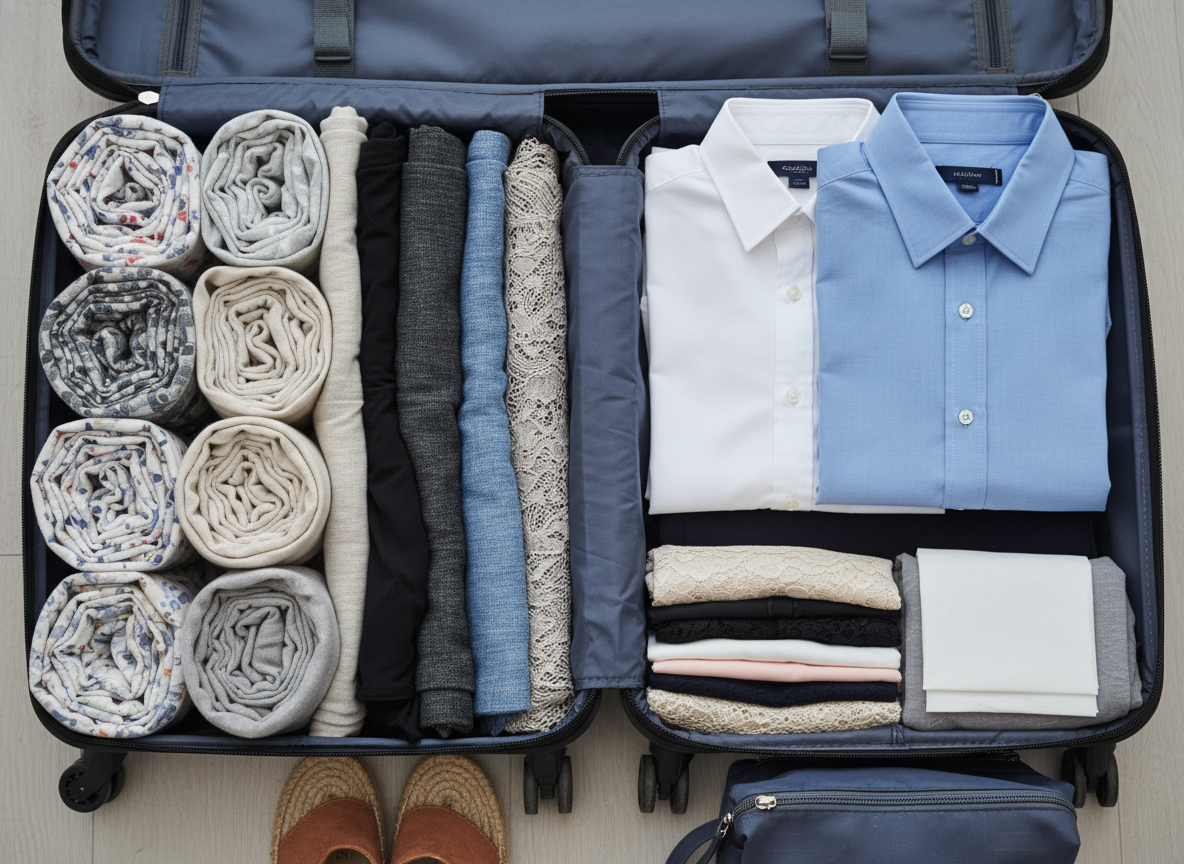
Best items to roll T-shirts, activewear, casual dresses, and pajamas. While some items better folded flat, such as structured shirts, delicate fabrics, and anything that wrinkles easily. Rolling clothes can help you to save space but only if done thoughtfully. And mixing roll and fold often works better than forcing everything into one method.
6. Be Ruthless About Shoes
Shoes take up more space than almost anything else, so they need to earn their place. Wearing your bulkiest pair during travel immediately frees up room. Inside the suitcase, choose shoes that work for multiple situations rather than single-use pairs. To reclaim wasted space, stuff shoes with socks, sleepwear, or small accessories.
7. Keep Toiletries Contained and Predictable
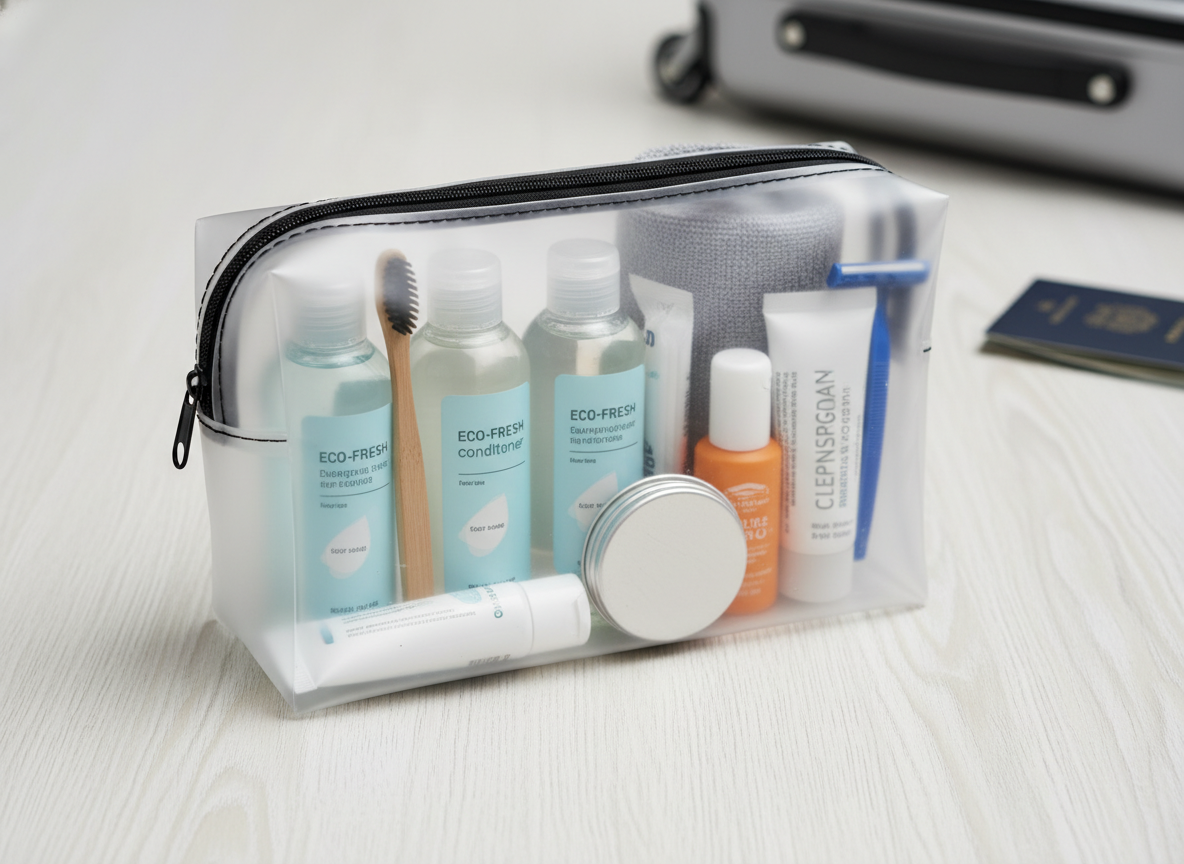
Loose toiletries slow everything down: security checks, hotel mornings, and unpacking at home. Using one contained toiletry kit keeps things simple. You decant liquids into travel-size containers, choose solid products when possible, and keep daily-use items easy to reach. When everything lives in one place, spills are easier to manage and routines stay intact.
8. Separate Tech From Everything Else
Cables have a way of migrating to the most inconvenient places. Use a small tech pouch to keep chargers, adapters, earbuds, and power banks together. When you know exactly where your tech lives, you absolutely save time, frustration, and the panic of realizing your phone is at 10% with no charger in sight.
9. Pack Your First Outfit on Purpose
After a long travel day, the last thing you want is to dig through your entire suitcase just to change clothes. Placing your first outfit and sleepwear (if you’re arriving late) near the top or in an outer pocket makes arrivals smoother. It’s a small detail that pays off immediately.
10. Use Awkward Space Intentionally
The corners, wheel wells, and odd gaps inside a suitcase are valuable real estate. Lightweight, flexible items like scarves, belts, flip-flops, or foldable totes fit perfectly into these spaces. Treat your suitcase like a puzzle instead of a dumping ground, and you’ll be surprised how much room you gain.
11. Repack the Same Way Every Time
When you repack consistently:
- You notice missing items instantly.
- You get faster with every stop.
- You feel settled, even in new places.
12. Leave a Little Breathing Room
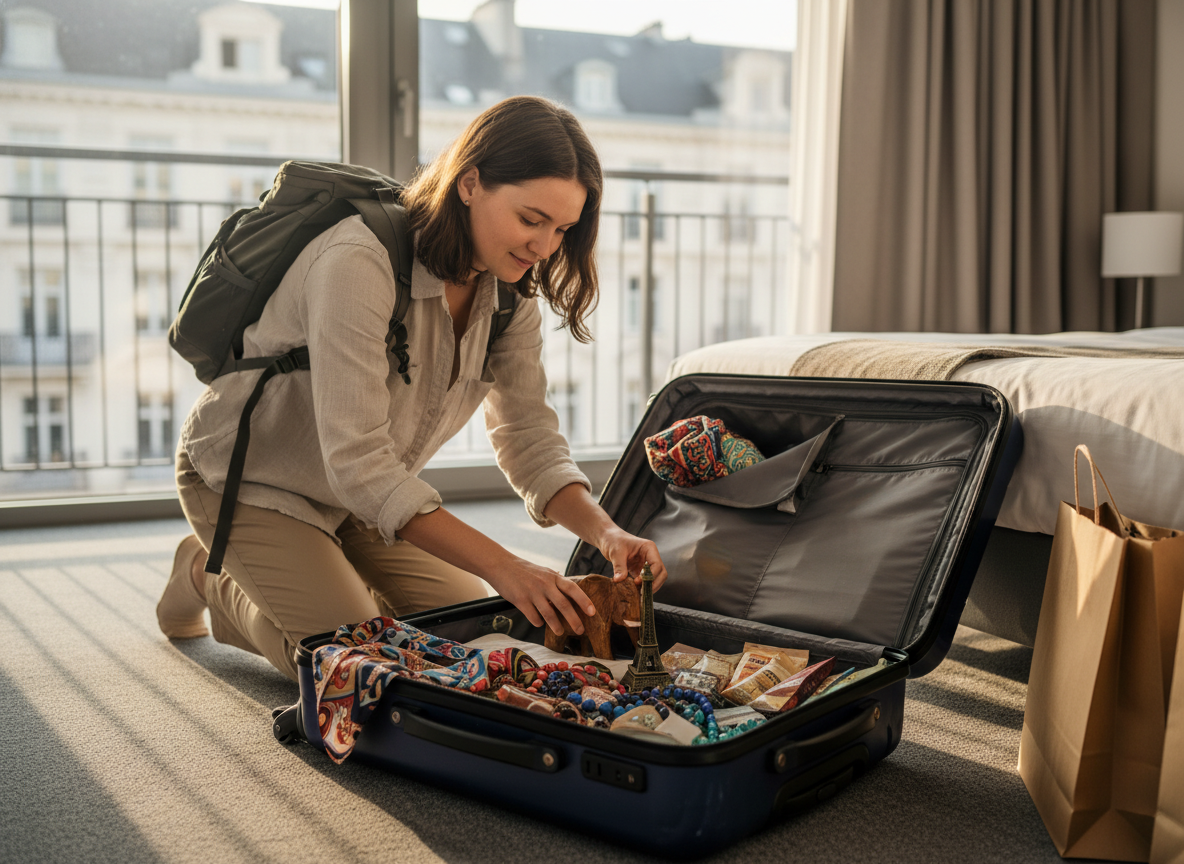
An overstuffed suitcase is stressful before the trip even starts. You should aim to finish packing with a bit of empty space. That buffer makes room for souvenirs, extra layers, or items that don’t fold back quite as neatly. A suitcase that closes easily is always more relaxing than one you have to wrestle shut.
Family Packing: How to Stay Organized Without Losing Your Mind
Packing for a family adds a whole new layer of complexity. More people means more categories, more routines, and more chances for things to get mixed up. The biggest mistake families make is trying to pack together instead of packing by system. Each family member should have a clearly defined packing zone, whether that’s a cube color, a section of the suitcase, or even their own bag. When kids know where their clothes live, mornings go faster and parents answer fewer “Where is my…?” questions.
For younger kids, packing outfits together can still work, especially if independence is part of the goal. Rolling a shirt, bottoms, underwear, and socks into one bundle makes it easy for them to grab and get dressed without help. Shared items deserve their own category, too. Pajamas, swimwear, or outerwear often make more sense grouped together rather than divided by person. The same goes for toiletries, chargers, and snacks. Most importantly, family packing systems should be forgiving. Things will get messy. Plans will change. A good system makes it easy to reset without starting over.
Final Thoughts: Organized Packing Is a Skill You Build
You don’t need to overhaul your packing habits overnight. Start with two or three of these tips and notice how they change the experience, then adjust as you go. The goal isn’t a picture-perfect suitcase. It’s a suitcase that works with you, not against you.