


Maintaining your home is essential for ensuring its longevity, functionality, and safety. However, many homeowners find themselves overwhelmed by the sheer number of tasks required to keep a home running smoothly. Without regular attention, even the smallest issues can turn into costly repairs that could have been avoided with proactive home maintenance.
This monthly home maintenance checklist provides you with practical tasks to help you stay on top of essential upkeep. Whether you’re a first-time homeowner or looking to streamline your maintenance routine, these simple tasks will not only improve your home’s safety but also save you money by preventing unexpected breakdowns.
1. Check Your HVAC System
Your HVAC system is crucial for keeping your home comfortable year-round. Neglecting it can lead to higher energy bills and potentially costly repairs. Each month, take a few minutes to inspect your system to ensure it’s running efficiently.
Start by checking and replacing the air filter if needed. Clogged or dirty filters restrict airflow, making your system work harder and consuming more energy. Cleaning or replacing the filter monthly (or as recommended) can improve air quality and the efficiency of your HVAC system.
If you haven’t already, schedule an annual inspection of your HVAC system with a professional. This can help catch any potential issues before they become major problems.
2. Test Smoke and Carbon Monoxide Detectors
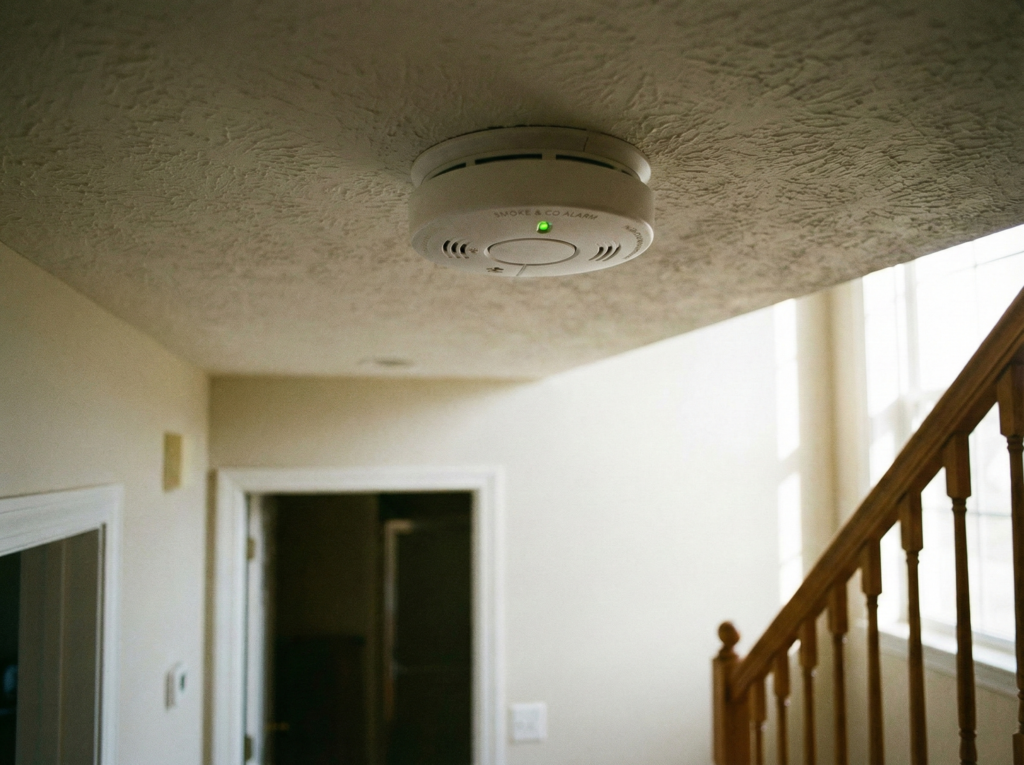
Home safety is a top priority, and keeping your smoke and carbon monoxide detectors in good working condition is essential. Every month, test each device to make sure they’re working properly.
Press the test button on each detector to ensure it emits a loud sound. Replace the batteries at least once a year or sooner if the low-battery warning sounds. Also, remember to vacuum the detectors to remove dust, which can block the sensors.
Tip: Create a reminder to check the detectors at the start of each month, perhaps when you change your HVAC filter or perform another routine task. This ensures your home stays safe year-round.
3. Inspect Plumbing for Leaks
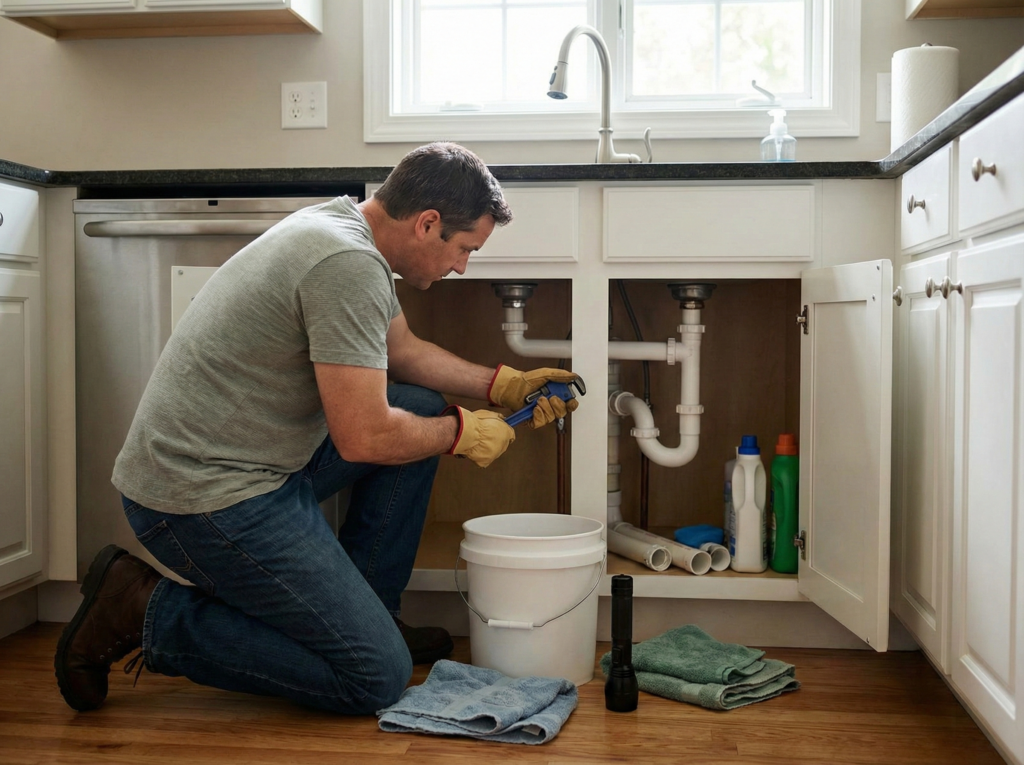
Water damage can be one of the most costly home repairs. That’s why it’s crucial to inspect your plumbing every month. Check under sinks, around toilets, and in the basement or crawl spaces for any signs of leaks. Even a small leak can cause significant damage over time if left untreated.
Look for water stains, dampness, or the sound of running water. Tighten any loose pipes or connections, and replace old, worn-out washers to prevent leaks. If you notice anything unusual, call a plumber to inspect and repair the issue.
Consider installing a water leak detector in high-risk areas like under sinks or near water heaters. These devices can alert you to leaks early, helping to prevent significant water damage.
4. Clean Garbage Disposal and Drain Traps
A clean garbage disposal and clear drains are essential for maintaining your home’s plumbing system. Once a month, clean your garbage disposal by running ice cubes and a few citrus peels through it to remove built-up grime and freshen the smell. You can also pour a mixture of vinegar and baking soda down the drain, followed by hot water, to help clean and deodorize the pipes.
Prevent clogs in your kitchen sink by avoiding putting grease, fibrous vegetables, or large food particles down the disposal. Always run water for 30 seconds after using it to help flush food waste through the system.
5. Check Your Roof and Gutters
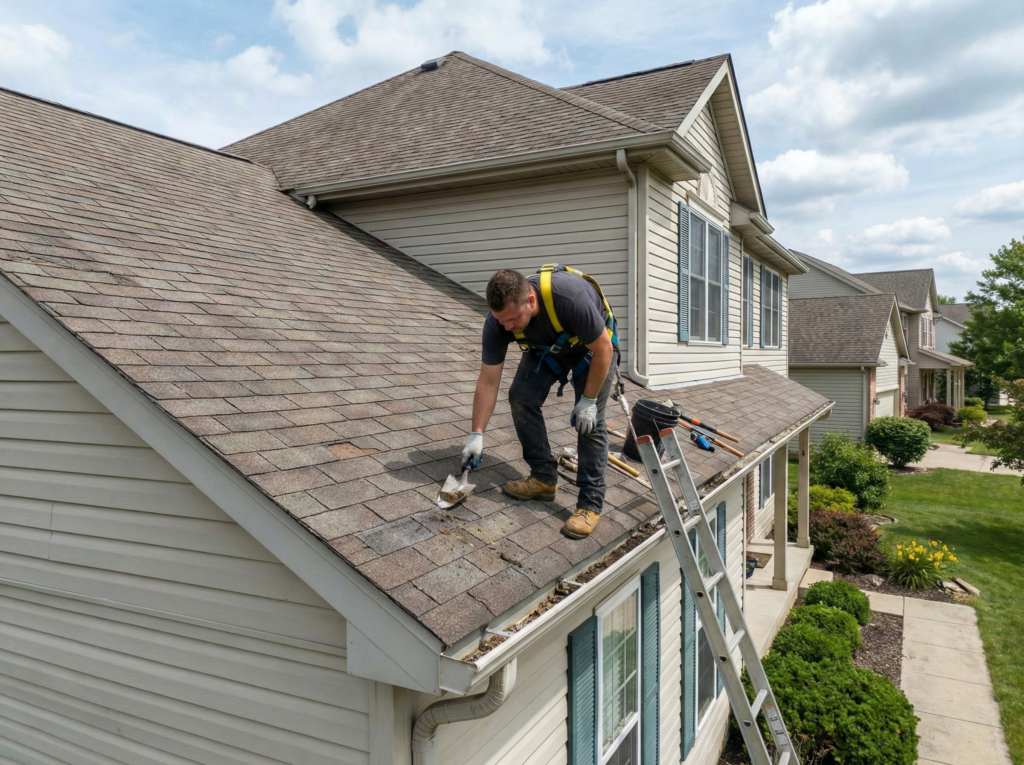
Although roof maintenance is often seen as a once-a-year task, a monthly inspection can help identify problems before they become severe. Check for missing or damaged shingles and any signs of water damage or leaks in the attic.
Equally important is gutter maintenance. Clogged gutters can cause water to back up, leading to roof damage and potential leaks inside your home. Use a ladder to safely check your gutters for debris like leaves, twigs, and dirt, especially after storms. Clear the gutters to allow water to flow freely, preventing overflow and water damage. If you’re unable to clean your gutters yourself, consider hiring a professional to do it once or twice a year.
6. Inspect Appliances for Wear and Tear
Appliances play a crucial role in the day-to-day function of your home. From refrigerators to washing machines, it’s important to maintain these items to keep them running smoothly. Start by checking for signs of wear and tear, such as unusual noises, leaks, or rust.
For example, clean the refrigerator coils at least once a month to improve efficiency and reduce energy consumption. Similarly, clean your dryer vent regularly to prevent fire hazards and improve the dryer’s performance.
Tip: If you’re unsure how to properly maintain certain appliances, consult the owner’s manual for care instructions or consider scheduling an annual professional check-up for major appliances.
7. Test Your Home’s Exterior for Damage

Your home’s exterior is constantly exposed to the elements, so regular inspections are necessary to ensure it remains intact. Walk around the outside of your home and look for any signs of damage, such as cracked windows, peeling paint, or dam10 Essential Fire Safety Tips Every Household Should Know to Prevent Accidents and Protect Your Home and Familyaged siding. Addressing these issues early can prevent larger, more costly repairs in the future.
Inspect your foundation for cracks or shifts, and check for any areas where water might collect, leading to potential flooding or erosion. If you find anything concerning, consider reaching out to a professional for a more in-depth evaluation.
If you have a garden, make sure the soil is draining properly away from the foundation. Planting around the perimeter can help redirect water flow.
8. Prepare for Seasonal Changes
Preventative maintenance is not only about checking your home for current issues but also preparing for future changes. As the seasons change, so do the needs of your home. In the fall, prepare your heating system and check windows for drafts. In the spring, clean the windows, inspect the roof, and check for any winter damage.
9. Create a Home Maintenance Calendar
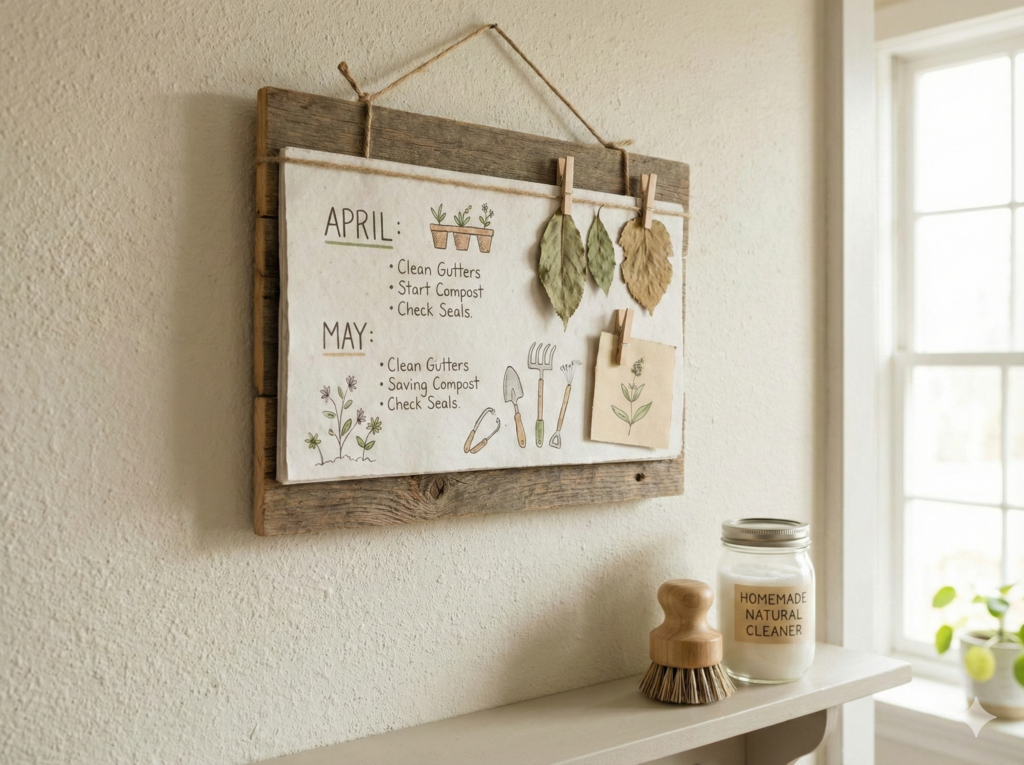
Keeping track of all these tasks might seem daunting, but a home maintenance calendar can help keep everything organized. Create a monthly calendar where you can mark off the tasks you’ve completed and add any special projects or seasonal checks. You can also set reminders for tasks like changing your HVAC filter or testing safety devices. Plus, use an app or digital calendar to track your progress, so you never miss an important task.
Conclusion
By following this monthly home maintenance checklist, you can ensure that your home remains in good condition year-round. Proactive maintenance helps prevent costly repairs, improves your home’s safety, and keeps everything running smoothly. It’s the small, consistent actions that make a big difference in the long run. Set a routine, stay on top of your tasks, and enjoy the peace of mind that comes with knowing your home is well cared for.
Related Articles
- 20 Seasonal Home Maintenance Tasks: A Complete Year-Round Checklist to Keep Your Home in Top Shape
- 10 Essential Fire Safety Tips Every Household Should Know to Prevent Accidents and Protect Your Home and Family