

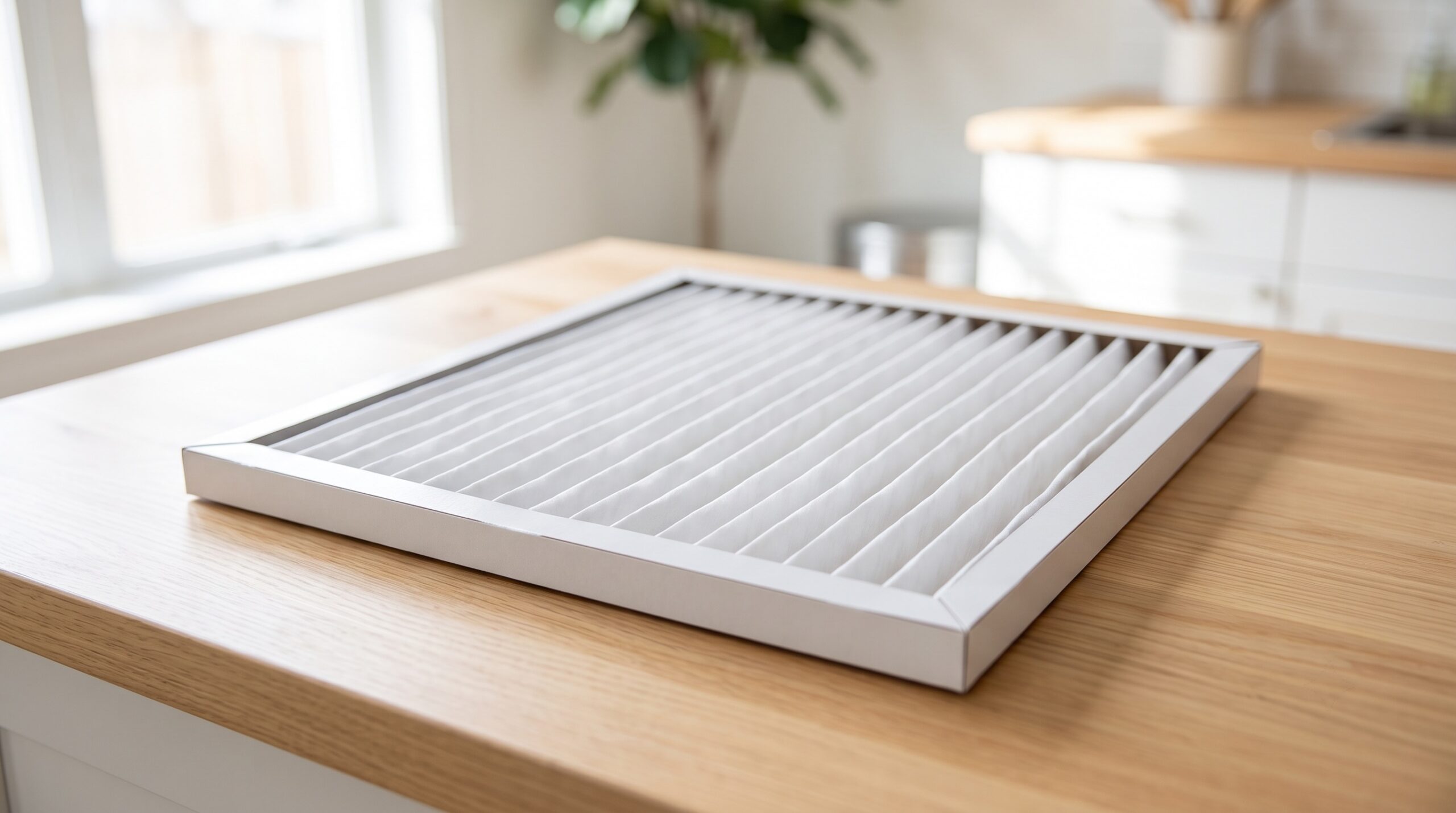
Your home’s HVAC system plays a vital role in maintaining comfort, but did you know it also significantly impacts your indoor air quality? A well-maintained HVAC system helps reduce allergens, improve air circulation, and keep your home healthy all year round. Regular HVAC maintenance can save you from costly repairs, reduce energy bills, and extend the lifespan of your system. In this article, we’ll walk you through ten essential HVAC maintenance tips that will help you maintain optimal air quality, improve system efficiency, and ensure a healthy environment for you and your family.
1. Change Your Air Filters Regularly
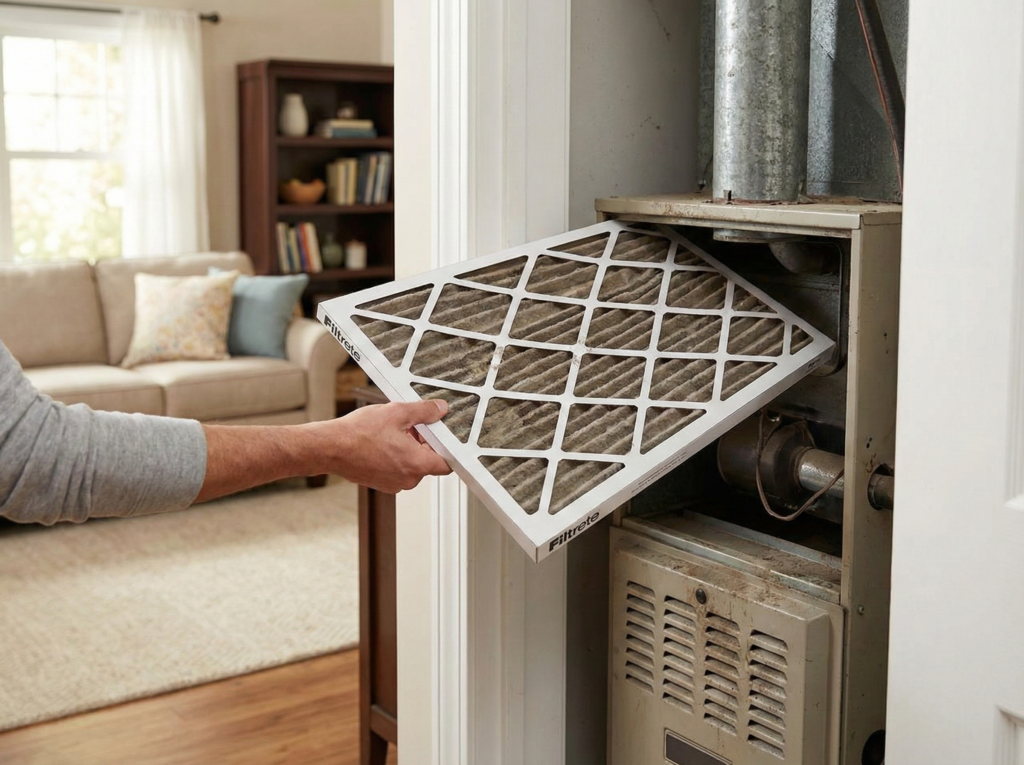
One of the simplest and most effective ways to maintain a healthy HVAC system is by changing your air filters. Clogged or dirty filters can significantly reduce airflow, leading to poor air quality and higher energy consumption. Over time, filters accumulate dust, dirt, and allergens, which can circulate throughout your home if left unchecked.
How To Do It
It’s recommended to change your HVAC filter every 30 to 90 days, depending on the type of filter and your household needs. If you have pets or suffer from allergies, you may need to replace them more frequently. Check the manufacturer’s guidelines for your specific system to determine the ideal filter replacement schedule.
Tip
Keep a reminder on your calendar or set a recurring alarm to check and replace your filter regularly. This small step can significantly improve your system’s efficiency and air quality.
2. Clean Your HVAC System’s Coils and Ducts
Over time, dust and dirt can build up on the evaporator and condenser coils of your HVAC system. This buildup not only reduces efficiency but also contributes to poor indoor air quality. Additionally, dirty ducts can trap dust and allergens, which may circulate throughout your home when the system is running.
How To Do It
For DIY maintenance, carefully clean the exterior coils with a soft brush and mild detergent, ensuring you don’t damage any components. If your ducts are heavily contaminated or if you have concerns about your system, it’s advisable to call a professional HVAC technician to perform a thorough cleaning and inspection.
Tip
Have your ducts professionally cleaned every 3-5 years to ensure optimal airflow and indoor air quality, especially if you have respiratory issues or live in a dusty environment.
3. Inspect and Clean the Condensate Drain
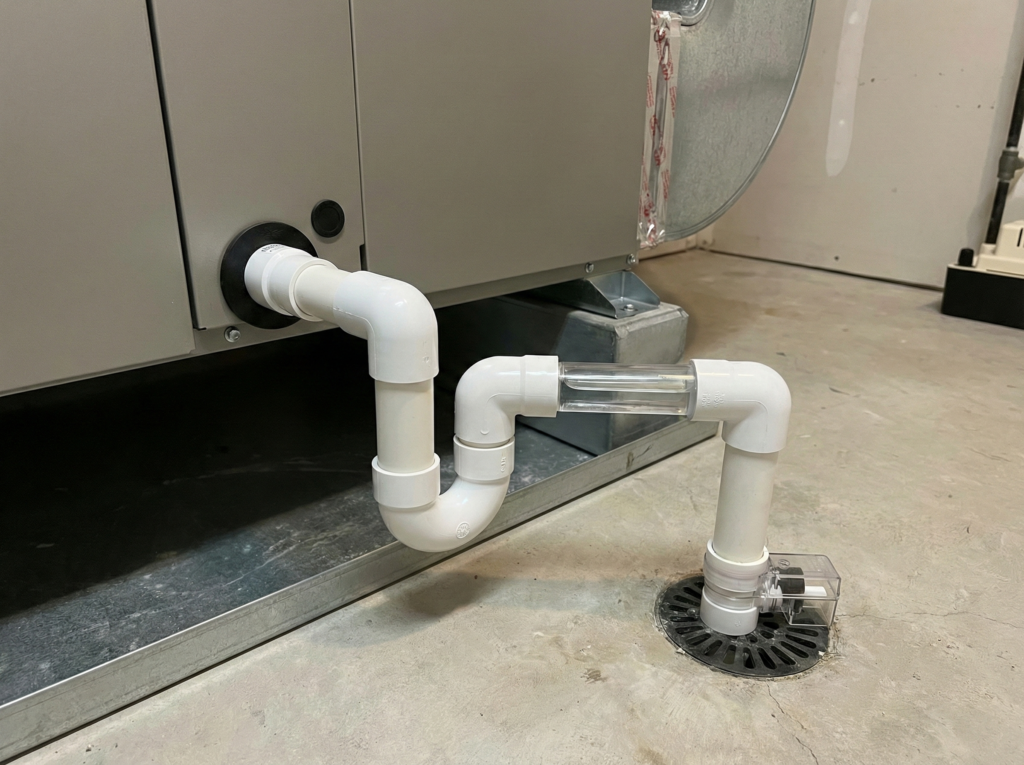
The condensate drain helps remove moisture from the air, which prevents mold and mildew from growing inside your HVAC system. Over time, the drain can become clogged with debris, leading to water damage and a potential increase in allergens.
Check the condensate drain regularly for blockages. If you notice standing water around your air handler, clear any clogs by gently pushing a wire through the drain. You can also clean the drain with a mixture of vinegar and water to prevent mold buildup.
4. Ensure Proper Insulation Around Your HVAC System
Good insulation helps prevent the loss of conditioned air, meaning your HVAC system won’t have to work harder than necessary. Over time, ducts and pipes can become improperly insulated, allowing cold or hot air to escape, which reduces energy efficiency and increases utility bills. Proper insulation also helps maintain indoor air quality by preventing unwanted drafts and moisture buildup, which can lead to mold growth.
How To Do It
Inspect your ducts for visible gaps, cracks, or signs of wear. If your ducts are exposed in areas like attics or basements, make sure they’re properly insulated to avoid temperature loss. Use foam sealant or specialized duct tape to seal any leaks. If you’re unsure whether your system is properly insulated, hire a professional to inspect and upgrade your insulation.
When replacing or installing insulation, opt for environmentally friendly materials like cellulose or spray foam to improve both energy efficiency and sustainability.
5. Test Your Thermostat for Accuracy
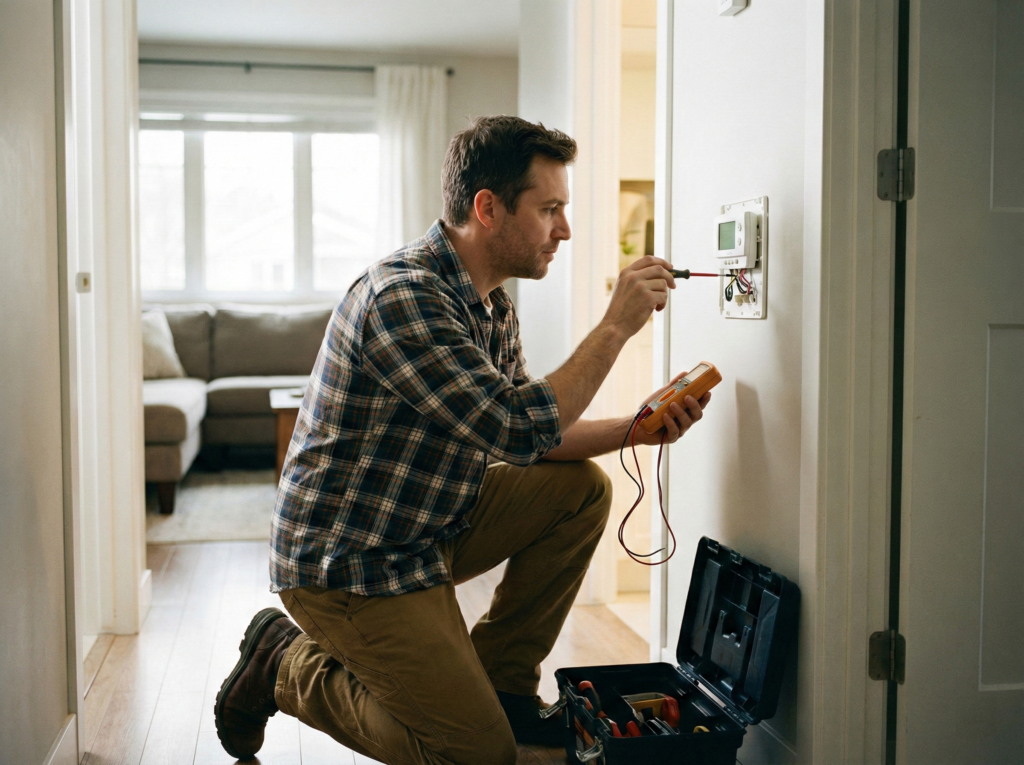
Your thermostat is the control center of your HVAC system. If it isn’t working correctly, your system may run inefficiently, causing energy waste and uneven temperature regulation. Regularly testing and recalibrating your thermostat will help you maintain comfort in your home while also reducing energy consumption.
You can use a simple thermometer to compare the temperature in the room with the temperature displayed on the thermostat. If they don’t match, recalibrate or replace the thermostat if necessary. Programmable and smart thermostats can help you better control energy use by adjusting the temperature based on your schedule.
6. Inspect Refrigerant Levels
Refrigerant is essential for the cooling process in your air conditioning system. Low refrigerant levels can lead to poor cooling performance, higher energy bills, and even system breakdowns. Leaks in the refrigerant lines can also harm the environment, so it’s important to address issues with refrigerant levels promptly.
How To Do It
Have a professional HVAC technician check and refill refrigerant levels if necessary. If you suspect a refrigerant leak, a technician will need to identify and repair it, as refrigerant leaks are often difficult to detect without the right tools. Never attempt to refill refrigerant yourself, as handling refrigerants requires specific knowledge and certification.
Tip: Be proactive about scheduling an annual HVAC inspection, during which refrigerant levels can be checked. Regular maintenance will help prevent leaks from going unnoticed.
7. Clear the Area Around Your Outdoor Unit
Your outdoor HVAC unit works hard to keep your home comfortable, and it needs plenty of space to function efficiently. If it’s obstructed by debris, leaves, or overgrown vegetation, airflow can be restricted, leading to reduced efficiency and possible system failure.
Regularly clear away leaves, branches, and other debris that may gather around your outdoor condenser unit. Ensure that plants and shrubs are trimmed back to allow at least 2-3 feet of clearance on all sides. This will allow your system to breathe properly and prevent overheating.
8. Check and Seal Your Ductwork
Leaky ducts can lead to significant energy loss and poor indoor air quality. Air can escape through small gaps in the ducts, and dust or allergens can enter the system, leading to poor air circulation and potential health issues. Sealing your ductwork ensures your system is working at its highest efficiency and helps improve the overall indoor environment.
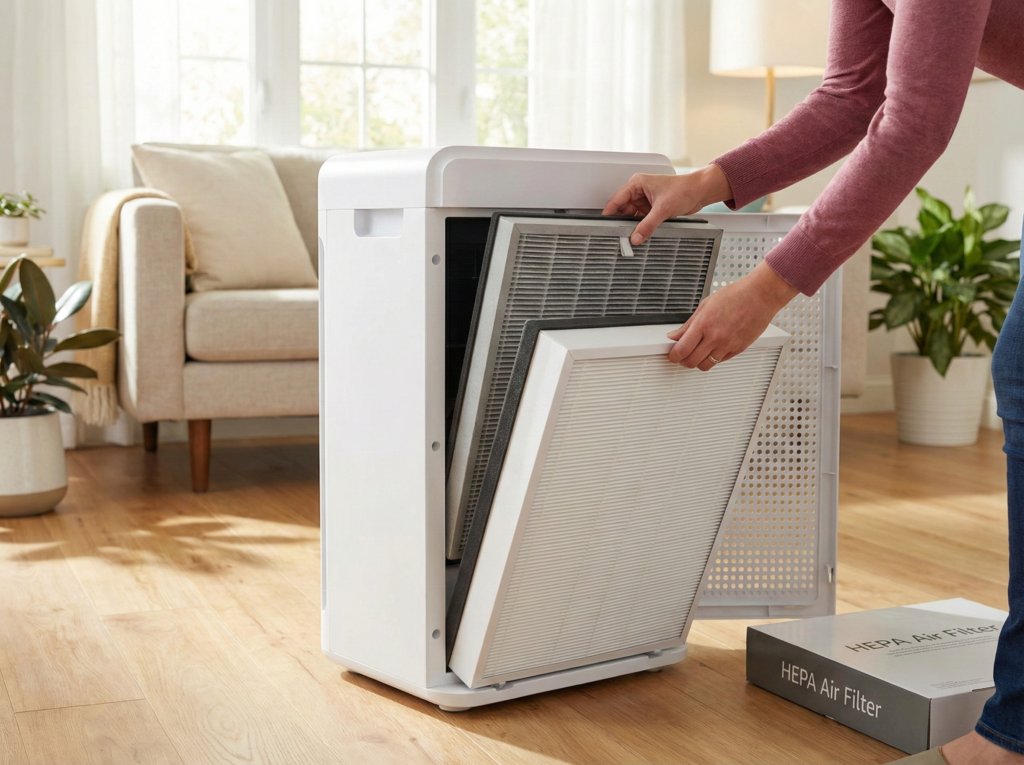
You can also hire a professional to perform a more thorough inspection and seal any hidden leaks in your system. A professional can also perform a duct cleaning service if dust and debris have built up over time. Consider investing in high-efficiency particulate air (HEPA) filters, which will help reduce allergens and other particles in the air, especially if you have respiratory concerns or allergies.
9. Clean and Maintain Your Air Vents and Registers
Air vents and registers can accumulate dust and debris, which can impede airflow and decrease the overall efficiency of your HVAC system. Regular cleaning of these components not only helps your system run more efficiently but also improves the air quality in your home by preventing dust buildup.
How To Do It
Using a soft brush or vacuum attachment, clean the grilles and ducts around your air vents and registers. Don’t forget to wipe them down with a damp cloth to remove any stubborn dust. If your air vents are difficult to access, consider having them professionally cleaned.
Tip
Consider installing vent covers with filters to catch dust before it enters your HVAC system. This simple addition can prevent allergens from circulating through your home.
10. Schedule Professional HVAC Inspections
While regular DIY maintenance can go a long way, there are certain tasks that require professional attention. Having your HVAC system inspected at least once a year can help identify and address potential issues before they become costly problems. During a professional service, a technician will check for refrigerant leaks, inspect and clean the coils, and assess overall system efficiency.
Many HVAC companies offer service packages that include regular inspections and discounted repairs. This can save you money in the long run and provide peace of mind that your system is well-maintained.
Conclusion
Maintaining your HVAC system is key to improving indoor air quality, reducing allergens, and ensuring that your home stays comfortable year-round. By incorporating these 10 essential maintenance tips into your routine, you’ll improve your HVAC system’s efficiency, extend its lifespan, and save money on energy bills and costly repairs. Whether you’re tackling DIY tasks like changing air filters or scheduling a professional inspection, regular maintenance will help keep your home healthy and running smoothly.
Remember, an ounce of prevention is worth a pound of cure. Stay proactive with your HVAC care, and you’ll enjoy a more comfortable, healthier home for years to come.
Related Articles
- Monthly Home Maintenance Checklist to Prevent Costly Repairs, Improve Safety, and Keep Your Home Running Smoothly
- 20 Seasonal Home Maintenance Tasks: A Complete Year-Round Checklist to Keep Your Home in Top Shape