

A house fire can begin in just moments. It might happen from something as ordinary as stepping away from the stove for a minute, plugging too many devices into an outlet, or leaving a candle burning. Most people think it won’t happen to them, but every year, fire departments in the U.S. handle hundreds of thousands of house fires. These fires lead to serious losses that could often be avoided.
Here’s the good part. You can lower your risk a lot with safe habits, the right tools, and a solid emergency plan to keep your loved ones safe. This guide covers the best and most up-to-date fire safety tips all households need to know. It includes advice from experts, simple DIY tips, potential dangers, and the latest home safety trends that will be popular in 2024 and 2025.
1. Set Up and Check Smoke Alarms, Your Most Crucial Protection
Why It’s Important
Smoke alarms that work reduce the chance of dying in a house fire by half. They can give you crucial seconds to leave the house at night when fires are deadliest.
Steps To Take
- Place smoke alarms inside each bedroom, in hallways near sleeping areas, and on every floor of your house
- Press the test button to check alarms every month
- Swap out the batteries at least once a year. A lot of people do this when Daylight Saving Time shifts
- Get a new alarm every decade even if it still works fine
DIY Hack
Grab a can of compressed air to clean out dust because too much dust can mess with the alarm or cause it to go off for no reason.
New Options
Smart alarms connect and send phone alerts. These are super handy for parents, people who travel, or those who are out most of the day.
2. Plan a Fire Escape Route Everyone in Your Family Understands
In a house fire, you have around two minutes to get everyone out. Being prepared counts more than being perfect.
Some Steps That You Should Follow
- Sketch a simple map of your house, trying to include two exits in every room if you can
- Pick a meeting place outside where everyone can gather
- Run fire drills two times a year, be sure to practice at night too
- Check that windows open without trouble and that kids can handle the locks
Do-It-Yourself Idea
Add glow-in-the-dark tape along hallways, stair edges, or baseboards to create a visible path during power outages or emergencies. This simple upgrade helps guide everyone safely through your home when lights are out, reduces the risk of trips or falls, and is especially helpful for kids, guests, or nighttime evacuations.
Keeping Kids Calm
Emergency drills don’t have to be scary for young children. Frame them in a reassuring way, such as explaining “This is how we practice staying safe together.” So kids feel supported, confident, and prepared rather than anxious.
3. Focus on Safe Cooking Habits, The Leading Cause of House Fires

Kitchen fires are the most common starter of house fires because someone steps away thinking it’s just for a moment. Stick a magnetic or digital timer to your range hood. This will help remind you to keep checking on your food.
Things You Can Do
- Always keep an eye on food cooking on the stove
- Keep items like towels, paper, or curtains far from stove burners
- Turn pot handles inward to prevent spills or accidents with kids
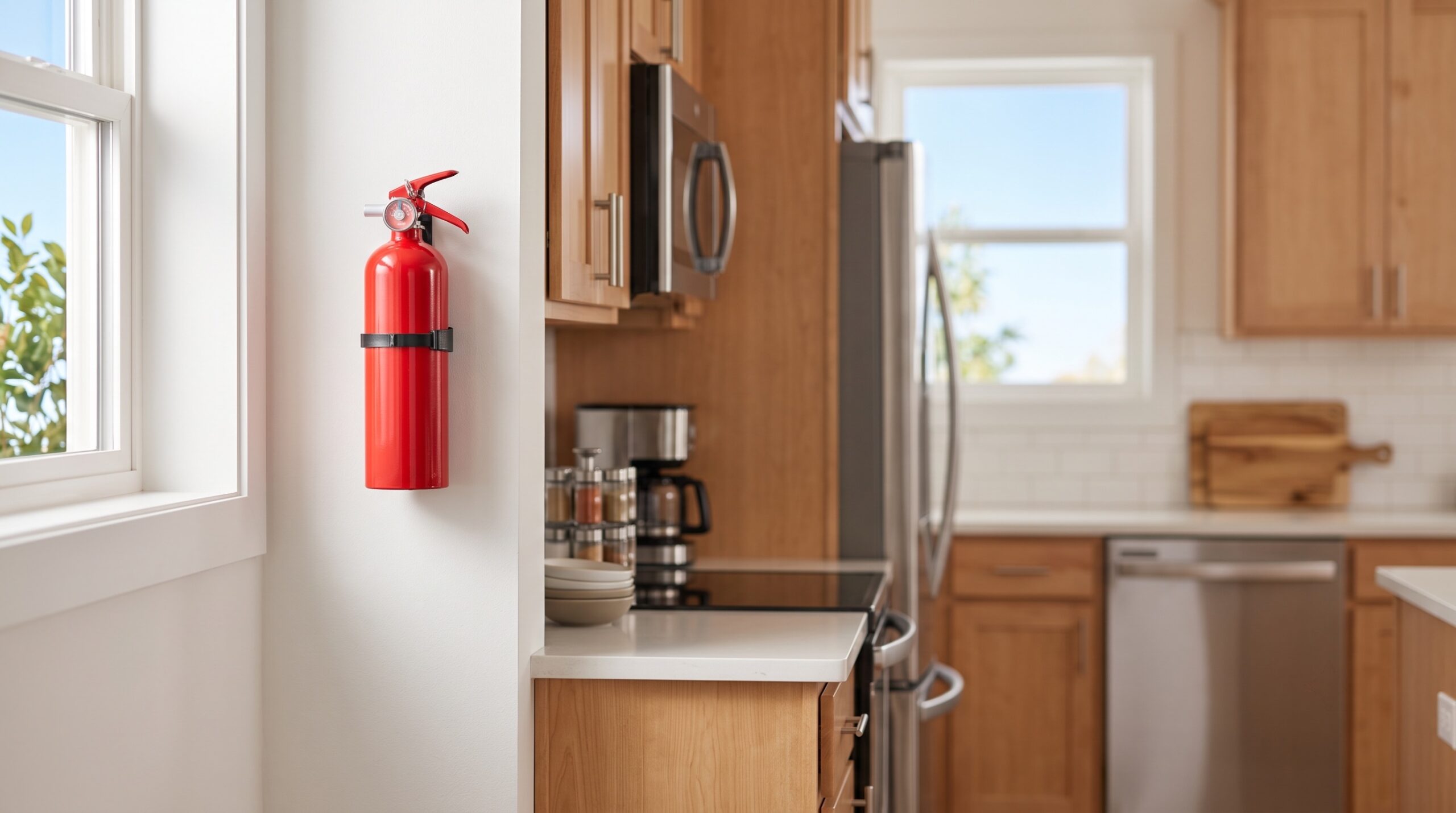
- Have a fire extinguisher or fire blanket close by just in case
4. Handle Electrical Appliances With Care to Lower Wiring Dangers
5. Be Careful With Heat Sources: Space Heaters, Fireplaces, and More

Let me show you some steps to follow:
- Keep heaters at least 3 feet away from stuff that can catch fire
- Always switch off heaters when you leave the room or go to bed
- Put a screen or a fireguard around fireplaces to keep kids and pets safe
- Clean chimneys every year to get rid of flammable creosote buildup
6. Store Flammable Items
Steps You Can Take
- Store gasoline, propane, and cleaning supplies in places with good airflow
- Avoid keeping propane tanks inside the house
- Throw oily rags into a metal container with a tight-fitting lid
- Place candles on solid safe surfaces that can take heat, and never leave them burning alone
Trend to Watch
Families are using LED flameless candles more now. They’re safer, stylish, and last a long time.
7. Clean Your Dryer Vent to Stop Hidden Fires
Lint piling up in your dryer is often ignored, but it can cause dangerous house fires.
Actions You Should Follow
- Always clean the lint trap after every use
- Check and clear out the dryer vent hose every year
- Stay away from foil or vinyl accordion ductwork because they can hold lint and get too hot
- Pick rigid metal vent pipes to improve airflow
Useful Advice
A long bendable dryer brush from any hardware shop can make cleaning simple and effective.
8. Charge Your Gadgets
Most homes today use lots of gadgets, and many house fires now result from faulty chargers or batteries.
What You Should Do
- Stick to chargers that are certified or approved by the manufacturer
- Never charge your phone on beds, couches, or around blankets
- Try not to leave devices plugged in all night
- Replace damaged chargers as soon as you notice the problem
What’s Trending?

At the present, humans’ concerns about lithium-ion battery safety are on the rise when it comes to e-bikes, scooters, and big rechargeable tools. If possible, charge these items outside or in spaces with good airflow.
9. Keep Fire Extinguishers Where They’re Needed Most
Small fires can grow twice their size in under 60 seconds. Having an extinguisher nearby could make all the difference. You can consider placing it in the kitchen, garage, near fireplaces, outdoor cooking areas, or on every floor. Use a multipurpose ABC extinguisher and remember to check the pressure gauge once a month and read over the instructions every year.
10. Teach Fire Safety to Everyone in the Family Even the Kids
 Fire safety isn’t just an adult responsibility, it’s important for kids to understand it too. Teaching children about emergencies in a calm, age-appropriate way helps them feel prepared and secure rather than frightened, which can make a big difference in stressful situations. Important lessons include knowing how to dial 911, recognizing alarm sounds, practicing the stop, drop, and roll technique, understanding why they should never hide during a fire, learning how to open windows or doors if needed, and becoming familiar with the family’s escape plan.
Final Thoughts: Fire Safety Takes Practice, Not Just a One-Time Effort
Keeping your home and family safe doesn’t require expensive upgrades or professional help. It starts with awareness, preparation, and building simple habits that reduce everyday risks and help you feel more in control.
Begin with small, practical steps like testing smoke detectors, reviewing your family’s escape plan together, clearing space around heaters, checking electrical cords, and cleaning out the dryer’s lint filter. These quick actions add up to a safer home and offer peace of mind, knowing you’ve taken meaningful steps to protect the people who matter most.
Related Articles
- Monthly Home Maintenance Checklist to Prevent Costly Repairs, Improve Safety, and Keep Your Home Running Smoothly
- 20 Seasonal Home Maintenance Tasks: A Complete Year-Round Checklist to Keep Your Home in Top Shape