


Building a smart home doesn’t have to drain your savings or turn into a complicated renovation project. With thoughtful planning and a focus on practical upgrades, you can add convenience, improve security, and increase efficiency without overspending. The key is to prioritize wisely, expand gradually, and avoid features you won’t use.
For households across the United States, whether you’re renting an apartment or settling into your first home, a budget-friendly smart home is completely achievable. You don’t need every device on the market. You need the right ones.
Start With Clear, Practical Goals
Before buying anything, decide what you want your smart home to actually do. When purchases are driven by sales or trends instead of real needs, costs add up quickly and devices often sit underused.
Focus on daily frustrations you’d like to solve. Maybe you’re tired of walking through a dark house at night. Maybe you want to check on deliveries while at work. Or perhaps you’re trying to make mornings run more smoothly. Limiting your first phase to one or two clear goals keeps spending controlled and prevents overwhelm. Once those upgrades are running smoothly, you can expand confidently.
Choose One Platform and Stay Consistent
One of the most common and expensive mistakes is mixing incompatible systems. While many devices claim broad compatibility, the experience isn’t always seamless. Multiple apps, inconsistent automations, and connection issues can create frustration.
Pick a primary ecosystem based on what you already use. If you rely heavily on a certain voice assistant or smartphone platform, build around it. Staying consistent reduces setup time and avoids the need for additional hubs or adapters. A unified system also simplifies troubleshooting. When everything works within the same framework, diagnosing issues becomes much easier and less time-consuming.
Make Sure Your Internet Is Ready
A reliable Wi-Fi connection is the backbone of any smart home. If your signal drops frequently or struggles in certain rooms, even high-quality devices won’t perform well. Before investing in multiple gadgets, evaluate your router’s coverage. Larger homes, multi-story layouts, or properties with thick walls may benefit from a mesh Wi-Fi system. While that might seem like an added expense, stable connectivity often prevents unnecessary device returns and upgrades. Ensuring your network is solid from the start saves money and frustration later.
Start Small With High-Impact Devices
You don’t need to automate everything at once. In fact, starting small is one of the best ways to stay within budget. Smart plugs are often among the most affordable entry points. They allow you to control lamps, fans, or small appliances through your phone or voice assistant. Scheduling lights to turn off automatically or powering down electronics overnight adds convenience immediately.
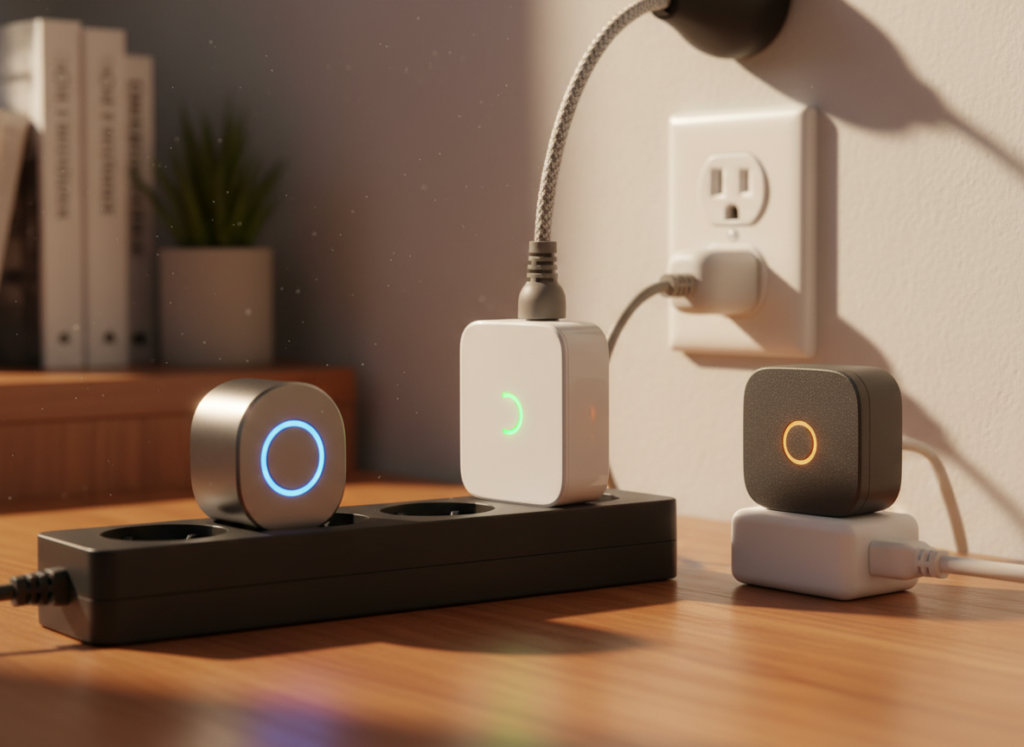
Smart bulbs are another simple upgrade. They don’t require rewiring, and they allow you to adjust brightness or create schedules with minimal effort. For renters, this flexibility is especially appealing since the bulbs can move with you.
A smart speaker or display can serve as your control center, tying devices together and making voice commands possible. Frequent discounts make these devices accessible without stretching your budget. By starting with just a few core items, you’ll learn what features matter most before committing to larger purchases.
Avoid Unnecessary Subscription Fees
Some smart home devices require monthly subscriptions for full functionality, particularly cameras and video doorbells. While these services can be valuable, recurring costs add up over time. Before buying, review what features are included for free and what requires payment. In some cases, local storage options eliminate the need for ongoing fees. In others, limited cloud storage may be sufficient. Factor subscription costs into your overall budget. A device that seems inexpensive upfront may become costly over several years if fees aren’t considered.

Look for Utility Rebates and Seasonal Sales
Many local utility providers offer rebates for energy-efficient smart devices, especially smart thermostats. Checking your utility company’s website before purchasing could reduce costs significantly.
Major retail sales events throughout the year also offer substantial discounts on smart home products. Planning purchases around these periods can stretch your budget further without sacrificing quality. However, don’t buy simply because something is discounted. Make sure it aligns with your goals and integrates smoothly with your existing setup.
Focus on Automation, Not Just Control
Owning smart devices is helpful, but automation is where real value appears. Setting routines allows your home to work in the background without constant manual input. For example, you can create a “Good Night” routine that turns off lights, lowers the thermostat, and locks doors with a single command. A “Leaving Home” routine can shut off unnecessary devices and activate security features. These small efficiencies save time daily. Over months and years, that convenience becomes one of the strongest returns on your investment.
Consider Long-Term Energy Savings
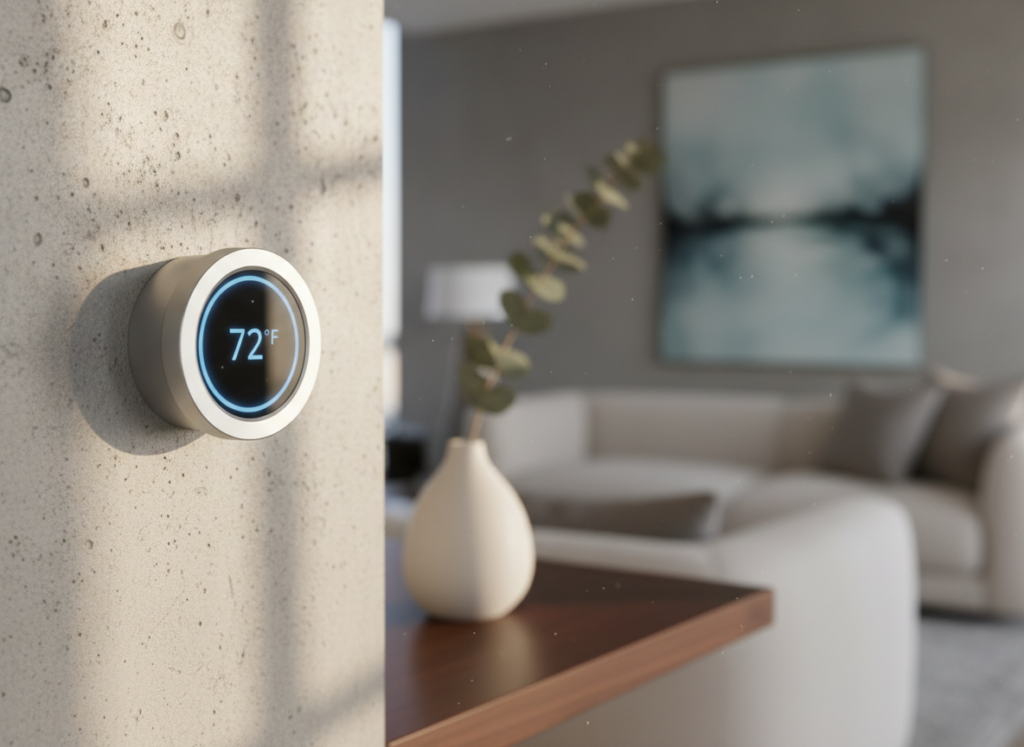
While some smart home upgrades are purely about convenience, others can reduce utility bills over time. Smart thermostats, for example, help regulate heating and cooling more efficiently when properly scheduled. If you’re interested in lowering energy costs, prioritize devices that directly impact high-consumption systems. Even small scheduling adjustments can add up during peak heating or cooling seasons. That said, energy savings shouldn’t be the only reason for upgrading. Comfort and ease of use are just as important when deciding where to invest.
Expand Gradually and Evaluate
Once your initial setup is running smoothly, you can evaluate what’s working well and what could be improved. Expanding gradually prevents unnecessary spending and ensures every addition serves a purpose. Pay attention to how often you use certain features. If voice control becomes part of your daily routine, adding more compatible devices may make sense. If certain functions go unused, it’s a signal to reconsider future purchases. Smart home technology evolves quickly, and prices continue to shift. Spreading purchases over time allows you to take advantage of improved models and competitive pricing.
Balance Security and Privacy

As you build your smart home, be mindful of security settings. Use strong, unique passwords and enable two-factor authentication when available. Keeping devices updated with the latest firmware helps protect against vulnerabilities. You don’t need to become a cybersecurity expert, but basic precautions go a long way in maintaining both safety and peace of mind.
Conclusion
Building a smart home on a budget is entirely possible with careful planning and realistic expectations. By starting with clear goals, choosing a consistent platform, and investing in reliable, high-impact devices, you can create a connected home that improves daily life without unnecessary expenses.
Take your time, prioritize practicality, and focus on automation that simplifies your routine. When you expand thoughtfully and evaluate each step, your smart home will grow in a way that feels manageable and worthwhile. Over time, even modest upgrades can transform how your household functions, delivering convenience, control, and confidence at a price that fits your budget.
Related Articles
- Top Affordable Smart Home Devices for Easy Setup and Everyday Convenience
- Top Smart Home Gadgets for Small Apartments and Limited Spaces