


Lifestyle design is the practice of shaping your daily life around what you value most, instead of letting routines, obligations, and distractions make the decisions for you. It’s a practical way to align your time, energy, money, and environment with your priorities. In a world that’s always “on,” intentional living can help you feel more grounded, make clearer choices, and build a life that supports your health, relationships, and long-term goals.
What Lifestyle Design Means in Real Life
Lifestyle design sounds abstract until you connect it to everyday decisions. At its core, it’s a framework for choosing how you live on purpose. That can include your schedule, your home setup, your work boundaries, your spending habits, and the way you care for your body and mind.
It isn’t limited to people who can move across the country or quit their jobs. In fact, most lifestyle design is small, consistent decisions that add up. Choosing a morning routine that reduces stress, setting up your home office to support focus, or creating a weekly plan that protects family time are all lifestyle designs in action. A useful way to think about it is this: you’re designing systems that make it easier to live the life you want, even when you’re tired, busy, or distracted.
Why Intentional Living Feels More Important Than Ever
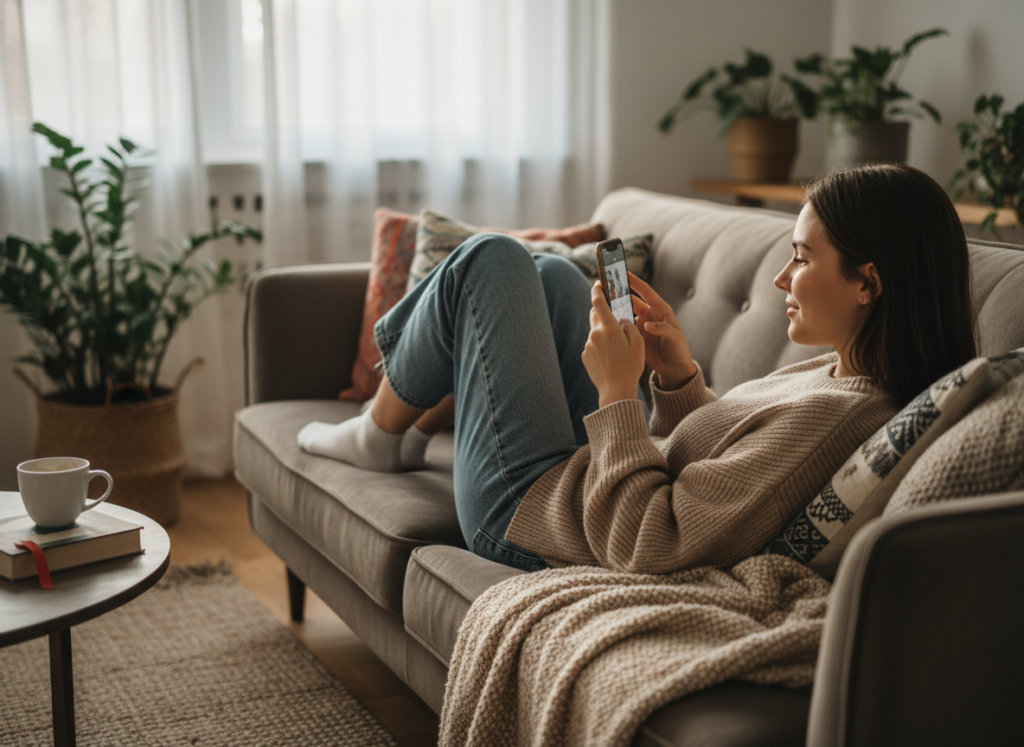
Many people feel stretched thin right now. Work has blurred into home life for millions of households. Commutes, caregiving, and rising costs can squeeze time and attention. Social media adds a constant stream of comparisons and noise. When everything competes for your focus, you can end up living reactively, always responding and rarely choosing.
Intentional living matters because it gives you a filter. It helps you decide what to say yes to, what to postpone, and what to let go of. It also reduces decision fatigue. When your routines and environment are designed around your priorities, you don’t have to renegotiate the same choices every day.
Intentional living can also support mental well-being. When your days reflect what you value, you’re more likely to feel steady, confident, and less scattered.
The Core Elements of Lifestyle Design
Lifestyle design works best when it’s built on a few clear foundations. You don’t need a complicated framework. You need clarity, consistency, and a willingness to adjust when life changes.
Here are the elements that show up in most intentional living plans:
- Values: what matters most to you right now
- Boundaries: what you’re protecting and what you’re limiting
- Systems: routines and structures that make good choices easier
- Environment: your home, digital spaces, and social circles
- Reflection: regular check-ins to see what’s working
You don’t have to perfect all of these at once. Even improving one area can have an outsized impact.
How to Identify Your Priorities Without Overthinking
Many people struggle with values because they try to find the “right” answer. A simpler approach is to start with current reality. Ask yourself what you want more of and what you want less of.
More of it might look like: calm mornings, better sleep, stronger relationships, consistent workouts, more time outside, less financial stress, or fewer last-minute obligations.
Less of might look like: screen time spirals, clutter, overcommitting, constant snacking, or work bleeding into evenings.
Then choose two or three priorities for the next season of life. Season is important because priorities shift. A new job, a move, a new baby, or a health goal will change what makes sense. Lifestyle design stays practical when it’s flexible.
Design Your Days Using Simple Systems
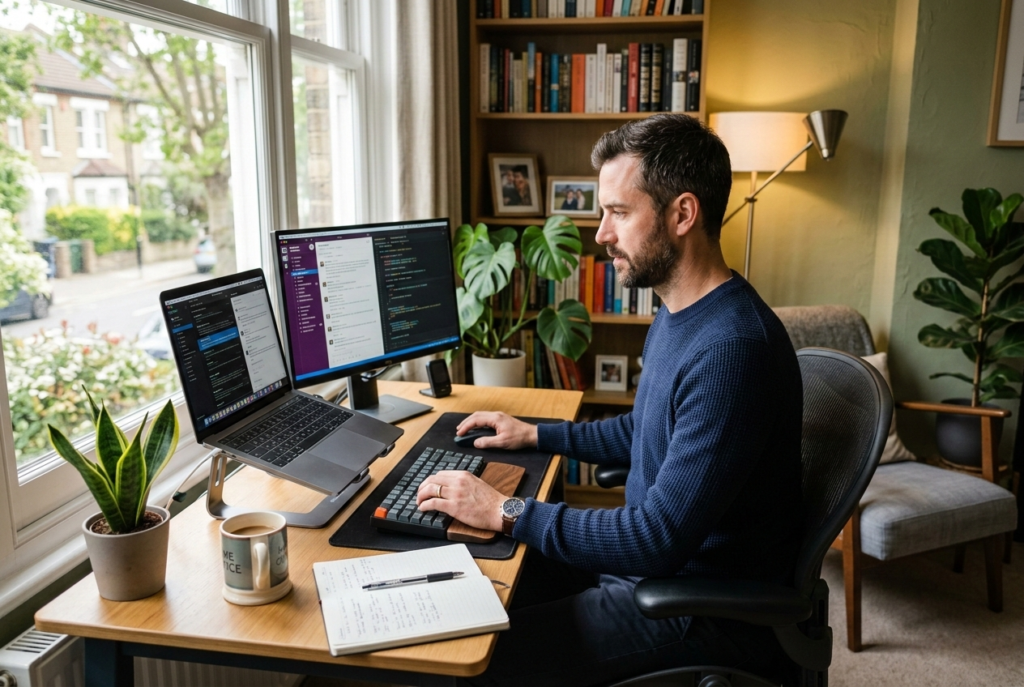
Once priorities are clear, the next step is turning them into systems. Systems are repeatable structures that reduce friction. They don’t require constant motivation, and they protect your attention.
For time management, focus on a few high-impact systems. Time blocking works well for people juggling work and personal responsibilities because it makes space visible. A weekly planning session, even 20 minutes, can prevent your calendar from being shaped entirely by other people’s needs.
If you’re working remotely or in a hybrid schedule, boundaries matter even more. A clear “start and end” ritual, such as a short walk, changing clothes, or shutting down your laptop and clearing your desk, signals that the workday is over. For health, systems might include meal prepping one component on weekends, setting out workout clothes the night before, or scheduling a daily screen-free window after dinner.
Use Your Home Environment to Support Intentional Living
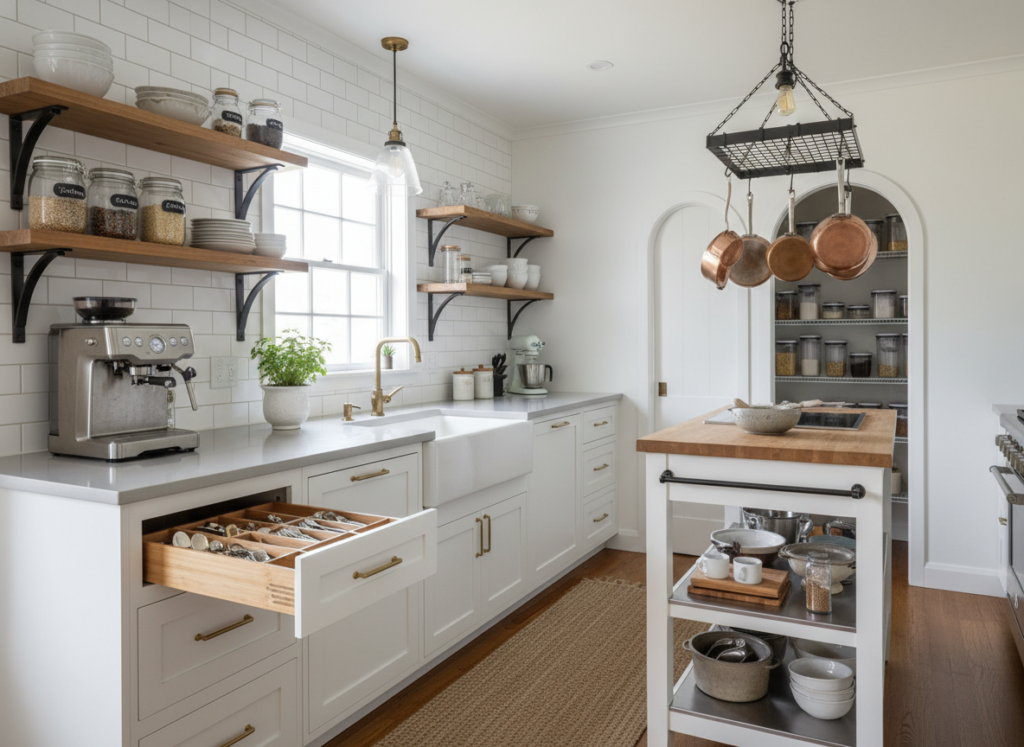
Your environment has a powerful effect on behavior. When your home supports your habits, you’ll rely less on willpower. This is one reason lifestyle design overlaps with functional interior design, organization, and wellness.
Start with the spaces you use most. If mornings feel rushed, simplify the bedroom and bathroom setup. Keep essentials accessible and reduce clutter hotspots. If you want to cook more, make your kitchen easier to use by keeping tools where you prep and reducing countertop chaos.
Small upgrades can make routines smoother. A dedicated drop zone by the entry reduces daily mess. A charging station prevents cords from spreading across the house. A comfortable chair and proper lighting make a workspace more sustainable. Your home doesn’t need to look like a magazine. It needs to help you live better.
Manage Digital Inputs Like You Manage Physical Clutter
Intentional living today requires digital boundaries. Many people don’t realize how much their attention is shaped by notifications, endless feeds, and multitasking.
Start by auditing the biggest drains. You might notice that certain apps pull you in when you’re tired or stressed. You might also notice that constant news checks affect mood and focus.
Practical steps include turning off nonessential notifications, setting social media time limits, and creating phone-free zones such as the bedroom or dinner table. If you use your phone as an alarm, consider a standalone alarm clock so you aren’t waking up to alerts and feeds. Digital design is lifestyle design. Your attention is a resource, and it’s worth protecting.
Align Spending With Your Values Without Feeling Restricted
Lifestyle design also includes financial decisions, because money affects your options and your stress levels. Intentional living doesn’t require extreme budgeting, but it does require awareness.
Start by identifying where your spending doesn’t match what you value. Many people spend automatically on subscriptions they don’t use, convenience purchases that don’t improve life much, or impulse buys triggered by stress.
Then choose a few “high value” categories where spending does support your life. That might be healthy groceries, fitness, therapy, travel, or tools that save time. The goal isn’t to deprive yourself. It’s to direct your money toward what actually matters.
Build Intentional Relationships and Community

A well-designed life includes people, not just habits. Intentional living encourages you to be more deliberate about the relationships you nurture and the environments you spend time in.
If you want stronger friendships, design for it. Put recurring plans on the calendar. Create simple hosting routines that don’t require perfection. If family time is a priority, protect it with boundaries around work and devices.
Community can also be supportive in practical ways. Walking groups, classes, volunteer work, and hobby communities add structure and connection. When your social life is aligned with your values, you’ll feel more supported and less drained.
Common Myths That Get in the Way
Lifestyle design sometimes gets dismissed as unrealistic or self-centered. In reality, it’s often the opposite. When your life is aligned with your priorities, you have more capacity for others and less burnout.
Another myth is that intentional living requires constant self-improvement. It doesn’t. It requires reflection and adjustment, not perfection. You’re allowed to choose rest, simplicity, and ease. Finally, some people assume intentional living is only for major life changes. The truth is that small shifts, repeated consistently, usually create the biggest results.
Conclusion
Lifestyle design is a practical way to bring more clarity and control to everyday life. By defining what matters, building simple systems, shaping your environment, and setting boundaries around time and attention, you can make daily living feel less reactive and more grounded. Intentional living supports better decisions, stronger relationships, and a calmer sense of direction, even when life stays busy. When your routines reflect your values, you don’t need a perfect life to feel like you’re living the right one.
Related Articles
- Key Modern Lifestyle Trends Influencing How We Live and Work
- Mindful Living at Home: Everyday Practices for Calm and Presence
- Slow Living Lifestyle: Practical Ways to Live More Intentionally Every Day
- Minimalist Lifestyle Tips: Simple Ways to Create a More Meaningful Life
- Sustainable Lifestyle Ideas: 9 Simple Ways to Build a Greener Life
- How to Build a Balanced Lifestyle for Work, Rest, and Personal Wellbeing
- Top 10 Lifestyle Habits That Support Long Term Wellbeing and Daily Balance