

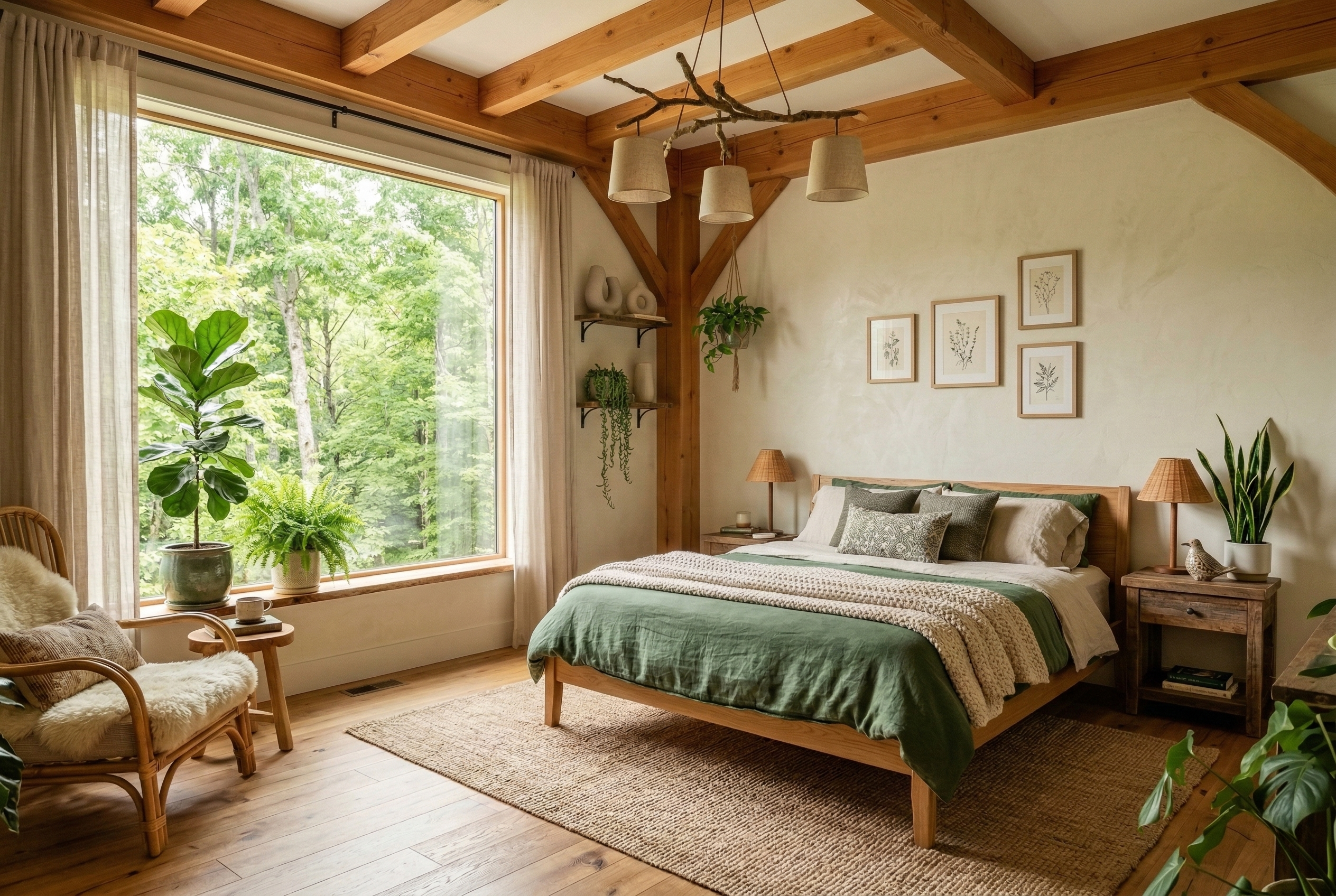
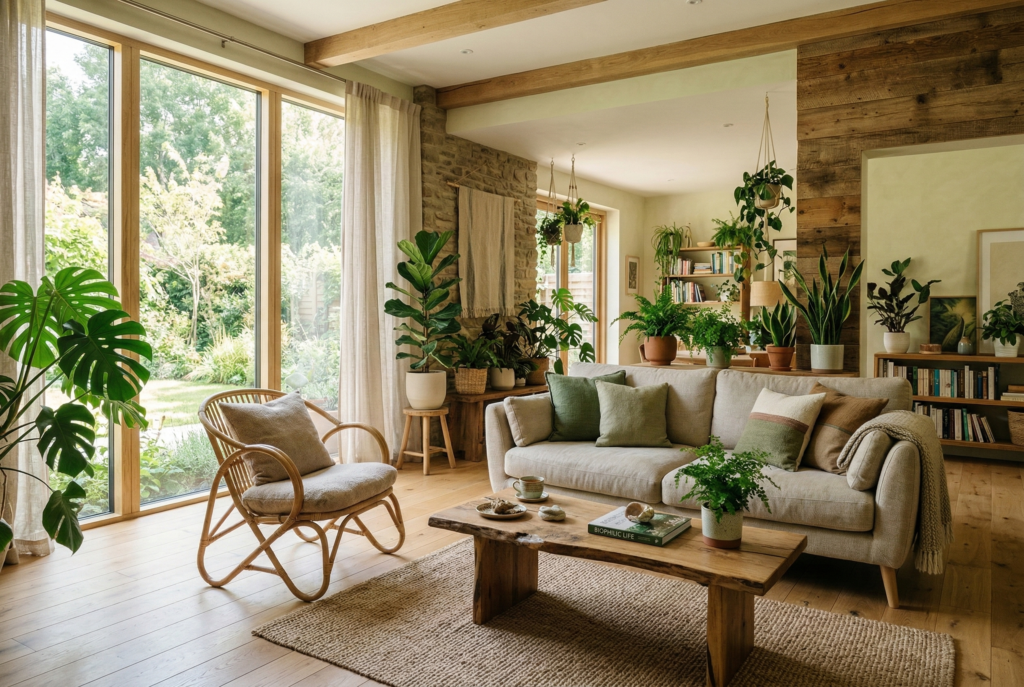
Biophilic design is a thoughtful way to make your home feel more calming, restorative, and connected to the natural world. Instead of treating nature as an afterthought, this design approach weaves natural light, organic materials, plants, and sensory comfort into everyday living. Whether you live in a city apartment, a suburban house, or a smaller rental, biophilic design can help your home feel fresher, softer, and more supportive of daily well-being.
Understand What Biophilic Design Means in Everyday Life
Biophilic design is based on a simple idea: people tend to feel better when they’re more connected to nature. In home design, that doesn’t mean turning your living room into a greenhouse. It means using natural elements in intentional ways that improve how a space looks and feels.
That connection can come from several sources. Natural daylight, indoor plants, fresh air, wood textures, stone surfaces, water-inspired colors, and views of the outdoors all contribute to a more grounded environment. Even subtle choices, such as linen curtains that move with a breeze or a woven basket that adds texture, can make a room feel less rigid and more relaxing.
For many households, the appeal of biophilic interior design is practical as well as aesthetic. A home that feels calmer can support better focus, easier rest, and a stronger sense of comfort at the end of a busy day.
Use Natural Light as a Foundation for the Entire Space
One of the most effective biophilic design ideas is also one of the simplest: make better use of natural light. Sunlight changes the mood of a room, brings out the warmth in materials, and helps interiors feel more open and alive.
Start by looking at what may be blocking daylight. Heavy curtains, bulky furniture near windows, or overly dark wall colors can reduce brightness more than you realize. Lighter window treatments, strategically placed mirrors, and a more open furniture layout can help daylight travel further into the room.
If privacy matters, choose window coverings that filter light instead of shutting it out completely. Sheer panels, woven shades, or adjustable blinds often work well because they soften the light while keeping the room bright. In homes where daylight is limited, warm layered lighting can still support a softer, more natural atmosphere, especially when paired with natural textures and earth-toned finishes.
Bring in Houseplants That Match Your Lifestyle
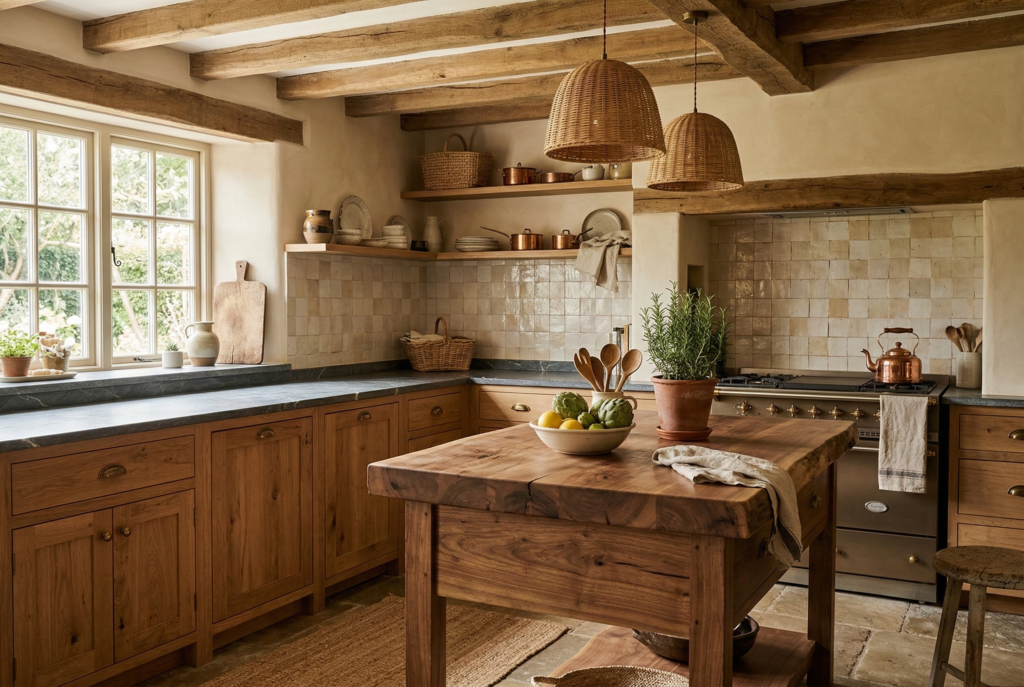
Plants are one of the most recognizable features of biophilic interior design, but they work best when they’re realistic for your schedule and space. A few healthy plants placed well will always look better than a large collection that’s difficult to maintain.
If you’re new to indoor plants, start with varieties known for being forgiving, such as snake plants, pothos, ZZ plants, or peace lilies. In brighter rooms, you may have more flexibility to use larger statement plants like fiddle leaf figs or birds of paradise. In smaller rooms, compact plants on shelves, counters, or windowsills can still add the same sense of life and softness.
Placement matters just as much as plant choice. A tall plant can fill an empty corner and add height. A trailing plant on a shelf softens straight lines. A small herb pot in the kitchen can make the room feel fresher and more useful. The goal is to let greenery enhance the space naturally rather than making it feel crowded.
Choose Natural Materials That Add Warmth and Texture
Biophilic design often feels calming because it replaces cold, artificial surfaces with materials that feel warmer and more tactile. Wood, rattan, linen, cotton, wool, jute, clay, cork, and stone all help a room feel more grounded.
You don’t need a full renovation to use these materials well. A wood coffee table, a woven pendant light, linen bedding, or a jute rug can shift the feeling of a room immediately. In kitchens and bathrooms, even small details such as wooden trays, ceramic containers, or stone-inspired finishes can make the space feel less sterile.
Texture is especially important in homes with a lot of smooth or hard surfaces. If a room has painted drywall, metal fixtures, and glass, adding softer and more organic materials creates balance. This contrast makes the space feel more comfortable without adding visual clutter.
Build a Nature Inspired Color Palette That Feels Calm
Color plays a major role in biophilic home design. The most effective palettes often draw from landscapes rather than trends. Soft greens, warm neutrals, sandy beiges, clay tones, muted blues, and deeper forest or olive shades all help create a more natural mood.
The key is restraint. A nature-inspired palette works best when it feels cohesive and layered instead of overly themed. You don’t need leaf prints on every wall or a room full of bright green accents. A calmer effect usually comes from using a few natural colors consistently through paint, textiles, art, and decorative objects.
For example, a living room might combine warm white walls, medium wood furniture, olive pillows, and a rug with subtle earth tones. A bedroom might use soft beige bedding, muted blue-gray walls, and natural linen curtains. These combinations feel connected to nature without feeling overly styled.
Improve Airflow and Sensory Comfort Throughout the Home
A healthier living space doesn’t only depend on what you see. It also depends on how the air feels, how a room smells, and whether the environment feels physically comfortable. Biophilic design pays attention to these sensory details because they shape how you experience the home every day.
When the weather allows, opening windows to increase fresh air can make a noticeable difference. Ceiling fans and cross-ventilation also help rooms feel lighter and more breathable. In spaces where outside air quality or temperature is a concern, air purifiers and HVAC maintenance can still support a fresher indoor environment.
Scent can also influence how natural a home feels. Instead of overly artificial fragrances, many people prefer subtle botanical or wood-based scents such as eucalyptus, cedar, lavender, or citrus. Used lightly, these can reinforce the calm mood of the space without becoming overwhelming.
Create Stronger Visual Connections to the Outdoors
One of the smartest biophilic design strategies is emphasizing your home’s connection to what’s outside. If you have a window with trees, sky, or a garden view, treat that view as part of the room’s design. Arrange seating to face it when possible, and avoid blocking it with bulky furniture.
Even in homes without dramatic scenery, you can still create visual ties to nature. Artwork featuring landscapes, botanical photography, or nature-inspired abstract pieces can help reinforce that connection. Mirrors placed to reflect outdoor light or greenery can also make a room feel more expansive and alive.
In entryways, patios, balconies, or small porches, a few potted plants or natural materials can help ease the transition between indoors and outdoors. That sense of continuity often makes the whole home feel more peaceful.
Use Water and Natural Movement in Subtle Ways
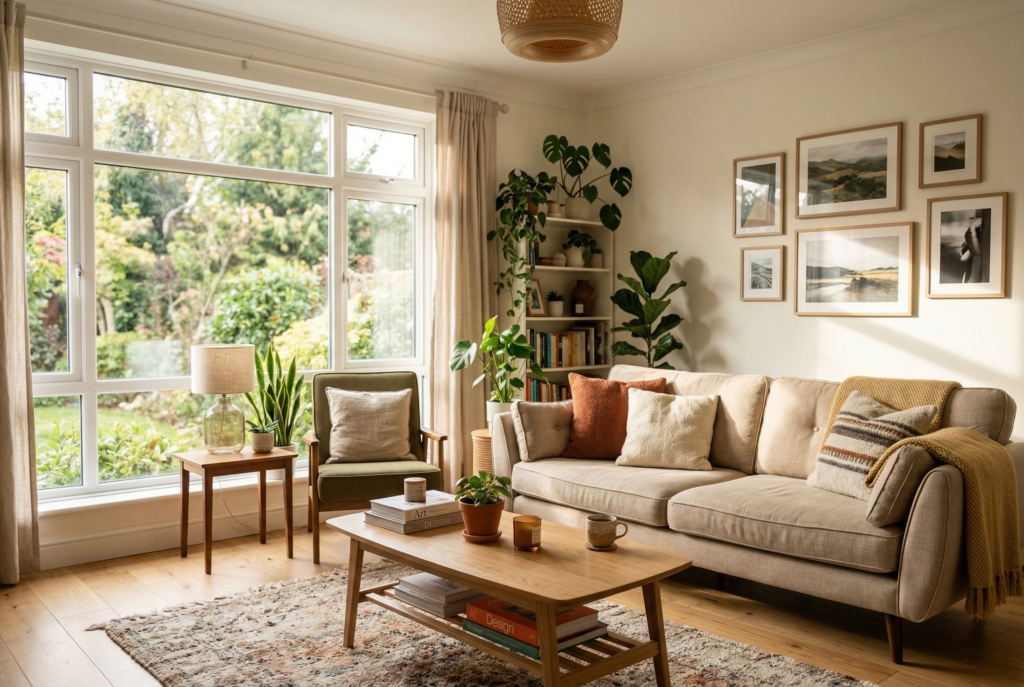
Nature feels calming partly because it includes motion, sound, and variation. Biophilic interiors can echo that feeling without becoming overly decorative. Curtains moving in a breeze, branches in a vase, a flickering candle, or the soft sound of a tabletop fountain can add gentle movement that makes a room feel less static.
These elements should be used carefully. A little goes a long way. The goal is to create softness and rhythm, not distraction. In many homes, the easiest way to do this is through fabrics, greenery, and a few objects that introduce natural irregularity, such as handmade ceramics or wood grain with visible variation.
This approach is especially useful in modern homes that feel visually sharp or rigid. A few softer, more organic details can make the design feel more welcoming and less controlled.
Design Each Room Around Restoration and Daily Use
Biophilic design works best when it supports the purpose of each room. In the bedroom, that may mean breathable fabrics, calming colors, blackout curtains, and a few natural textures that support rest. In the kitchen, it may mean herbs on the windowsill, wooden cutting boards left within reach, and better natural light around prep areas.
In living rooms, focus on comfort and balance. Use layered textures, greenery, and furniture arrangements that encourage conversation or quiet downtime. In bathrooms, simple changes such as fluffy cotton towels, a wood bath tray, natural stone tones, and a small plant can make the room feel more spa-like without major remodeling.
When you tailor biophilic choices to how each room functions, the result feels more useful and less performative. That’s what makes the design sustainable gradually.
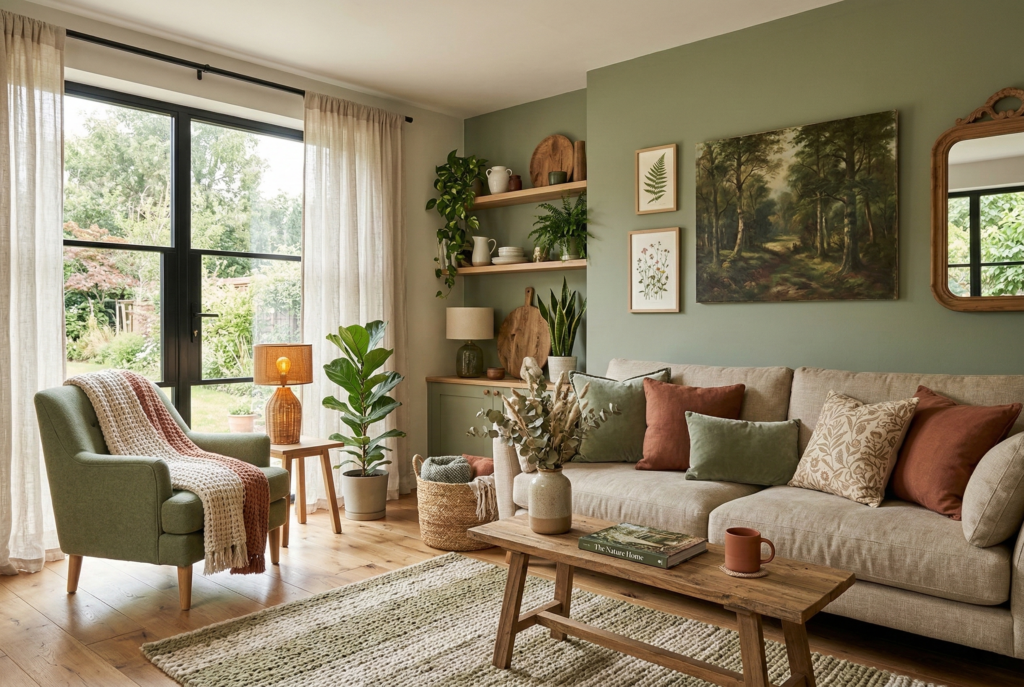
Avoid Common Mistakes That Make Biophilic Design Feel Forced
Biophilic design should feel calming and natural, not overly themed. One common mistake is adding too many plants without considering light, maintenance, or layout. Another is mixing too many natural textures and earthy colors without enough balance, which can make the room feel heavy rather than fresh.
It also helps to avoid buying decorative items just because they look “natural.” The more effective approach is to choose pieces that are both functional and tactile. A real linen throw, a solid wood bench, or a woven basket for storage will usually contribute more to the room than a collection of random botanical accessories. Consistency matters more than quantity. A few well-chosen materials, better light, and intentional greenery often create a stronger effect than trying to transform every corner all at once.
Conclusion
Biophilic design offers a practical and beautiful way to create a calmer, healthier living space by bringing more elements of nature into the home. With better natural light, thoughtfully placed plants, organic materials, nature-inspired colors, and improved sensory comfort, you can make your space feel more restorative and more connected to daily well-being. The best results come from small, intentional choices that suit your lifestyle and your home’s layout. When nature is integrated in a balanced way, your home can feel more peaceful, more welcoming, and easier to enjoy every single day.
Related Articles
- How to Choose the Right Interior Design Style: Practical Tips to Transform Your Space
- Sustainable Interior Design Ideas for an Eco Friendly and Energy Efficient Home
- 15 Simple Minimalist Home Design Ideas to Create Clean, Organized, and Modern Living Spaces with Less Clutter
- 15 Scandinavian-Inspired Home Design Ideas to Create a Warm, Minimalist, and Functional Nordic-Style Living Space
- 15 Japandi Organization Ideas to Create Calm, Functional, and Beautifully Minimalist Living Spaces
- 15 Boho Home Décor Ideas to Create a Cozy, Eclectic, and Stylish Bohemian-Inspired Living Space
- Maximalism Interior Design: 10 Bold Ideas to Create a Personalized, Vibrant Space