

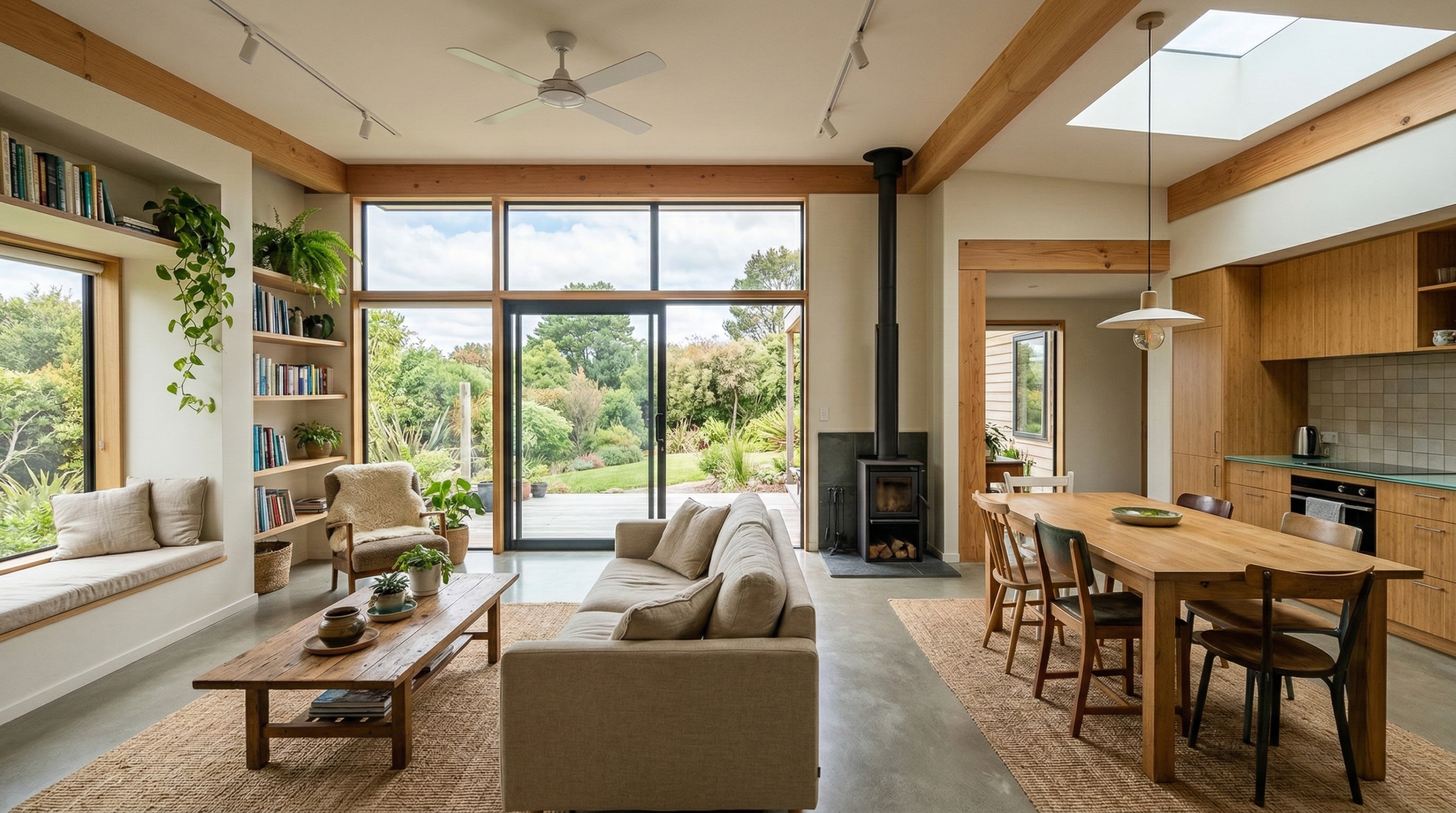
Rising utility bills have made energy efficiency a priority for many households. A smarter home goes beyond lowering monthly costs. It creates a space that stays comfortable in every season, reduces energy waste, and supports more sustainable living over time. With the right design choices, you can make your home more efficient without giving up style, convenience, or everyday comfort.
Start With the Parts of Your Home That Affect Energy Use Most
When people think about energy efficient home design, they often picture solar panels or high-tech systems first. Those upgrades can help, but the biggest results usually come from the basics. How well your home holds heated or cooled air matters more than almost anything else. If conditioned air escapes easily, your heating and cooling system has to work harder and run longer.
That’s why insulation, air sealing, windows, and HVAC performance should be the starting point. A beautiful home won’t feel truly comfortable if certain rooms are always too hot in summer or too cold in winter. Energy efficient design begins with creating a stable indoor environment, then building smarter features around it.
For homeowners planning improvements, it often makes sense to evaluate where energy is being lost before spending money on decorative or cosmetic changes. In many homes, comfort issues are already pointing to the problem areas.
Improve Insulation to Make Heating and Cooling More Effective
Insulation plays a major role in controlling indoor temperature. If your attic, walls, or floors are underinsulated, your home may struggle to stay comfortable no matter how often the thermostat runs. This is especially noticeable during weather extremes, when indoor temperatures shift quickly and utility costs climb.
Attic insulation is one of the most important areas to review because heat naturally rises. In summer, a poorly insulated attic can contribute to major heat buildup. In winter, it allows warmth to escape more easily. Adding or upgrading insulation can help reduce temperature swings and ease the workload on your HVAC system.
Floor and wall insulation can matter just as much, especially in older homes. If certain areas always feel drafty or uneven in temperature, insulation may be part of the issue. Better insulation doesn’t only lower energy use. It can also make the home quieter and more comfortable overall.
Seal Air Leaks Before They Drive Up Utility Bills
Even a well-insulated home can waste energy if outside air leaks in through gaps and cracks. Air sealing is one of the most practical energy-saving upgrades because it targets the hidden places where heated or cooled air escapes.
Common trouble spots include windows, exterior doors, attic openings, recessed lighting, plumbing penetrations, and areas around vents or ductwork. Small leaks may not seem dramatic on their own, but together they can make a noticeable difference in how often your HVAC system cycles on.
Weatherstripping and caulking are relatively simple fixes that can improve comfort fast. Door sweeps can help at exterior doors, especially if you feel drafts near the floor. In some homes, professional air sealing may be worth considering if there are persistent issues with drafts, humidity, or uneven temperatures.
Choose Windows and Window Treatments That Support Efficiency
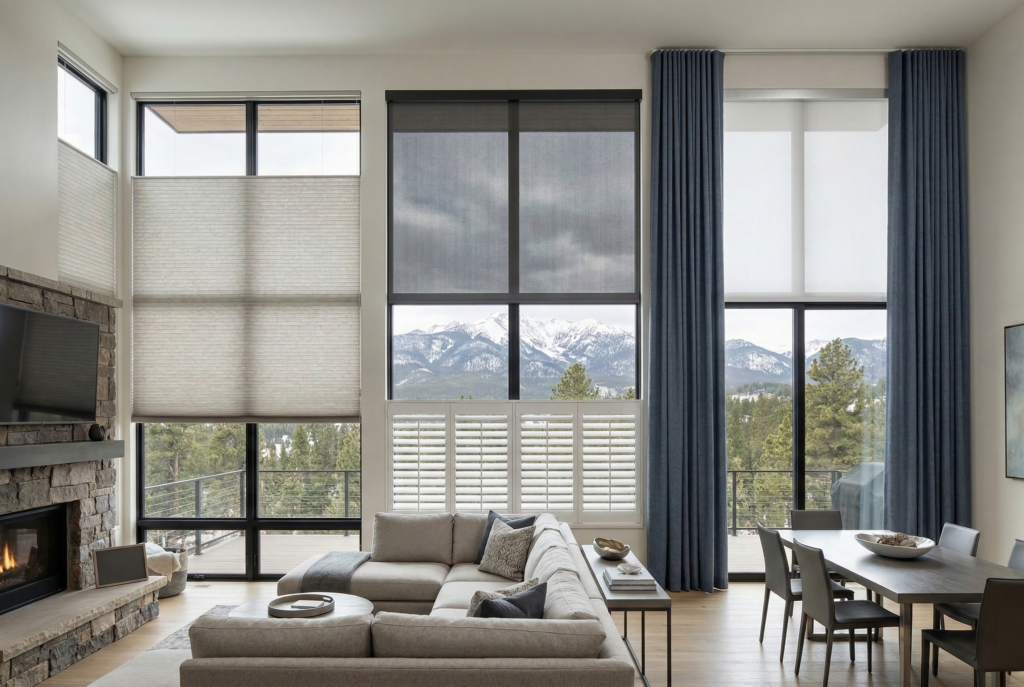
Windows affect both energy performance and comfort. Older or poorly sealed windows can allow heat transfer, drafts, and unwanted solar gain, which makes rooms harder to keep comfortable. Replacing windows can be a major investment, so it’s usually best to weigh that decision carefully based on the age and condition of the existing ones.
If full replacement isn’t necessary, smaller improvements can still help. Sealing around frames, adding thermal curtains, or using cellular shades can reduce heat loss in winter and limit heat gain in summer. South- and west-facing windows, in particular, can contribute to overheating during warmer months, especially in rooms that already get strong afternoon sun.
Window treatments can support efficiency without making your home feel dark or closed off. The goal is flexibility. You want to manage glare and temperature while still taking advantage of natural light, which can reduce reliance on artificial lighting during the day.
Upgrade Lighting for Lower Energy Use and Better Everyday Function
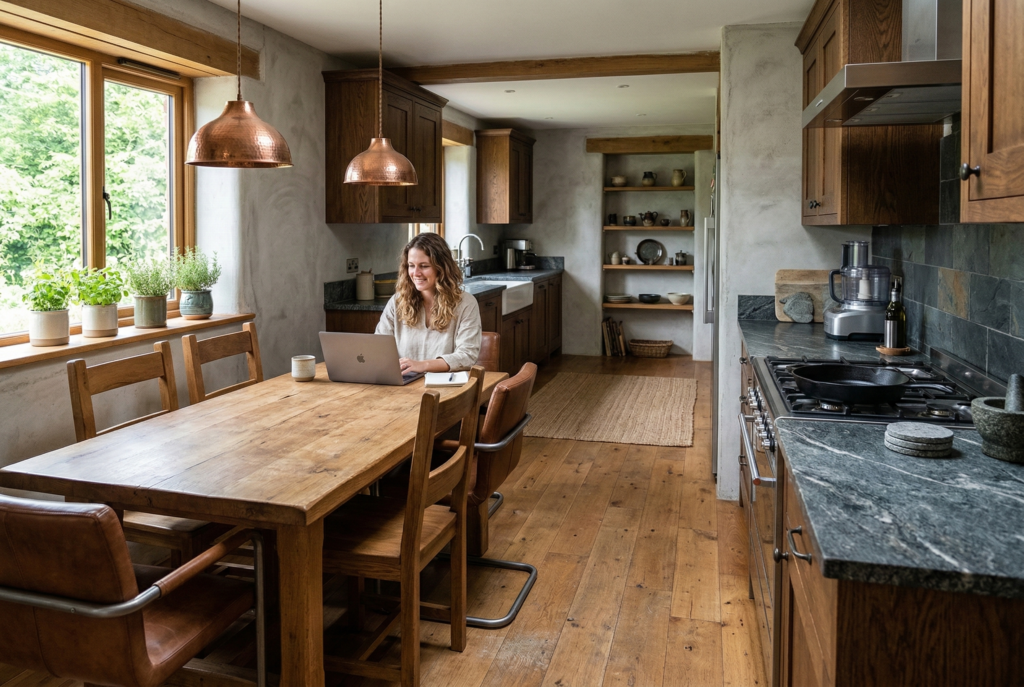
Lighting is one of the easiest places to improve energy efficiency, and it can also make your home feel more polished and functional. LED bulbs use far less electricity than older incandescent options and generally last much longer, which means fewer replacements over time.
Beyond the bulb itself, lighting design also matters. A well-planned home uses light where it’s needed most instead of flooding every room with unnecessary brightness. Task lighting in kitchens, offices, and reading areas helps reduce the need to turn on multiple fixtures at once. Dimmers are another useful addition because they let you adjust brightness based on time of day and activity.
Motion sensors or timers can be especially practical in exterior areas, garages, laundry rooms, and closets where lights are often left on by accident. These small upgrades can reduce waste without requiring any major change in daily routine.
Make Heating and Cooling Systems Work Smarter, Not Harder
Heating and cooling typically account for a large share of household energy use, so HVAC efficiency has a direct impact on monthly costs. If your system is aging, oversized, poorly maintained, or struggling against leaks and weak insulation, it may be using more energy than necessary.
Regular maintenance is one of the simplest ways to protect efficiency. Dirty filters, blocked vents, and neglected servicing can all reduce performance. Replacing filters on schedule and keeping vents clear helps air circulate more effectively throughout the home.
A programmable or smart thermostat can also make a real difference. These systems help reduce unnecessary heating or cooling when the house is empty or when everyone is asleep.The benefit goes beyond simple convenience. It also gives you greater control over when energy is used and when it isn’t.
Ceiling fans can support comfort too. In warm weather, they help rooms feel cooler, which may allow you to rely less on air conditioning. In colder months, reversing the fan direction can help redistribute warm air that rises to the ceiling.
Design Kitchens and Laundry Areas With Efficient Appliances in Mind
Appliances are another major part of energy efficient home design, especially in kitchens and laundry rooms where machines are used daily. When it’s time to replace older models, looking for energy-efficient options can help reduce long-term operating costs.
Refrigerators, dishwashers, washers, and dryers vary widely in energy and water use. Choosing efficient models can support both lower bills and more sustainable living, especially in busy households that run loads frequently. Placement and use also matter. A refrigerator placed too close to a heat source, for example, may have to work harder to stay cool.
In laundry areas, design can support efficiency by making the space easier to use properly. Good ventilation, accessible storage, and enough space to sort clothes can help encourage full loads and better routines. These practical design details may seem small, but they shape how efficiently appliances are used over time.
Use Smart Home Technology That Solves Real Problems
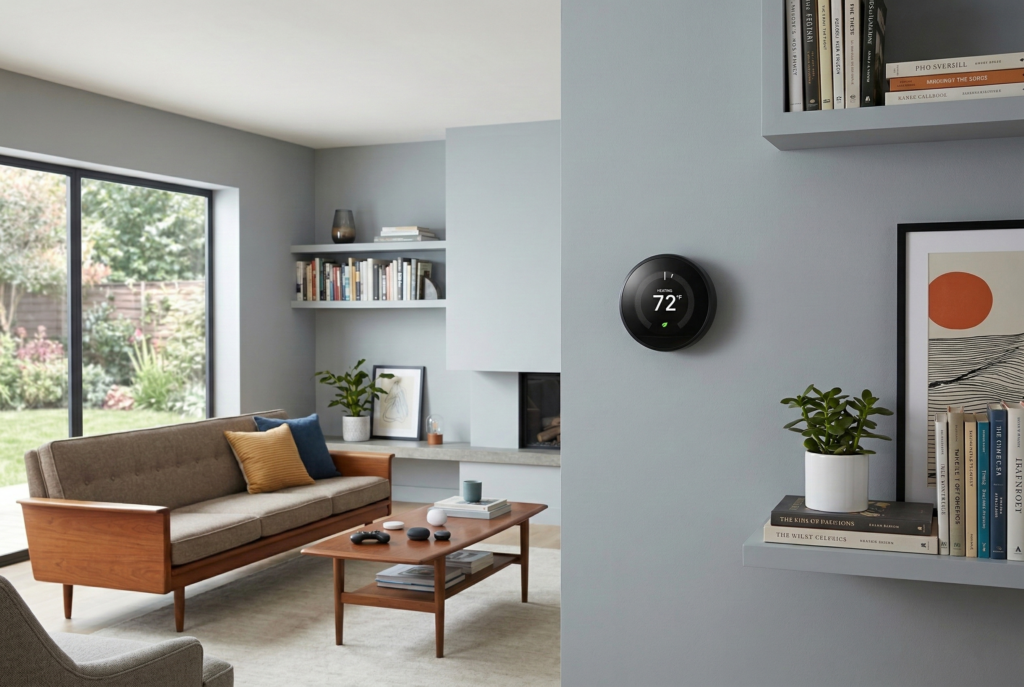
A smarter home doesn’t need to be packed with gadgets. The most useful smart features are the ones that reduce waste, improve comfort, and make daily life easier without adding complexity.
Smart thermostats are often one of the most worthwhile upgrades because they can automatically adjust based on schedules and occupancy patterns. Smart plugs can help control devices that tend to draw power unnecessarily. Automated lighting systems can make it easier to turn off lights when rooms aren’t in use.
The key is to focus on function. Choose tools that solve specific issues in your home, whether that’s managing temperature more efficiently, cutting down on standby power, or controlling outdoor lighting. When smart technology is chosen with intention, it supports both convenience and sustainability.
Design Around Natural Heating, Cooling, and Daylight
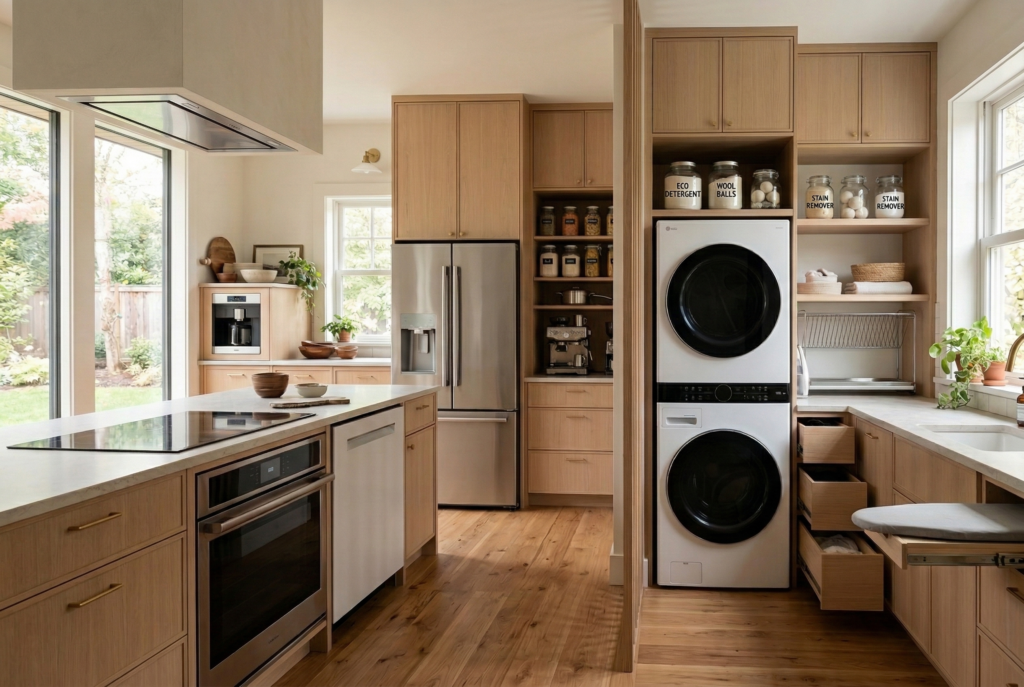
Energy efficient home design isn’t only about mechanical systems. It also involves using your home’s layout and natural conditions more effectively. A room that gets strong sunlight may need shading in summer but can be a helpful heat source in cooler months. Cross ventilation can help reduce stuffiness and improve comfort when outdoor conditions allow.
Light-colored walls and reflective finishes can help distribute daylight more effectively, reducing the need for lamps and overhead fixtures during the day. Rugs, curtains, and furniture placement can also influence how a room feels and performs. Blocking vents with large furniture or using heavy materials in hot, poorly ventilated rooms can make temperature control harder than it needs to be.
These passive design moves often work best when combined with efficient systems. Together, they help create a home that feels naturally more comfortable instead of constantly relying on equipment to correct the environment.
Choose Durable Materials That Support Long-Term Efficiency
A sustainable home focuses on energy efficiency today while also being designed for long-term durability. Durable materials reduce the need for frequent replacement, which saves money, reduces waste, and often leads to better long-term performance.
Flooring, roofing, siding, insulation materials, and windows are all worth evaluating from a durability standpoint. Lower-cost materials may seem appealing upfront, but they can become more expensive if they wear out quickly, need frequent repair, or perform poorly under normal use.
Inside the home, easy-to-maintain finishes can also support efficiency by making spaces easier to care for and less likely to need replacement. A thoughtful, lasting design reduces unnecessary consumption while helping the home stay functional and attractive over time.
Make Room-by-Room Changes That Add Up Over Time
Energy efficient living doesn’t always happen through one big renovation. In many homes, the smartest path is a series of smaller improvements made over time. Replacing bulbs, sealing drafts, upgrading a thermostat, improving attic insulation, and switching to efficient appliances can each contribute to lower energy use.
What matters most is consistency and prioritization. Start with the changes that improve comfort and performance first, then build from there. This makes the process feel more manageable and helps you get better value from each upgrade.
A room-by-room approach also helps households stay realistic about budget. You don’t have to do everything at once to make meaningful progress.
Conclusion
Energy efficient home design combines comfort, practical savings, and smarter long-term decision-making. By improving insulation, sealing air leaks, upgrading lighting, choosing efficient appliances, and using smart technology carefully, you can reduce energy costs while creating a more sustainable and comfortable home. The most effective improvements are often the ones that make everyday life easier as well, from steadier indoor temperatures to better control over lighting and heating. When your home is designed to use energy more wisely, it doesn’t just cost less to run. It feels better to live in every day.
Related Articles
- Top Energy-Saving Smart Devices: How to Save Money and Cut Utility Bills with Smart Technology
- Top Smart Home Gadgets for Small Apartments and Limited Spaces