

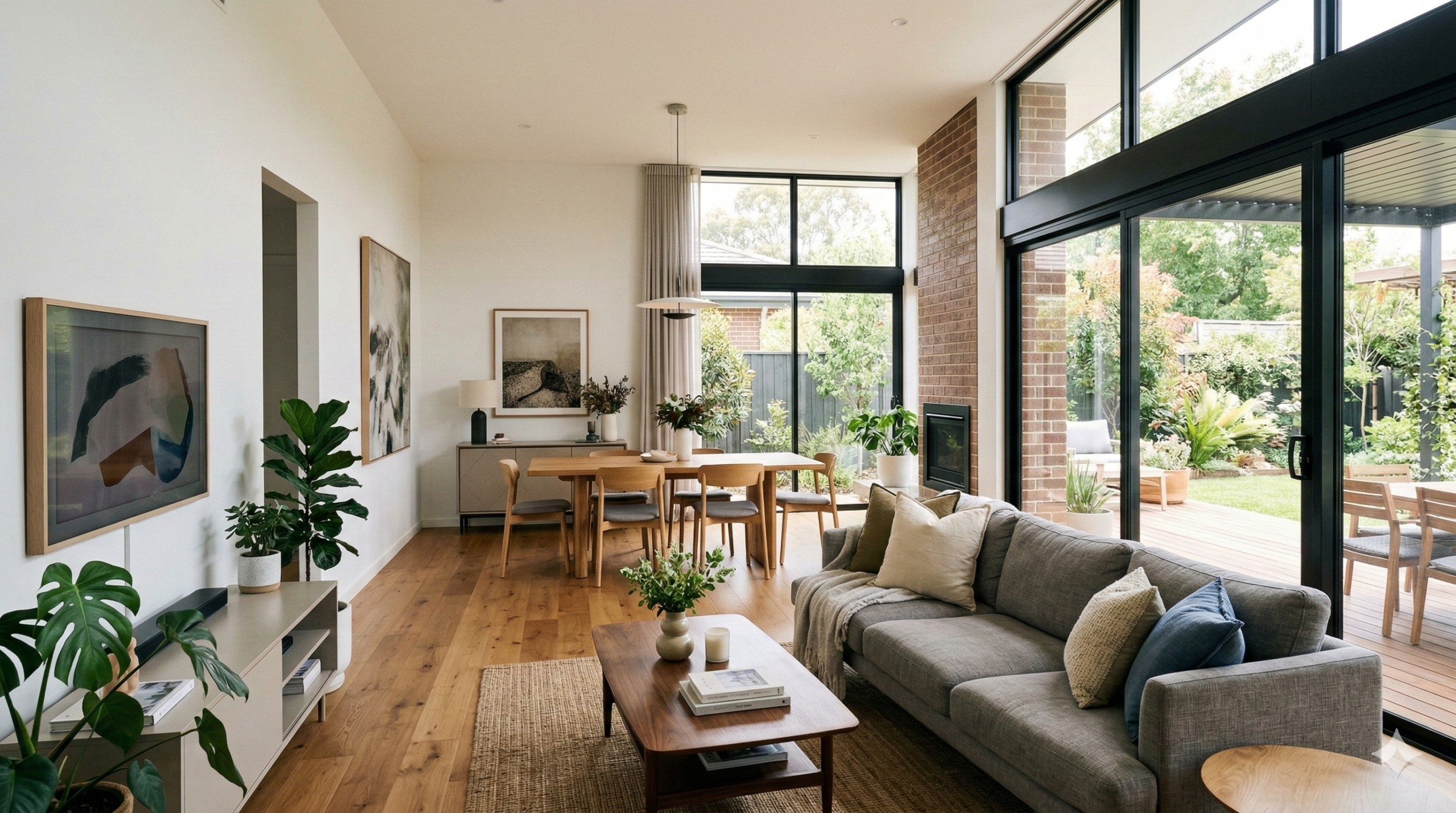
The materials you choose shape the entire feel of a home. They affect warmth, texture, durability, and how polished a room looks when everything comes together. In modern interior design, mixing materials well is often what separates a flat, forgettable space from one that feels layered, balanced, and thoughtfully designed. When wood, metal, stone, glass, fabric, and natural textures are combined with intention, a home can feel more interesting, more comfortable, and much easier to personalize.
Understand Why Material Mixing Matters in Modern Interior Design
A room built from only one type of surface can feel one-dimensional, even if the furniture is expensive or the layout is strong. When every piece is glossy, every finish is dark, or every texture is smooth, the space tends to feel visually repetitive. Mixing materials creates contrast, and contrast is what helps a room feel dynamic and complete.
In modern homes, this is especially important because the architecture and furnishings often lean clean and restrained. Straight lines, neutral palettes, and uncluttered styling can look beautiful, but without enough material variation, the result can feel cold or unfinished. A mix of warm wood, soft upholstery, matte metal, woven accents, or stone surfaces adds the depth that modern spaces often need. Material mixing also makes a room feel more lived in. It brings in the kind of visual richness that keeps a space from looking too staged or too uniform.
Start With a Dominant Material and Build Around It
One of the easiest ways to mix materials successfully is to begin with one dominant material that sets the tone for the room. That foundation helps guide everything else and keeps the design from feeling scattered.
In many homes, wood is the most natural starting point because it already appears in flooring, furniture, or cabinetry. In other spaces, the dominant material may be stone, painted metal, linen, or even leather. Once that main material is established, the rest of the room can be built through contrast and support rather than competition.
For example, if your living room has warm oak floors and a wood media console, you might add a sofa with textured fabric, a coffee table with metal legs, and a ceramic lamp to create balance. If your kitchen features white quartz counters and sleek cabinetry, warm wood stools or woven pendants can soften the harder finishes and keep the room from feeling too sterile. A clear lead material gives the room direction, which makes mixing easier and more cohesive.
Balance Warm and Cool Materials for a More Comfortable Look
One of the smartest design strategies is balancing warm and cool materials in the same space. Modern homes often work best when that contrast feels intentional. Too many cool finishes, such as stainless steel, glass, polished chrome, or gray concrete, can make a room feel sharp or impersonal. Too many warm materials without contrast can make the space feel heavy or overly rustic.
Warm materials usually include wood, rattan, linen, leather, wool, and earthy ceramics. Cool materials often include glass, marble, steel, chrome, concrete, and lacquered surfaces. Pairing them thoughtfully helps create tension in the best way. The room feels interesting, but still balanced.
A kitchen with stainless appliances and stone counters may benefit from wood cabinetry details or upholstered counter stools. A bedroom with a wood bed frame and soft textiles may feel more current with a black metal sconce or a glass-topped side table. The goal is to let one side soften the other so the space feels complete rather than one-note.
Mix Texture, Not Just Material Type
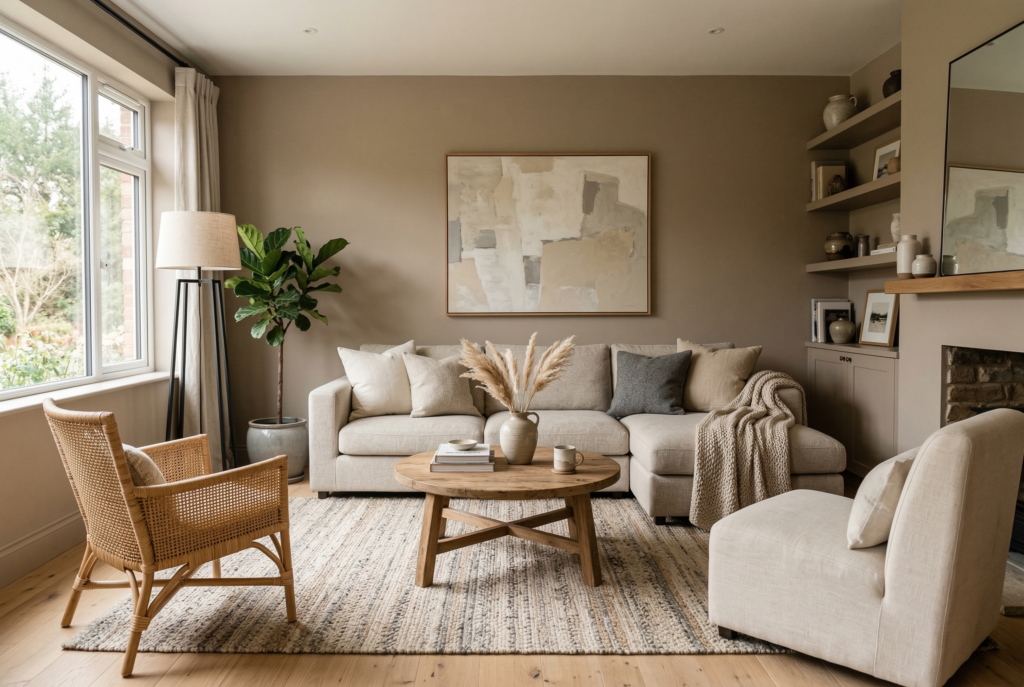
When people think about mixing materials, they often focus only on categories like wood, metal, or glass. Texture matters just as much. Two pieces can technically be made of different materials and still feel visually flat if their texture is too similar. On the other hand, even materials in the same family can feel layered when their finishes are varied.
A room feels richer when it combines smooth and rough, matte and polished, soft and structured. Think about the difference between a polished marble table and a rough woven basket, or a matte painted wall next to a glossy ceramic vase. That contrast adds depth without requiring more color or more décor.
This is especially useful in neutral interiors. If the palette stays fairly restrained, texture becomes one of the main tools that keeps the room from feeling bland. Linen curtains, nubby upholstery, brushed metal hardware, natural wood grain, and a soft wool rug can all work together in a quiet but visually effective way.
Keep the Color Palette Controlled While Materials Vary
A room can usually handle more material variety than color variety. That’s why it helps to keep the palette relatively controlled when you’re combining multiple surfaces and finishes. If the colors are too scattered and the materials are too mixed, the room can quickly start to feel chaotic.
A room can include different colors and finishes as long as the tones still feel connected. Woods can vary, but they should still feel like they belong in the same story. Metals can mix, but they should be distributed intentionally. Fabrics can introduce softness and pattern, but they shouldn’t overwhelm the overall palette.
For many modern homes, this works best when the larger pieces stay fairly grounded. Then smaller accents and layered materials can bring in contrast. A neutral sofa, medium-toned wood furniture, black metal lighting, and soft stone or ceramic accessories often create a look that feels balanced and current without becoming too busy.
Combine Hard and Soft Surfaces in Every Room
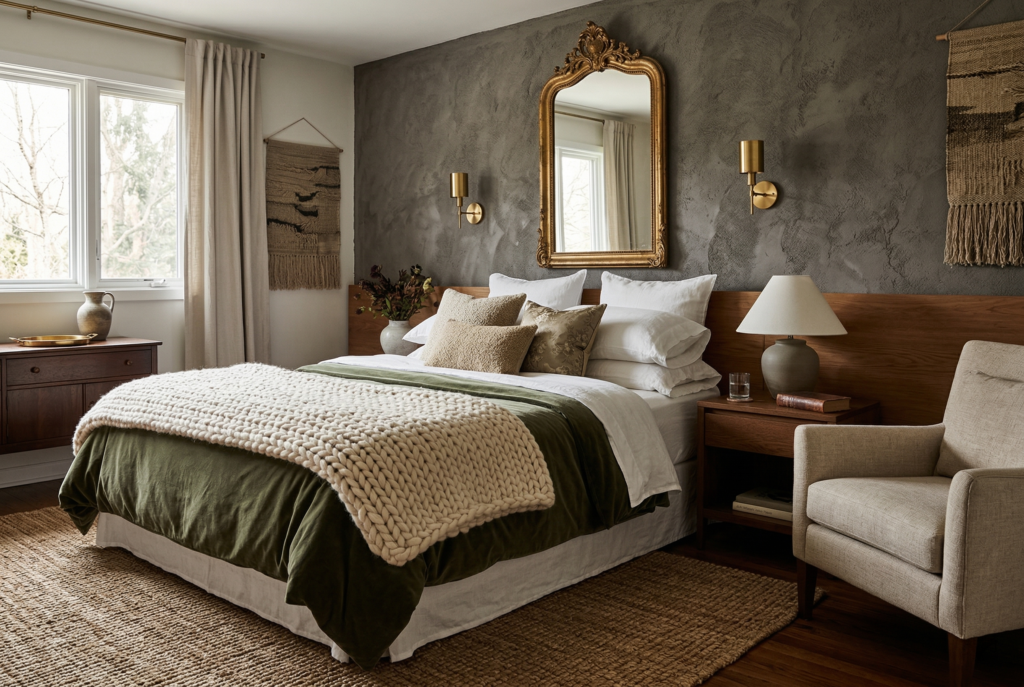
A well-designed room usually includes both hard and soft materials. That balance makes the space more comfortable both visually and physically. Hard surfaces bring structure and durability, while soft materials add warmth, flexibility, and a sense of ease.
In living rooms, this might mean pairing a wood or metal coffee table with an upholstered sofa, layered pillows, and a textured rug. In bedrooms, a soft fabric headboard can balance wood furniture and painted walls. In kitchens, hard finishes dominate naturally, so adding upholstered seating, fabric window treatments, or warm wood accents helps soften the overall atmosphere.
Bathrooms also benefit from this mix. Tile, glass, and stone can feel clean and modern, but the room becomes more inviting when softened with plush towels, woven storage, or warm-toned accessories. These softer additions make practical rooms feel more comfortable and less clinical.
Let One Finish Repeat Throughout the Home
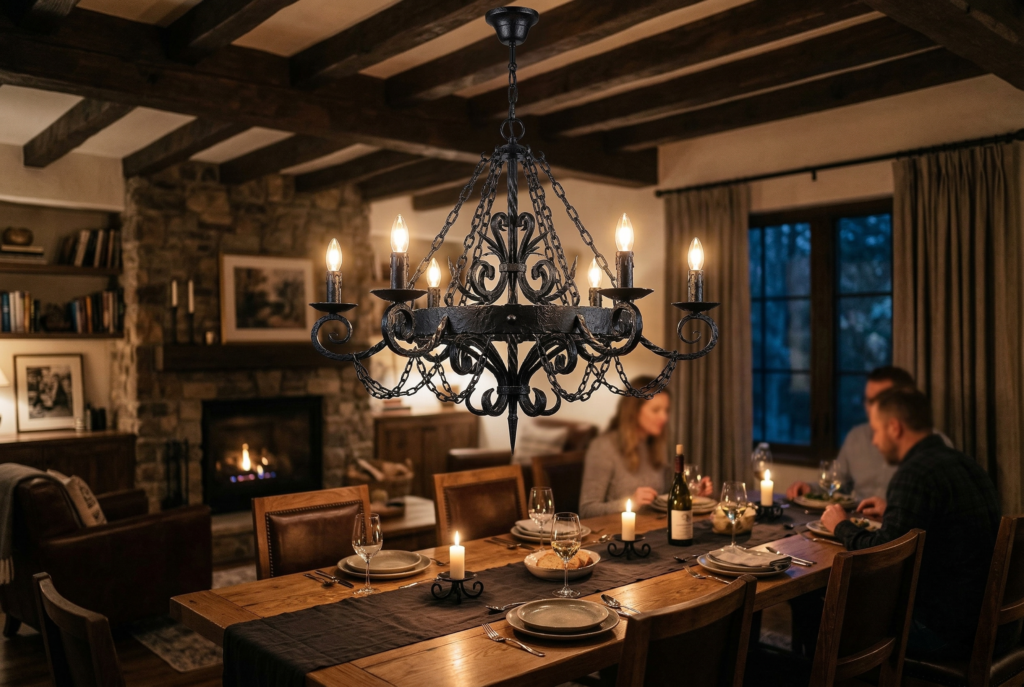
One of the easiest ways to make mixed materials feel intentional is by repeating a finish or surface in different parts of the home. That repetition creates visual continuity and helps separate rooms feel connected.
For example, if you use black metal in a dining chandelier, you might echo that finish in cabinet hardware, curtain rods, or a side table frame nearby. If light oak appears in your dining table, it could show up again in shelving, bar stools, or a bench in the entry. Repetition doesn’t need to be exact, but it should be noticeable enough to create rhythm. This approach is especially helpful in open floor plans, where one space flows directly into another. Repeating finishes gives the home a more cohesive look and prevents each room from feeling like it belongs to a completely different design scheme.
Mix Wood Tones Carefully Instead of Avoiding Them Entirely
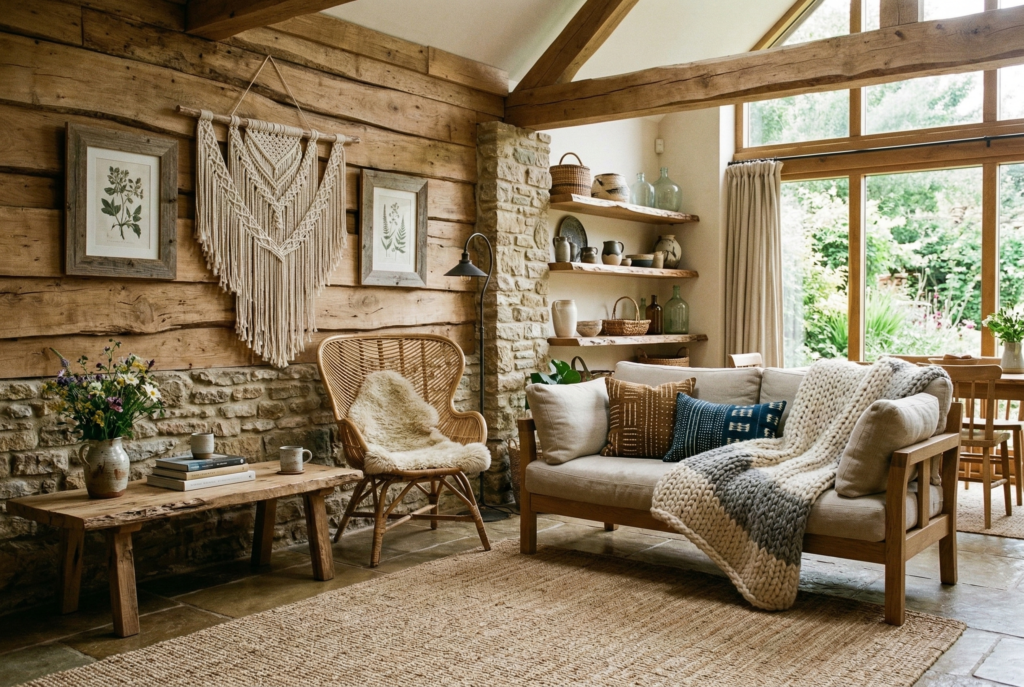
A lot of homeowners worry about mixing wood tones, but a room with only one wood finish can actually feel less natural. Real homes tend to look better when wood tones vary slightly, as long as the variation feels intentional rather than accidental.
The key is paying attention to undertones and balance. Warm woods tend to work well together when the overall depth varies. For example, a walnut dining table can pair beautifully with lighter oak flooring if the tones don’t clash. Adding a third wood through a picture frame, stool, or shelf can sometimes help bridge the difference and make the whole room feel more collected.
Scale matters too. Large wood surfaces such as floors, cabinets, and tables carry more visual weight than smaller accents. If one strong wood tone dominates the room, let the others play supporting roles rather than fighting for attention.
Use Metal as an Accent, Not the Whole Story
Metal is one of the most effective materials for adding structure and contrast to modern interiors, but it usually works best as an accent. Too much metal in one room can make the space feel cold or overly industrial, especially when paired with hard flooring and minimal styling.
Used strategically, metal adds polish and definition. Black iron, brass, bronze, chrome, and brushed nickel all create different moods. Black metal tends to feel graphic and modern. Brass adds warmth and a touch of softness. Chrome and nickel often feel cleaner and cooler.
You can mix metals, but it helps to do so intentionally. One finish should usually lead, while another plays a secondary role. For example, black hardware and lighting can work well with a few warm brass accents if the proportions feel controlled. Scattering multiple metal tones evenly without a plan often makes the room look unresolved.
Bring in Natural and Handmade Materials to Keep the Home Grounded
Modern design looks stronger when it includes a few materials that feel less manufactured. Handmade ceramics, woven baskets, natural fiber rugs, wood with visible grain, and linen or cotton textiles can all help a room feel more grounded and less rigid.
These elements are especially useful in homes with a lot of smooth cabinetry, engineered surfaces, and crisp lines. A handmade vase on a stone countertop or a woven bench under a modern console can soften the overall look and add quiet character. The room still feels modern, but it doesn’t feel overly perfect or impersonal.
Natural materials also tend to age well. They add depth in a way that feels timeless rather than trend-driven, which is important if you want the home to stay stylish over the long term.
Think About Durability Along With Style
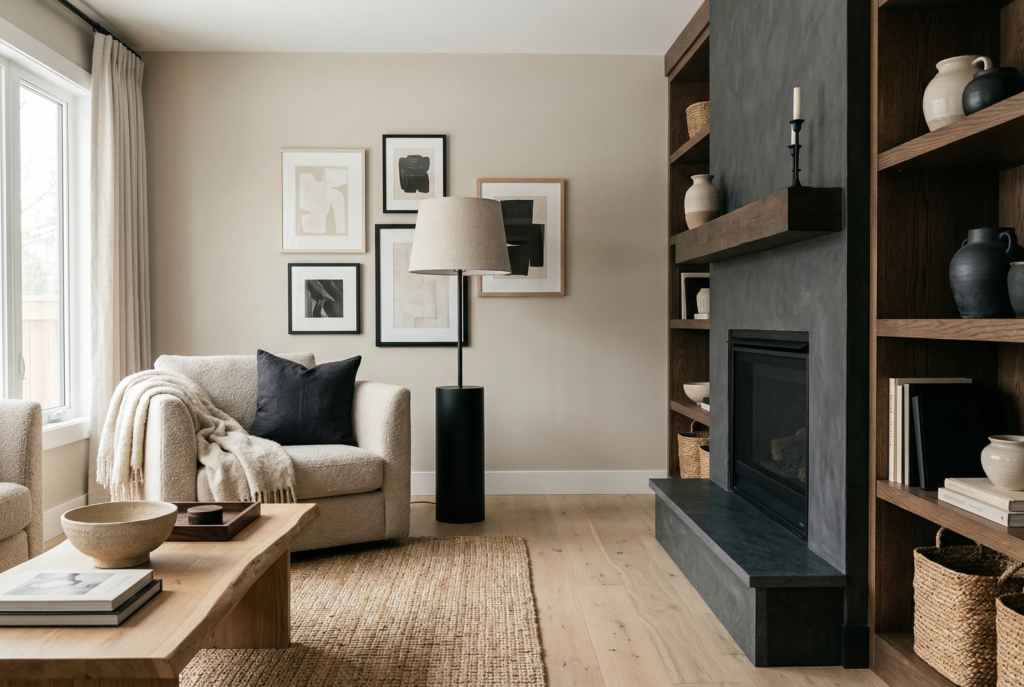
Mixing materials improves both the look of a space and the way it functions day to day. A stylish home needs surfaces that can hold up to everyday use, especially in busy households with children, pets, guests, or frequent entertaining.
That means choosing materials based not only on how they look together, but on how they perform in specific rooms. A delicate stone table may look beautiful, but it might not be the best option for a high-use family kitchen. Open-weave stools may add texture, but they won’t always be ideal where spills happen often. Performance fabrics, sealed stone, durable woods, and easy-to-clean finishes can all help the home feel elevated without becoming difficult to maintain. When beauty and function work together, the design feels more believable and easier to live with over time.
Avoid Common Mistakes When Mixing Materials
A few common issues can make a mixed-material room feel off balance. One is using too many statement finishes at once. If every material is bold, nothing stands out properly. Another is forgetting to spread materials throughout the room. If all the wood is on one side and all the metal is on the other, the space may feel visually uneven.
It also helps to avoid choosing every piece from the same collection or store display. Rooms feel more interesting when they look layered over time. The goal is coordination, not sameness. A bit of variation usually makes the home feel more personal and more sophisticated.
Conclusion
Mixing and matching materials is one of the most effective ways to create a stylish, balanced, and modern home design that still feels warm and livable. By combining warm and cool finishes, varying texture, repeating key materials, and keeping the palette controlled, you can build rooms that feel layered without looking cluttered. The strongest interiors don’t rely on one material alone. They use contrast, softness, structure, and natural texture to create depth and personality. When materials are mixed with intention, the home feels more polished, more comfortable, and much more complete.