

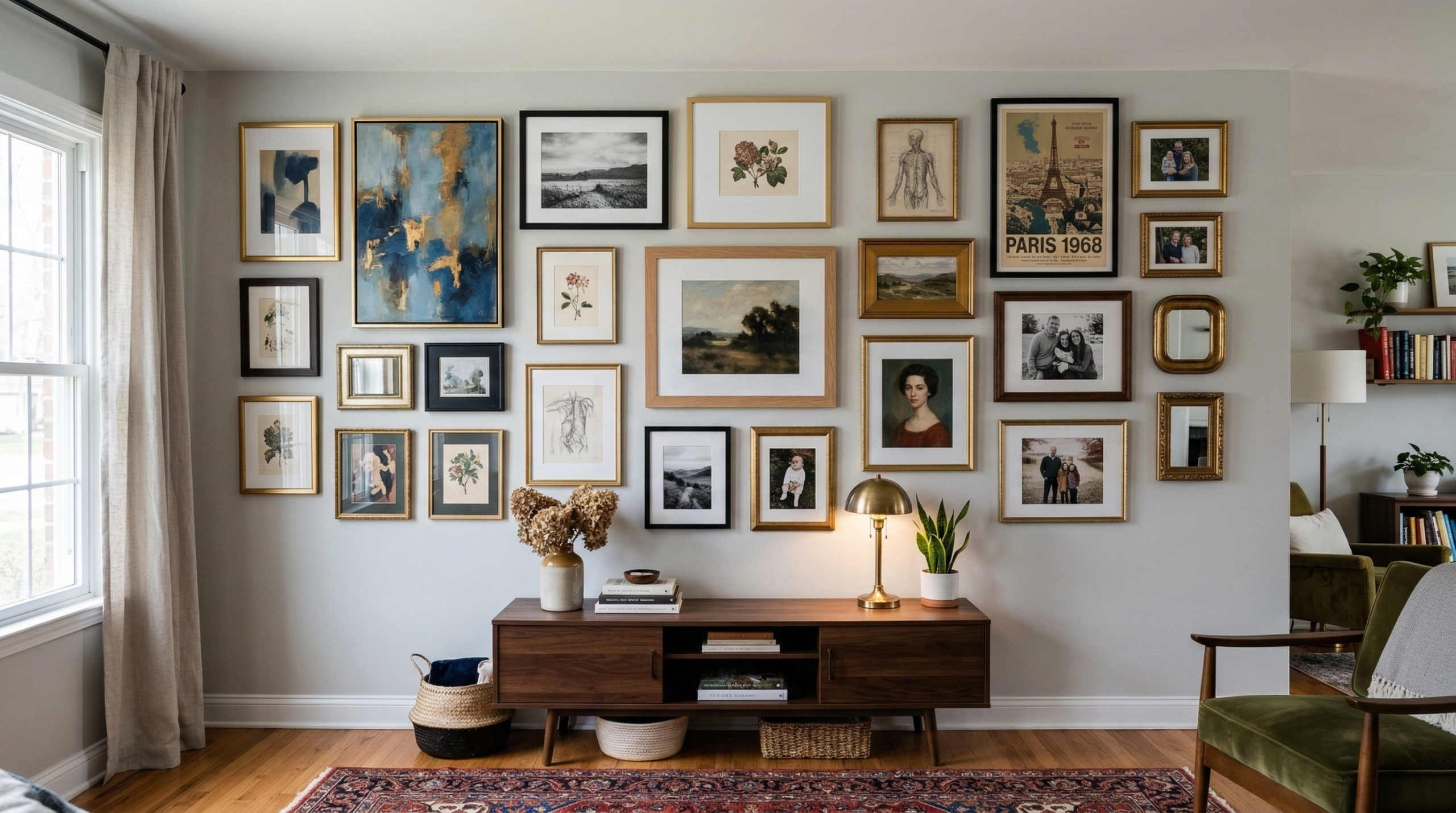
A well-designed gallery wall can completely change the feel of a room. It adds personality, fills blank wall space with purpose, and helps a home feel more layered and lived in. When it’s done thoughtfully, a gallery wall doesn’t look cluttered or random. It feels cohesive, balanced, and reflective of the people who live there. Whether you’re styling a hallway, living room, bedroom, stairway, or home office, the right layout and framing choices can help you create a display that looks polished without feeling overly formal.
Start With the Purpose of the Gallery Wall
Before choosing frames or hammering in nails, decide what you want the gallery wall to do in the room. Some gallery walls are meant to make a strong visual statement. Others are softer and more personal, built around family photos, travel memories, or meaningful art. The best result usually comes when the wall has a clear direction from the beginning.
Think about the mood you want to create. In a living room, a gallery wall might anchor the seating area and add warmth above a sofa. In a hallway, it can make a narrow pass-through feel more intentional. In a bedroom, it often works best when the arrangement feels calm and slightly more restrained. A home office might benefit from a more inspiring mix of art, photography, and objects that support focus and creativity. Once you know the purpose, it becomes easier to choose the right size, style, and arrangement.
Choose a Consistent Theme Without Making It Feel Too Matched
A gallery wall usually looks strongest when there’s some thread connecting the pieces. That connection doesn’t have to be obvious or overly strict, but it should exist. It could be a common color palette, a shared subject matter, a similar frame style, or a consistent mood.
For example, you might build a wall around black-and-white photography, landscape prints, abstract art in earth tones, or a mix of family photos and vintage finds. You can also combine different styles successfully if the overall palette and spacing feel controlled. That balance is what keeps the wall from looking chaotic.
A helpful rule is to mix enough to create interest, but repeat enough to create cohesion. If every piece is completely different in color, shape, scale, and style, the display can feel scattered. Repeating one or two visual elements, such as wood frames, soft neutral mats, or a certain color family, helps tie everything together.
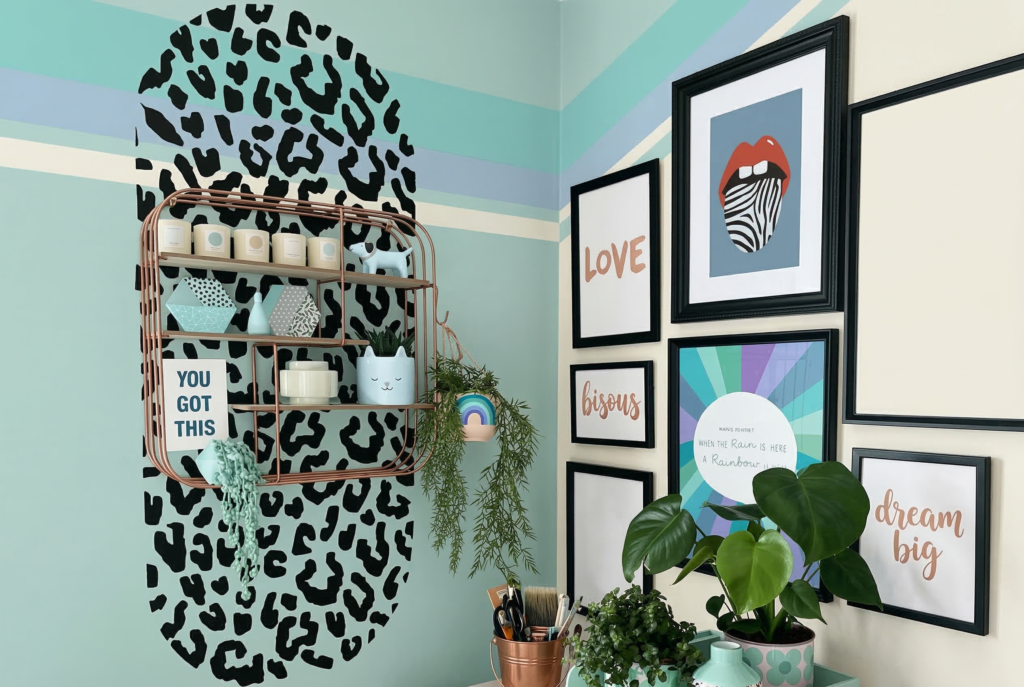
Pick the Right Wall for the Display
Not every blank wall needs a gallery wall. The most effective gallery walls are placed where they can visually support the room rather than compete with other focal points. Good locations often include the wall above a sofa, along a staircase, above a console table, in an entryway, or over a bed with enough vertical space.
The scale of the wall matters. A tiny arrangement on a large wall tends to look lost, while an oversized layout in a narrow area can feel crowded. Before selecting art, look at the full proportions of the space and how the wall connects to nearby furniture, windows, and lighting.
A gallery wall should usually relate to something below or around it. Over a sofa, it should feel wide enough to visually connect with the furniture. In a hallway, it should align with the direction of movement. When the arrangement is sized appropriately for the wall, the entire room feels more balanced.
Decide Between Symmetrical and Organic Layouts
One of the biggest design decisions is whether the gallery wall will be symmetrical or more freeform. Both approaches can work beautifully, but they create different effects.
A symmetrical gallery wall feels structured and classic. Matching frame sizes, evenly spaced rows, and centered layouts create a clean look that works especially well in more formal living rooms, dining rooms, or entryways. This style is also easier for people who want a polished result without too much visual variation.
An organic layout feels more relaxed and collected over time. It often includes mixed frame sizes, varied art styles, and a looser arrangement that still feels balanced overall. This approach works well in family rooms, staircases, home offices, and spaces where you want more personality and flexibility. Neither option is better. The right choice depends on the room, the art, and the mood you want the wall to create.
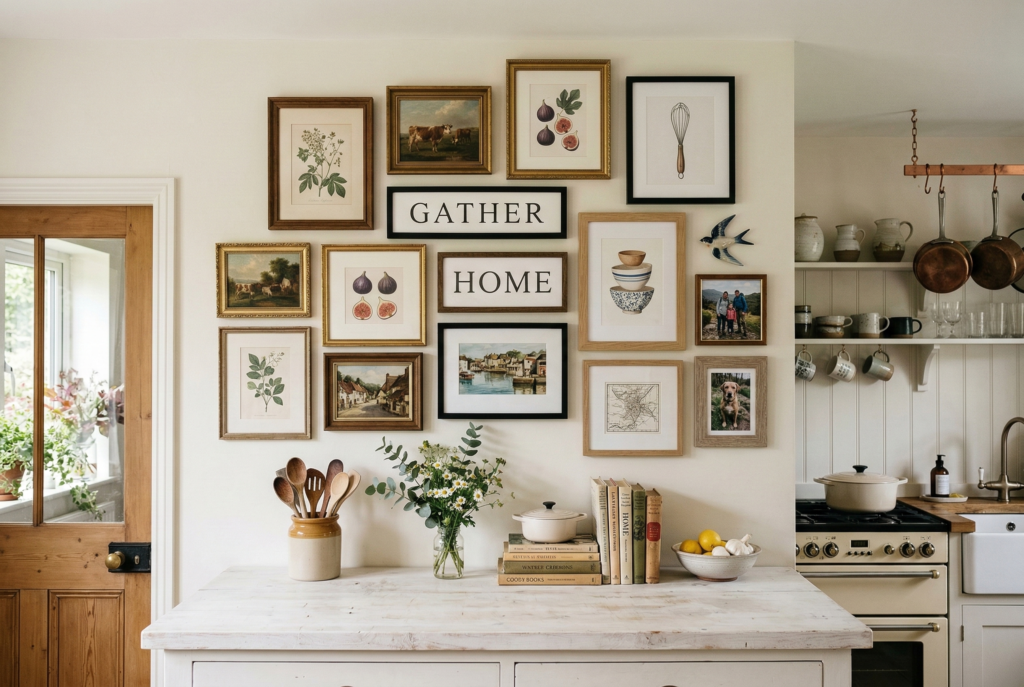
Use Paper Templates Before Hanging Anything
One of the smartest gallery wall tips is to plan the layout on the floor or with paper templates before hanging the actual pieces. This step saves time, prevents unnecessary wall damage, and helps you see how the arrangement feels at full scale.
You can trace each frame onto kraft paper or plain paper, cut the shapes out, and tape them to the wall. This makes it easier to adjust spacing, test the overall shape, and check whether the layout feels level and balanced. It also lets you step back and see how the arrangement interacts with the rest of the room.
This planning stage is especially useful if you’re working with mixed sizes or trying to center the wall above a piece of furniture. Even a few inches can change the visual balance, so seeing the full arrangement in advance makes a big difference.
Keep Spacing Consistent for a More Professional Look
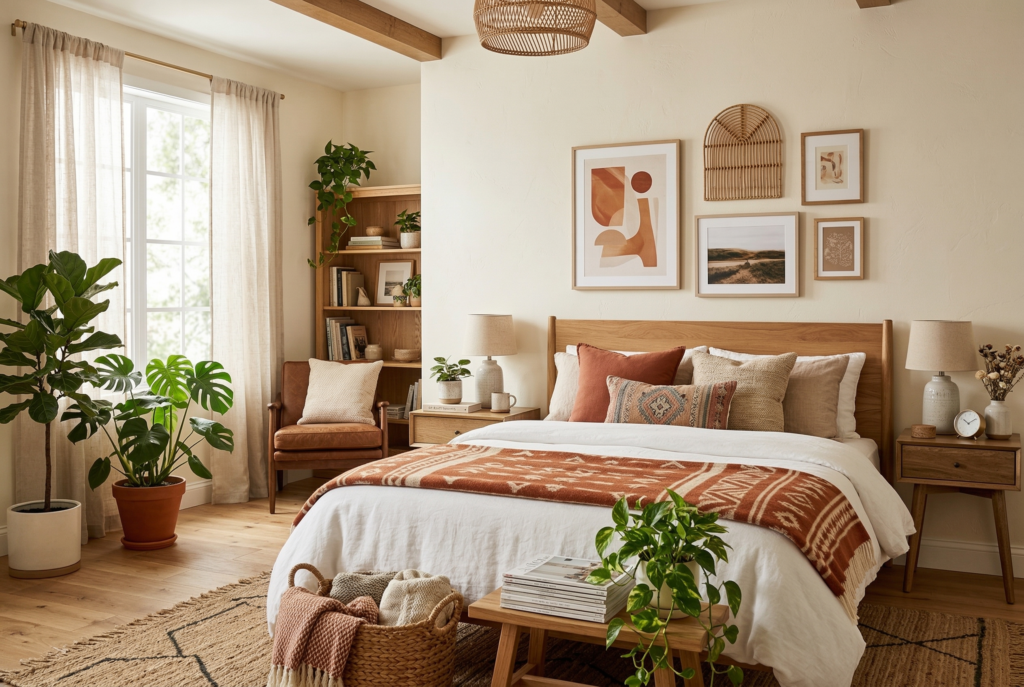
Spacing is one of the most important factors in a successful gallery wall. Even beautiful art can look messy when the gaps between pieces are too inconsistent. A more uniform spacing approach helps the wall feel intentional and well designed.
In most homes, keeping frames around two to three inches apart works well, though larger walls with oversized pieces can sometimes handle slightly wider spacing. The key is consistency. When the gaps jump from very tight to very wide, the layout starts to feel unplanned. If you’re creating a salon-style gallery wall with many pieces, consistent spacing becomes even more important because there’s already a lot happening visually. Clean spacing creates the breathing room that keeps the whole wall from feeling overwhelming.
Mix Frame Sizes and Shapes With Intention
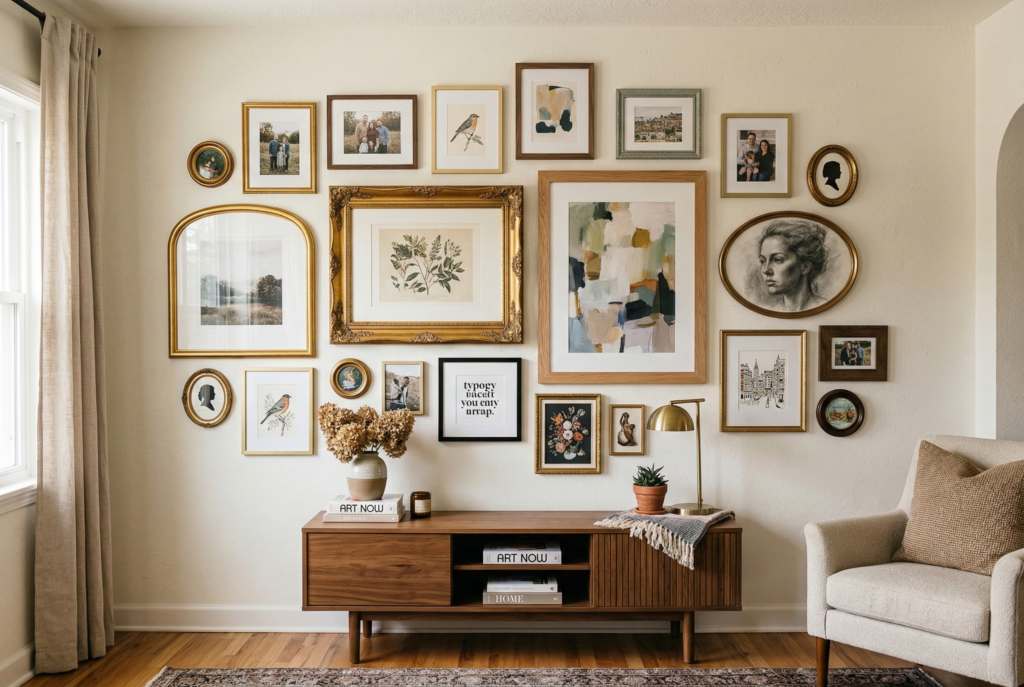
A gallery wall feels more dynamic when it includes some variation in scale. Mixing large and small pieces helps create rhythm and draws the eye across the arrangement. That said, the mix should still feel balanced. One oversized piece can anchor the layout, while smaller works fill in around it.
You can also incorporate different orientations, such as vertical, horizontal, and square frames, to create movement. The trick is to distribute visual weight evenly. If all the largest pieces are on one side, the wall may feel lopsided. A more balanced arrangement spreads size and shape variety throughout the display.
If you want a calmer look, use similar frame styles with varied art. If you want a more collected and eclectic feel, mix frame finishes carefully while keeping one consistent thread, such as mat color or art palette.
Include Personal Pieces Alongside Decorative Art
One of the reasons gallery walls remain so popular is that they can be deeply personal. A balanced mix of meaningful items and decorative artwork often creates the most inviting result. Family photos, travel prints, children’s art, handwritten notes, or framed textiles can all add character when paired thoughtfully with traditional framed pieces.
The key is editing. Not every sentimental piece needs to go on the wall at once. Choose the items that work well together visually and emotionally. A gallery wall should tell a story, but it should still feel curated. When personal items are framed well and arranged with intention, they don’t feel casual or improvised. They become part of the design.
Think About Color, Contrast, and the Surrounding Room
A gallery wall doesn’t exist on its own. It’s part of the room, so it should connect with the surrounding colors, textures, and furniture. That doesn’t mean every piece has to match the sofa or rug, but there should be a relationship.
If the room is already colorful and layered, a more restrained gallery wall with neutral mats or black frames may create the right balance. If the room is minimal and quiet, the wall may be the place to introduce more color or contrast. A good gallery wall complements the space rather than fighting for attention.
You should also think about wall color. Light walls tend to make frames pop more clearly, while dark walls can create a moodier, more dramatic effect. Both can work beautifully when the contrast is considered.
Use Gallery Walls to Solve Design Problems
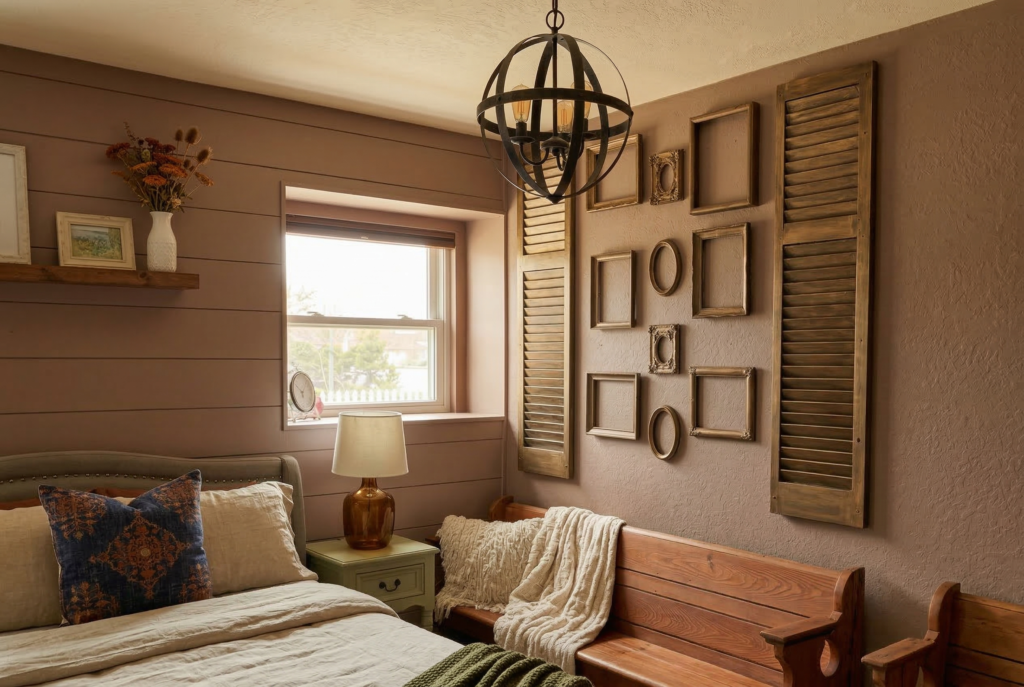
Gallery walls aren’t only decorative. They can solve visual issues in a room when used strategically. A long hallway can feel less empty with a well-proportioned series of frames. A large blank wall above a sectional can feel anchored instead of unfinished. A staircase wall can guide the eye upward and make the transition between floors feel more connected.
They can also help create a focal point in rooms that don’t have strong architecture. In newer homes or apartments with plain walls, a gallery arrangement can add the sense of depth and character that the room may otherwise lack. This is why scale and placement matter so much. When the wall is solving a design need, it has to be sized and positioned deliberately.
Refresh the Display Over Time Without Starting From Scratch
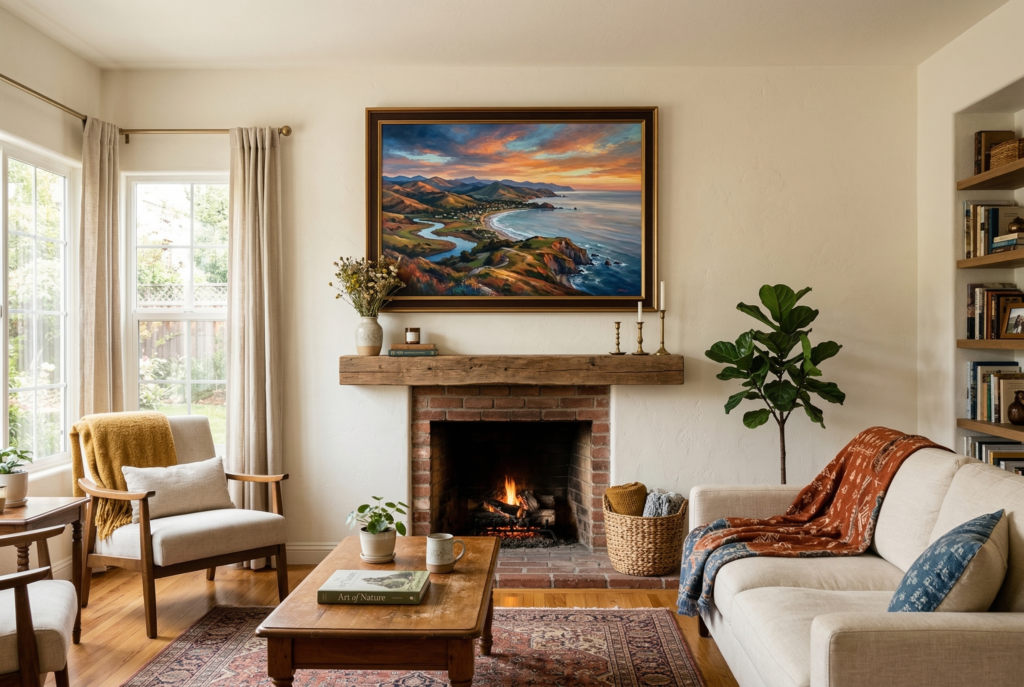
A gallery wall doesn’t have to stay frozen forever. One of the advantages of this design approach is that it can evolve. You can swap in new photos, change seasonal art, add a newly found piece, or update frames gradually without redoing the entire wall.
This flexibility makes gallery walls especially appealing for family homes, where memories and needs change over time. A well-planned layout gives you structure, while the contents can grow with you. That balance between stability and flexibility is part of what makes gallery walls such a lasting design choice.
Conclusion
A stylish gallery wall brings together art, memories, and thoughtful layout choices to create a display that feels balanced, personal, and visually engaging. By choosing the right wall, planning the layout carefully, keeping spacing consistent, and mixing pieces with intention, you can create a wall arrangement that enhances the entire room. Whether your style leans classic, modern, or collected over time, the strongest gallery walls reflect both good design and real personality. When done well, they don’t just fill empty wall space. They help make a house feel unmistakably like home.