

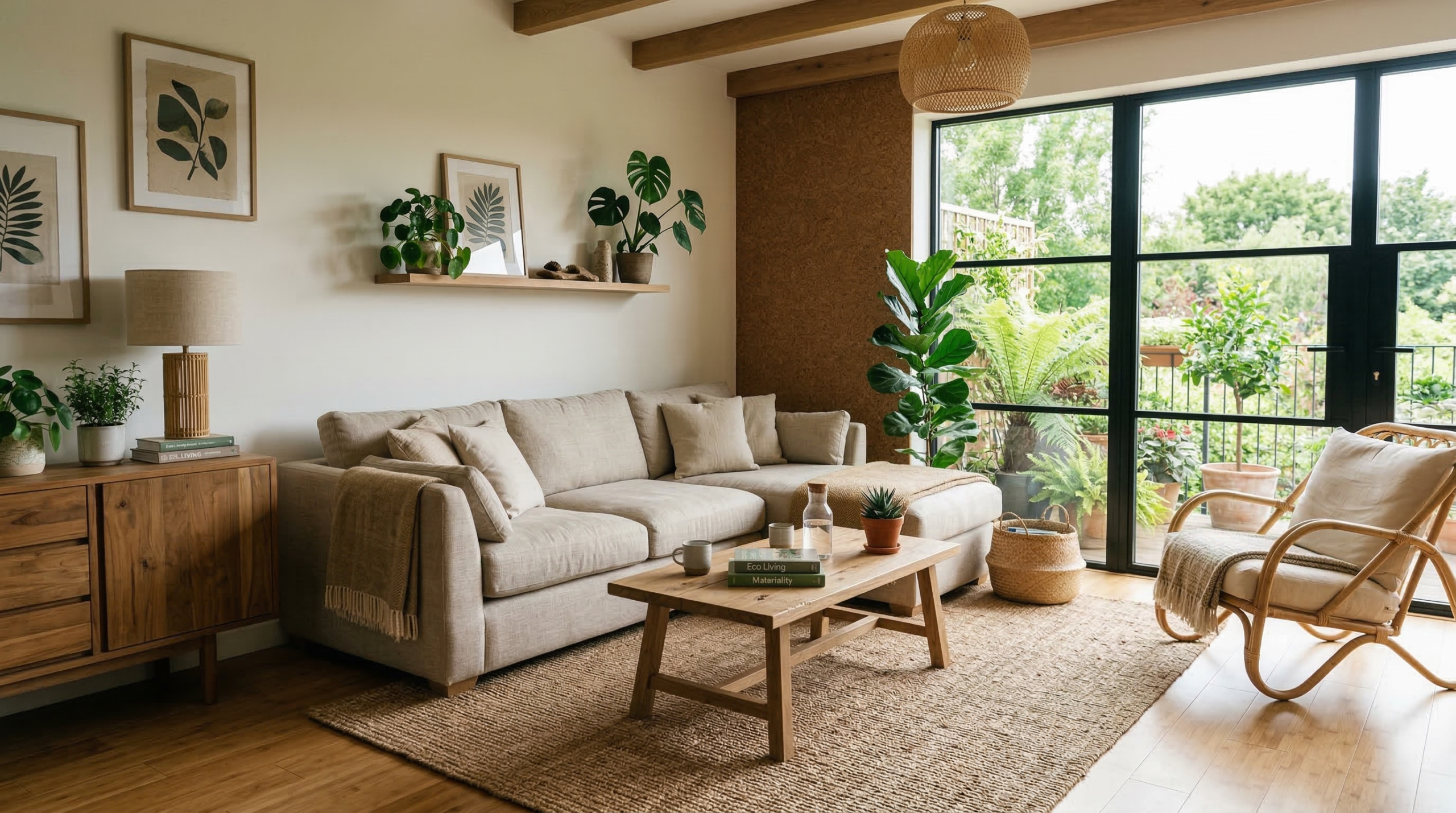
Choosing furniture for your home shapes more than the way a room looks. It affects how your space functions, how long your pieces last, and how much waste or replacement buying happens over time. That’s why sustainable furniture matters. When you choose eco-friendly furniture with care, you can create a home that feels stylish, organized, and comfortable while also making more thoughtful decisions about materials, durability, and everyday use. A greener home rarely comes from one dramatic change. More often, it comes from better choices made piece by piece.
Why Sustainable Furniture Matters in Real Homes
Furniture is one of the biggest long-term purchases people make for their homes. A sofa, dining table, bed frame, dresser, or storage cabinet can stay with you for years, sometimes decades, if it’s built well and chosen carefully. On the other hand, poorly made furniture often wears out fast, loses function, or falls apart after a short period of use. That creates frustration, replacement costs, and more waste.
For households across the United States, sustainable furniture has become more relevant as people try to balance home design, practicality, budget, and environmental responsibility. Eco-friendly furniture choices can help reduce unnecessary consumption, support healthier indoor spaces, and create rooms that feel more grounded and intentional. Just as important, sustainable pieces often work better in the long run because they’re designed to last, adapt, or serve more than one purpose.
What Sustainable Furniture Really Means
Sustainable furniture usually refers to pieces made with durability, responsible materials, lower waste, and long-term usefulness in mind. That can include furniture made from reclaimed wood, responsibly sourced wood, recycled materials, natural fibers, or low-emission finishes. It can also include secondhand or vintage furniture, since reusing existing items is often one of the most practical ways to reduce environmental impact.
Still, sustainability isn’t only about the material label. A piece can sound eco-friendly in marketing and still be poorly built or impractical for your home. A more useful way to think about sustainable furniture is to ask whether the piece is made well, fits your real needs, avoids unnecessary waste, and has a strong chance of staying useful for years. That broader view helps you make better decisions. It keeps the focus on quality and function, not just trend-driven language.
Prioritize Durability Before Anything Else
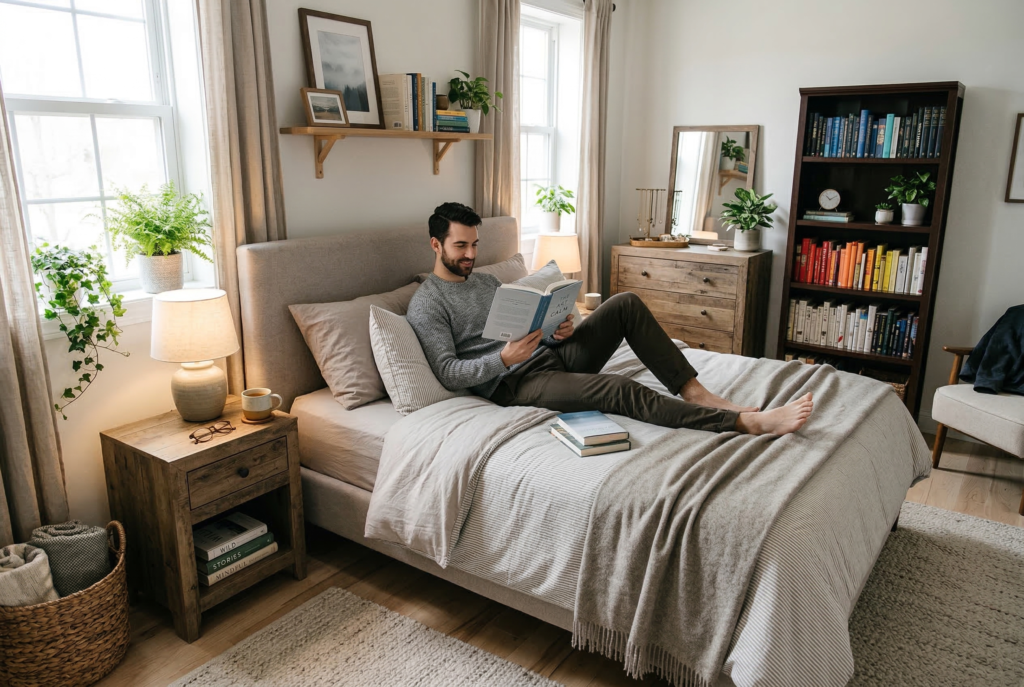
One of the most sustainable things you can do is choose furniture that lasts. Durability matters because every piece that stays in your home longer is one less piece that needs to be replaced, discarded, or upgraded too soon.
Look for solid construction, stable frames, quality joinery, sturdy legs, and materials that can handle daily life. In practical terms, that means checking whether drawers open smoothly, whether a table feels stable, whether upholstery seems durable, and whether the finish can tolerate normal wear. A stylish piece won’t feel sustainable if it starts failing after a year or two.
This matters even more for high-use furniture such as sofas, dining chairs, bed frames, coffee tables, and storage furniture. These pieces carry the most pressure in a home, especially in spaces shared by families, roommates, pets, or guests.
Choose Materials That Age Well
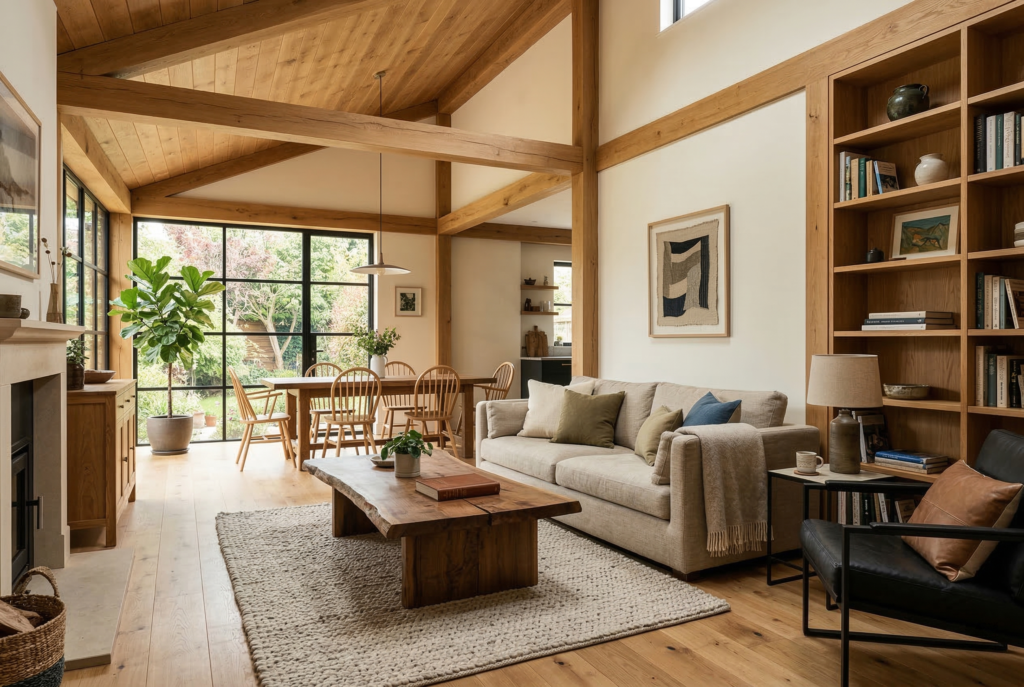
The materials used in furniture have a huge impact on how sustainable and livable a piece really is. Furniture that ages well tends to remain useful and attractive longer, which supports a more organized and less wasteful home.
Solid wood is often a strong option because it can last for years, be refinished, and handle everyday wear better than many lower-cost alternatives. Bamboo is another material people often consider because it grows quickly and works well in lighter, casual furniture or storage pieces. Reclaimed wood adds character while helping reuse existing resources.
Natural materials like cotton, linen, wool, and leather alternatives may also be worth considering depending on the piece and how it will be used. At the same time, material choices should match your real life. A delicate fabric may not make sense in a home with pets, small children, or heavy daily use. A more durable surface often ends up being the greener option when it prevents early replacement.
Look for Furniture That Supports Organization
Sustainable furniture should help your home function better, not just look good in photos. Pieces that support organization can reduce clutter, limit duplicate purchases, and make it easier to maintain your space over time.
Storage beds, media consoles, entry benches, bookcases, sideboards, and coffee tables with closed storage can all help a room stay more manageable. That matters because a home that functions well is often easier to keep, easier to enjoy, and less likely to push you into constant buying for quick storage fixes.
A thoughtfully chosen piece can solve several problems at once. A bench may provide seating and shoe storage. A dresser may reduce the need for extra closet systems. A dining cabinet may keep everyday items contained while improving the room visually. The more useful a piece is, the more likely it is to remain valuable over time.
Consider Secondhand and Vintage Furniture First
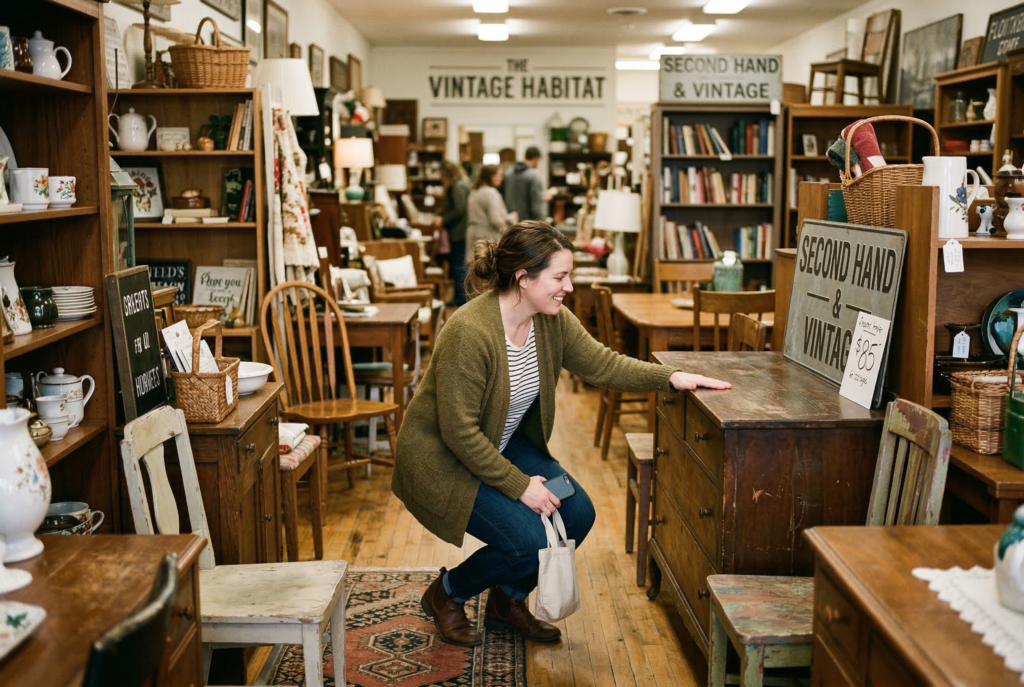
One of the smartest ways to furnish a greener home is to consider secondhand furniture before buying new. Vintage and pre-owned pieces often offer excellent durability, unique style, and better material quality than some newer mass-produced furniture.
Older dressers, wood tables, cabinets, shelves, and sideboards can often be cleaned, refinished, or slightly updated to fit a modern home. This approach keeps usable furniture in circulation and reduces demand for new manufacturing. It also helps create a home that feels more personal and less generic.
Secondhand shopping works especially well for foundational pieces that don’t need advanced technology or highly specific ergonomic features. Dining tables, storage cabinets, nightstands, bookshelves, and decor-friendly accent furniture are often great categories to shop used.
Pay Attention to Finishes and Indoor Air Quality
Sustainable furniture choices also affect the air inside your home. Some furniture can release volatile organic compounds, often called VOCs, from paints, stains, adhesives, or engineered wood products. While many people focus on size, color, and price, indoor air quality is worth considering too, especially in bedrooms, nurseries, and smaller homes with limited ventilation.
Low-VOC finishes, water-based coatings, and furniture made with fewer harsh chemical treatments may help create a more comfortable indoor environment. This can matter even more for people who are sensitive to strong odors or who want a fresher-feeling home overall.
You don’t need to become overly technical about every label, but it helps to pay attention to what a piece is made from and how it’s finished. A home should feel comfortable to live in, not just visually appealing.
Avoid Trend-Driven Furniture That Dates Quickly
Furniture that follows short-lived design trends too closely often gets replaced sooner, even when it’s still usable. That cycle may feel harmless in the moment, but it can lead to more waste, more spending, and a home that never quite settles.
Timeless furniture works best when it can adapt to changing tastes, shifting layouts, and different stages of life. A simple wood dining table, a well-proportioned sofa, or a neutral upholstered bed is often easier to keep and adapt than something extremely specific to a passing trend. This approach supports both sustainability and organization. When your furniture continues to work for you, you’re less likely to keep rotating pieces in and out of your home.
Think Long Term Instead of Room by Room
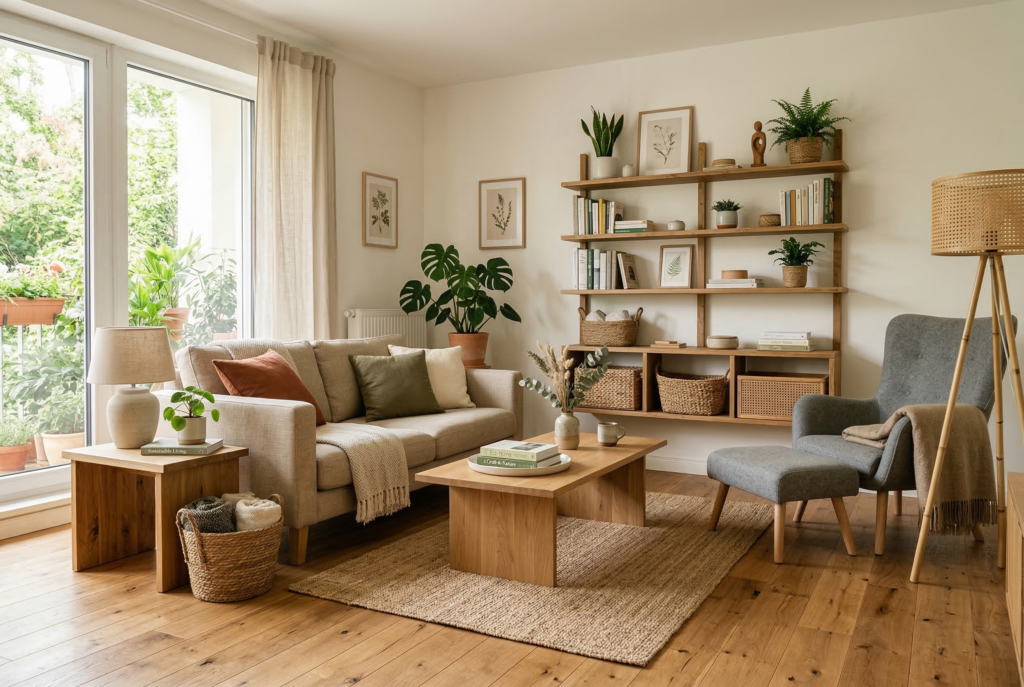
It’s easy to buy furniture based only on the immediate needs of one room. But more sustainable choices usually come from thinking about how a piece may serve you over time. Could the bookshelf work in a future office or guest room? Could the storage cabinet move from the dining room to the entryway later? Could a neutral chair work in several different layouts?
Flexible furniture often stays useful longer because it can adapt as your home changes. That’s especially helpful for renters, growing families, people who move for work, or households adjusting to remote work and changing routines. A longer-term perspective also helps control impulse buying. You start asking better questions before purchasing, which usually leads to fewer mistakes and more satisfaction with the pieces you bring home.
Balance Budget, Sustainability, and Practicality
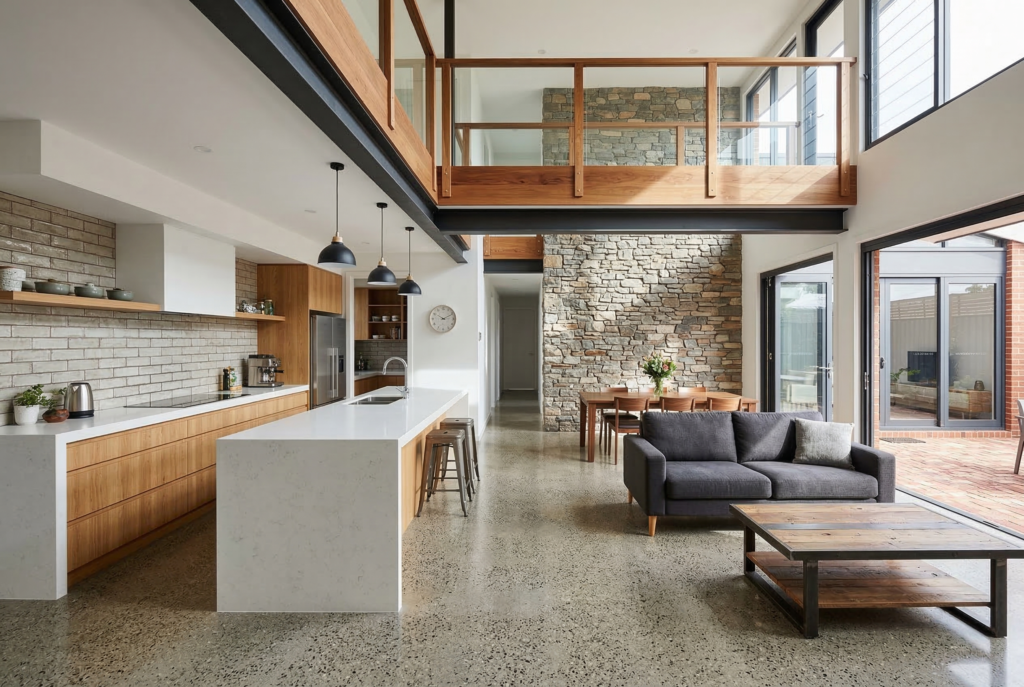
Sustainable furniture doesn’t have to mean buying the most expensive designer item in every category. A greener home is usually built through a mix of choices. You may buy one high-quality new sofa, pair it with a secondhand coffee table, reuse a dresser you already own, and skip pieces you don’t truly need.
That balanced mindset makes sustainability feel more realistic. It allows you to focus on the highest-impact decisions without turning home design into an all-or-nothing project. In many cases, the most practical and eco-friendly decision is to keep using what already works, repair what can be fixed, or wait to buy until you find the right piece. An organized home benefits from this restraint. Fewer better choices almost always work better than a room filled quickly with items that don’t last.
How to Shop for Eco-Friendly Furniture With More Confidence
When shopping for sustainable furniture, slow down enough to evaluate each piece beyond the surface. Think about how it will function in your space, how often it will be used, what materials it’s made from, and whether it fits the way you actually live. Ask whether it solves a real need, whether it can hold up to daily use, and whether you’d still want it several years from now.
It also helps to measure carefully, understand your storage needs, and avoid buying furniture just because a room feels unfinished. Furniture should make a home easier to use, easier to organize, and more comfortable to live in. That kind of usefulness is part of what makes it sustainable in the first place.
Conclusion
Choosing sustainable furniture is one of the most practical ways to create a greener home without giving up style or comfort. Durable materials, thoughtful design, secondhand options, healthier finishes, and multifunctional pieces can all help you build a home that feels organized, personal, and easier to maintain over time. The best eco-friendly furniture choices don’t just reduce waste. They also support better living by making your rooms more functional and more lasting.
A stylish home doesn’t need constant replacement to stay relevant. When you choose furniture with longevity, flexibility, and real-life use in mind, your space becomes easier to manage and far more satisfying to live in. That steady, thoughtful approach is what makes a home feel both beautiful and sustainable.