


Seasonal transitions can make any home feel a little chaotic. One month you’re putting away patio cushions and light bedding, and the next you’re digging out coats, holiday supplies, or allergy-friendly cleaning products. The good news is that staying ahead of the seasons doesn’t have to be overwhelming. With a practical system and a few smart habits, you can protect your home, reduce clutter, and make everyday life run more smoothly all year.
1. Build a Seasonal Home Checklist You’ll Actually Use
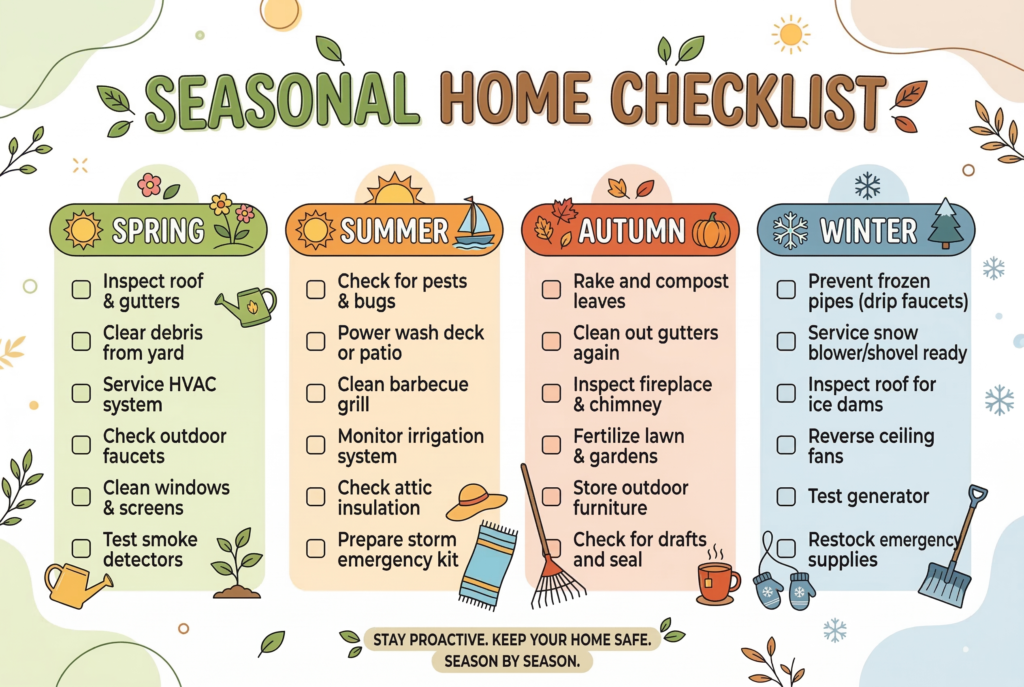
One of the easiest ways to stay organized year-round is to create a seasonal checklist for your home. Instead of trying to remember everything that needs attention in spring, summer, fall, and winter, write it down and keep it somewhere visible.
A useful checklist should include home maintenance, storage updates, cleaning priorities, and weather-related prep. In spring, that might mean checking gutters, rotating seasonal clothing, and deep-cleaning high-traffic areas. In fall, it could include sealing drafty windows, inspecting outdoor furniture, and organizing entryway gear. The key is keeping your list realistic. If it’s too long or too detailed, you probably won’t stick with it. A simple checklist helps you stay proactive instead of reactive, which saves time and reduces stress.
2. Rotate Seasonal Items Instead of Storing Everything Everywhere
Homes feel cluttered fast when every season is competing for space at the same time. Heavy blankets, beach towels, holiday decor, boots, fans, gardening tools, and sports gear can pile up before you know it.
A better approach is to rotate items based on the season. Keep only what you currently use in easy-to-reach spaces and move off-season items to storage bins, attic shelving, garage cabinets, or under-bed containers. Label everything clearly so you aren’t opening five boxes looking for one set of string lights or a winter throw. This kind of rotation keeps closets, mudrooms, and storage areas functional. It also helps you take inventory as the seasons change, so you’ll know what needs replacing and what you no longer need.
3. Reset Entryways for the Weather Ahead
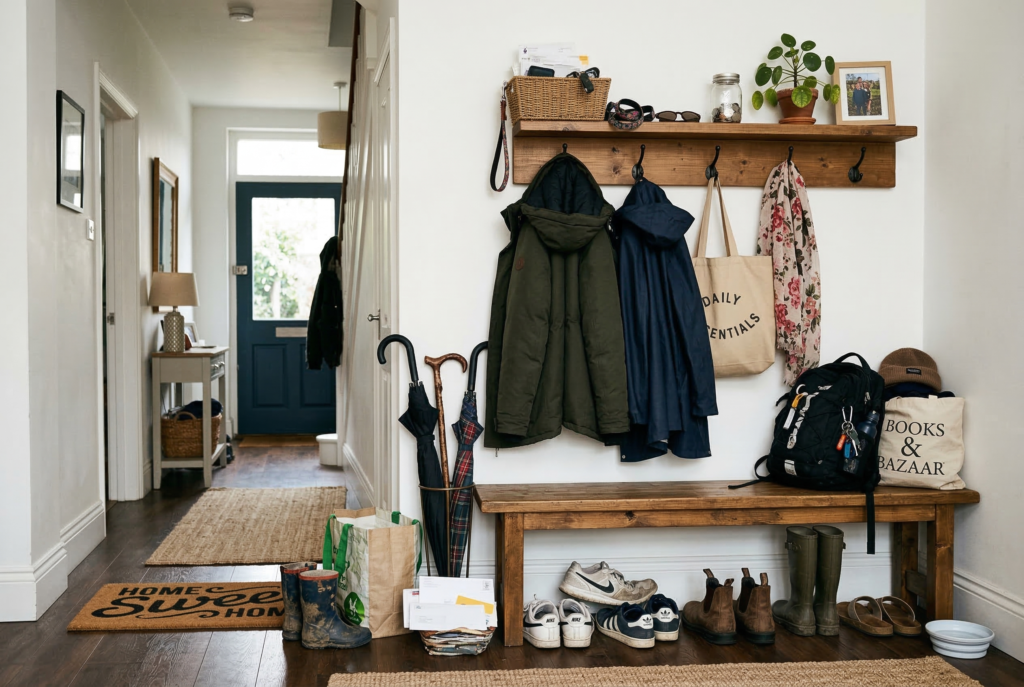
Your entryway has a huge impact on how organized your home feels. It’s the place where shoes, bags, jackets, umbrellas, and random daily clutter tend to collect. When the season changes, this area should change too.
In warmer months, prioritize sandals, sun hats, reusable shopping bags, and lightweight outerwear. In colder months, switch in boots, gloves, scarves, and heavier coats. If you have kids, this step matters even more because seasonal gear can take over the whole space quickly. Add a few simple organizational tools like baskets, hooks, a shoe tray, or a bench with hidden storage. When everything has a designated place near the door, daily cleanup becomes much easier and mess doesn’t spread through the rest of the house.
4. Protect Your Home With Preventive Seasonal Maintenance
A well-organized home isn’t just tidy. It’s also well maintained. Preventive care helps you avoid bigger, more expensive problems later, especially when weather conditions shift.
Before each new season, inspect the parts of your home most affected by temperature, moisture, and outdoor exposure. Check window seals, HVAC filters, gutters, weatherstripping, smoke detectors, and exterior drainage. In many parts of the U.S., seasonal weather swings can be intense, so it’s smart to prepare early rather than wait until something breaks.
This is also where experience and planning matter. Homeowners and renters alike benefit from a consistent maintenance routine because it extends the life of household systems and keeps living spaces safer and more comfortable. A tidy closet is helpful, but a well-prepared home is even better.
5. Declutter Before You Bring in New Seasonal Essentials
A common mistake is adding new seasonal items without clearing out what you already have. That’s how garages, linen closets, and kitchen cabinets get overstuffed. Before each season begins, do a quick edit of the things you no longer use. Donate extra coats, worn-out decor, duplicate kitchen items, and old sports gear that’s been sitting untouched. Toss anything broken that you’ve realistically stopped planning to fix.
This process doesn’t need to turn into a major weekend project. Even 20 to 30 minutes per area can make a noticeable difference. The goal is to create room before the next season’s items come in, not after you’re already dealing with overflow.
6. Refresh Bedrooms and Linens for Comfort and Storage Efficiency
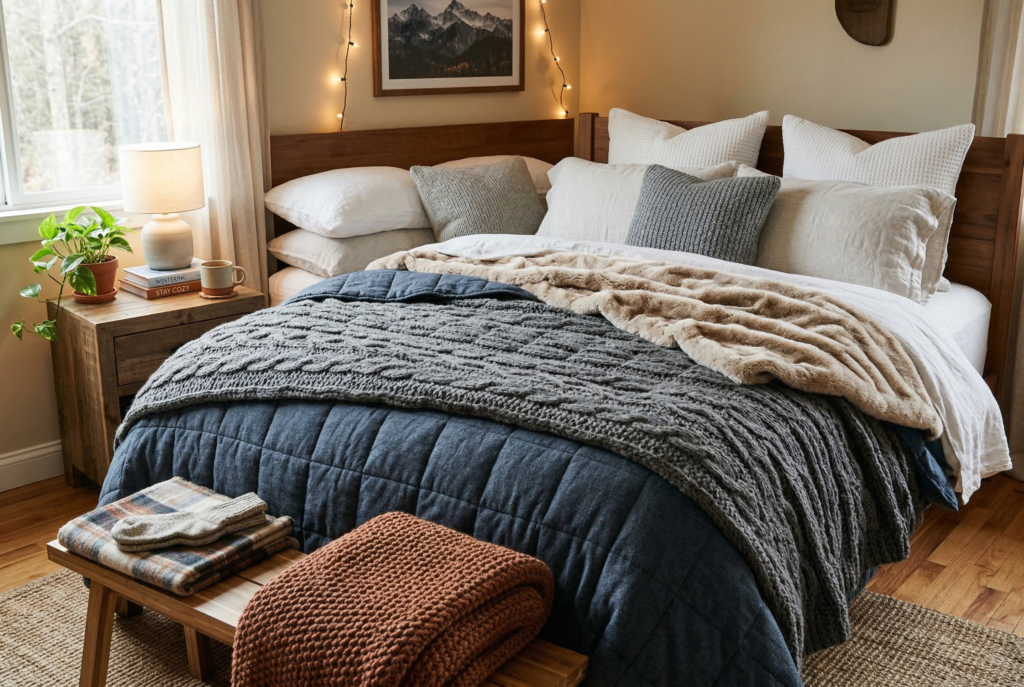
Seasonal home organization should include your bedrooms, not just shared spaces. Bedding, blankets, clothing, and personal care items all shift with the weather, and making those updates can instantly improve comfort.
Store heavy comforters, flannel sheets, and electric blankets when temperatures rise. When colder weather returns, swap out lighter linens and bring back the warmer layers. Vacuum-sealed bags or breathable storage bins can help protect fabrics while saving space.
Closets benefit from this same reset. Move out-of-season clothing to a secondary rod, upper shelf, or labeled storage bin. That gives you easier access to what you’re actually wearing now and makes mornings less frustrating. A more functional bedroom often leads to better habits overall because daily routines feel less rushed and cluttered.
7. Organize the Kitchen Around Seasonal Habits
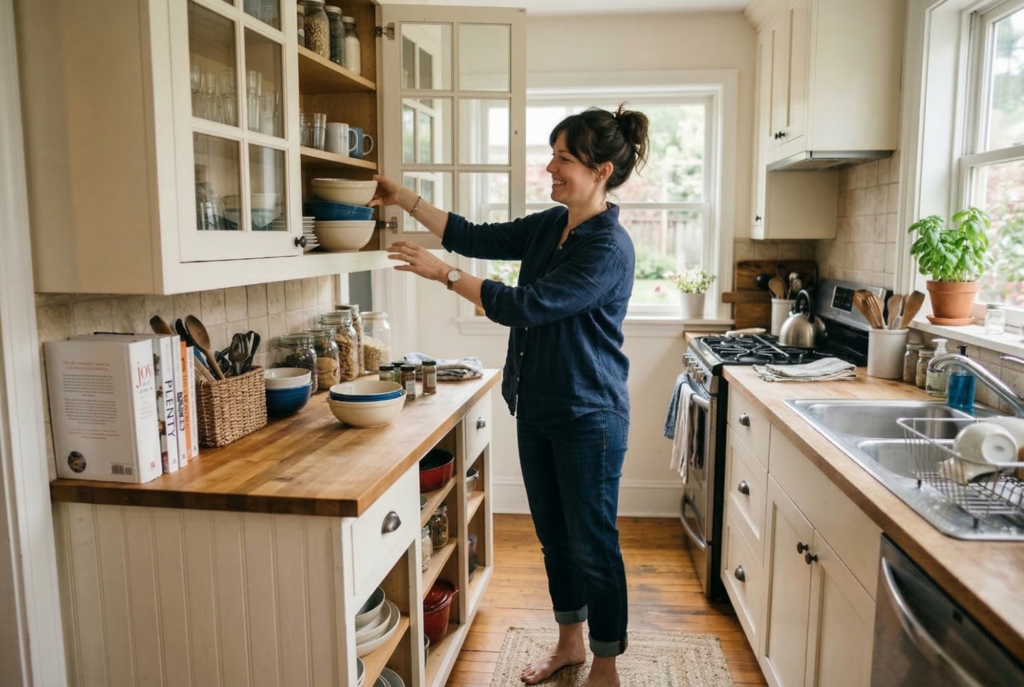
Your kitchen changes with the season whether you notice it or not. Summer may bring grilling tools, water bottles, picnic gear, and lighter meals. Fall and winter often mean baking supplies, slow cookers, soup pots, and holiday serving pieces.
Take time to rearrange cabinets and pantry zones around what you use most during the current season. Keep seasonal essentials accessible and move occasional-use items farther back. Check expiration dates on pantry goods, spices, and baking ingredients before buying more.
This is also a good time to clean out the refrigerator, freezer, and food storage containers. A well-organized kitchen reduces food waste, simplifies meal prep, and helps your home feel more in sync with everyday life.
8. Create a Simple Storage System for Holiday and Event Supplies
From back-to-school season to Thanksgiving, winter holidays, and summer gatherings, many households deal with a steady flow of event-related supplies. Without a dedicated system, those items end up scattered across closets, garage shelves, and spare rooms.
Set aside one storage zone for holiday decor, entertaining pieces, gift wrap, and seasonal tableware. Use durable bins with clear labels such as “Fall Decor,” “Outdoor Party Supplies,” or “Holiday Lights.” Store the most frequently used items at eye level and fragile pieces in secure containers. Keeping these supplies grouped together makes decorating, hosting, and cleanup much easier. It also prevents overbuying because you can quickly see what you already own.
9. Prep Outdoor Spaces Before the Weather Forces You To
Seasonal organization isn’t limited to the inside of your home. Outdoor areas need attention too, especially if you want them to stay safe, useful, and easy to maintain.
Before colder weather arrives, store cushions, drain hoses, clean garden tools, and cover or move furniture as needed. Before warmer weather starts, inspect the patio, wash outdoor textiles, and check for damage from winter moisture or freezing temperatures.
This habit helps protect your investment in outdoor furniture and equipment. It also makes each new season more enjoyable because your space is ready when you want to use it. No one wants to spend the first beautiful weekend of spring untangling last season’s mess.
10. Set a Monthly Mini Reset to Stay Organized All Year
The best way to prepare your home for seasonal changes is to avoid letting things build up between seasons. A monthly mini reset keeps your systems working so you aren’t starting from scratch every few months.
This reset can be simple. Revisit one storage area, toss expired items, return misplaced seasonal gear, and review your upcoming needs. If a weather shift is coming, use that time to plan ahead. You might wash winter bedding before storing it, bring fans out early, or restock household essentials before demand spikes. Consistency matters more than perfection. Small monthly resets are easier to maintain than occasional deep overhauls, and they help your home stay functional even during busy times of year.
Conclusion
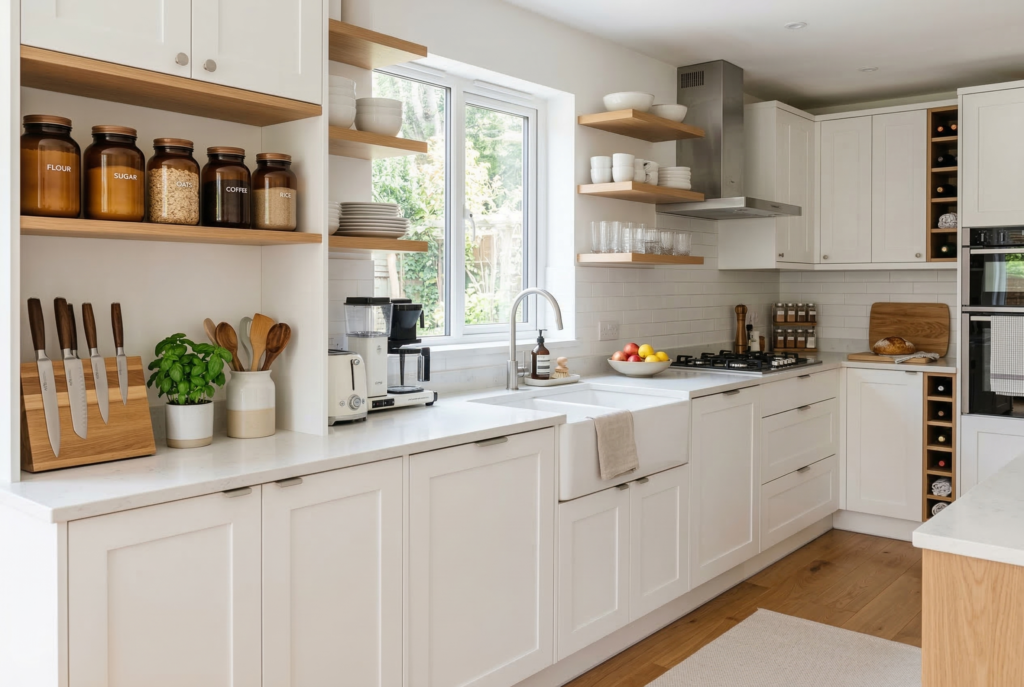
Preparing your home for seasonal changes doesn’t require complicated systems or constant deep cleaning. It comes down to staying one step ahead, using your space intentionally, and building routines that support real life. When you rotate seasonal items, handle maintenance early, and keep storage organized, your home feels calmer and easier to manage no matter the time of year.
A thoughtful seasonal routine also helps you save money, reduce clutter, and protect the spaces you use every day. Whether you live in a house, condo, or apartment, these smart strategies can help you stay organized year-round and make each seasonal transition feel much more manageable.
Related Articles
How Seasonal Changes Influence Your Lifestyle: Simple Tips to Align Your Home and Habits