

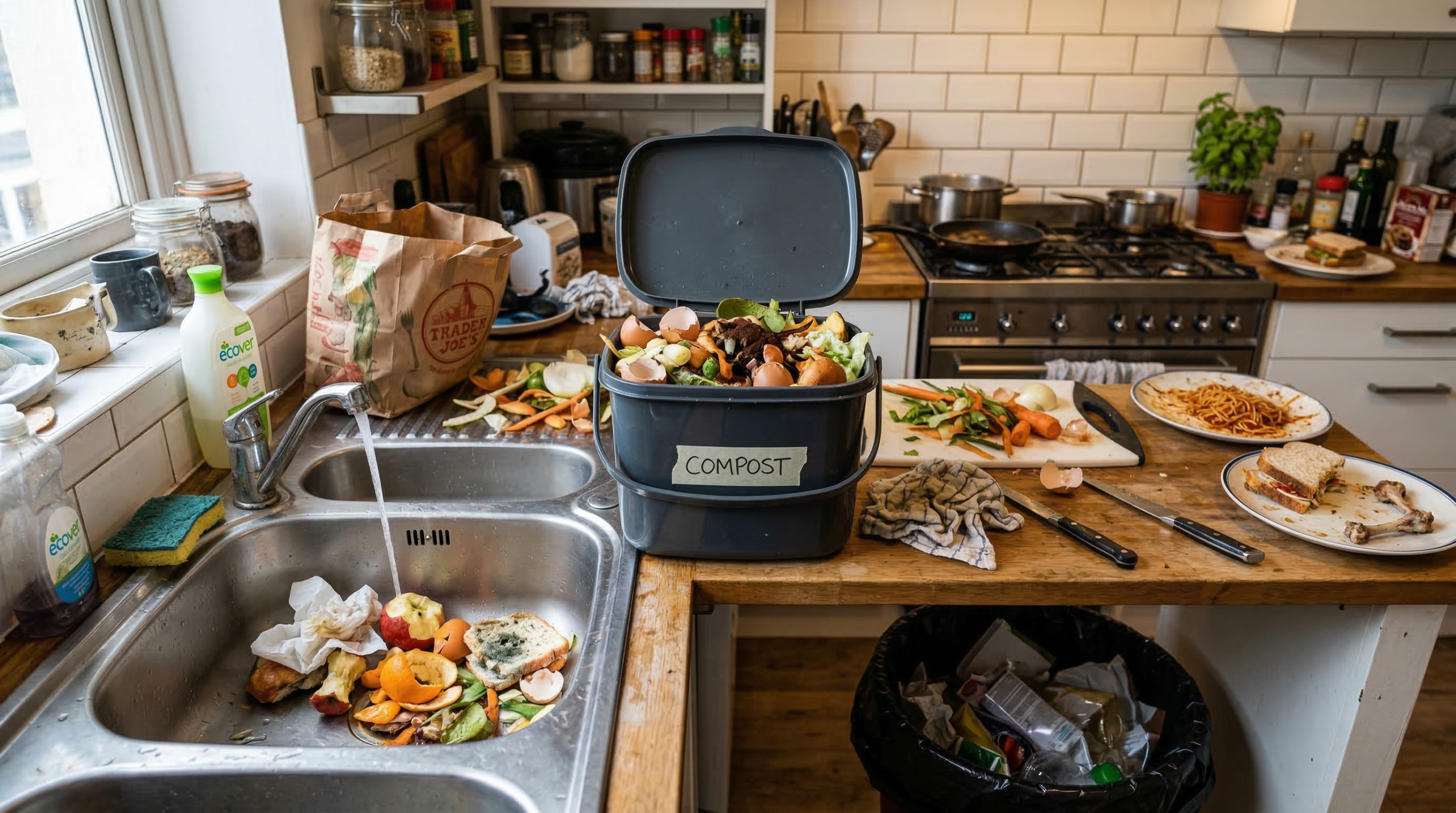
Food waste often starts with good intentions. Fresh produce gets tucked into the back of the refrigerator, leftovers are forgotten after a busy week, and pantry items pile up faster than they’re used. Over time, that waste affects both the household budget and the daily rhythm of the kitchen.
The good news is that reducing food waste at home usually doesn’t require a complicated system. With smarter food storage, more thoughtful meal planning, and a few practical habits, it becomes much easier to use what you buy and keep your kitchen running more efficiently.
Why Reducing Food Waste at Home Matters
Wasting food goes beyond simply throwing away ingredients; it also results in a loss of money, time, storage space, and the effort invested in grocery shopping and meal preparation. For many households in the United States, grocery costs have become a more noticeable part of the monthly budget, which makes food waste feel even more frustrating.
A kitchen that supports better food habits can make everyday life easier. When ingredients are easier to see, meals are planned more realistically, and leftovers are actually used, there’s less stress around what to cook and less guilt about what gets tossed. Smarter food storage and meal planning can also help busy families, couples, and individuals feel more organized throughout the week.
1. Check What You Already Have Before Shopping

One of the simplest ways to reduce food waste is to start before you even make a grocery list. Many people buy duplicates because they don’t fully know what’s already in the fridge, freezer, or pantry. That often leads to extra produce, another carton of broth, or a second bag of shredded cheese that wasn’t actually needed.
A quick kitchen check before shopping can prevent that. Look through the refrigerator, scan pantry shelves, and take note of ingredients that need to be used soon. This step helps build a more realistic grocery list and reduces the chance of food getting forgotten behind newer purchases.
2. Plan Meals Around Ingredients You Need to Use First
Meal planning works best when it starts with what’s already on hand. Instead of planning meals first and buying everything from scratch, look at what needs to be used up and build around those items. That half bag of spinach, the leftover rice, or the chicken that needs to be cooked in the next day or two should shape the week’s menu.
This approach helps rotate food through the kitchen more efficiently. It also makes meal planning feel less wasteful and often saves money because fewer ingredients go unused. A flexible meal plan is usually more practical than an overly ambitious one that ignores what’s already in the house.
3. Store Fresh Produce the Right Way
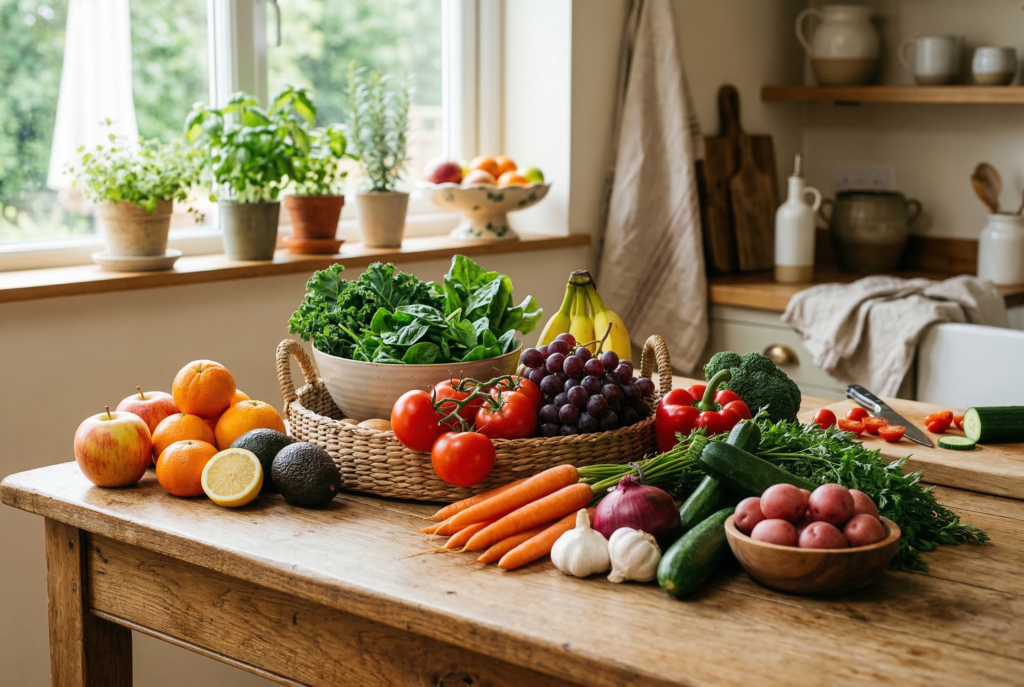
Not all fruits and vegetables should be stored the same way, and poor storage habits often lead to spoilage faster than expected. Leafy greens may last longer when wrapped lightly to absorb excess moisture, herbs can benefit from being stored upright with water, and some produce does better outside the refrigerator altogether.
Understanding a few basic storage principles can make a noticeable difference. Keep produce visible, avoid overcrowding the crisper drawers, and separate items that spoil quickly from items that last longer. Bananas, avocados, and apples can also affect nearby produce because they release ethylene gas, which speeds up ripening. When food is stored properly, it usually stays fresh longer and is more likely to get used.
4. Make the Refrigerator Easier to See and Use
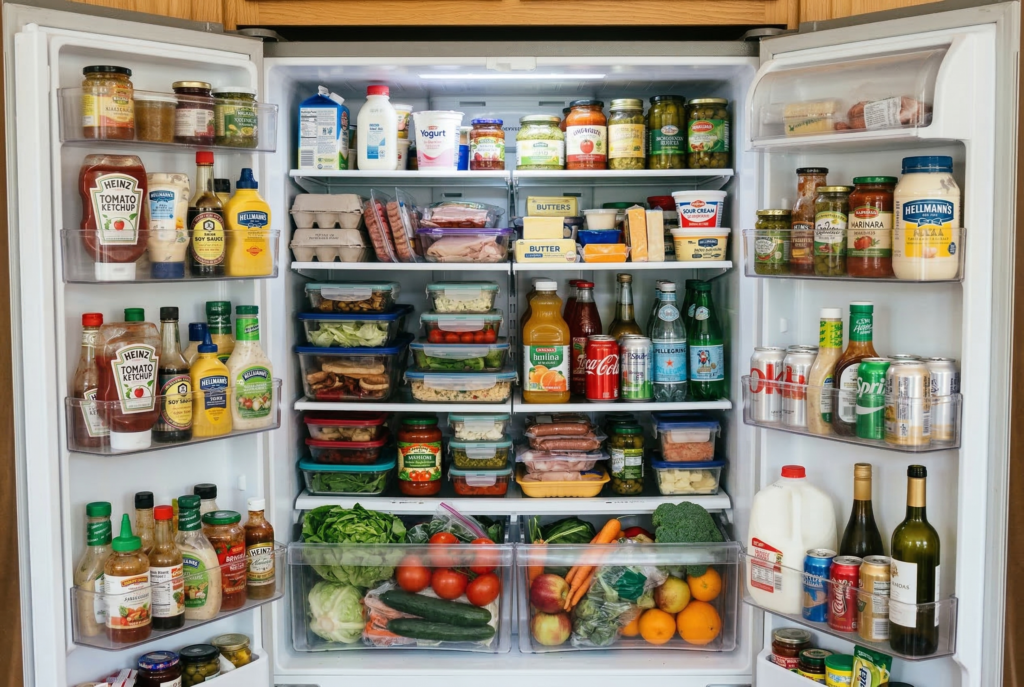
A crowded refrigerator often creates waste because food gets hidden, forgotten, or pushed behind newer groceries. If containers are stacked too tightly or shelves are packed with random items, it becomes difficult to keep track of what needs attention.
An organized refrigerator can help solve that problem. Try grouping similar items together, keeping leftovers where they’re easy to see, and putting foods that need to be used soon toward the front. Clear containers can also help because they make contents more visible at a glance. The easier it is to see what’s in the fridge, the easier it becomes to use it in time.
5. Use Leftovers With a Plan Instead of Hoping for the Best
Leftovers are one of the biggest missed opportunities in many kitchens. They’re often saved with good intentions, then quietly ignored until they no longer look appealing. A better strategy is to decide right away how leftovers will be used.
That might mean assigning one night a week for leftover meals, repurposing roasted vegetables into a grain bowl, or turning cooked chicken into wraps, soup, or pasta the next day. When leftovers have a clear purpose, they’re much less likely to end up wasted. This also makes meal prep feel more efficient because one cooking session can support multiple meals.

6. Freeze Food Before It Reaches the Point of No Return
The freezer can be one of the best tools for reducing food waste, but many people wait too long to use it. Bread, cooked grains, chopped vegetables, meat, fruit, soups, sauces, and leftovers can often be frozen before they spoil. The key is to freeze them while they’re still in good condition, not after they’ve already started to decline.
Freezing food at the right time gives you more flexibility during busy weeks and helps preserve items you can’t use right away. Labeling containers with the contents and date also makes it easier to avoid mystery packages that sit untouched for months. A freezer works best when it acts as a real backup plan, not a place where forgotten food disappears.
7. Buy Realistic Amounts for Your Household
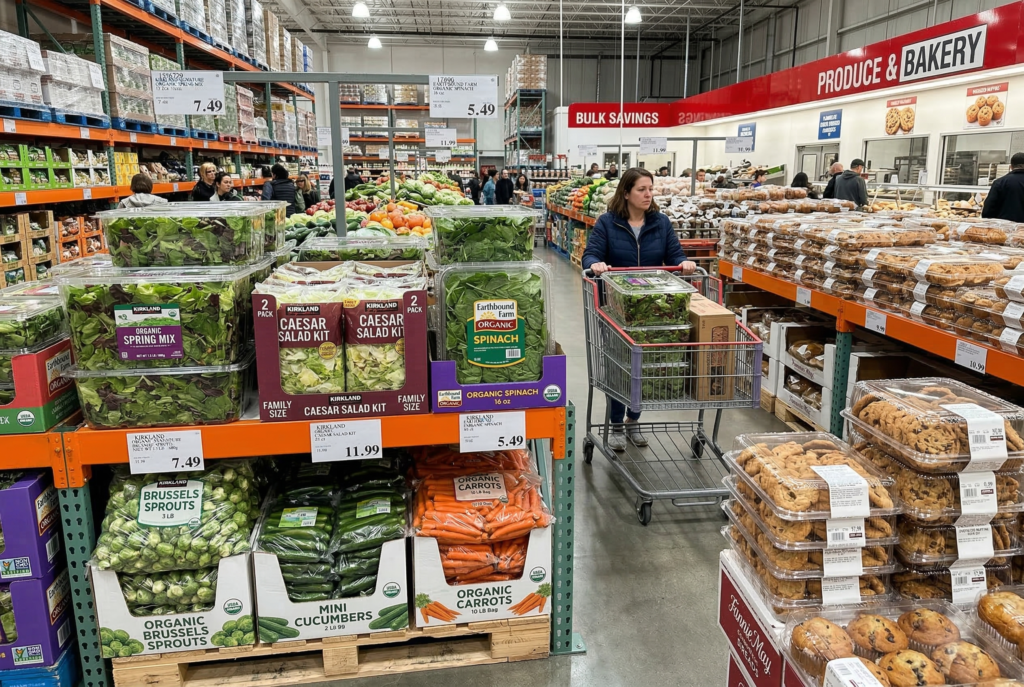
Bulk buying can seem like a smart way to save money, but it can backfire when perishable food goes bad before anyone finishes it. Large containers of salad greens, family-size produce packs, and oversized bakery items may not make sense for every household.
Reducing food waste often means being honest about how your household actually eats. Buy quantities that fit your schedule, cooking habits, and family size. If certain ingredients tend to spoil before they’re used, buy less of them more often or choose frozen versions when that makes more sense. A realistic shopping routine usually saves more money than buying too much and throwing part of it away.
8. Keep a Simple Use-First System in the Kitchen
A use-first system helps make sure older items get used before newer ones take over. In the pantry, that might mean moving older cans and boxes to the front. In the refrigerator, it could mean keeping foods that need attention in one clearly visible section. In the freezer, it may help to group older items where they won’t be buried.
This doesn’t need to be complicated. Even a small designated area for ingredients that should be used soon can help reduce waste. The main goal is to create a visual reminder so food doesn’t quietly expire while newer groceries take priority.
9. Learn the Difference Between Dates and Actual Spoilage
Many people throw away food too early because they rely only on printed dates without considering the actual condition of the product. While safety matters, not every date label means food must be discarded immediately. Some labels refer to quality rather than spoilage.
That’s why it helps to pay attention to smell, texture, appearance, and storage history in addition to the package date. Dairy, pantry staples, condiments, and packaged foods can sometimes remain usable past the listed date depending on the item and how it’s been stored. A more informed approach can reduce unnecessary waste while still keeping food safety in mind.
10. Build a Weekly Habit of Using What’s Left
One of the most effective food waste habits is to do a quick weekly reset before the next grocery trip. Look through the refrigerator for ingredients that need to be used, assess leftovers, and find a way to turn remaining odds and ends into one or two simple meals.
This could be a soup, stir-fry, pasta dish, taco night, grain bowl, or breakfast-for-dinner meal built around what’s left. These flexible meals are practical because they help use up produce, proteins, and pantry items without requiring a perfect plan. Over time, this habit can noticeably cut down on what gets thrown away each week.
Conclusion
Reducing food waste at home doesn’t require a perfect kitchen or a complicated meal prep routine. In most cases, it comes down to a few consistent habits like checking what you already have, storing food more carefully, planning meals around ingredients that need to be used, and making leftovers part of the week instead of an afterthought.
With smarter food storage and meal planning, it becomes easier to waste less, save more, and keep the kitchen running smoothly. Small changes can add up quickly, helping your home feel more organized, more efficient, and better prepared for everyday life.
Related Articles
- How to Build a Zero-Waste Kitchen with Simple Swaps, Smart Storage, and Sustainable Everyday Habits
- 10 Simple Ways to Reduce Household Waste and Create a More Sustainable, Eco-Friendly Home
- 10 Top Smart Grocery Shopping Apps to Simplify Your Lists, Save Time, and Streamline Weekly Meal Planning