

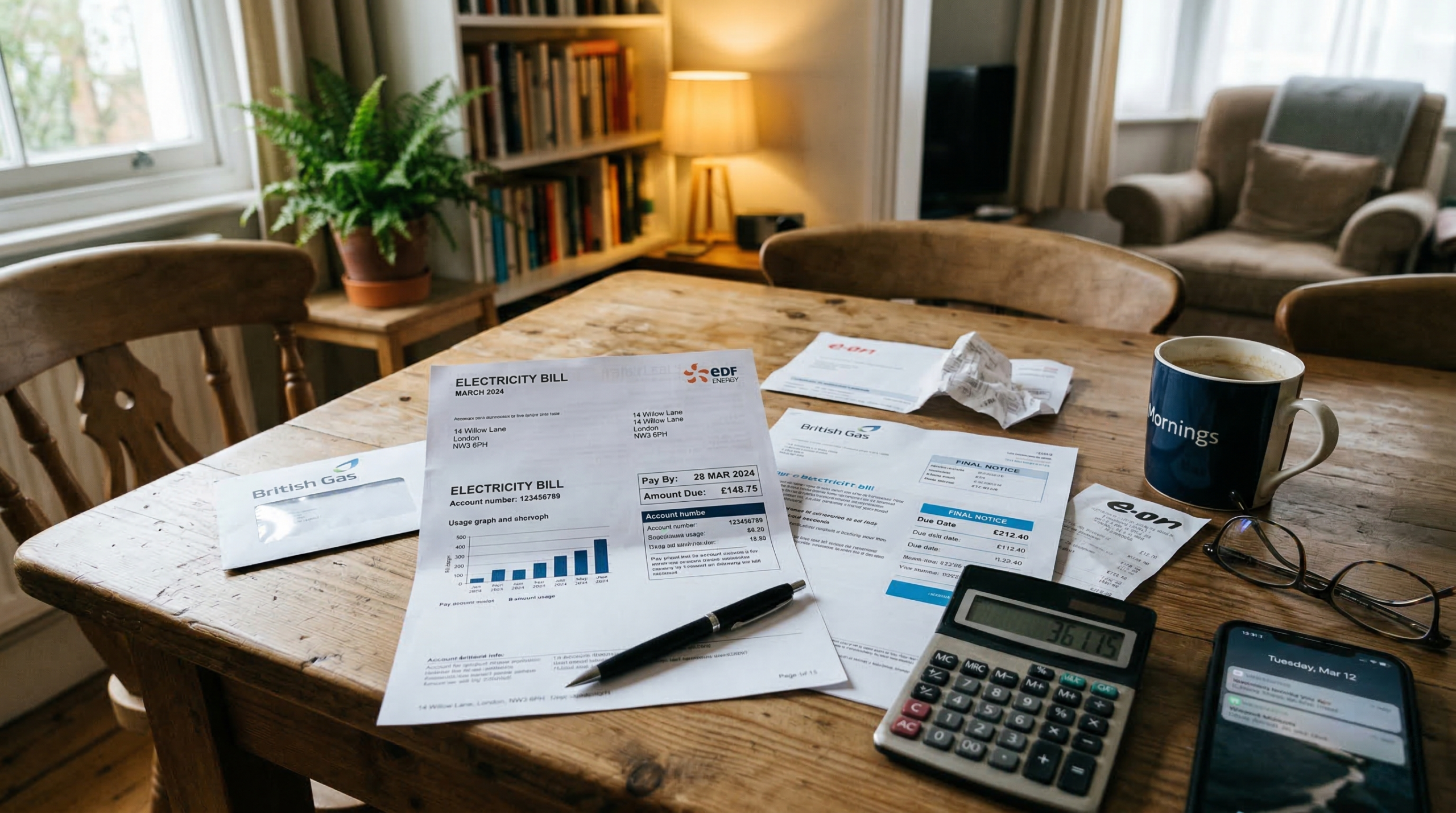
Energy waste has a way of hiding in everyday routines. It shows up in rooms that are overheated or overcooled, appliances that keep running when they don’t need to, and habits that seem small on their own but add up over the course of a month.
For many households, lowering electricity bills starts with noticing where energy is slipping away and making practical changes that are easy to maintain. A more efficient home doesn’t have to feel restrictive. In many cases, it simply works better, wastes less, and supports a more comfortable daily routine.
Why Reducing Energy Waste at Home Matters
Cutting energy waste can help in two important ways. First, it can lower monthly utility costs, which matters for households trying to manage a tighter budget. Second, it can make the home feel more efficient and less frustrating to live in. Drafty rooms, inconsistent temperatures, and outdated habits often create unnecessary strain on both the house and the people living in it.
For many people in the United States, home energy use rises quickly during the hottest and coldest parts of the year. Heating and cooling demands, laundry, cooking, lighting, and electronics all affect the monthly bill. That’s why small improvements can make a meaningful difference over time. The goal is to waste less energy without making the home less comfortable.

1. Adjust Your Thermostat With Daily Life in Mind
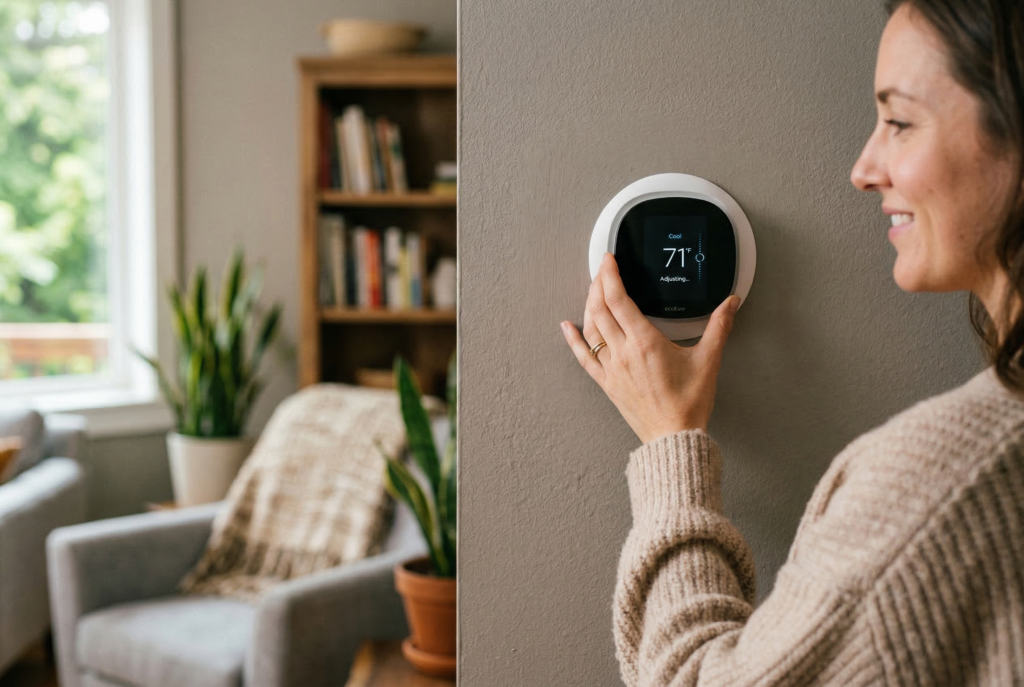
Heating and cooling usually account for a large share of household energy use, so thermostat settings matter more than many people realize. Keeping the temperature the same all day, even when no one is home or when everyone is asleep, often leads to unnecessary energy use.
A smarter approach is to adjust the thermostat around your actual routine. If the house is empty for several hours during the workday, letting the temperature rise slightly in summer or drop a bit in winter can help reduce waste. At night, a more moderate setting can also improve efficiency. The point isn’t to make the home uncomfortable. It’s to avoid paying for heating or cooling that no one is really using.
2. Seal Air Leaks That Let Conditioned Air Escape
One of the most common reasons homes waste energy is that heated or cooled air keeps slipping out through gaps around doors, windows, and other openings. Even small leaks can make HVAC systems run longer than necessary, especially during peak summer and winter months.
Weather stripping, caulk, and door sweeps can help close those gaps. In many homes, these are simple upgrades with a noticeable payoff. If one room always feels drafty or harder to keep at the right temperature, air leaks may be part of the problem. Sealing them can help the house feel more consistent while reducing strain on the heating and cooling system.
3. Stop Wasting Electricity on Lights That Don’t Need to Be On
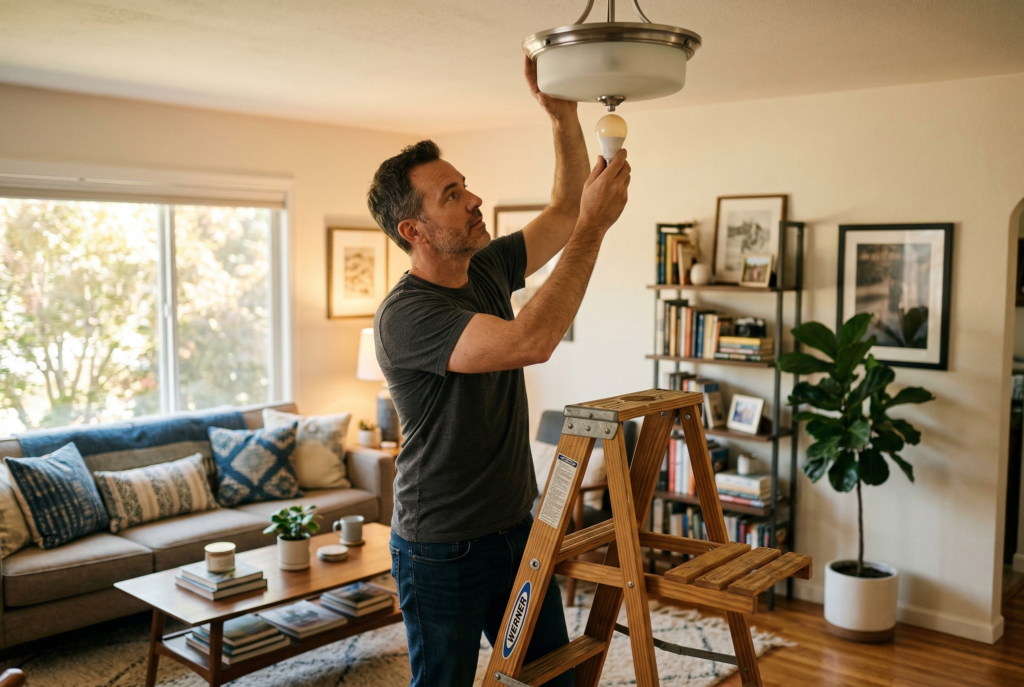
Lighting may not be the biggest part of an electricity bill, but it’s one of the easiest places to cut waste. Lights are often left on in empty bedrooms, bathrooms, hallways, and kitchens simply out of habit. That waste becomes more expensive when older, less efficient bulbs are still in use.
Switching to LED bulbs can help lower electricity use because they use less energy and tend to last longer. It also helps to become more intentional about turning off lights when leaving a room. In areas where lights are frequently forgotten, such as closets, garages, or laundry rooms, motion-sensor options may be worth considering.
4. Unplug Devices and Chargers That Keep Drawing Power
Many electronics continue to use electricity even when they’re turned off. Televisions, gaming systems, coffee makers, microwaves, printers, and phone chargers can all draw standby power when they stay plugged in all the time. On their own, these devices may not seem like a major concern, but together they can quietly add to monthly energy waste.
Using power strips in entertainment centers, home offices, or kitchen appliance zones can make it easier to cut off power to multiple devices at once. Unplugging chargers when they aren’t being used is another small step that helps. These habits won’t transform a bill overnight, but they can support more efficient everyday energy use.
5. Use Appliances More Strategically
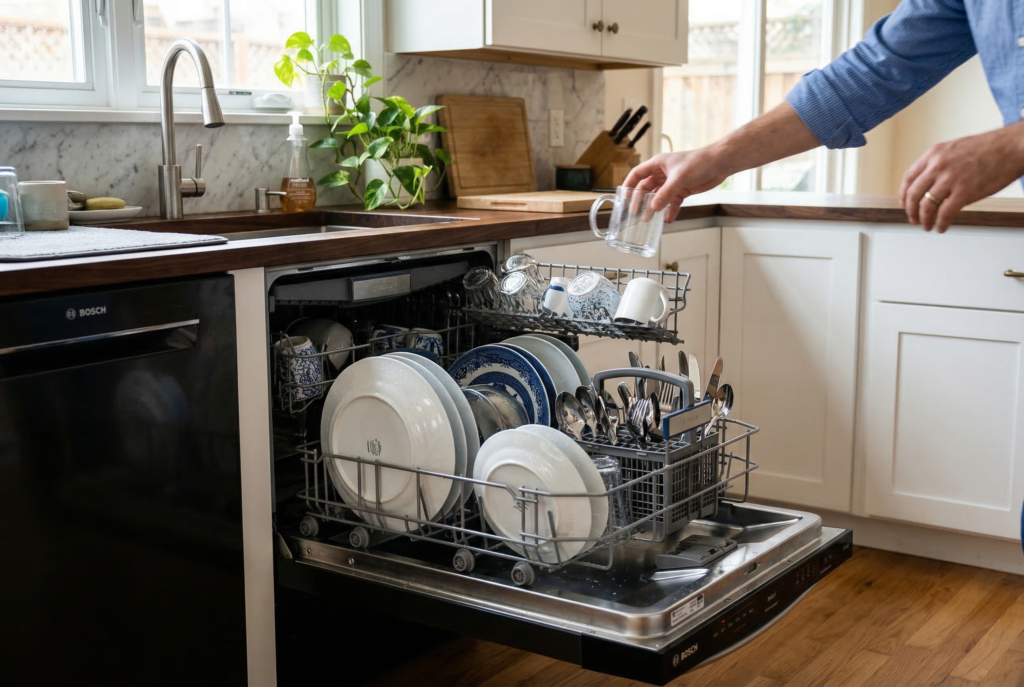
Appliances play a major role in monthly electricity use, especially washers, dryers, dishwashers, ovens, and refrigerators. While replacing old appliances can improve efficiency, better habits with the appliances you already own can also make a difference.
Running full loads in the dishwasher and washing machine is one simple example. Using cold water for laundry when appropriate can also reduce energy use. With dryers, avoiding very small loads and cleaning the lint filter regularly helps the machine work more efficiently.
In the kitchen, using smaller appliances like toaster ovens, slow cookers, or air fryers for certain meals may use less energy than heating the full oven every time.
6. Keep Your HVAC System Working Efficiently
An HVAC system can’t operate efficiently if it’s neglected. Dirty filters, blocked vents, and overdue maintenance can force the system to work harder than it should. That increases energy use and can shorten the life of the equipment over time.
Replacing air filters on a regular schedule is one of the simplest ways to support better performance. It also helps to keep vents clear of furniture, rugs, or curtains that block airflow. If the system hasn’t been checked in a while, seasonal maintenance may help catch small problems before they turn into expensive ones. A well-maintained system is often more effective and less wasteful.
7. Use Window Coverings to Control Indoor Temperature
Windows can have a major effect on indoor comfort. In summer, direct sun can heat up a room quickly and make the air conditioner work harder. In winter, uncovered windows can contribute to heat loss, especially in older homes.
Blinds, curtains, and shades can help control these temperature shifts. Closing them during the hottest part of the day can reduce solar heat gain in warmer months. In colder months, opening them during sunny hours and closing them at night may help retain warmth. This is a simple, low-cost habit that can support a more stable indoor temperature without requiring constant thermostat changes.
8. Take a Closer Look at Water Heating Habits
Water heating is another major source of household energy use. Long hot showers, frequent hot-water laundry cycles, and inefficient water heater settings can all increase monthly utility costs. Because the effect isn’t always visible, it’s easy to overlook.
Shorter showers, low-flow showerheads, and washing clothes in cold water more often can help reduce energy waste. It may also be worth checking the water heater temperature to make sure it isn’t set higher than necessary. For many households, a few adjustments in water use can lower both energy bills and water costs at the same time.
9. Use Ceiling Fans the Right Way
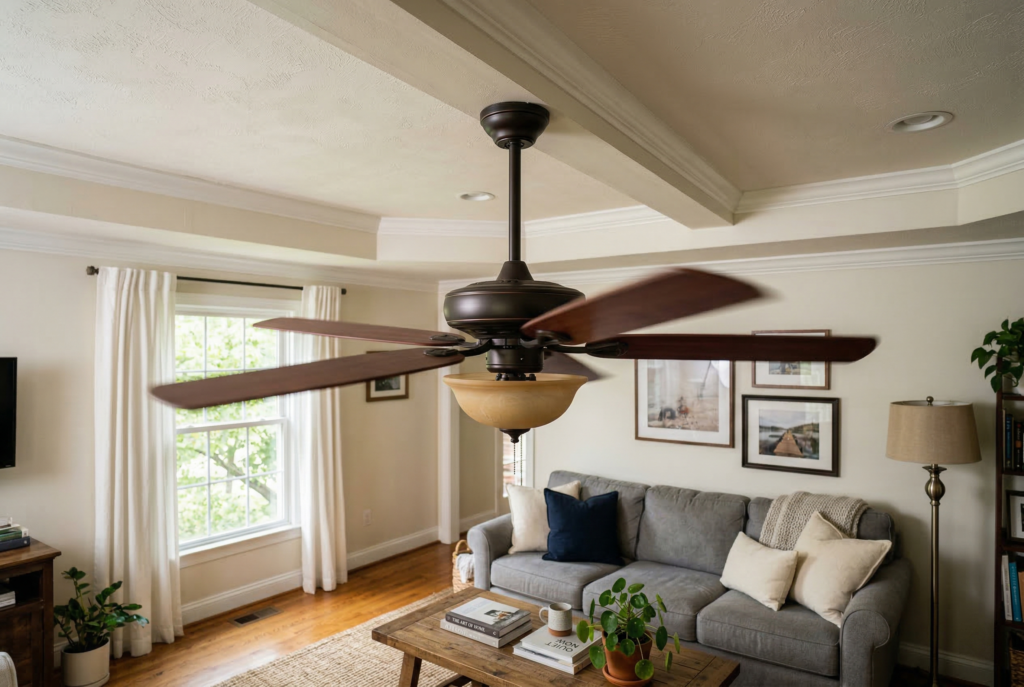
Ceiling fans don’t cool the air itself, but they can make people feel cooler by improving air movement. That means they can help support comfort without relying as heavily on air conditioning. In summer, using ceiling fans in occupied rooms may allow for a slightly higher thermostat setting while still keeping the space comfortable.
Fans are most useful when people are actually in the room. Leaving them running in empty rooms doesn’t help and still uses electricity. In homes with reversible ceiling fans, changing the fan direction seasonally may also help improve comfort. When used correctly, fans can support a more efficient heating and cooling strategy.
10. Build Energy-Saving Habits Into Everyday Routines
Many energy-saving changes succeed or fail based on routine. A home may have efficient bulbs, decent insulation, and better appliances, but if lights stay on, doors are left open, and laundry gets run in half loads all week, waste still adds up.
That’s why it helps to build small energy-saving habits into the way the household already functions. Turn off lights before leaving the room. Close exterior doors quickly during extreme weather. Run full loads when possible. Use the dishwasher and laundry machines with intention instead of convenience alone. These are simple actions, but over the course of a month, they can make a real difference.
How to Lower Electricity Bills Without Making Home Feel Less Comfortable
Reducing energy waste doesn’t mean living in a dark house or constantly feeling too hot or too cold. In most cases, the best results come from improving efficiency rather than cutting comfort. A well-sealed home, a maintained HVAC system, thoughtful thermostat settings, and smarter appliance use can all help lower electricity bills while making the home feel more functional.
This approach tends to work better because it’s sustainable. If an energy-saving strategy feels too inconvenient, people usually won’t stick with it. But when the change feels practical and supports real life, it becomes part of the household routine more naturally.
Conclusion
Reducing energy waste at home is one of the most practical ways to lower electricity bills every month without taking on a major renovation. Small steps like adjusting the thermostat, sealing air leaks, managing lighting, using appliances more efficiently, and improving daily habits can all add up over time.
A more energy-efficient home often feels better to live in because it runs with less waste and less friction. When you make a few smart changes and stay consistent, it becomes easier to control costs, improve comfort, and create a home that works harder without using more than it needs.
Related Articles
- Top Energy-Saving Smart Devices: How to Save Money and Cut Utility Bills with Smart Technology
- 12 Water-Saving Home Upgrades to Reduce Consumption, Lower Bills, and Create a More Sustainable Household
- Energy Efficient Home Design Ideas to Reduce Energy Costs and Create a Smarter More Sustainable Home
- 15 Green Living Tips for Apartments to Reduce Waste, Save Energy, and Create an Eco-Friendly Home