

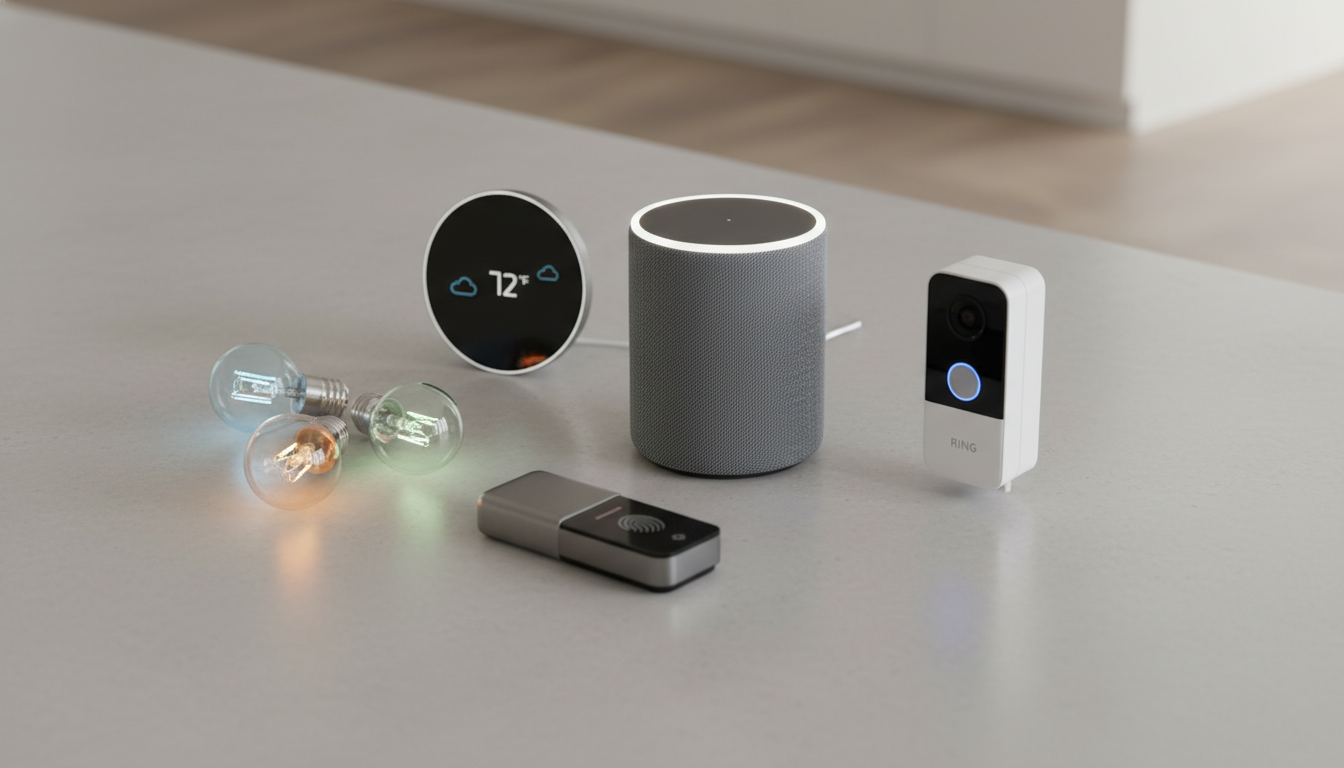
High energy prices are affecting adults more than ever those running homes looking after families, paying off mortgages, or managing hectic jobs. As utility costs keep going up many people think they can’t do much to control their monthly expenses. Here’s the bright side. Smart home technology today offers simple and effective ways to cut down on wasted energy and lower costs, all without losing comfort or ease.
If you want to use less electricity, make your home work more, or get more out of your monthly budget, energy-saving smart gadgets provide some of the quickest and simplest ways to save money right now. Making small updates like using smart plugs or changing to LED automation help homeowners save money over time. These adjustments can lead to smaller utility bills month after month.
After reading this article, you’ll know the best energy-saving smart devices completely and how everyday households use them. You also learn how to rely on them to lower costs, be more energy-efficient, and enjoy a sustainable and cozy home.
The Importance of Smart Energy Devices for Today’s Homeowners
Many American families lose hundreds of dollars annually because of:
- devices draining power even when turned off
- outdated appliances
- lighting that wastes electricity
- poor temperature regulation
- forgetting to switch things off
By addressing these issues, smart devices offer simple solutions:
- handling tasks that use a lot of energy automatically
- picking up on your daily habits
- cutting down power usage
- stopping unintended energy waste
- letting you see how much energy you’re using
To manage budgets, juggle family activities, or handle remote work more, these devices do more than save energy. They simplify your daily life and make it less stressful.
What Does It Mean for a Device to Save Energy?
Top energy-saving smart gadgets come packed with tools to help you use less energy and avoid unnecessary waste without extra effort. These tools also make your home function better overall.
- Automation: Make changes automatically by noticing things like time, room temperature, or if someone is home.
- Scheduling: Run devices when they’re needed. This works great for mornings, evenings, or when energy is cheaper.
- Remote Control: You can turn off gadgets you forgot to switch off even if you’re already at work or out doing something with your family.
- Energy Monitoring: Check which devices use up the most electricity and increase your energy costs.
- Smart Home Integration: It works with Alexa, Google Home, Apple HomeKit, or Matter so you can control everything in one place.
Best Smart Devices to Save Energy
Here’s a clear and simple list of the smartest devices created using your data and fine-tuned to fit the daily needs of adults managing their homes.
1. Smart Thermostats (The Easiest Way to Lower Heating and Cooling Bills)
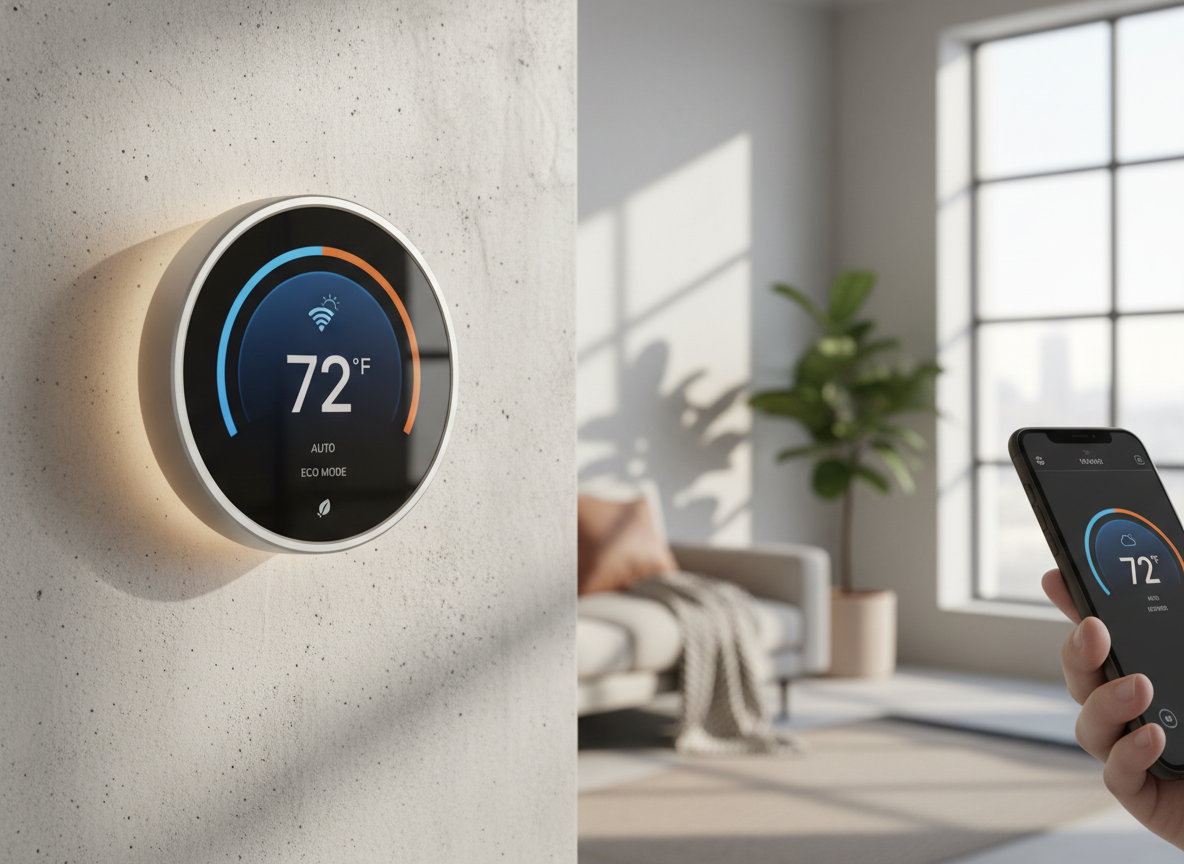
Most families spend the most on heating and cooling their homes. A smart thermostat can cover its cost better than any other gadget. Specifically, you can save around 10 to 15% every year on heating and cooling costs.
How they help you save:
- change the temperature on their own when you’re asleep or not home
- stop heating or cooling when it isn’t needed
- provide reports to monitor and fix energy usage
- reduce mistakes like forgetting to turn off the AC or heater
Perfect for: Families always on the go, people working, or those living in places with changing weather.
2. Smart LED Lights (Save Energy and Add Convenience)
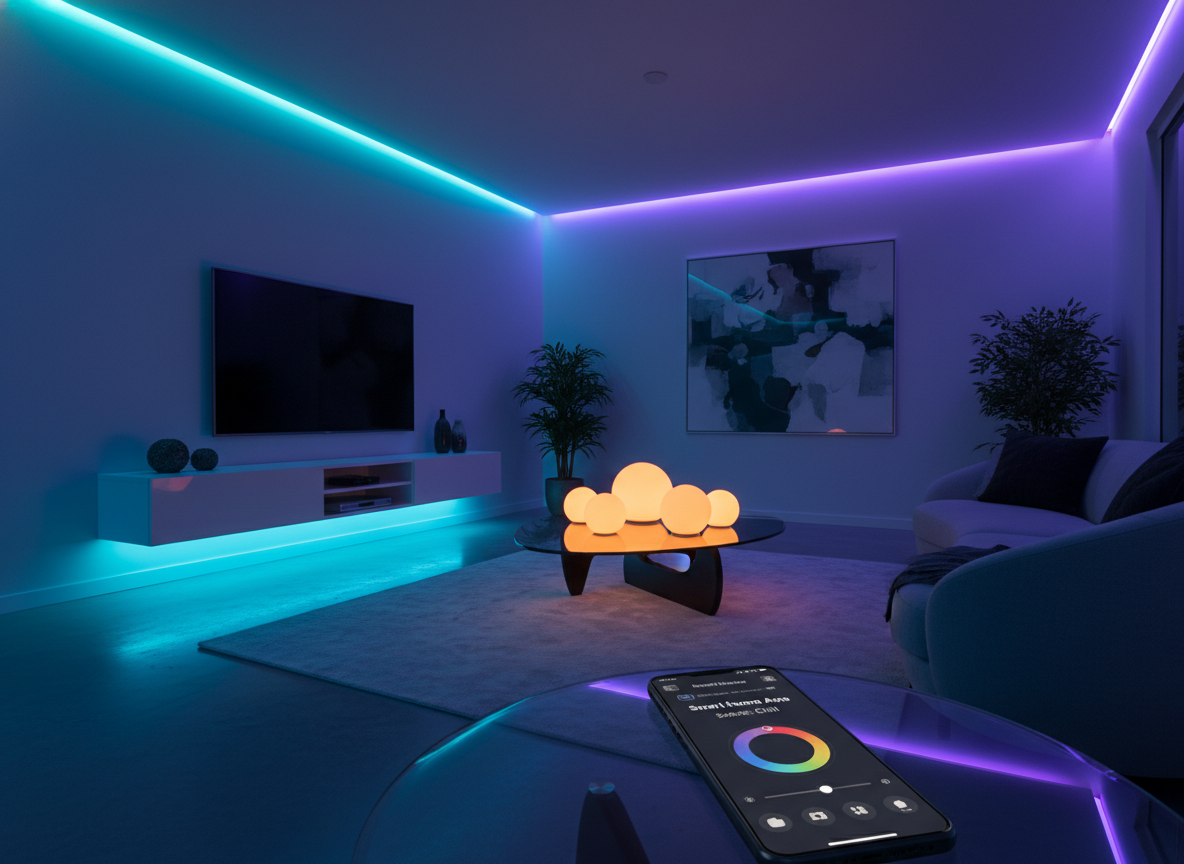
How smart lights help save energy:
- Motion sensors ensure lights turn on when necessary.
- Timers stop lights from staying on all night.
- Dimming cuts energy use and makes bulbs last longer.
LED bulbs can save up to 75% more energy than regular ones, and smart features make those savings even better. Plus, set up soothing bedtime lighting for kids or create a relaxing atmosphere to improve your sleep. You can install them in hallways, bedrooms, bathrooms, home office spaces, or small apartments.
3. Smart Plugs (Affordable and Worth It)
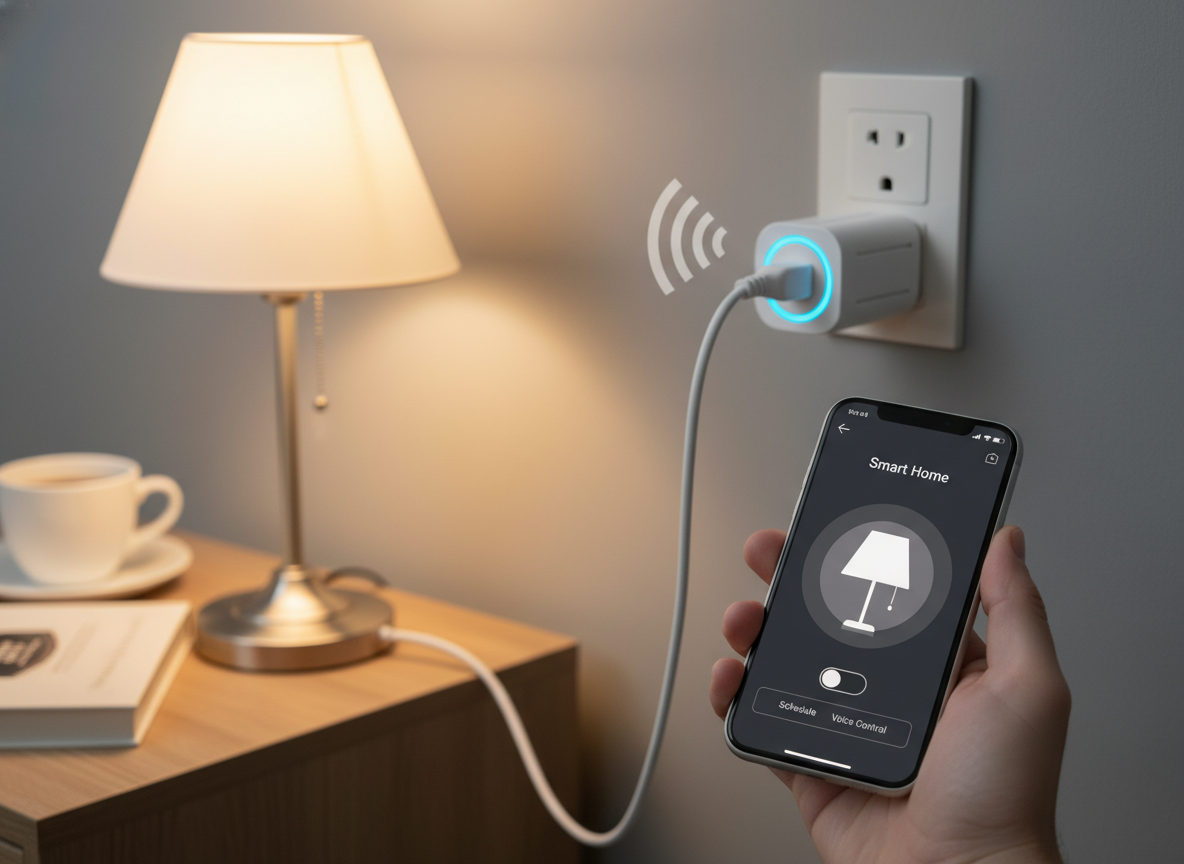
Smart plugs block “phantom power,” which is the energy your gadgets still use even when they seem turned off. They’re suitable for coffee machines, heaters, game consoles, lamps, phone chargers, and TVs. You can use these tools to control devices straight from your phone, set up schedules for when devices should run, and monitor how much energy each device uses.
Price range: $10 to $30
Payback period: Could be as quick as 8 months.
4. Smart Power Strips (Ideal for Home Offices and Entertainment Areas)
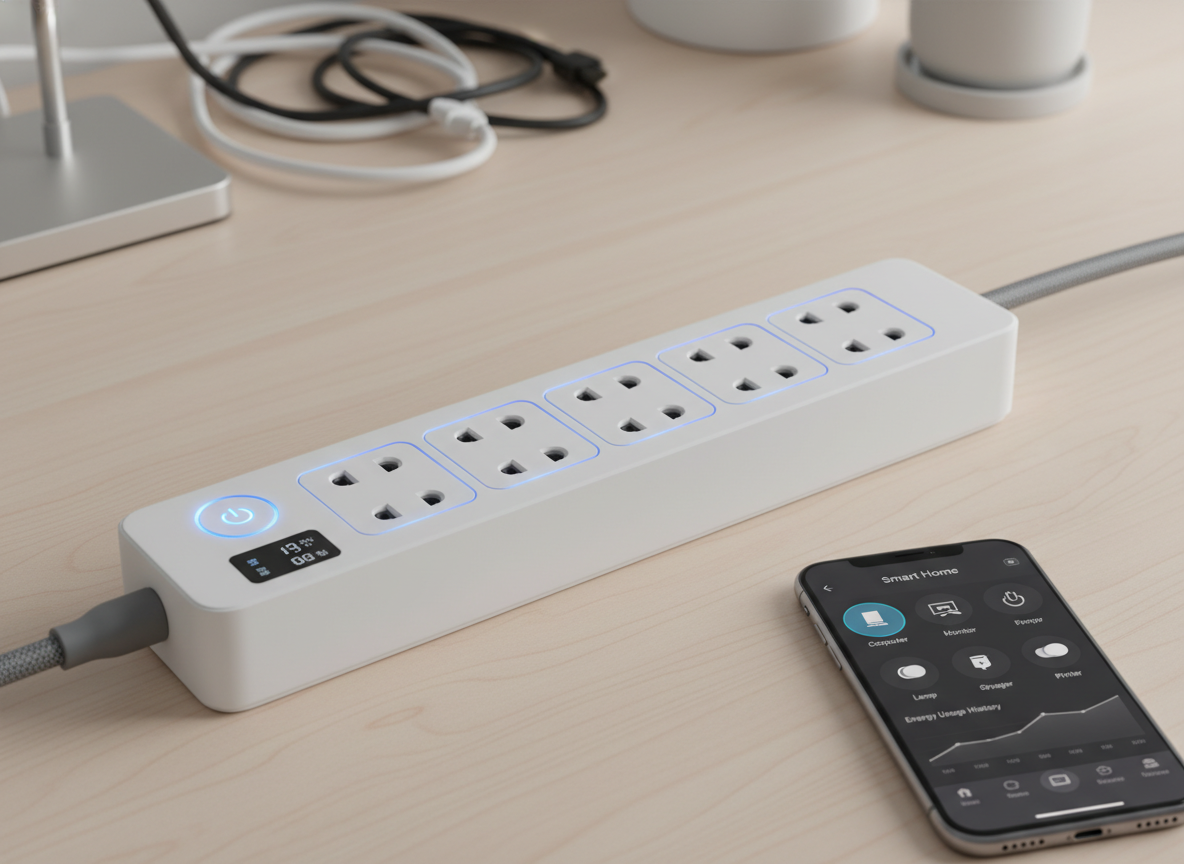
Some devices quietly drain power even when you aren’t using them, and those little costs add up over time. That’s where smart power strips make a real difference. They automatically cut off electricity to things like computers, TV soundbars, gaming consoles, printers, and phone chargers when they aren’t in use. Considering that standby power can make up to 10% of your total electricity bill, this simple switch can save you money without any extra effort.
5. Smart Appliances (Save Money Over Time)
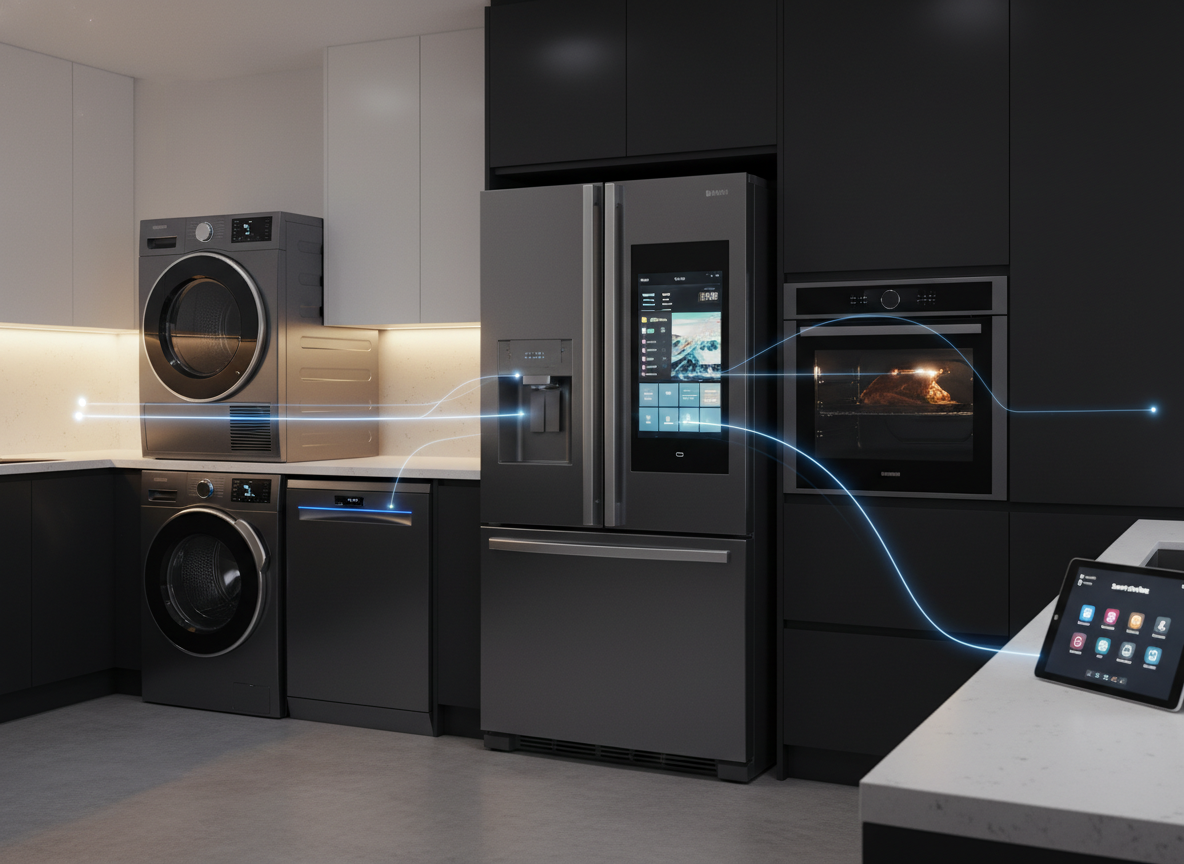
Smart appliances cut down on energy use and can save money in the long run when you remodel or upgrade outdated ones.
Examples of energy-saving:
- Smart refrigerators make cooling more efficient.
- Smart washers and dryers use the power and water that’s needed.
- Smart dishwashers adjust to the amount of dishes and can operate during low-demand times.
- Smart ovens control temperatures better to avoid wasting heat.
6. Smart Water Heaters (Save More Than You Realize)
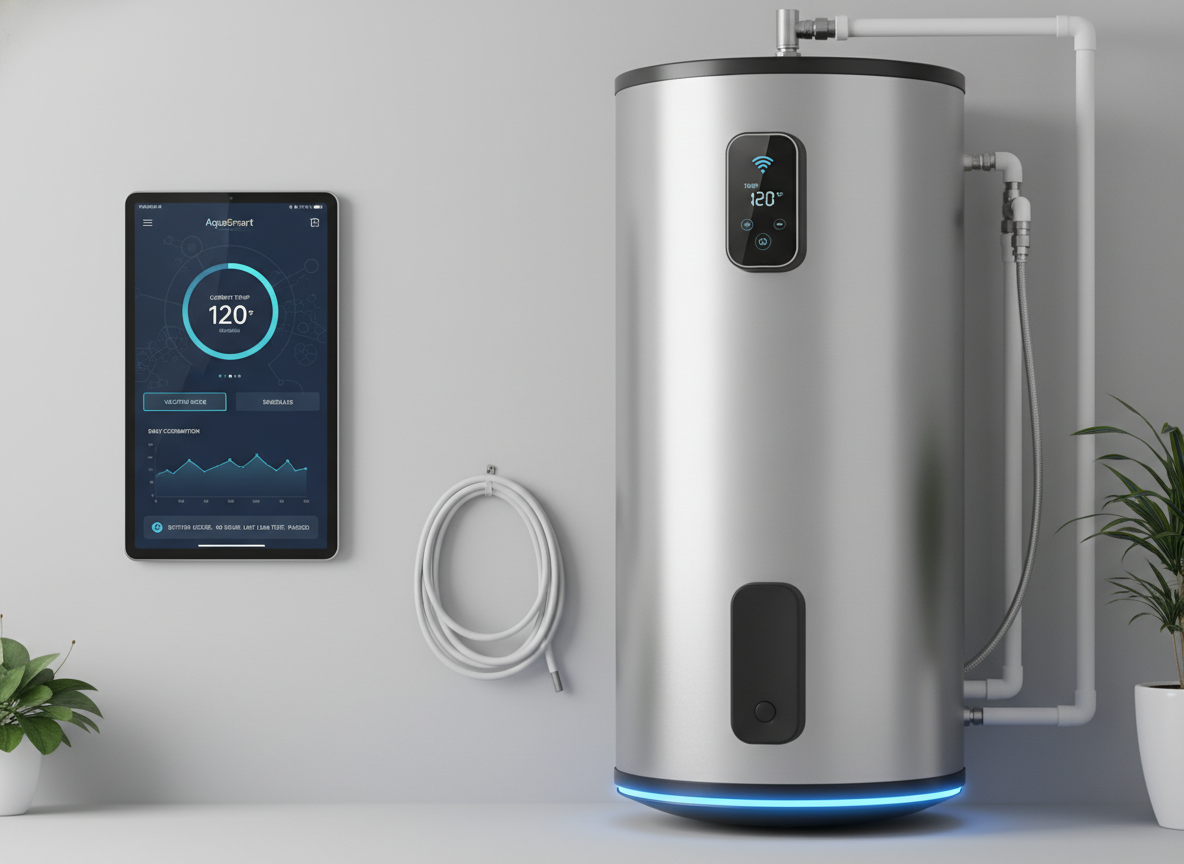
Smart water heaters make a difference by:
- Turn on heating when necessary
- Understand how you use energy over time
- Cut down heat loss when not in use
Water heating accounts for 15–20% of your home’s energy use, which means you can save around $100 to $300 yearly. If you have a family with several bathrooms, or just want lower water heating costs, it’s time for you to consider them carefully.
7. Smart Shades & Blinds (Use Light to Your Advantage)
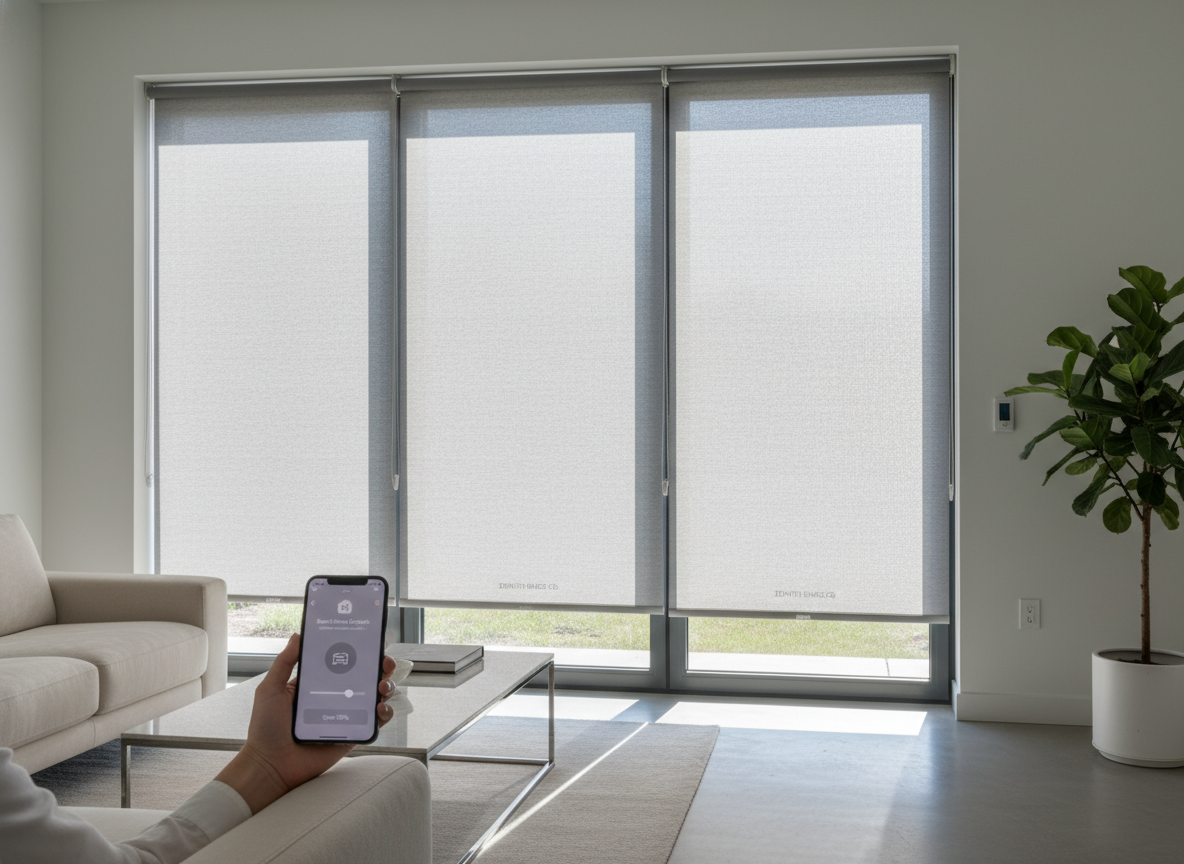
Keeping your home comfortable isn’t just about your HVAC system; your window shades play a big role too. Modern smart shades can keep heat out during the summer, let sunlight naturally warm your home in colder months, and reduce the strain on your heating and cooling system overall. They’re especially useful in homes with large windows or lots of natural light, where temperature swings tend to be more noticeable.
8. Smart HVAC Zoning & Fans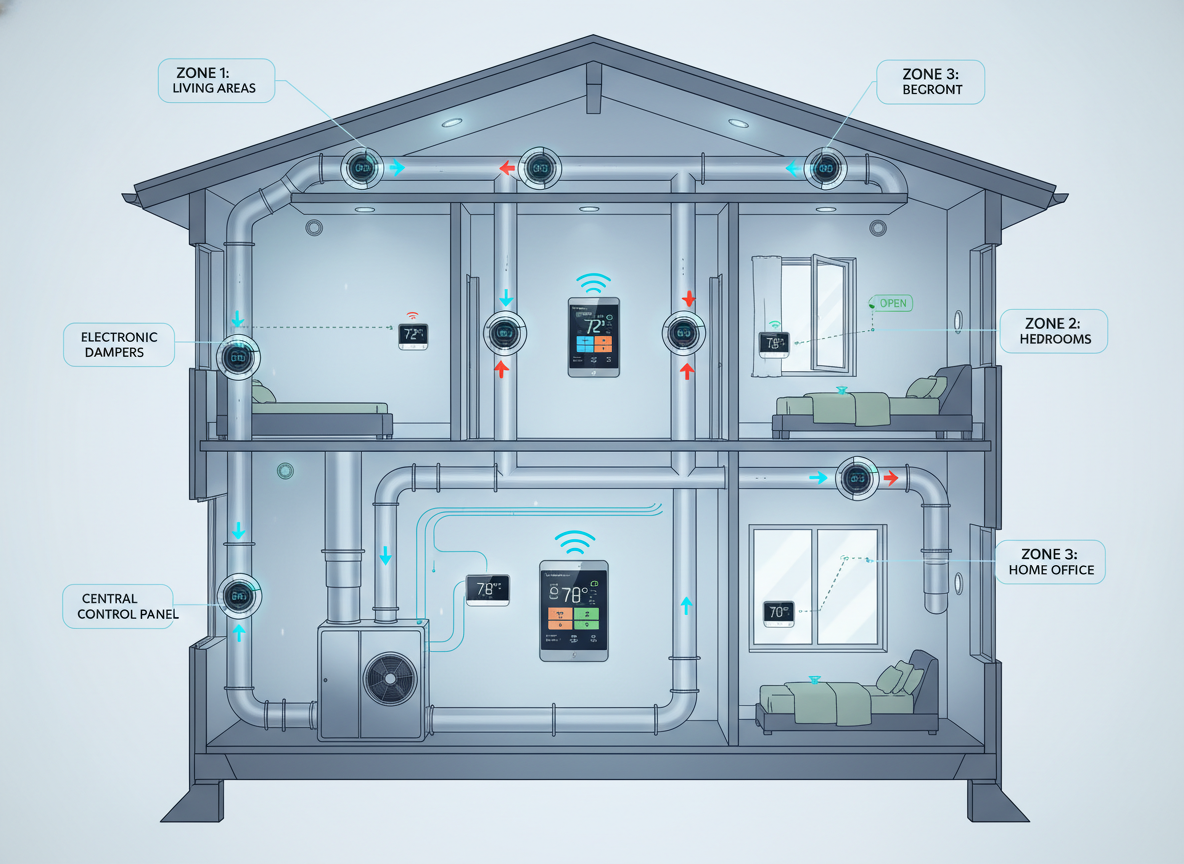 With smart zoning systems, you can adjust room temperatures, lower the load on your HVAC system, and make sure everyone stays comfy, even with different temperature needs. They’re a perfect choice for two-story houses or families with mixed schedules.
9. Home Energy Monitors (Find Out Where Your Money Goes)
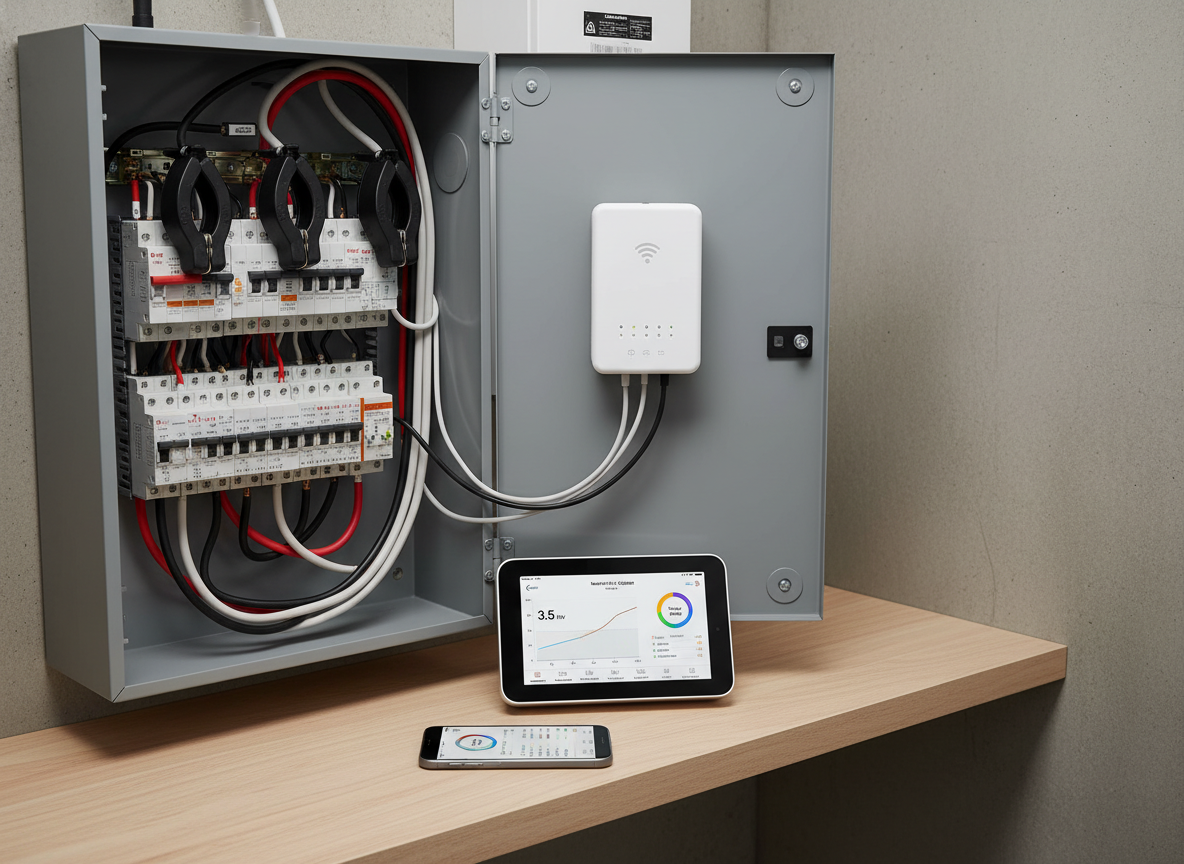
These monitors give you real-time insights into how much energy each device in your home is using, which makes it easier to spot where waste is happening. With that information, you can shift your habits, track your progress, and even compare your solar production to your actual energy use if you have panels installed. The more you understand your consumption, the easier it becomes to save both energy and money.
Cost vs. Savings: Is It Worth It?
Here’s a quick summary pulled from real averages.
| Device | Average cost | Annual savings | Break-even point |
|---|---|---|---|
| Smart thermostat | $100–$250 | Around $100 | 1–2 years |
| Smart plugs | $10–$30 | $10–$50 | 8–12 months |
| Smart LED bulbs | $10–$20 | $20–$75 | 8–12 months |
| Smart power strips | $20–$50 | $10–$50 | 1–2 years |
| Smart water heater | $500–$1,500 | $100–$300 | Around 5 years |
Ways to Get the Most Out of Energy-Saving Devices
Simple advice for people and families juggling busy lives:
✔ Schedule everything you can: Set lights, coffee machines, fans, dishwashers, and chargers to run.
✔ Pair up devices to save more: A smart thermostat and motorized blinds together can cut your HVAC costs a lot.
✔ Choose ENERGY STAR-rated products: These are always more efficient and save energy.
✔ Take advantage of rebates: Some utility companies might help cover smart thermostat or appliance costs.
✔ Monitor energy usage every week: Keeping track of your usage makes it easier to make changes fast.
Worries People Have (And Why They Shouldn’t Stop You)
Most people worry about things like:
- Difficult installations
- Expensive start-up costs
- Privacy concerns
- Devices not working together
However, modern smart gadgets are:
- Simple to set up and use
- Cheaper than before
- Works with Alexa, Google, and Apple
- Comes with solid privacy features
On top of that, rebates and deals often lower prices by 30–50%.
Final Thoughts: Smart Devices Help You Save Energy the Easy and Affordable Way
These days, smart home devices aren’t limited to tech enthusiasts. They’re ideal if you want to lower your energy costs, improve the efficiency of your home, cut down on electricity waste, have more comfort and control, and establish better routines for your family. It doesn’t matter if you start small with a $15 smart plug or go big with an HVAC system upgrade, because every move toward automation brings benefits.
Related Articles
- Top 11 Smart Home Devices for Seniors in 2025: Enhance Safety, Comfort, and Independence
- Top 12 Best Smart Baby Monitors (WiFi & Non-WiFi) for New Parents: Reviews & Buying Guide
- Step-by-Step Guide to Setting Up Your Smart Home: Simple Tips for Beginners to Maximize Convenience
- Smart Home Essentials: Real Pros & Cons to Boost Security, Save Money, and Simplify Living
- 15 Essential Home & Smart Home Security Tips to Keep Your Home Safe and Secure