

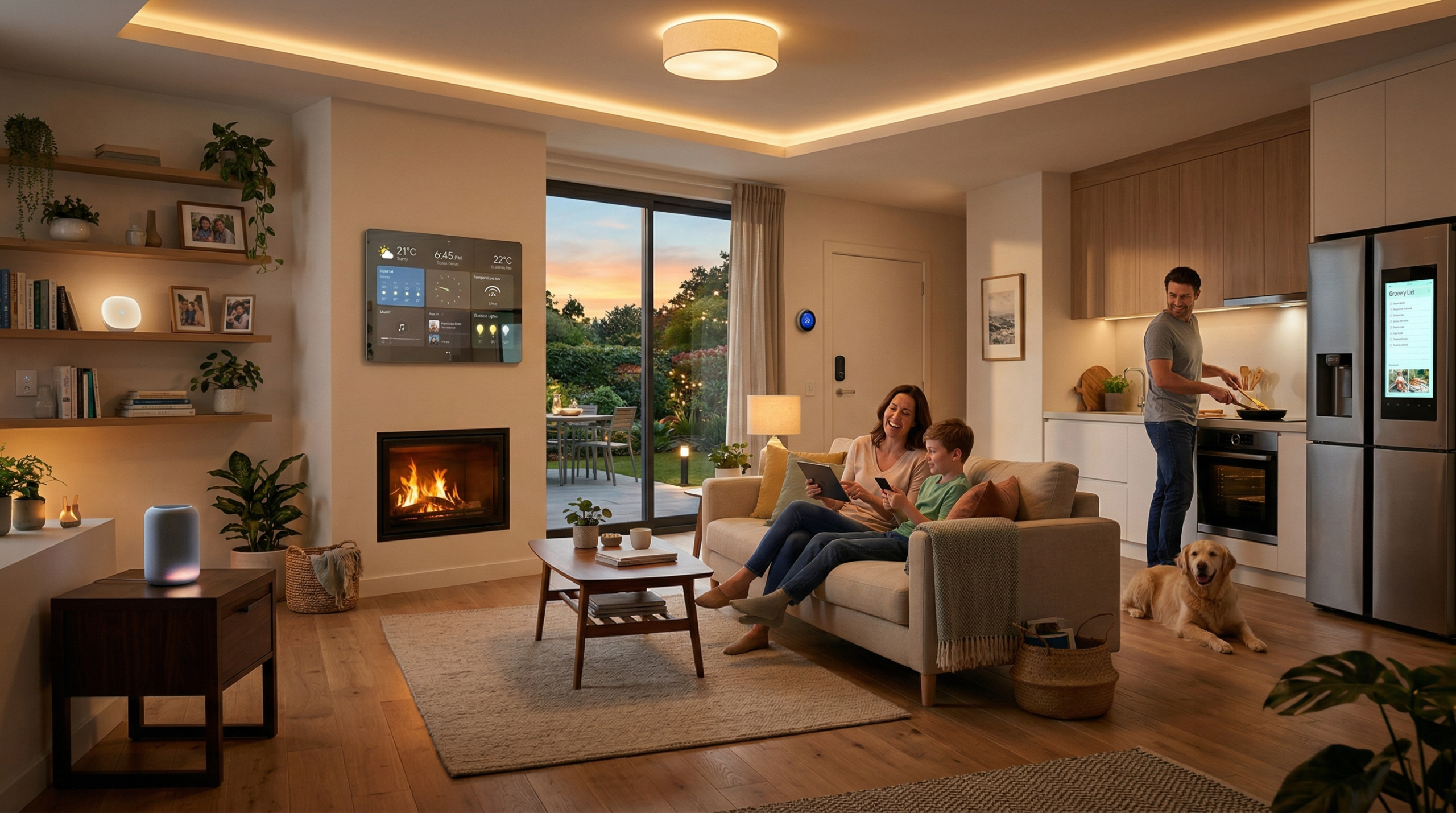
Smart home automation has come a long way, and it’s no longer something only for tech experts or people with deep pockets. In fact, DIY smart home automation is not only accessible but also affordable, making it easier for homeowners and renters alike to improve their homes, save energy, and simplify daily routines. From controlling your lights remotely to managing your home’s energy use, these projects and tips will allow you to create a smarter, more efficient home without breaking the bank.
Understanding the Basics of DIY Smart Home Automation
Before diving into specific projects, it’s important to understand the fundamentals of home automation. Smart home automation allows you to control various devices and systems in your home, such as lights, thermostats, and security systems, remotely or automatically, often through a smartphone app or voice command.
The Benefits of DIY Smart Home Automation
Smart home technology offers numerous benefits, including:
- Increased convenience: Automate routine tasks such as turning on lights, adjusting the thermostat, or setting your coffee maker.
- Energy savings: Monitor and optimize your energy consumption with smart thermostats and lighting systems, helping you reduce energy waste and lower your utility bills.
- Enhanced security: Keep an eye on your home remotely with smart security systems, cameras, and motion detectors.
- Home comfort: With automated systems, you can create a comfortable environment, adjusting lighting, temperature, and appliances without lifting a finger.
Choosing the Right Smart Home Devices
When starting your DIY home automation journey, it’s important to choose devices that fit your lifestyle and goals. Focus on smart devices that serve a clear purpose and are easy to set up. Some common devices to start with include:
- Smart lights: Control the brightness and color of your lights remotely.
- Smart thermostats: Adjust your home’s temperature for optimal energy efficiency.
- Smart plugs: Turn regular devices into smart ones with programmable controls.
Easy DIY Smart Home Projects to Get You Started
Smart Lighting System
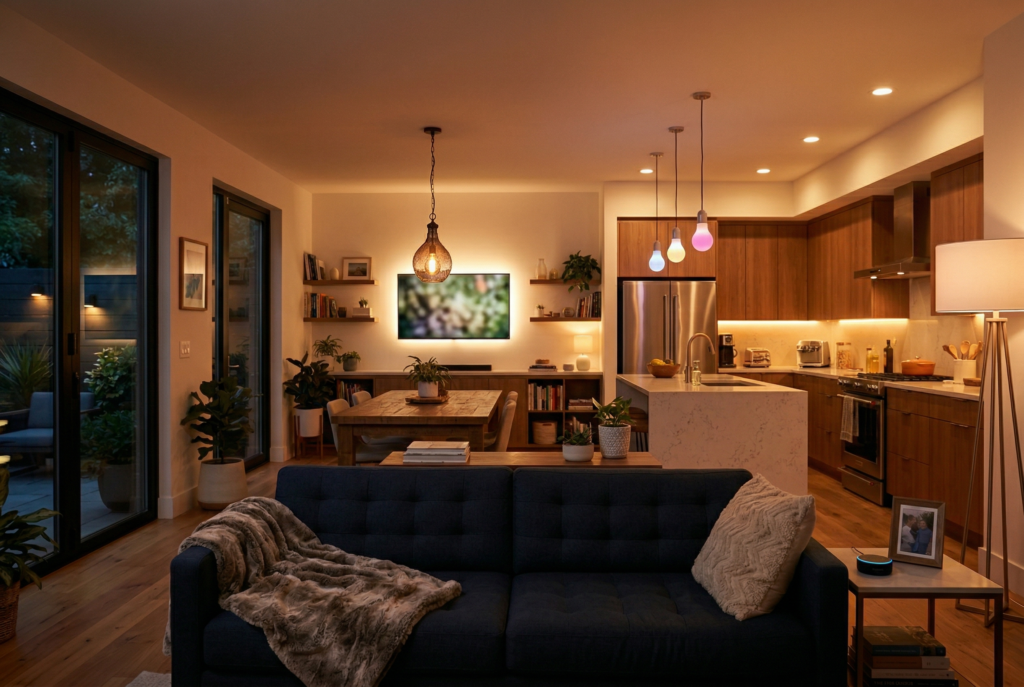
One of the easiest ways to begin is by setting up a smart lighting system. Smart bulbs allow you to control the brightness, color, and schedule of your lights from your smartphone or voice assistant. Not only does this make managing your home’s lighting more convenient, but it can also help you save energy by ensuring lights are only on when needed.
Start by choosing a smart bulb that suits your home’s needs. Popular options include Philips Hue, LIFX, and Wyze bulbs, all of which connect to your Wi-Fi network and are controllable through their respective apps. Once installed, you can program your lights to turn off automatically when not in use, or set them to gradually brighten or dim based on the time of day. This simple addition can transform your home’s atmosphere and reduce energy waste.
Smart Thermostat
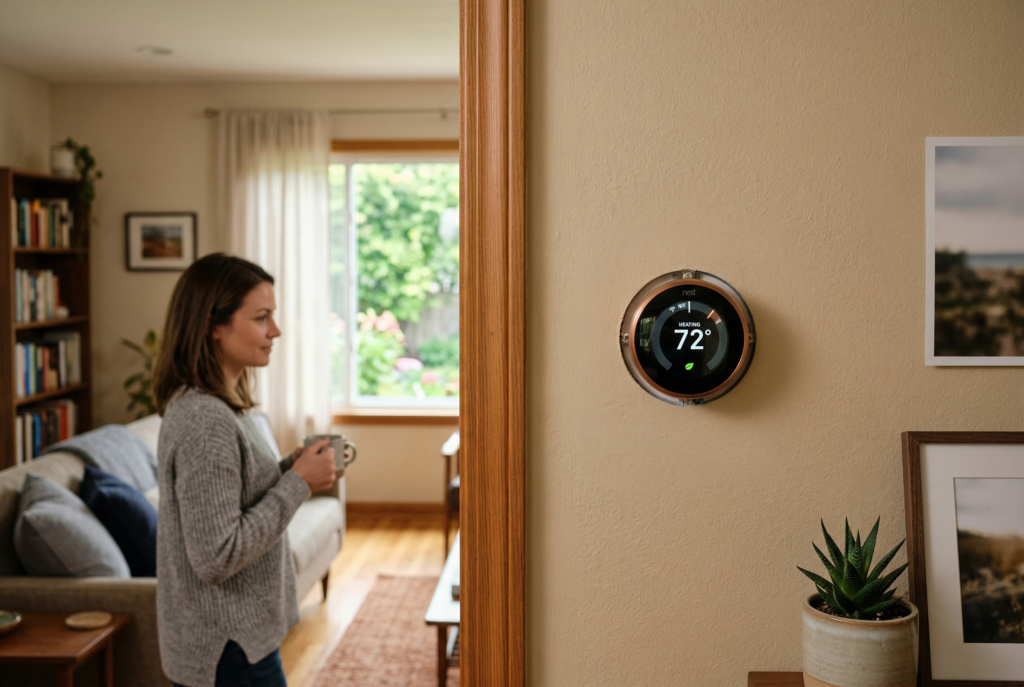
A smart thermostat is another fantastic way to save energy and reduce your utility bills. Devices like the Nest Learning Thermostat or the Ecobee SmartThermostat allow you to control your home’s temperature from anywhere, ensuring that your heating and cooling systems are used efficiently. These thermostats can learn your habits and adjust the temperature automatically based on when you’re home or away, so you’re never heating or cooling an empty house.
Setting up a smart thermostat is relatively easy. After installation, connect the device to your home’s Wi-Fi network and download the accompanying app. From there, you can set schedules, adjust the temperature remotely, or enable energy-saving features. In the long run, this investment will save you money and reduce your home’s overall energy consumption.
Automated Plant Watering System
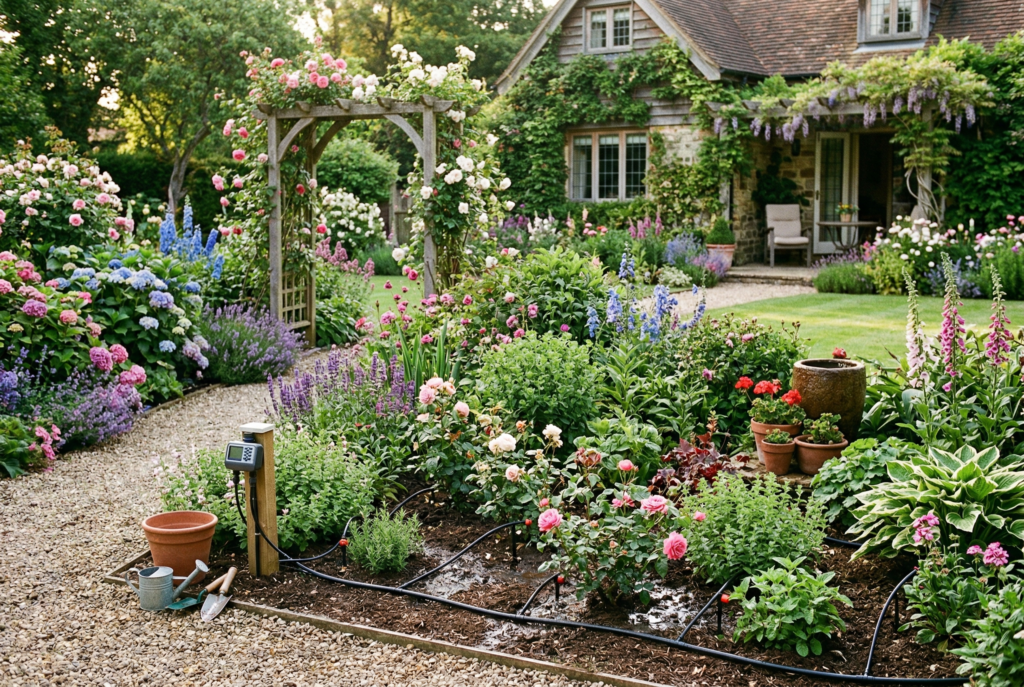
For plant lovers, setting up an automated plant watering system is a great DIY project. Using a microcontroller like Raspberry Pi or Arduino, you can create a moisture-sensing system that waters your plants when the soil gets dry. This system helps you maintain healthy plants without needing to remember to water them regularly.
To build this system, you’ll need a moisture sensor, a water pump, and a microcontroller. The moisture sensor detects when the soil is dry and triggers the pump to water the plants. You can easily program the system to water plants at specific times or based on the moisture levels in the soil. This project not only saves time but also ensures that your plants are well taken care of, even when you’re busy.
Advanced DIY Smart Home Projects: Taking It a Step Further
Once you’ve mastered some of the more basic DIY smart home projects, you can start exploring more advanced setups that integrate multiple devices for a more cohesive smart home experience.
Voice-Controlled Home Assistant
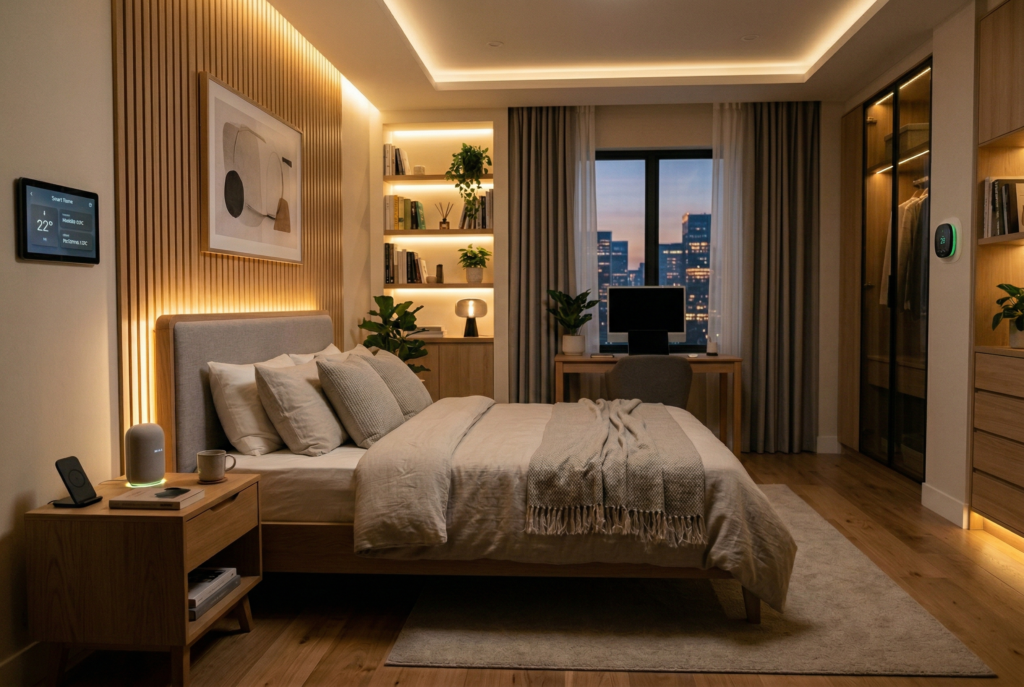
A voice-controlled home assistant can make managing your home even more convenient. Platforms like Amazon Alexa, Google Assistant, and Apple Siri allow you to control various smart devices with just your voice. With a little DIY effort, you can integrate your devices into a voice-controlled system using tools like Raspberry Pi or Mycroft AI.
This setup requires installing the necessary software, connecting your devices (like lights, thermostats, and speakers), and training the system to recognize your voice commands. Once everything is set up, you’ll be able to turn off lights, adjust the temperature, play music, and even control your smart appliances with simple voice commands. This project is a great way to increase the functionality of your home and make it more interactive.
DIY Smart Security System
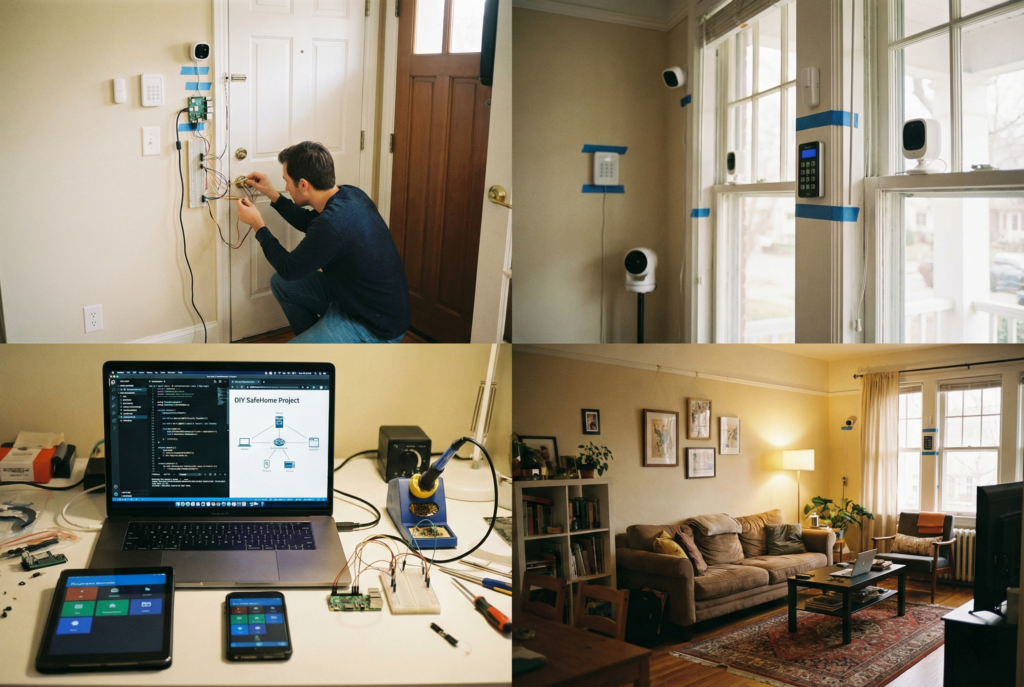
Security is a top priority for any homeowner, and creating your own DIY smart security system can offer peace of mind while saving you money. With smart cameras, motion sensors, and even door/window sensors, you can monitor your home remotely and receive real-time alerts if something is amiss.
Setting up a DIY smart security system involves connecting sensors and cameras to a central hub, like Raspberry Pi or a smart home platform such as SmartThings. Once connected, you can control the system through an app, and receive notifications when motion is detected or when doors are opened. This setup gives you full control over your home’s security, and you can integrate it with other smart home devices for a seamless experience.
Tips for Saving Energy with DIY Home Automation
Home automation is not only about convenience; it’s also a powerful tool for saving energy and reducing utility bills. By integrating energy-efficient devices and systems into your home, you can monitor and control energy consumption more effectively.
Optimizing your lighting and thermostat is a great place to start. With smart lights, you can set schedules so that they automatically turn off when not in use, and with smart thermostats, you can ensure that your heating and cooling systems are only active when needed. Using smart plugs for appliances that consume a lot of energy can also help you track and control their usage.
Energy monitoring systems can provide real-time insights into your home’s energy consumption. These systems can identify which devices use the most power, helping you make informed decisions about when and how to use them. By tracking your energy use and making adjustments, you’ll see a noticeable reduction in your monthly utility bills.
Conclusion: Create a Smarter, More Efficient Home with DIY Automation
DIY smart home automation is an exciting and practical way to enhance your living space, save energy, and make everyday tasks more convenient. With simple projects like smart lighting, thermostats, and plant watering systems, you can easily transform your home into a more efficient and enjoyable place. As you gain experience, you can tackle more advanced projects like voice-controlled assistants and smart security systems to further enhance the functionality of your home.
Not only do these DIY projects simplify your daily routine, but they also contribute to energy savings, lower utility bills, and improved home security. So why wait? Start your DIY smart home automation journey today and create a smarter, more efficient home that fits your needs and lifestyle.
Related Articles
- How to Automate Household Chores with Smart Devices: Save Time and Simplify Daily Tasks
- Step-by-Step Guide to Setting Up Your Smart Home: Simple Tips for Beginners to Maximize Convenience
- How to Build a Smart Home on a Budget: Practical Tips to Save Money
- Top Affordable Smart Home Devices for Easy Setup and Everyday Convenience
- Top Smart Home Gadgets for Small Apartments and Limited Spaces