

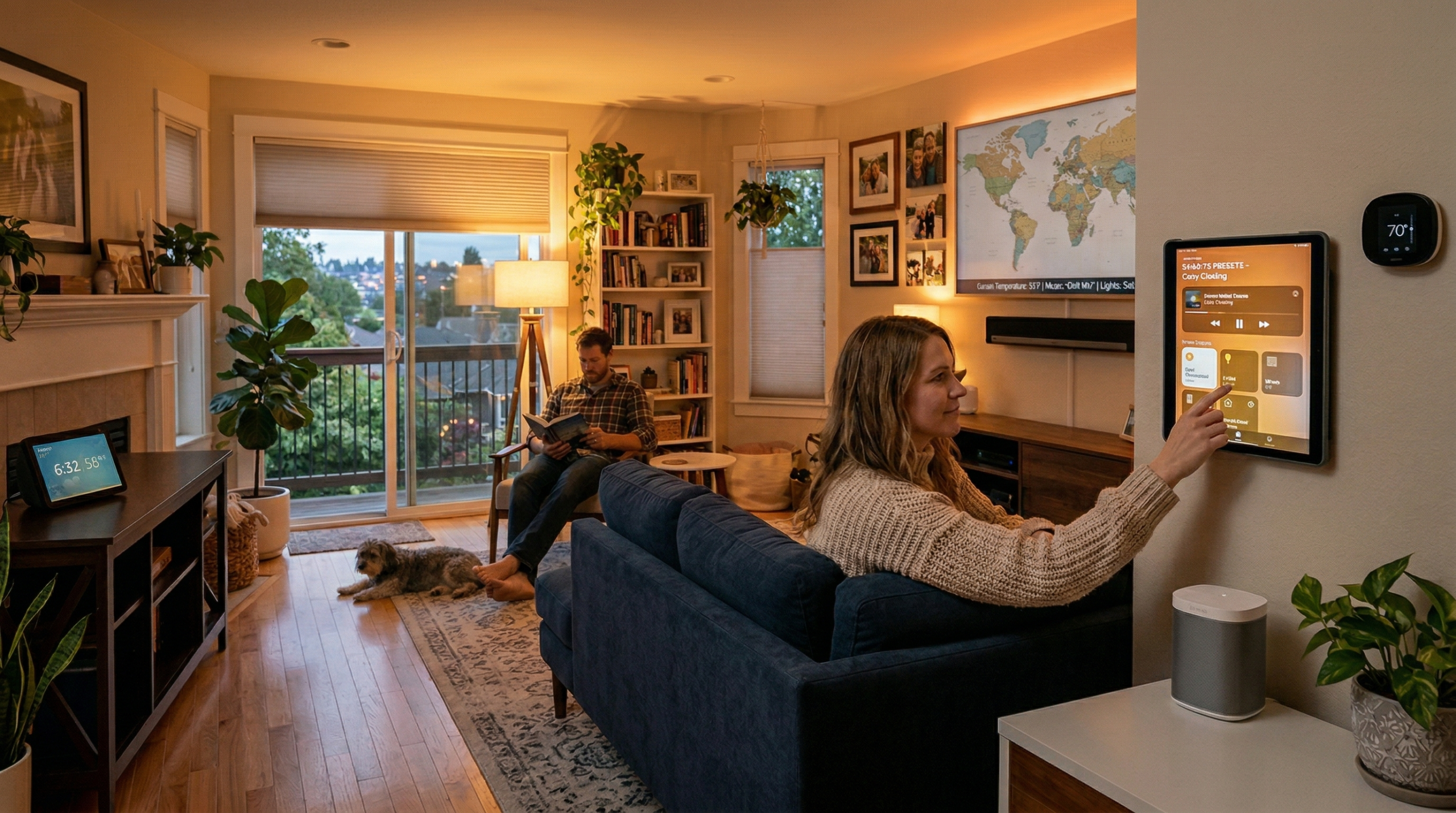
A smart home works best when it feels personal, not overly complicated. The most useful upgrades aren’t always the flashiest ones. They’re the ones that quietly support the way you already live, helping mornings run smoother, evenings feel calmer, and everyday tasks require less effort. Personalized smart home ideas can make a real difference because they focus on comfort, convenience, and routine instead of technology for its own sake. When a system fits your lifestyle well, it tends to feel less like a gadget and more like a practical part of daily life.
Why Personalized Smart Home Features Work Better
Not every household needs the same kind of smart home setup. A busy family with children may need better lighting control, easier security monitoring, and routines that help mornings stay on track. Someone working from home may care more about comfort, temperature control, and reducing small interruptions throughout the day.
A couple in a smaller home may want simple automation that improves convenience without filling the space with extra devices. That’s why personalization matters. The best smart home ideas usually reflect real habits, real schedules, and real priorities.
When technology is chosen to solve specific daily frustrations, it becomes much more useful and much easier to stick with. A home should feel more supportive because of its smart features, not more demanding.
1. Create Custom Lighting Routines That Match Your Day
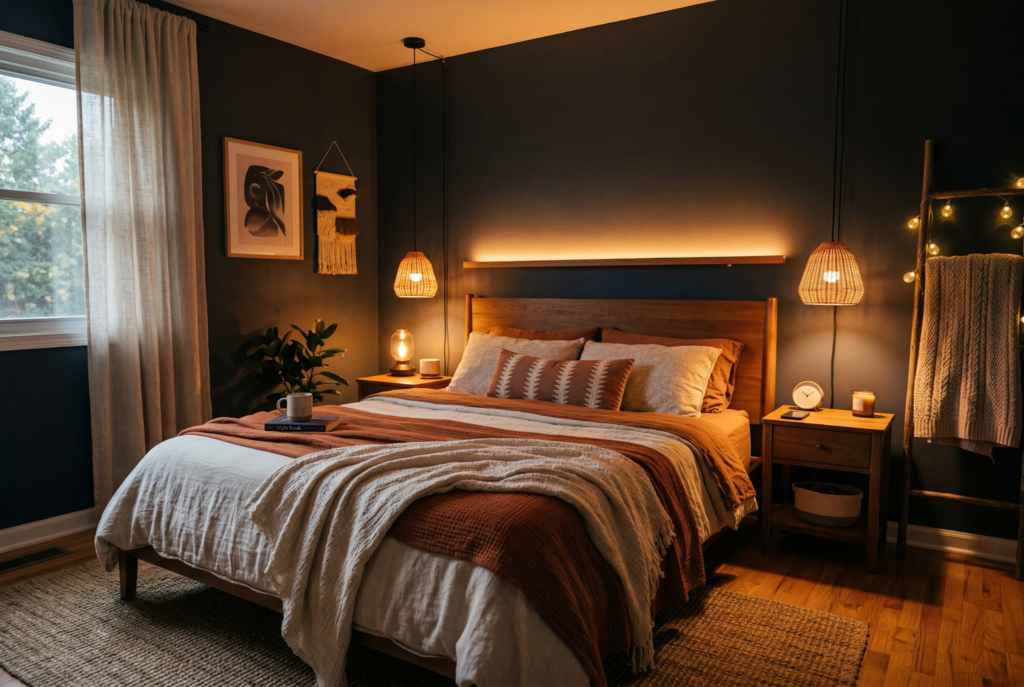
Lighting is one of the easiest places to personalize a smart home because it affects so many parts of daily life. A thoughtfully designed lighting routine can make mornings gentler, work hours more focused, and evenings more relaxing.
Instead of relying on the same brightness and settings all day, smart lighting lets the home respond more naturally to what’s actually happening. For example, a morning routine might slowly brighten bedroom or kitchen lights to create a smoother start to the day.
During work hours, brighter task lighting can help support focus in a home office or shared workspace. In the evening, softer lighting in the living room or bedroom can help the home feel calmer and more restful. These changes may seem small, but they can shape the emotional tone of the entire day in a meaningful way.
2. Use Smart Thermostat Settings That Fit Real Schedules
A smart thermostat becomes far more useful when it’s tailored to the way your household actually moves through the week. Instead of heating or cooling the home the same way all day, it can adjust based on when people are home, asleep, working, or away. This makes the home more comfortable while also helping reduce unnecessary energy use.
For someone who leaves early for work, that might mean warming the house just before waking up and reducing heating while the home is empty. For remote workers, it may mean keeping one part of the house more comfortable during office hours without over-conditioning unused rooms. For families, it may mean creating a more comfortable evening reset when everyone is home again. Personalizing temperature settings around real life makes the home feel easier to live in and more responsive to daily patterns.
3. Build a Smarter Entry Routine for Coming and Going
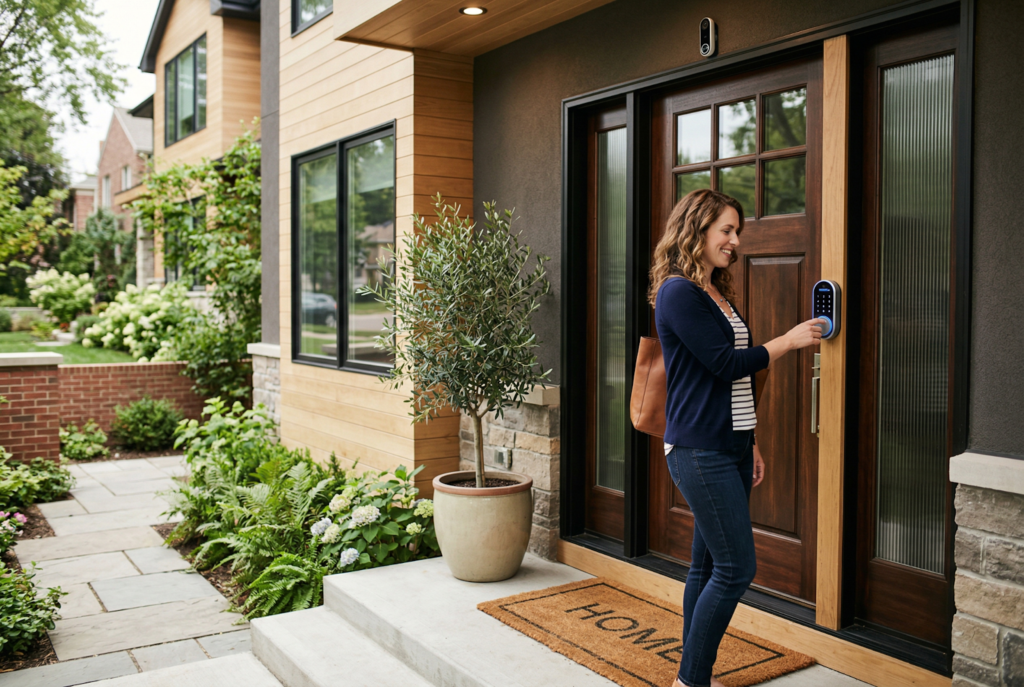
The entryway is one of the most overlooked places for smart home personalization, even though it affects some of the most repeated moments of the day. A more customized setup at the door can reduce friction during rushed mornings, late returns, or busy family transitions.
This may include smart locks that let family members enter without needing to search for keys, smart doorbell alerts that make package delivery easier to monitor, or lighting that turns on automatically when someone arrives after dark. For households with children, pets, or frequent deliveries, these small automations can bring a real sense of ease. The best part is that they support routines people are already doing every day, which makes them feel practical rather than excessive.
4. Personalize Voice or App Controls Around Frequent Tasks
Smart home controls often become more helpful when they’re built around the actions you repeat most often. Instead of using voice assistants or apps only for occasional novelty, it helps to connect them to routines that save time or reduce small daily frustrations.
That might mean a voice command that turns off downstairs lights at bedtime, starts calming music in the evening, or activates a work mode that adjusts lighting and temperature at the same time. It could also mean app-based control for checking whether the front door is locked, managing a robot vacuum, or adjusting the thermostat without getting up. Personalization matters here because the controls should reflect your routine, not force you to learn unnecessary complexity.
5. Make Bedrooms More Comfortable With Smart Sleep-Friendly Features

Bedrooms often benefit from smart home technology when the goal is comfort rather than entertainment. A personalized bedroom setup can help create a more restful environment by adjusting light, temperature, and sound in ways that support better sleep and a calmer end to the day.
This could mean blackout shades that close automatically in the evening, bedside lamps that dim gradually at night, or temperature settings that shift to a more comfortable sleep range. Some households may also like white noise devices or gentle wake-up lighting that supports a less abrupt start to the morning. When smart bedroom features are chosen with actual sleep habits in mind, they can make the room feel more restorative without adding clutter or distraction.
6. Adapt Kitchen and Household Routines With Small Upgrades
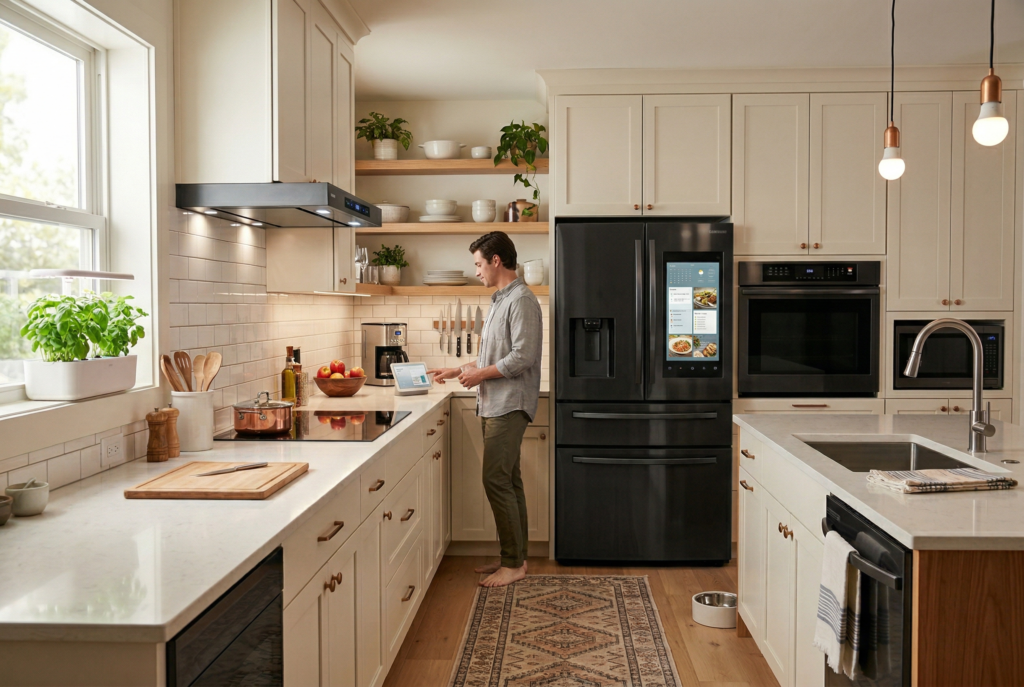
The kitchen is another area where a few personalized smart features can make daily life noticeably easier. This doesn’t require turning the whole kitchen into a high-tech zone. In most cases, the most useful changes are the ones that reduce routine friction and make the space feel more responsive.
For some households, that may mean smart plugs for coffee makers or countertop appliances that fit the morning routine. For others, it could mean better task lighting under cabinets, reminders tied to household routines, or devices that help manage grocery flow, meal prep timing, or cleanup schedules. A smart home feels most helpful in the kitchen when it supports the actual pace of the household rather than adding more decisions to an already busy space.
7. Create Personalized Home Modes for Different Parts of the Day
One of the smartest ways to make a home feel more tailored is to create simple modes that reflect the rhythm of your day. Instead of adjusting everything separately, you can group multiple actions into routines that support different needs. This makes the home feel more intuitive and easier to manage.
A morning mode might raise the shades, brighten key lights, and adjust the temperature. A work mode might turn on office lighting, reduce distractions in shared spaces, and create a more focused environment. An evening mode might dim lights, lock the doors, and shift the temperature for comfort. A leaving-home mode might turn off selected lights and lower energy use. These modes work well because they simplify repeated actions into one supportive response that fits the household naturally.
How to Choose Smart Home Ideas That Truly Fit Your Lifestyle
The best way to personalize a smart home is to begin with routine, not products. Ask where daily life feels slightly harder than it should. Maybe mornings feel rushed and dim. Maybe evenings feel too bright and overstimulating. Maybe coming home with groceries, kids, or bags is more frustrating than it needs to be. Maybe the bedroom never feels quite comfortable enough at night.
Once you notice those friction points, it becomes easier to choose smart features that make sense. This approach leads to better results because it focuses on improving real life instead of building a setup based on trends or features that won’t matter in the long run. A smart home should feel more useful after it’s installed, not more complicated.
How Personalized Smart Features Can Make a Home Feel More Supportive
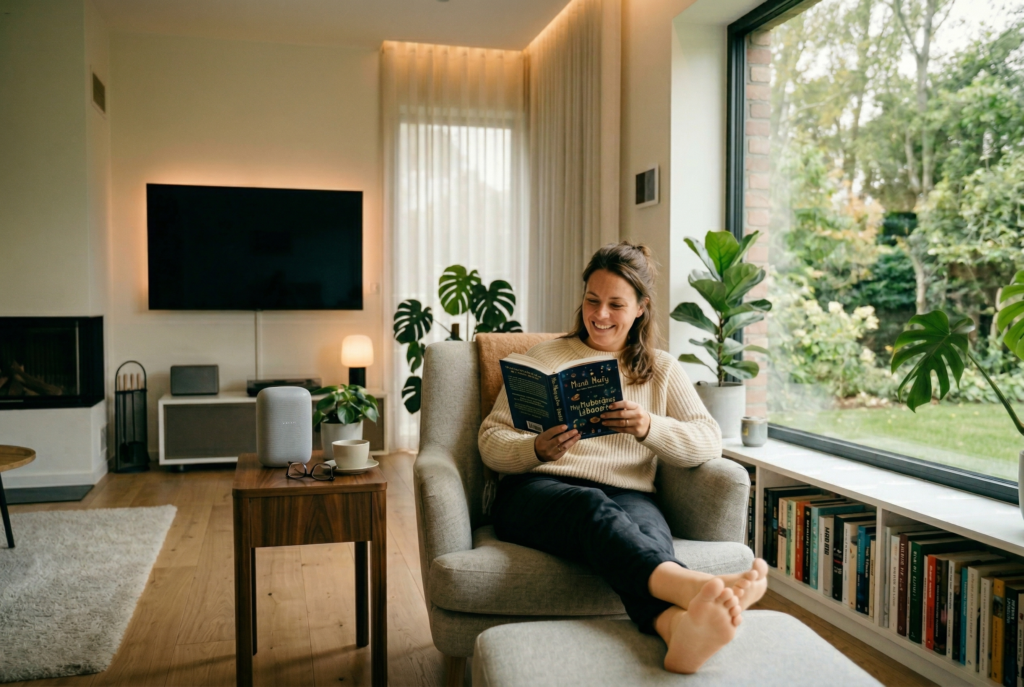
A supportive home is one that reduces friction instead of adding to it. Personalized smart home features can help by simplifying repeated tasks, improving comfort, and adjusting the environment in ways that feel helpful rather than demanding. When lighting, temperature, security, and routines work in harmony with your day, the entire home tends to feel steadier and more manageable.
This is especially valuable in busy seasons of life. When schedules are full, work is demanding, or the household is juggling multiple needs at once, a few thoughtful smart features can reduce the mental load in ways that feel surprisingly meaningful. They don’t have to transform everything. They just have to improve the parts of daily life that matter most.
Conclusion
Personalized smart home ideas can make daily routines easier, more comfortable, and better suited to your lifestyle when they focus on real needs instead of unnecessary complexity. Custom lighting routines, tailored thermostat settings, smarter entry systems, useful voice controls, sleep-friendly bedroom features, practical kitchen upgrades, and whole-home modes can all help create a more responsive and supportive environment.
The best smart home setup is the one that feels natural to live with. When technology reflects your actual habits and priorities, it becomes less about devices and more about comfort, ease, and creating a home that works better for the way you live every day.