

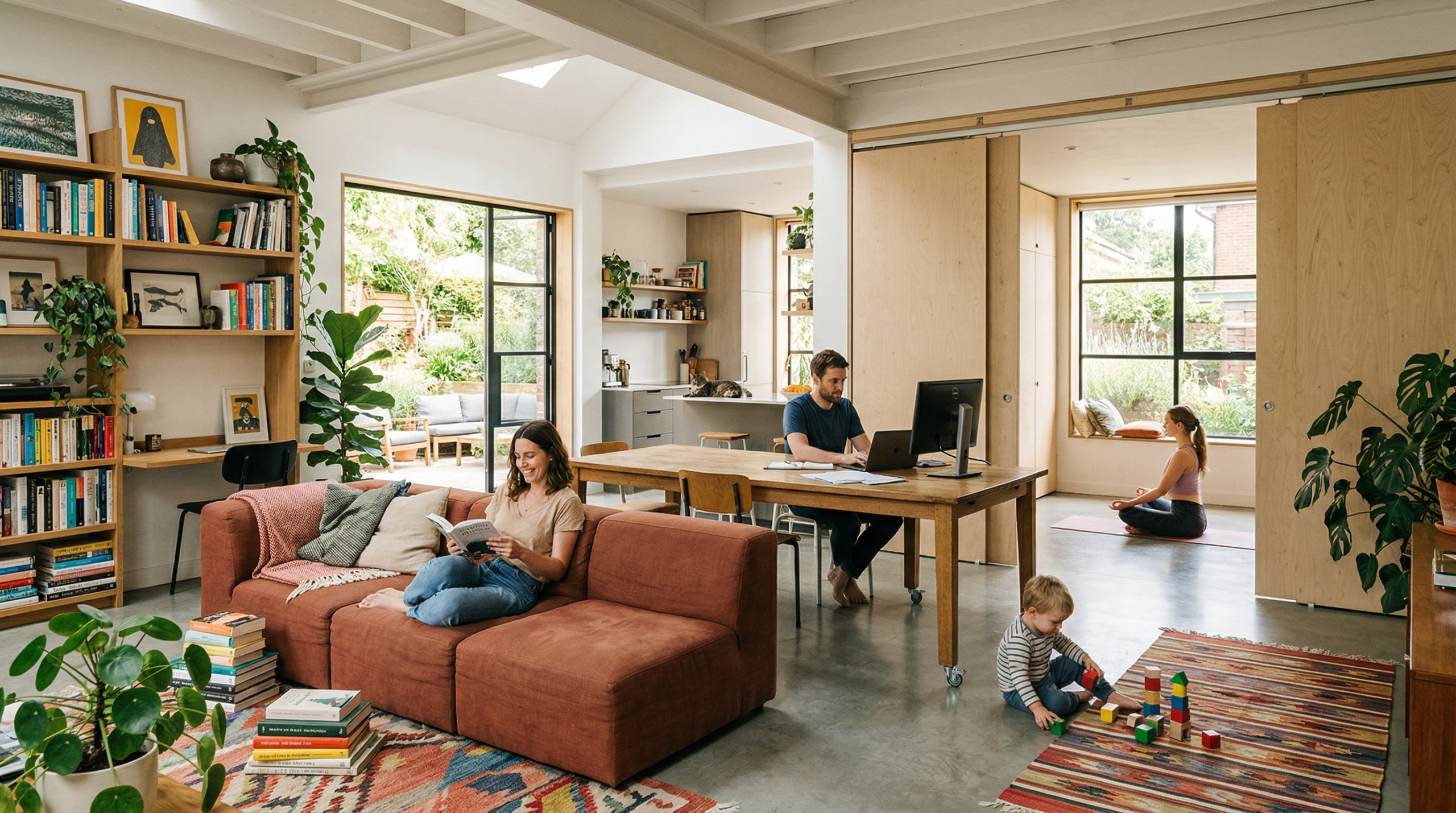
A home works best when it can adjust to real life instead of forcing daily life into a rigid setup. That’s the core idea behind flexible living. Rooms should be able to support the way people actually move through the day, whether that means working from home in the morning, sharing a meal in the evening, hosting family on the weekend, or simply needing more breathing room during a busy season. Flexible living ideas help create spaces that feel more useful, more comfortable, and easier to adapt as routines change over time.
Why Flexible Living Matters More in Everyday Homes
Many homes are expected to do more than ever. A dining area may double as a workspace. A guest room may also be a storage zone, hobby room, or quiet retreat. A living room may need to support relaxation, family time, entertainment, and practical daily tasks all in the same week. When rooms are too fixed in purpose, they often stop serving the people who live in them.
For many households in the United States, flexibility matters because life rarely stays the same for long. Work schedules shift, children grow, storage needs change, and priorities evolve over time. A more adaptable home can respond to those changes without requiring constant redesign or expensive updates. That kind of flexibility helps daily life feel smoother and makes the home easier to live in.
1. Use Furniture That Can Serve More Than One Purpose
One of the most effective flexible living ideas is choosing furniture that can do more than one job. A storage ottoman can hold blankets while also functioning as a footrest or extra seat. A dining table can support meals, homework, and remote work. A sleeper sofa can make a living room guest-ready without needing a dedicated extra bedroom.
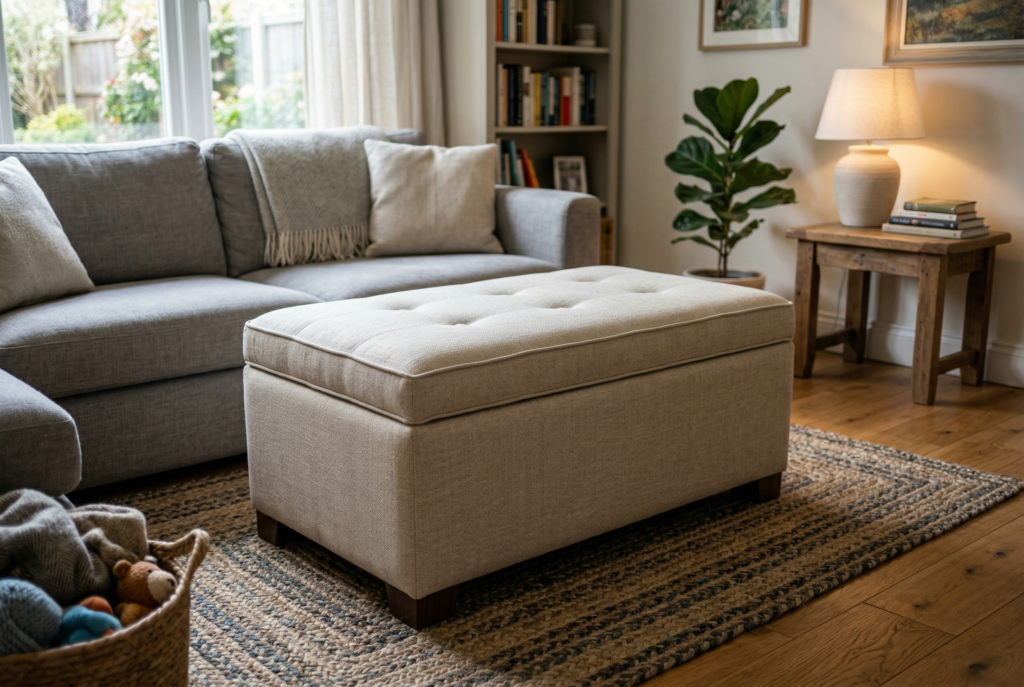
This matters because multifunctional furniture makes it easier for one room to support several activities without feeling crowded. In smaller homes especially, each larger piece should earn its place. When furniture offers both comfort and function, the room becomes easier to adapt without adding more visual clutter or unnecessary bulk.
2. Create Zones Instead of Relying Only on Room Labels
Flexible living often works better when you think in zones instead of rigid room identities. A room doesn’t always need to be one thing. A living room can include a reading corner, a work surface, and a main seating area. A bedroom can have a small getting-ready zone or a compact desk setup. A larger kitchen can include a breakfast area that also works for paperwork or casual laptop use.
This approach helps because zones make a room more adaptable without requiring walls or major renovation. Rugs, lighting, furniture placement, and storage can all help define how different parts of the room are used. When the space is organized around activity rather than strict labels, it becomes easier to adjust as needs change.
3. Keep Layouts Open Enough to Shift When Needed
A flexible home usually benefits from a layout that isn’t too fixed. If every piece of furniture is oversized or locked into one arrangement, the room can become difficult to adapt. Leaving enough open space to move things slightly or use the room in different ways creates more long-term versatility.
A room doesn’t need to feel sparse. The layout should simply support how people actually live. Maybe chairs can be pulled into a conversation area when guests come over. Maybe a side table can shift to support a temporary work setup. Maybe the coffee table needs enough clearance for children to play on the floor. A room that can adjust a little tends to feel more useful every day.
4. Use Storage That Supports Changing Needs
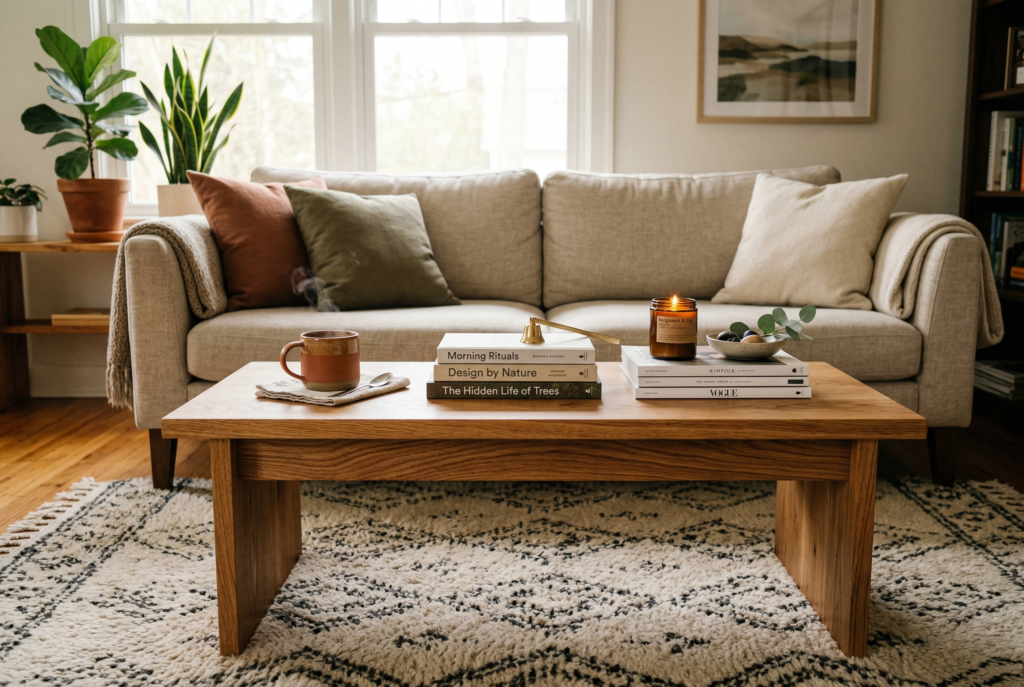
Storage plays a major role in flexible living because clutter makes adaptability harder. If closets, shelves, and cabinets are already overloaded, the room has less room to evolve. Good storage should help contain what the household needs now while still allowing for change later.
Modular shelving, baskets, bins, and closed storage furniture often work well because they can be reconfigured or repurposed as routines shift. A basket that once held toys may later hold craft supplies or workout gear. A cabinet in the living room might support office materials during one season of life and entertainment essentials in another. Storage that can change with the household makes a home more resilient and easier to maintain.
5. Let Rooms Support the Way You Actually Live
One of the biggest barriers to flexible living is trying to preserve a room for an ideal purpose that no longer matches everyday life. A formal dining room that never gets used, a guest room that sits empty most of the year, or a perfectly styled corner that doesn’t support any real routine can all take up valuable space without giving much back.
A more adaptable home starts by asking honest questions. How is this room actually used? What do we need more of right now? What keeps ending up here even though it doesn’t have a place? When the home reflects real habits instead of imagined ones, it becomes much easier to create spaces that feel both functional and natural.
6. Choose Lightweight, Movable Pieces When Possible
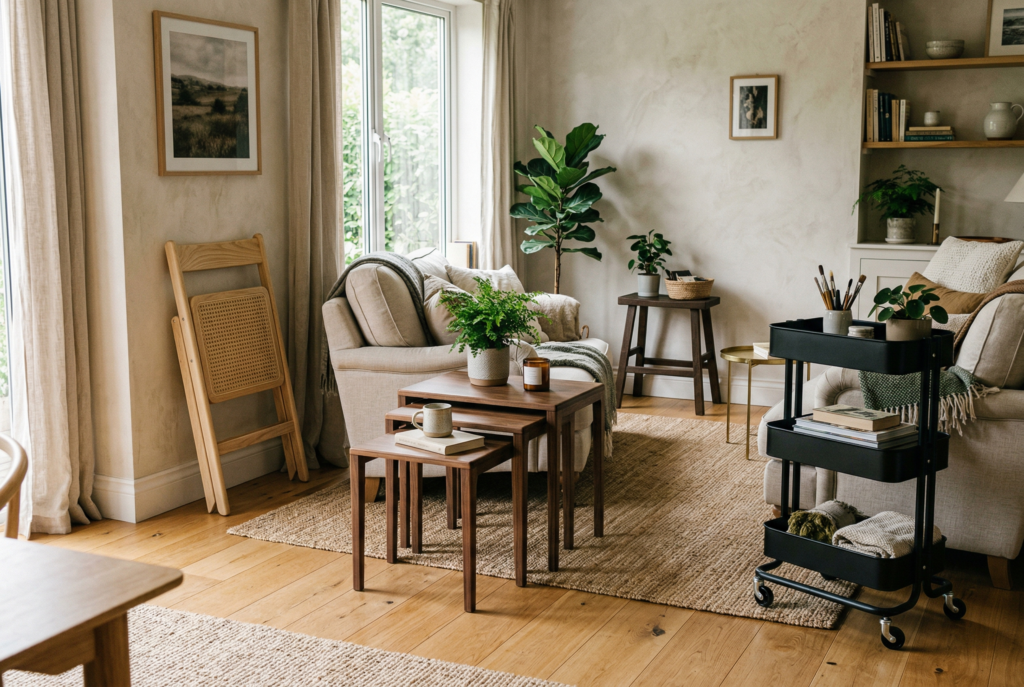
Furniture that’s easy to move can make a big difference in how flexible a room feels. Lightweight side tables, stools, nesting tables, folding chairs, and movable carts can all help a room shift function more easily without requiring a major reset. These pieces are especially useful in homes where one area has to support several purposes throughout the week.
For example, a rolling cart can hold work supplies during the day and tuck away in the evening. A small bench can move from the entryway to the dining area when extra seating is needed. Nesting tables can spread out for guests and then slide back together to save space. These smaller movable pieces help a home respond to real-life changes with less effort.
7. Make Transitional Spaces More Useful
Flexible living isn’t only about the main rooms. Transitional spaces like hallways, entryways, landings, and awkward corners can also play a valuable role when used thoughtfully. A hallway niche might become a small desk area. An entry corner might hold a compact bench and hooks. A landing could support a reading chair or narrow storage unit.
These areas are often underused, yet they can absorb functions that would otherwise crowd the main living spaces. Using them well can create a home that feels more capable without actually increasing square footage. When smaller in-between spaces are treated as opportunities instead of leftover areas, the whole house tends to work better.
8. Use Visual Simplicity to Keep Spaces Adaptable
A room becomes easier to shift when it isn’t overloaded with too much furniture, decor, or visual clutter. Flexible living spaces usually benefit from a sense of visual simplicity. A space doesn’t have to be strictly minimal. It should simply have enough breathing room to adapt to different functions without becoming chaotic.
This is one reason clutter control matters so much in adaptable homes. If surfaces are crowded and storage is overfilled, the room has less flexibility built into it. Keeping decor more intentional, using fewer but more useful furniture pieces, and maintaining clearer surfaces can help the space feel calmer and easier to rework as needed.
9. Think Long Term Instead of Designing Only for Right Now
Some of the best flexible living ideas come from thinking a little further ahead. A room that works well today should also have the potential to evolve with the household. That might mean choosing modular furniture, leaving room for future storage, or avoiding highly specific pieces that only serve one narrow purpose.
This kind of thinking matters because daily needs change faster than people expect. A child’s play area may later become a homework space. A home office may need to become a nursery or guest room. A quiet corner may later need more storage. Designing with some flexibility in mind now can reduce stress and make future changes feel easier to manage.
How Flexible Living Makes Daily Life Easier
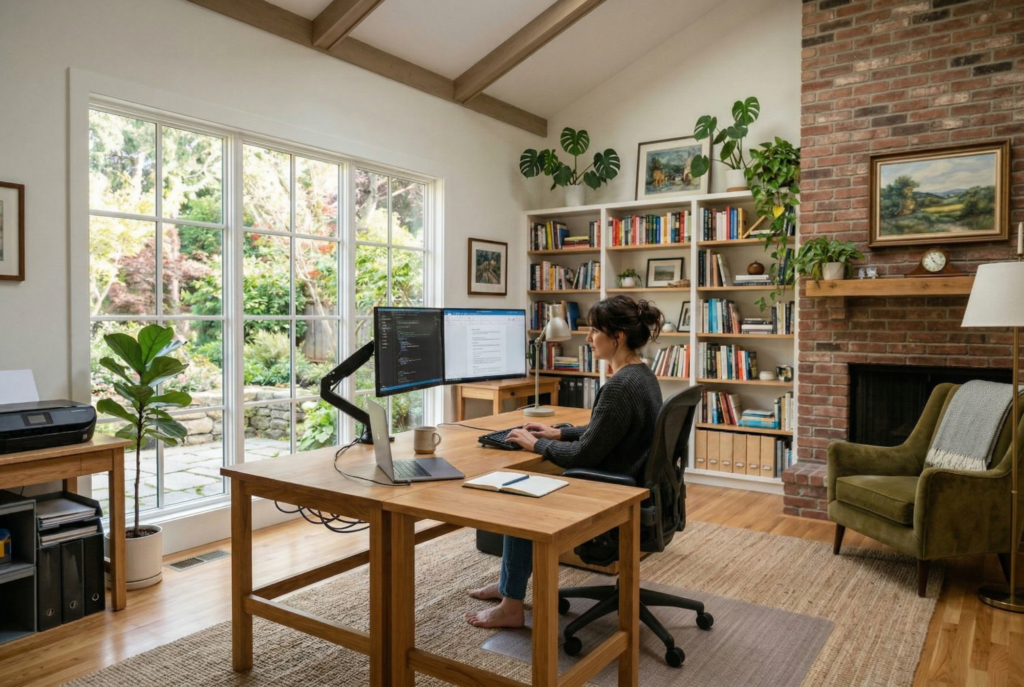
A flexible home supports routine by making space for what life actually requires. It gives people room to work, rest, gather, store what they need, and adjust when circumstances shift. That kind of support matters because the home isn’t static. It changes along with schedules, family needs, and priorities.
When a space is adaptable, it tends to feel less frustrating. You don’t have to fight the room to make it work. Instead, the room helps you. A dining table can become a temporary office. A living room can comfortably host both guests and quiet evenings at home. A storage system can evolve as habits change. These adjustments may seem small, but they shape the daily experience of home in a meaningful way.
Conclusion
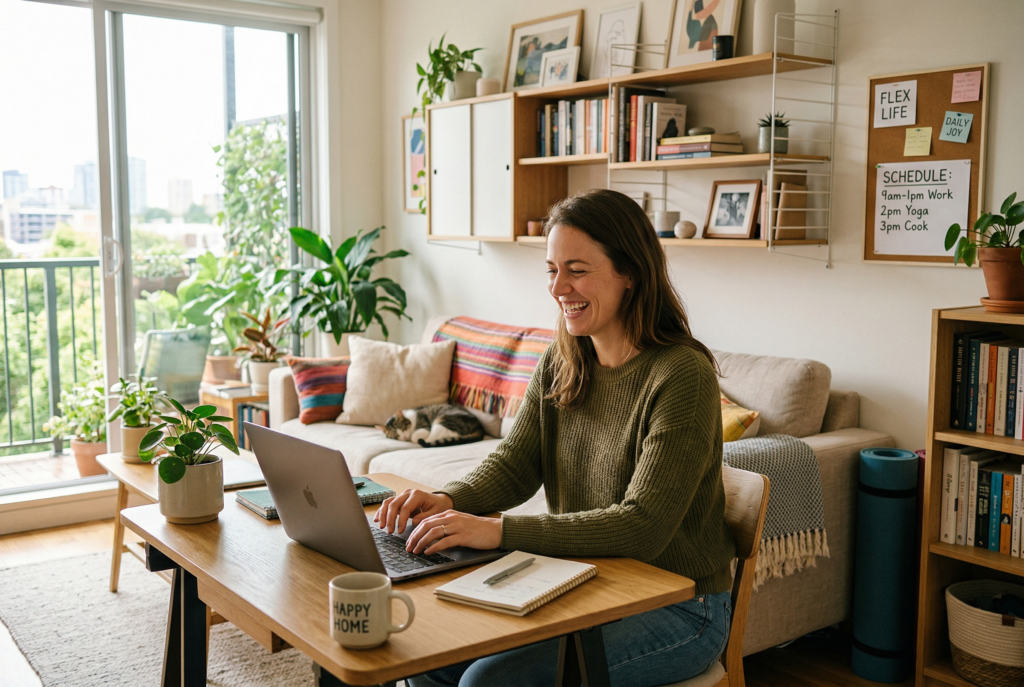
Flexible living ideas can help create adaptable spaces that fit your routine, lifestyle, and changing daily needs by making rooms more practical, movable, and responsive to real life. Multifunctional furniture, zone-based layouts, flexible storage, movable pieces, useful transitional areas, and a simpler visual approach all help a home stay comfortable and functional as needs evolve.
The most successful spaces aren’t always the most formal or fixed. They’re the ones that can shift with you. When a home is designed to adapt, it becomes easier to use, easier to maintain, and much more capable of supporting the way life actually changes over time.