

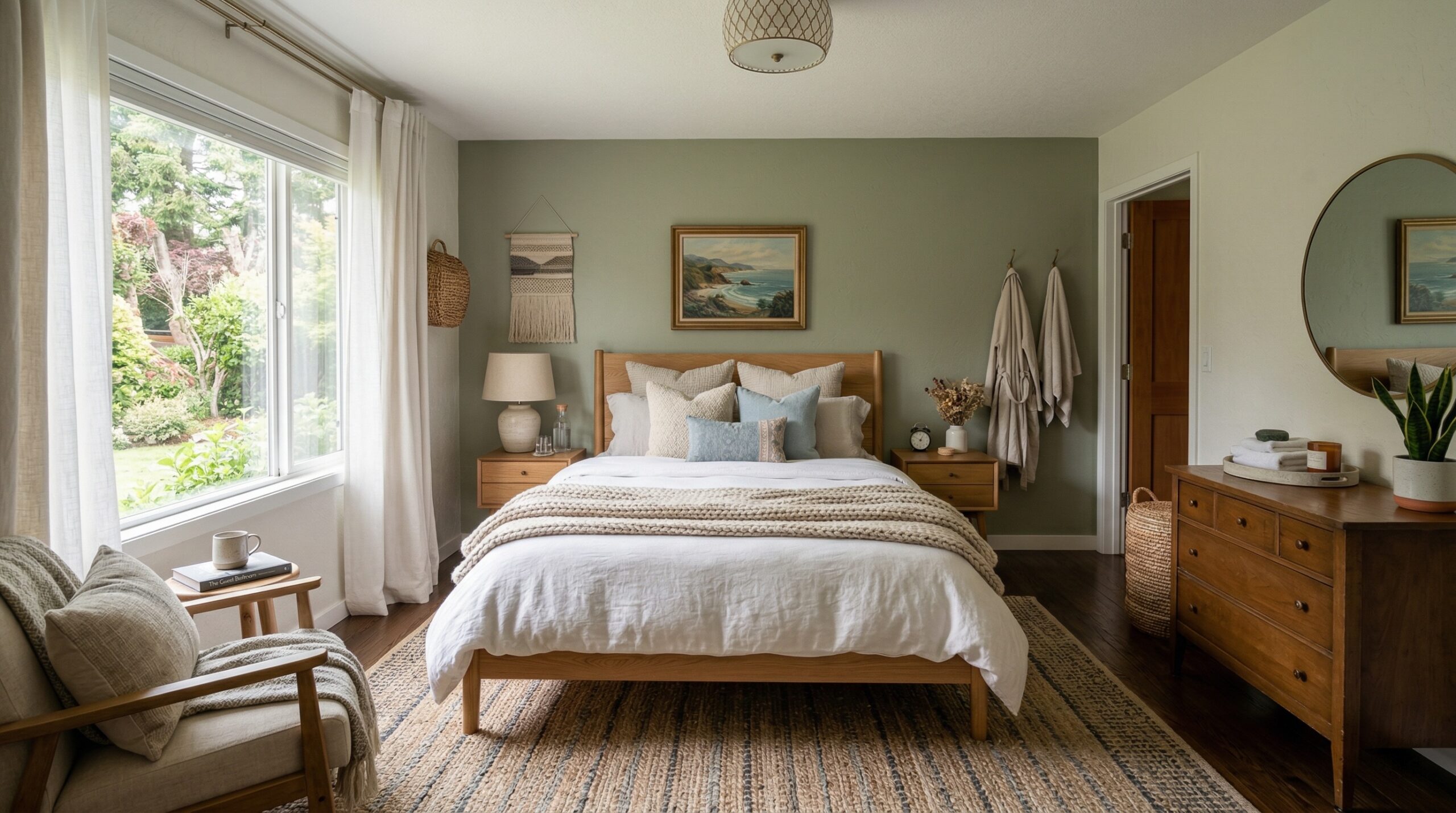
A well-designed guest bedroom can make visitors feel at ease from the moment they set down their bags. Whether you’re hosting family for the holidays, welcoming friends for a weekend visit, or preparing for occasional overnight stays, the room should feel comfortable, practical, and genuinely inviting. The best guest bedroom ideas combine warmth, function, and simple thoughtful details so guests can settle in easily and feel cared for without the space becoming overly formal or complicated.
Start with a Comfortable Bed That Supports Restful Sleep
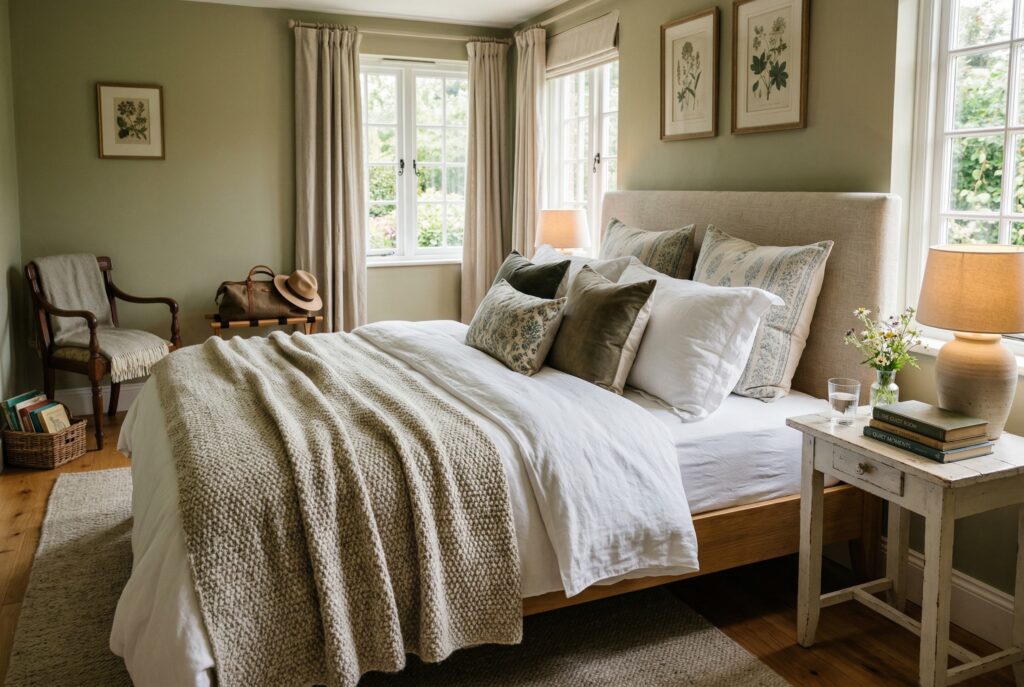
The bed is the most important part of any guest bedroom, and comfort should come before decoration. A room can look beautiful, but if the mattress feels unsupportive or the bedding feels rough, the stay won’t feel as relaxing as it should. A medium-firm mattress tends to work well for a wide range of sleep preferences, especially when the room is used by different guests throughout the year.
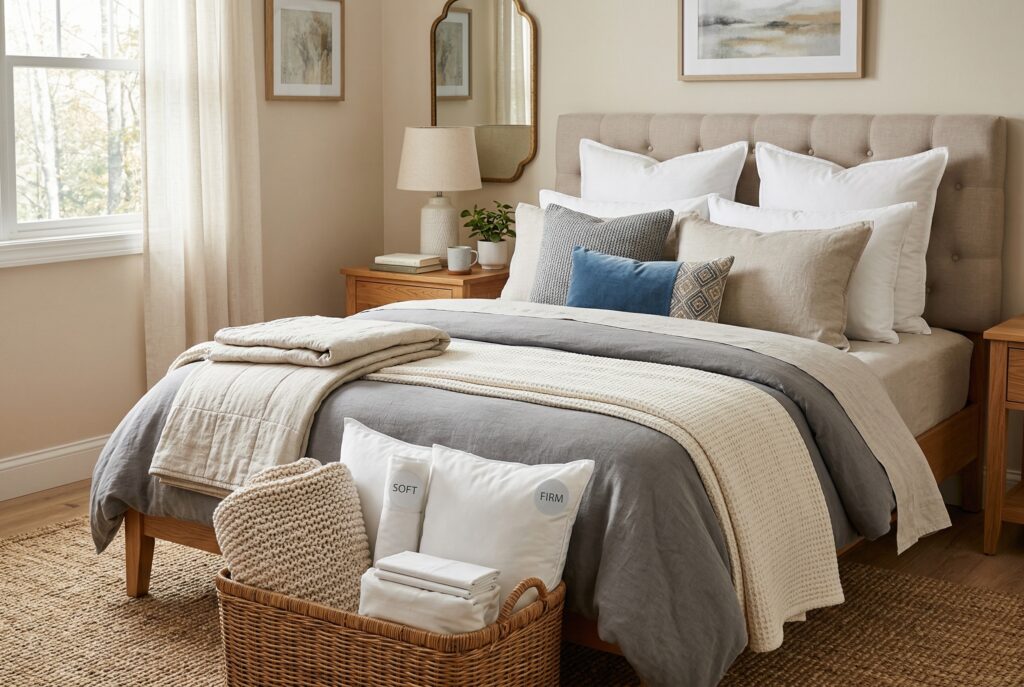
Layering the bed also matters. Crisp sheets, a soft duvet or quilt, and an extra blanket at the foot of the bed help guests adjust their comfort level more easily. Even a simple bed can feel much more welcoming when it’s made with care and has enough softness built in.
If the room has limited space, a daybed, sleeper sofa, or quality pullout can still work, but it should feel intentional. Guests should never feel like they’re sleeping in a leftover setup that was added as an afterthought.
Use Soft, Calm Colors to Create a Relaxing Atmosphere
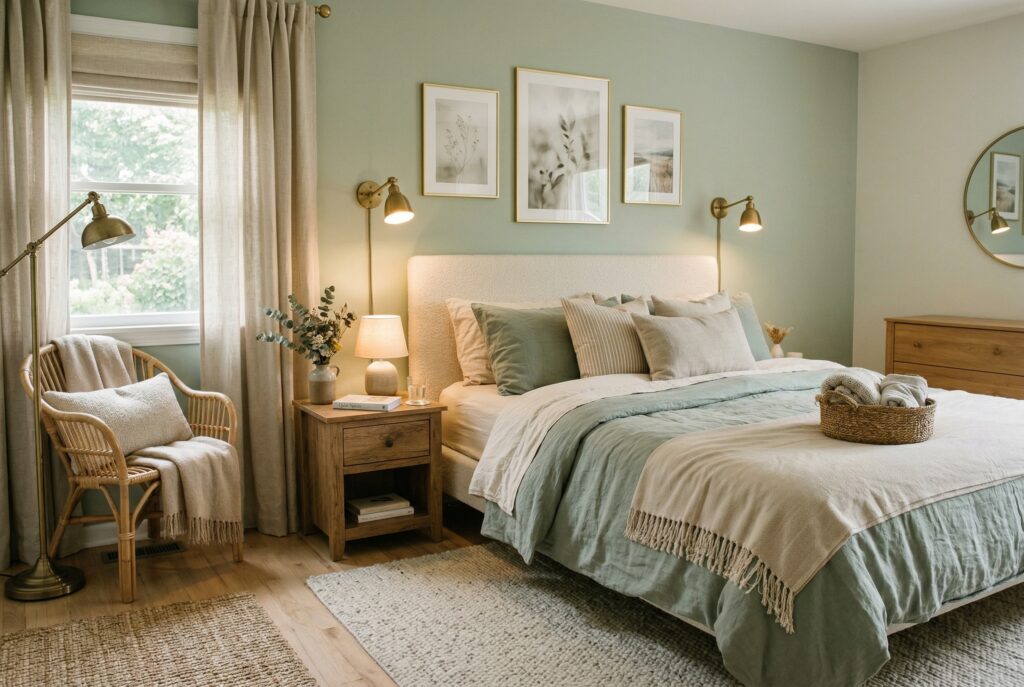
Color affects how a guest room feels right away. Soft neutrals, muted greens, warm grays, gentle blues, and light earthy tones can help the room feel calm and easy to settle into. These shades work especially well because they appeal to a wide range of tastes without feeling cold or impersonal.
A guest bedroom doesn’t need bold color to feel stylish. In fact, a more restrained palette often helps the room feel cleaner, quieter, and more restful. That’s useful when guests are staying for a few nights and need the space to support real rest, not just visual impact. Texture can do a lot of the design work here. When the colors stay soft, layers like woven bedding, upholstered headboards, curtains, and rugs add warmth and keep the room from feeling flat.
Add Bedside Lighting That Makes the Room Easier to Use
Good lighting is one of the most practical guest bedroom ideas, yet it’s often overlooked. Guests shouldn’t have to rely only on one bright overhead fixture, especially if they want to read, wind down gradually, or move around the room at night without harsh light.
A bedside lamp on at least one side of the bed makes a big difference. Two lamps are even better when space allows. Wall sconces, small table lamps, or compact plug-in fixtures can all work well depending on the layout. The key is to make the room feel more functional and more comfortable at the same time.
Warm lighting helps the room feel more inviting, and it also makes the overall design feel more complete. In practical terms, layered lighting gives guests more control over their environment, which supports a more relaxed stay.
Make Space for Luggage and Everyday Belongings
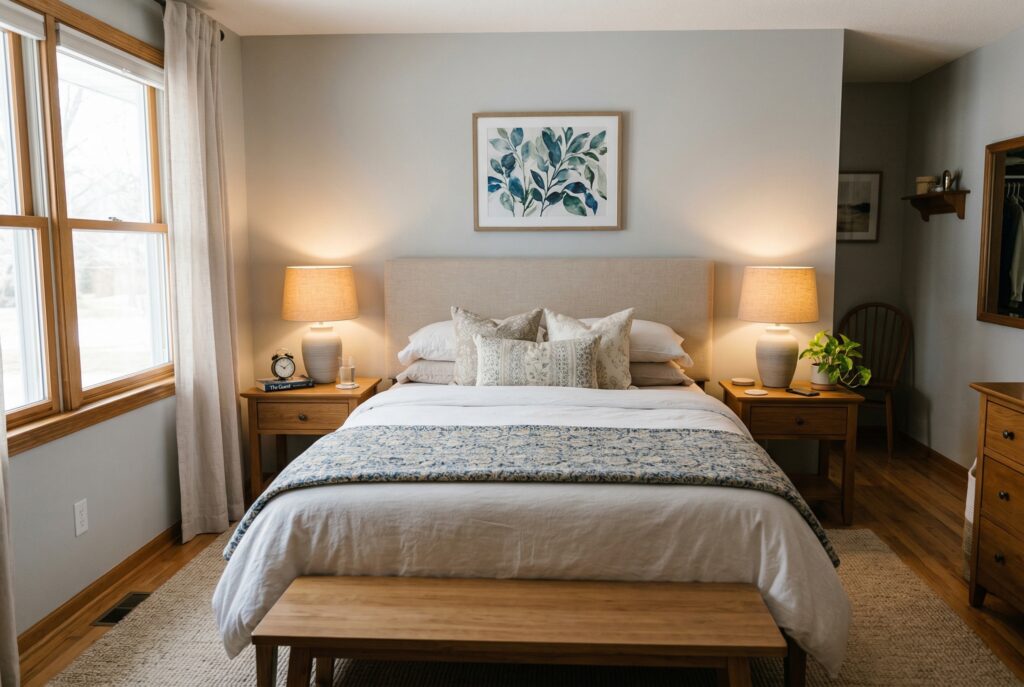
One of the fastest ways to make a guest room feel easier to use is to give visitors a place to put their things. Guests are much more comfortable when they don’t have to live out of a suitcase on the floor. Even a small amount of open space can make the room feel more thoughtful.
A luggage rack, bench, empty dresser drawer, or clear surface on top of a console or desk can help a lot. If the room has a closet, leave some hanging space available and add a few extra hangers. These details don’t take much effort, but they improve the experience in a very noticeable way.
This is especially helpful in homes where guests may be staying for several days. A room that supports unpacking, even lightly, feels calmer and less cramped. It also signals that the room was prepared with real use in mind.
Include Extra Bedding and Pillows for Different Comfort Preferences
People sleep differently, and guest rooms work better when they allow a little flexibility. Some guests run cold. Others want fewer layers. Some prefer a firmer pillow, while others want something softer. You won’t be able to predict every preference, but offering a few options makes the room feel much more accommodating.
An extra blanket folded neatly on the bed or stored in a basket is a smart place to start. A spare pillow in the closet or on a shelf can also help guests settle in without having to ask. These additions make the room feel generous and practical without adding clutter.
The goal is to reduce friction. When guests can adjust the space to their comfort level on their own, the room feels more restful and the stay feels easier for everyone.
Add Storage That Keeps the Room Functional and Uncluttered
A guest bedroom often has to balance hospitality with storage, especially in homes where the room doubles as an office, hobby room, or overflow space. That balance is easier to manage when storage is built in thoughtfully. The room should feel clean and open rather than like a storage zone that was temporarily cleared out.
A dresser, nightstand with drawers, storage bench, or closed cabinet can help keep essentials organized. If the room serves more than one purpose, use baskets or concealed storage so personal items and household extras don’t dominate the space when guests arrive.
Even in smaller homes, a little editing goes a long way. Guests don’t need a perfectly empty room, but they do need enough visual calm to feel comfortable. A more organized guest room also tends to feel more polished and more intentionally designed.
Soften the Room with Textiles That Add Warmth
A guest room becomes more inviting when it includes enough soft layers. Hard flooring, bare windows, and minimal bedding can make the room feel unfinished, even when the furniture is perfectly fine. Textiles help shift the atmosphere from basic to welcoming.
A rug beside or under the bed can make mornings feel more comfortable. Curtains or soft window treatments add privacy and soften natural light. A textured throw blanket, upholstered headboard, or layered bedding can all make the room feel warmer and more lived in. These details matter because comfort is often built through small sensory experiences. A room that feels soft, quiet, and visually calm usually makes a stronger impression than one that relies only on decorative styling.
Provide Simple Essentials That Help Guests Feel at Home
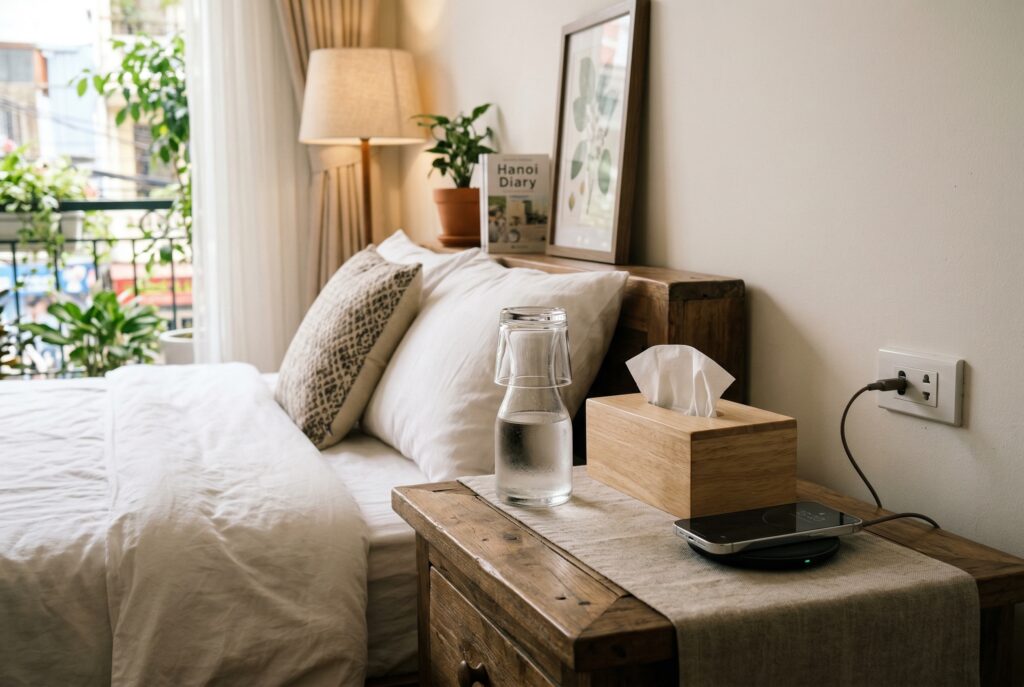
Thoughtful essentials can make a guest bedroom feel especially considerate. A small carafe or bottle of water, tissues, a phone charging spot, Wi-Fi information, or a spare towel can all help guests feel more settled without needing to ask for every small thing.
You don’t need to turn the room into a hotel. In fact, keeping things simple usually feels more natural. The most helpful touches are the ones that reduce inconvenience and show practical care. A small tray on the nightstand or dresser can hold these items neatly and keep the room looking organized.
This works especially well when guests are arriving late, staying for a short visit, or adjusting to an unfamiliar house. Easy access to basics helps the room feel more supportive right away.
Add Personal Warmth Without Overdecorating the Space
A guest bedroom should feel welcoming, but it doesn’t need to be overly filled with décor. Too many decorative objects can make the room feel cramped or make guests wonder where to put their things. A better approach is to add a few thoughtful elements that make the room feel warm and personal without overwhelming it.
Artwork, a framed print, a small plant, a stack of books, or a ceramic dish on the nightstand can all help. These touches give the room character and make it feel cared for. The key is restraint. Guests should feel that the room has personality, but they should also feel free to use it comfortably. In many homes, the most successful guest rooms are the ones that feel simple, calm, and quietly intentional. They’re pleasant to be in because nothing feels excessive, yet everything feels considered.
Conclusion
The best guest bedroom ideas focus on what makes people feel genuinely comfortable during a stay. A supportive bed, calm colors, soft lighting, practical storage, and a few thoughtful essentials all work together to create a room that feels easy to settle into. These choices don’t need to be elaborate to be effective. They just need to reflect real care and everyday usability.
A cozy guest bedroom supports more than sleep. It helps visitors feel welcome, respected, and able to relax in someone else’s home. When the room combines comfort, warmth, and smart function, it creates the kind of experience guests remember for the right reasons.