

Laundry is one of those chores that quietly sneaks into our lives again and again. You finish folding a load, turn around, and somehow there’s already more waiting. It’s also one of the easiest places to make meaningful, eco-friendly changes without overhauling your entire lifestyle. These eco-friendly laundry tips focus on saving energy, cutting back on harsh chemicals, and building a sustainable cleaning routine that actually sticks.
Why Eco-Friendly Laundry Matters More Than You Think
Laundry has a bigger environmental footprint than most people realize. Between hot water, long cycles, dryers, and chemical detergents, a single household can burn through huge amounts of energy and water every year.
A more sustainable laundry routine offers multiple benefits, including reduced electricity and water consumption, less chemical runoff entering waterways, and lower microfiber pollution. It also helps preserve the quality of your clothes so they last longer, while saving you money on energy, water, and replacement costs over time.
1. Wash Clothes Less Often
This is the simplest and the most overlooked eco-friendly laundry tip. Honestly, jeans, sweaters, jackets, and even some shirts don’t need to be washed after one wear. Fewer washes mean less energy, less water, and less wear on your clothes.
Try this mindset shift:
- If it isn’t stained, sweaty, or smelly, hang it up and wear it again
- Air clothes out overnight instead of defaulting to the washer
- Spot-clean when possible
2. Always Wash Full Loads (But Don’t Overload)
Running half-empty loads wastes water and electricity, so aim to wash full loads whenever possible while still giving clothes enough space to move freely. If you’re short on laundry, try combining loads with a partner or roommate, waiting an extra day instead of rushing a small wash, or using load-size settings if your machine has them. This single habit can dramatically reduce your overall laundry footprint.
3. Switch to Cold Water for Most Loads
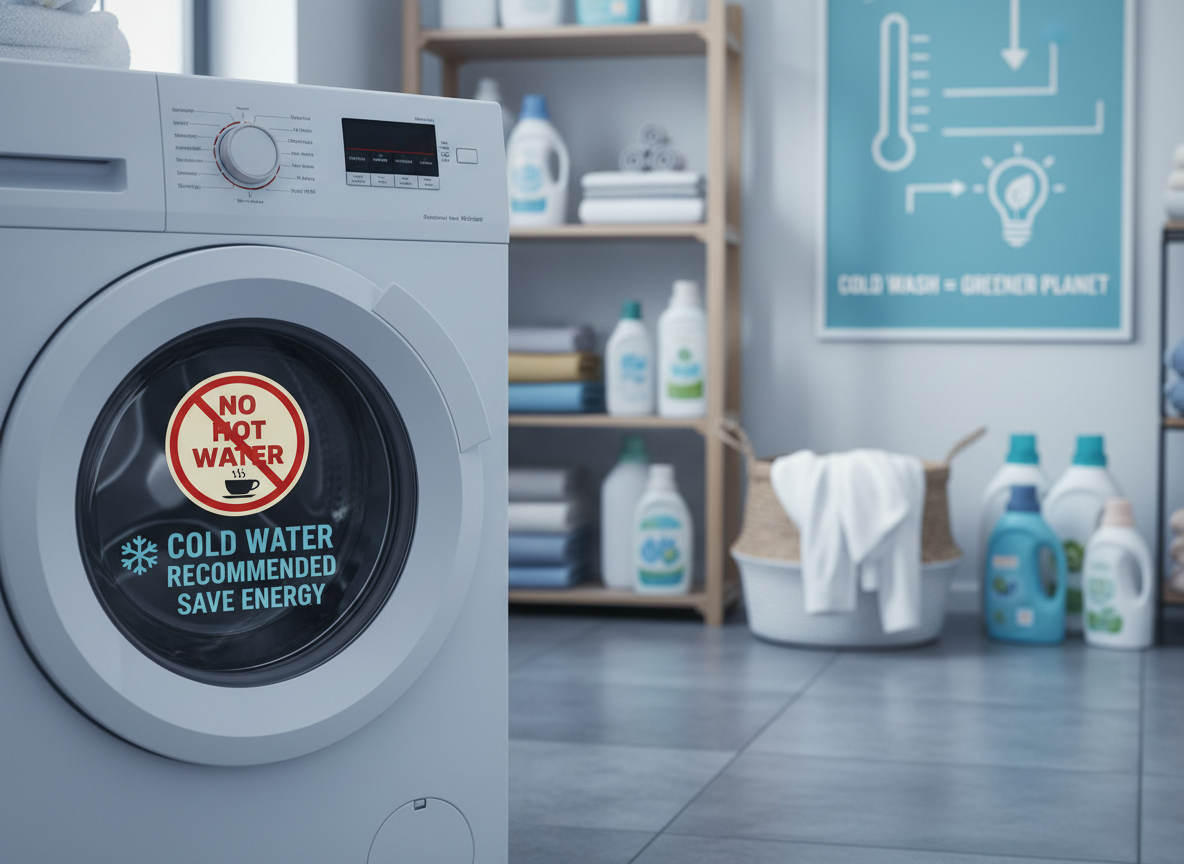
Heating water is the most energy-intensive part of doing laundry, and washing in cold water can cut energy use by up to 90% per load. Cold water works especially well for everyday clothing, dark and bright colors, delicate fabrics, and synthetic materials. You should only save hot water for towels, bedding, illness-related washes, or occasional mattress cover cleaning (like when deep-cleaning for allergens or odors).
4. Choose Eco-Friendly Laundry Detergents
Look for eco-friendly laundry detergents that are:
- plant-based and biodegradable
- free from phosphates and synthetic fragrances
- effective in cold water
- low-sudsing (especially for HE machines)
Conventional detergents often contain fragrances, dyes, optical brighteners, and preservatives that can irritate skin and harm aquatic life. These gentler, chemical-free formulas also make pet-safe laundry detergents a smarter choice for households with animals. Besides, using refillable containers, detergent sheets, or cardboard packaging can help to reduce plastic waste.
5. Use Less Detergent Than You Think
More detergent doesn’t mean cleaner clothes. In fact, excess detergent can leave residue, dull fabrics, and increase chemical pollution, so using less detergent not only protects your washing machine but also your clothes.
Here are some practical tips: using the lower end of the recommended detergent dosage, cutting back even further for lightly soiled loads, and avoiding “extra strength” amounts unless they’re truly necessary.
6. Skip Fabric Softener (There’s a Better Option)
Fabric softeners coat fibers with chemicals that reduce absorbency and shorten fabric life. They also add unnecessary chemicals to wastewater. Instead, you can try wool dryer balls to soften clothes naturally or a splash of white vinegar in the rinse cycle. These alternatives are reusable, affordable, and far more sustainable.
7. Air-Dry Whenever Possible

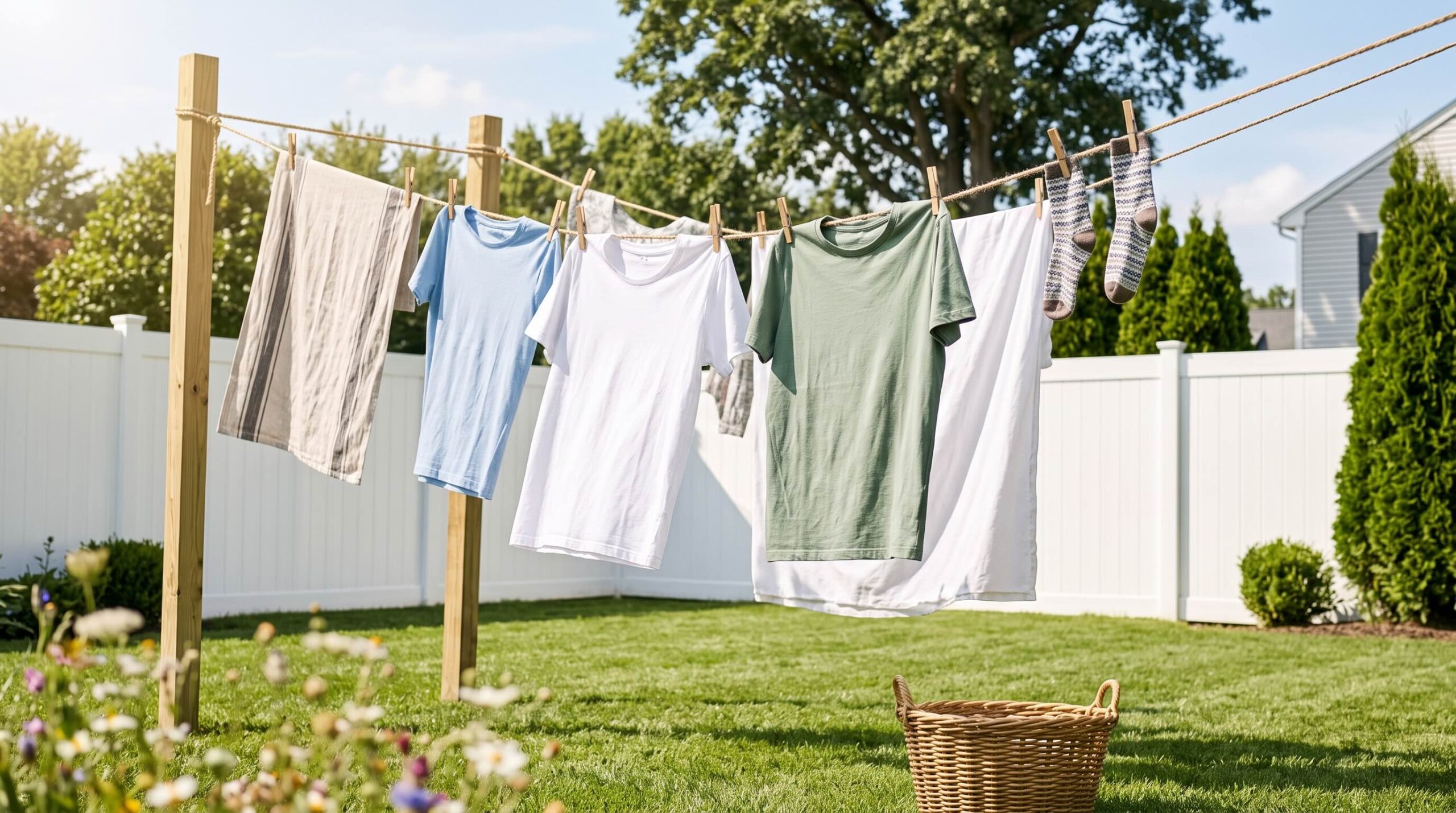
Dryers are major energy hogs. Line-drying or rack-drying clothes can significantly reduce your household’s energy use. Air-drying also prevents shrinkage and helps clothes last longer.
Easy ways to make it work:
- hang lightweight items like shirts and activewear
- use an indoor drying rack near a window or fan
- save the dryer for towels or bulky items
8. Clean Your Washer and Dryer Regularly
Add this to your routine:
- Run an empty washer cycle monthly with vinegar or a washer cleaner
- Wipe down seals on front-load machines
- Clean the dryer lint trap after every load
- Check and clean dryer vents periodically
A dirty machine works less efficiently and can transfer residue back onto your clothes. In contrast, efficient machines use less energy, perform better, and help reduce the risk of leaks and moisture-related water damage.
9. Use Mesh Bags for Delicates and Synthetics
Delicates and synthetic fabrics shed microfibers during washing, and using mesh laundry bags helps reduce friction and fiber loss. They’re especially useful for activewear, underwear, and bras, lightweight knits, and items with straps or hooks. Plus, your clothes stay in better shape and last longer.
10. Reduce Microfiber Pollution Where You Can
Synthetic fabrics shed tiny plastic fibers that wastewater treatment systems can’t fully filter out. To reduce microfiber release, you need to wash synthetic clothing less frequently, choose gentle cycles with cold water, avoid high-spin settings, and consider using microfiber-catching tools when possible.
11. Choose Energy-Efficient Machines (When You Can)

If you’re in the market for a new washer or dryer, look for ENERGY STAR–certified models. High-efficiency machines use less water and electricity per load and spin faster, reducing drying time.
Renters can still make a positive impact by choosing eco-friendly or low-energy wash cycles, doing laundry during off-peak hours when possible, and encouraging property managers to invest in more efficient appliances or upgrades in shared laundry areas.
12. Build a Sustainable Laundry Routine You’ll Actually Keep
The most eco-friendly laundry routine is the one you’ll actually stick with. Instead of changing everything at once, start small, pick two habits to begin with, like washing in cold water and waiting for full loads, then add one new change every few weeks. Sustainability isn’t about doing laundry perfectly, it’s about doing it a little better, most of the time.
Final Thoughts: Cleaner Clothes, Lighter Impact
Eco-friendly laundry doesn’t require fancy products or complicated rules. With a few intentional changes such as washing less, using cold water, choosing gentler detergents, and cutting dryer use, you can save energy, reduce chemicals, and extend the life of your clothes.