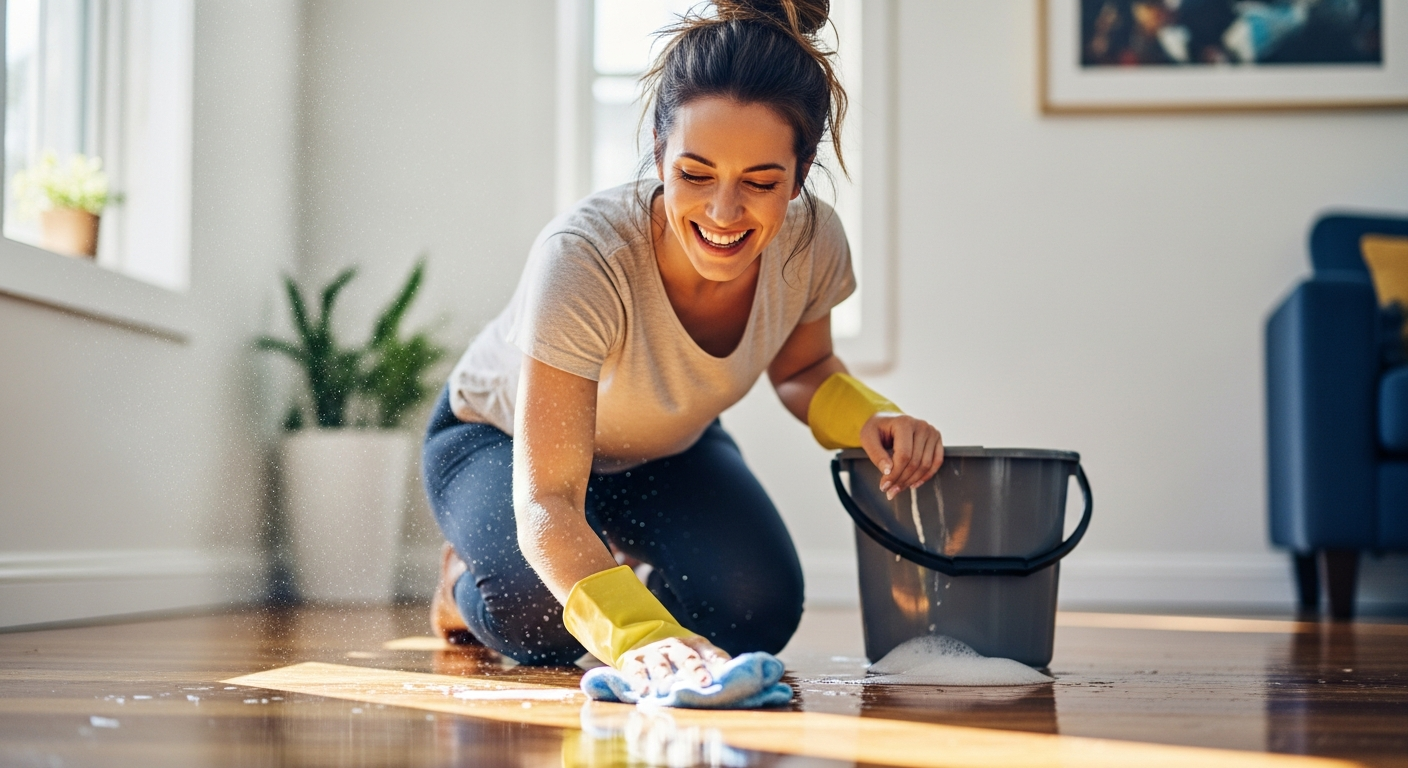
A clean home does more than improve appearance. It plays a vital role in supporting physical health, mental clarity, and emotional balance. The way a home is cleaned and maintained can directly affect daily well being, influencing air quality, stress levels, and overall comfort. Healthy home cleaning practices focus not only on cleanliness but also on creating an environment that supports long term wellness.
Rather than relying on aggressive products or exhausting routines, healthy cleaning emphasizes mindful habits, safer methods, and consistency. When cleaning practices align with well being, the home becomes a space that restores energy instead of draining it.
Essential Cleaning Tools and Safe Products for a Healthy Home
Building a healthy cleaning routine starts with choosing the right tools and products. You don’t need a long list of expensive items. What matters is effectiveness, safety and long term usability.
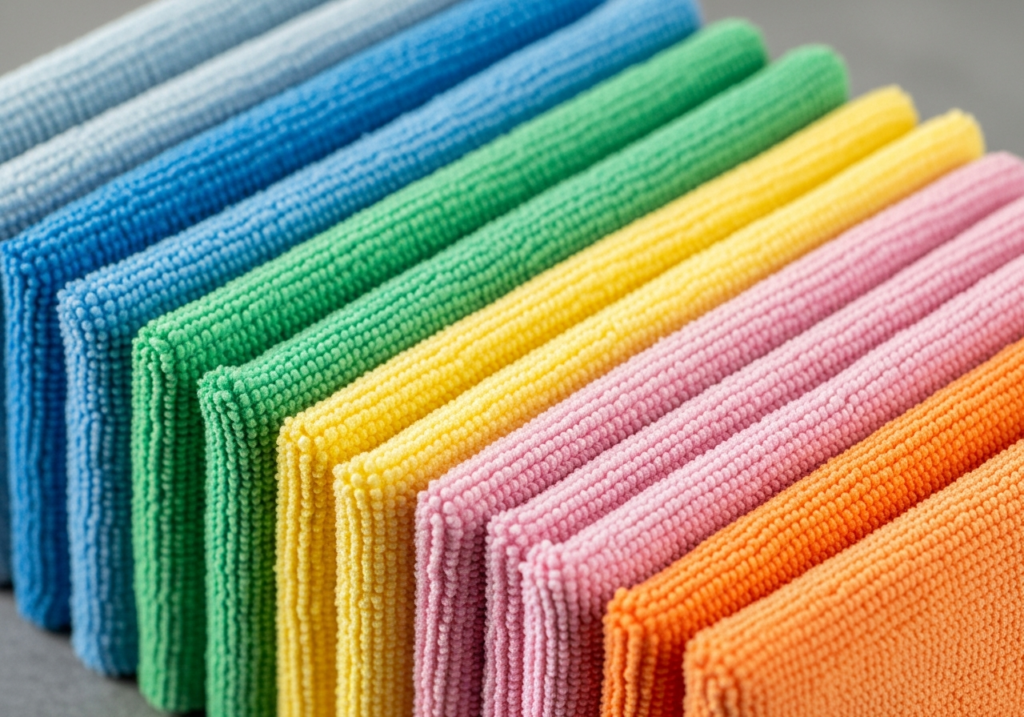
Microfiber cloths are one of the most essential tools for healthy cleaning. They trap dust bacteria and allergens more effectively than traditional cloths while reducing the need for chemical cleaners. When used dry they remove dust. When slightly damp they clean surfaces deeply without leaving residue.
A high quality vacuum cleaner with a HEPA filter is especially important for homes with children, pets or allergy sensitive individuals. HEPA filters capture fine particles such as pollen pet dander and dust mites which improves indoor air quality over time.
For cleaning products choose non toxic plant based formulas whenever possible. Look for transparent ingredient lists and certifications that indicate safety for humans and pets. Simple ingredients like vinegar, baking soda and citric acid can handle many everyday cleaning tasks including deodorizing descaling and surface cleaning.
Reusable spray bottles allow you to mix your own gentle cleaning solutions and reduce plastic waste. This practice supports both environmental sustainability and personal health by limiting exposure to unnecessary chemicals.
From an expertise perspective many environmental health studies confirm that long term exposure to harsh household cleaners can contribute to respiratory irritation and hormone disruption. Choosing safer alternatives is a preventive step toward better daily health.
Smart Cleaning Shortcuts that Save Time and Energy
Healthy cleaning doesn’t require perfection or constant effort. Small efficient habits are often more effective than occasional deep cleaning sessions that lead to burnout.
One of the most effective strategies is cleaning in short focused intervals. Ten to fifteen minutes a day is enough to maintain order and prevent dirt from building up. This approach aligns with behavioral psychology principles that emphasize consistency over intensity. Another helpful technique is cleaning as you go. Wiping kitchen counters after cooking, rinsing the sink before bedtime or returning items to their place immediately reduces the mental and physical load of cleaning later.
Using multi purpose non toxic cleaners simplifies routines and reduces decision fatigue. When one safe product works for multiple surfaces you are more likely to maintain regular habits. Laundry and dishwashing also offer opportunities for healthier practices. Washing clothes in cold water when possible saves energy and preserves fabric quality. Choosing fragrance free detergents reduces skin irritation and indoor air pollution.
These small changes reflect experience based knowledge shared by professional cleaners and wellness focused households. They demonstrate that sustainable cleaning habits are built through realistic routines not extreme effort.
Targeted Cleaning Advice for Different Areas of Your Home
Each area of the home has unique cleaning needs and health considerations. Addressing them thoughtfully improves both hygiene and comfort.
In the kitchen, focus on food safety and surface hygiene. Clean cutting boards frequently, especially after handling raw food. Wooden boards should be scrubbed with hot water and mild soap while plastic boards can be sanitized with vinegar or diluted hydrogen peroxide. Keep sponges dry between uses or replace them regularly to prevent bacterial growth.

Bathrooms require attention to moisture control. Mold and mildew thrive in damp environments and can affect respiratory health. Ventilate the space well and wipe down wet surfaces after showers. Gentle acid based cleaners such as citric acid solutions help remove mineral buildup without harsh fumes.
Bedrooms should prioritize air quality and dust reduction. Wash bedding weekly in warm water to remove sweat allergens and dust mites. Vacuum mattresses and curtains periodically. Opening windows daily even for a short time refreshes indoor air and improves sleep quality.

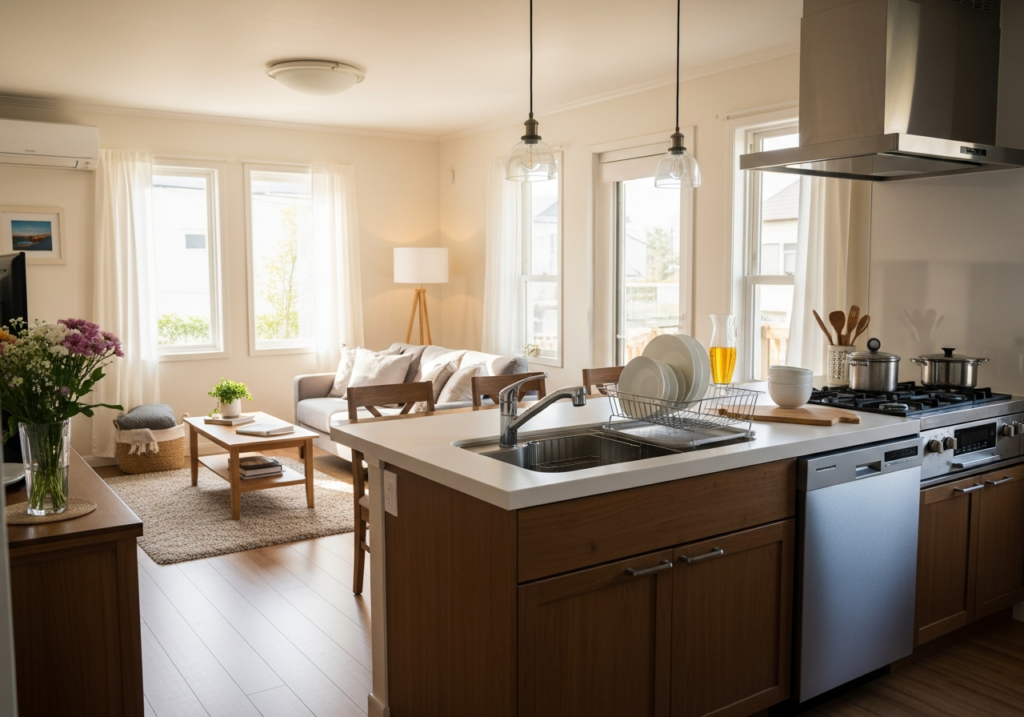
Living areas benefit from decluttering and surface cleaning. Fewer items mean less dust accumulation and easier maintenance. Plants that are easy to care for can improve mood and contribute to a calmer atmosphere though they shouldn’t replace proper ventilation. This room specific approach reflects trustworthiness by acknowledging that healthy cleaning isn’t one size fits all. It adapts to real living conditions and personal needs.
How Cleaning Habits Influence Emotional Health and Mental Health
Cleaning is not only a physical task but also a psychological process. Research in environmental psychology shows that clean organized spaces are associated with reduced stress, improved focus and a greater sense of control.
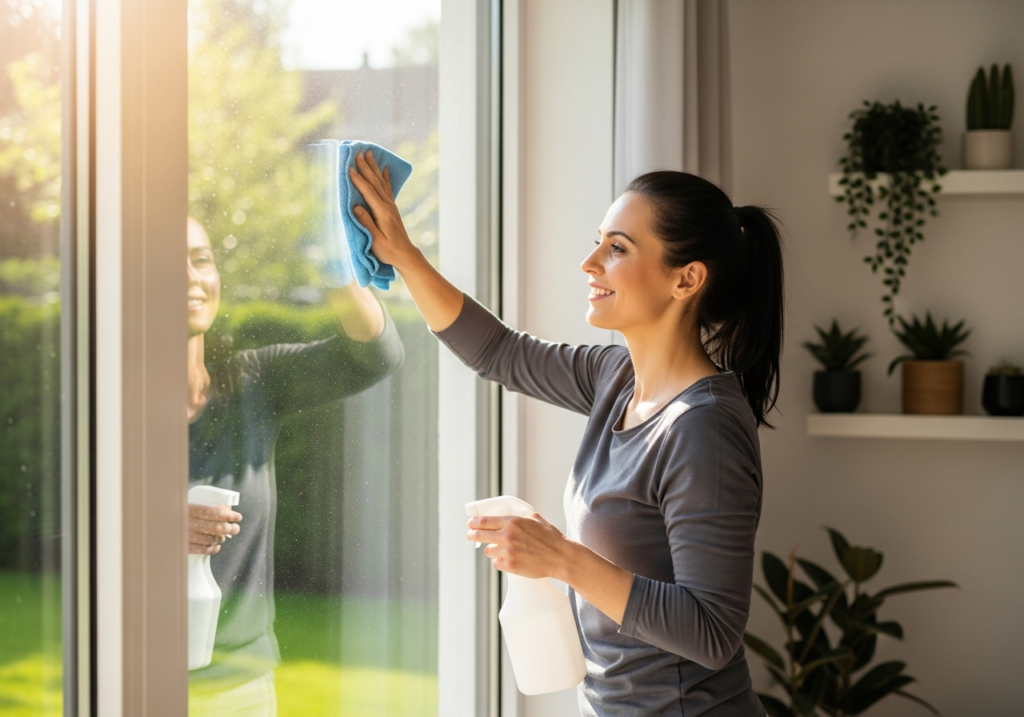
When a home is cluttered the brain receives constant visual stimuli that can increase mental fatigue. Simple cleaning routines help restore a sense of order which supports emotional regulation especially during stressful periods. Cleaning can also function as a grounding activity. Repetitive movements such as wiping, folding or sweeping activate mindfulness by drawing attention to the present moment. Many people report feeling calmer and more emotionally balanced after cleaning even without realizing why.
It’s important however to avoid perfectionism. Healthy cleaning supports well being when it’s flexible and compassionate, not rigid or guilt driven. Allowing spaces to be lived in while maintaining basic hygiene creates a healthier relationship with the home environment.
From an experience and authority standpoint, mental health professionals increasingly recognize the role of the environment in emotional wellness. A supportive home doesn’t need to be spotless. It needs to feel safe, breathable and manageable.
Building a Sustainable Cleaning Routine for Long Term Well-being
Healthy home cleaning practices work best when they’re sustainable. Start with small changes and adjust based on your lifestyle. Choose tools and products that align with your values and physical needs. Focus on progress not perfection.
By combining safe materials, efficient habits, room specific strategies and psychological awareness you create a home that supports both physical health and emotional resilience. A healthy home isn’t created through major renovations or extreme routines. It’s built through mindful daily choices that protect your well being and make everyday life easier.
Final Thoughts
A well maintained home directly influences indoor air quality, emotional balance, and overall comfort. When cleaning routines are realistic and sustainable, they help reduce long term health risks while promoting a sense of calm and control. Room specific strategies and time efficient habits ensure that cleanliness supports wellbeing without requiring excessive effort.
In summary, a healthy home is shaped by intention and consistency. Small daily actions, guided by awareness and care, can create a space that restores energy, supports long term wellness, and enhances quality of life.
Related Articles
- What Is Green Cleaning? Key Benefits for a Safer, Healthier, and More Eco-Friendly Home
- 10 Simple Ways to Reduce Household Waste and Create a More Sustainable, Eco-Friendly Home
- How to Build a Zero-Waste Kitchen with Simple Swaps, Smart Storage, and Sustainable Everyday Habits
- How to Create a Sustainable Household Routine with Simple Daily Habits for a Cleaner, More Eco-Friendly Home