Maintaining clean floors is essential for keeping your home looking fresh and inviting. No matter the type of flooring you have, be it hardwood, tile, carpet, laminate, or vinyl, each surface requires a specific cleaning method. With the right tools and techniques, you can clean your floors quickly and effectively, ensuring they remain in top condition for years to come. This comprehensive guide will walk you through cleaning methods for every floor type, giving you practical tips that will leave your floors sparkling.
1. Cleaning Hardwood Floors: Gentle Care for a Beautiful Finish
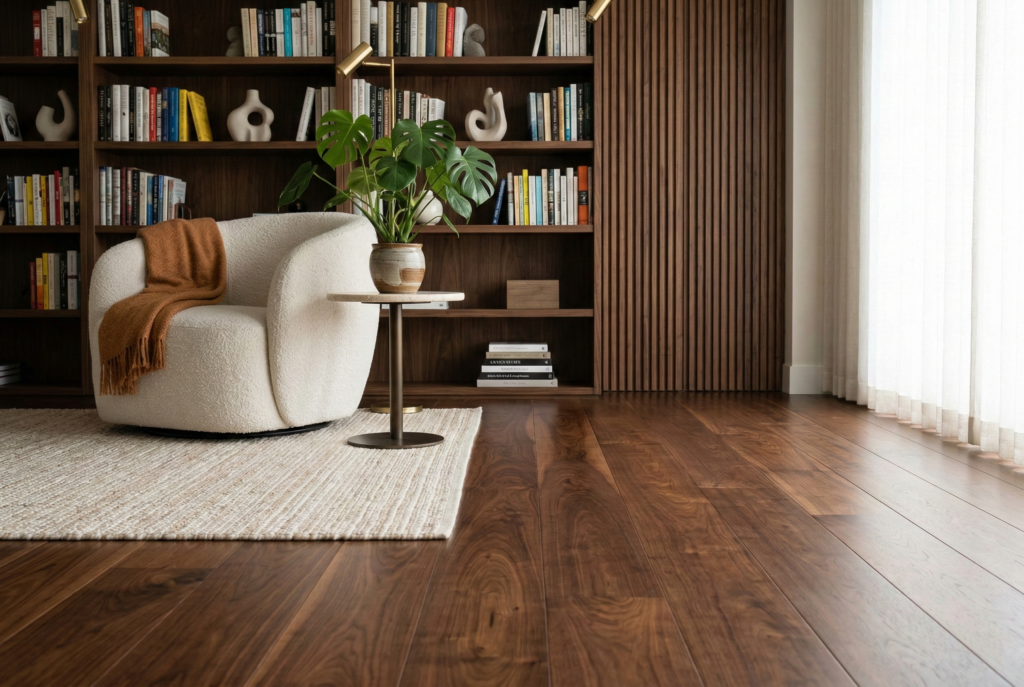
Hardwood floors are a timeless and elegant feature in many homes, but they do require proper care to maintain their beauty and prevent damage. Routine cleaning is crucial, but it’s essential to use the right tools and products to preserve the integrity of the wood. Start with daily maintenance by sweeping or dusting your floors with a microfiber dust mop to prevent dirt and grit from scratching the surface.
Deep Cleaning Hardwood Floors
For a deeper clean, use a vacuum cleaner with a canister attachment. Avoid upright vacuums with rotating brushes as they can scratch the floor. When mopping, use a damp microfiber mop and a hardwood floor cleaner. Ensure that the mop is only slightly damp to avoid excess water, as moisture can warp or damage wood over time.
Removing Scuff Marks
To tackle scuff marks, you can use a soft cloth or a tennis ball. Simply rub the scuff gently until it fades. For heavier marks, mix a small amount of baking soda with water to create a paste, and use a damp sponge to rub it onto the mark.
Preventing Long-Term Damage
To maintain the quality of your hardwood floor, avoid using harsh chemicals or abrasive cleaners. Establish a “no shoes” policy in the house to reduce dirt buildup. Additionally, resealing your floors every few years can help preserve their finish and protect them from wear and tear. If you’re dealing with sticky residue or built-up grime, try using a mixture of white vinegar and water (1:10 ratio) to clean the surface gently.
2. Tile Floors: Keeping Them Clean and Grout-Free
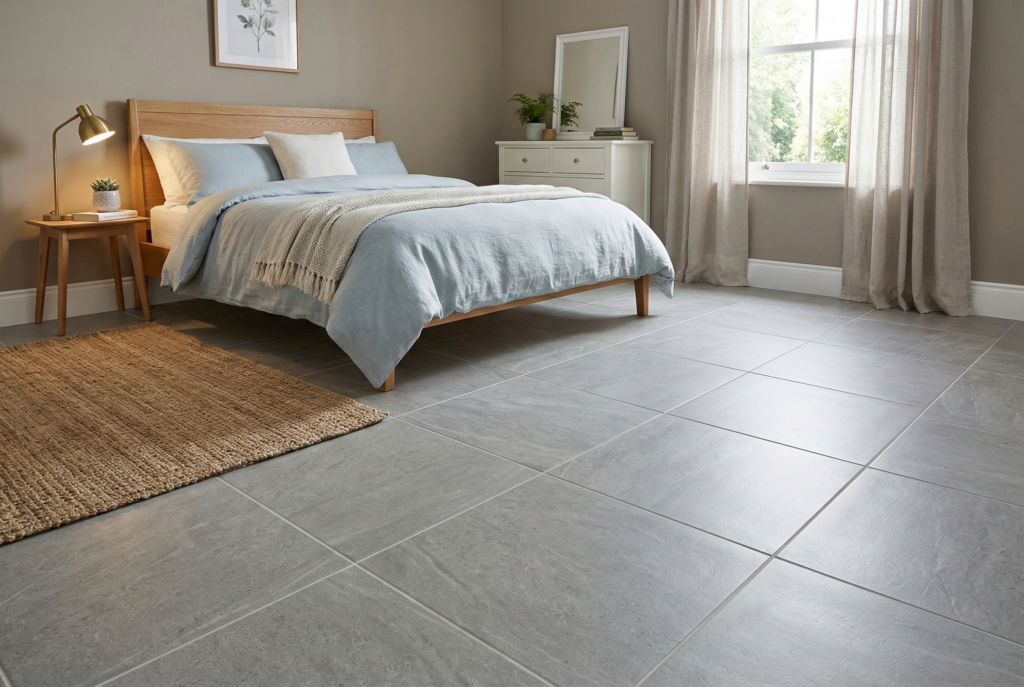
Tile floors are durable and easy to clean, but they require regular maintenance to maintain their shine and prevent grout buildup. Start by sweeping or vacuuming the floor to remove dirt and debris. For mopping, use a mild detergent mixed with warm water. Be sure to use a mop that doesn’t leave excess water on the floor, as moisture can seep into grout lines and lead to mildew growth.
Grout Cleaning
Grout is one of the most challenging parts of cleaning tile floors. Over time, grout can absorb dirt and stains, leaving your tiles looking dull. A mixture of baking soda and water can be used to scrub grout lines effectively. For stubborn stains, use a toothbrush to apply the paste and scrub gently.
Deep Tile Cleaning
For a deeper clean, use a steam cleaner to lift dirt from tile surfaces and grout. Steam cleaners are ideal for breaking down grime without the need for harsh chemicals, making them an excellent option for eco-conscious households.
After mopping, wipe down the tiles with a dry microfiber cloth to prevent water spots from forming and to keep your tiles looking shiny.
3. Laminate Floors: Simple Care for Low-Maintenance Surfaces
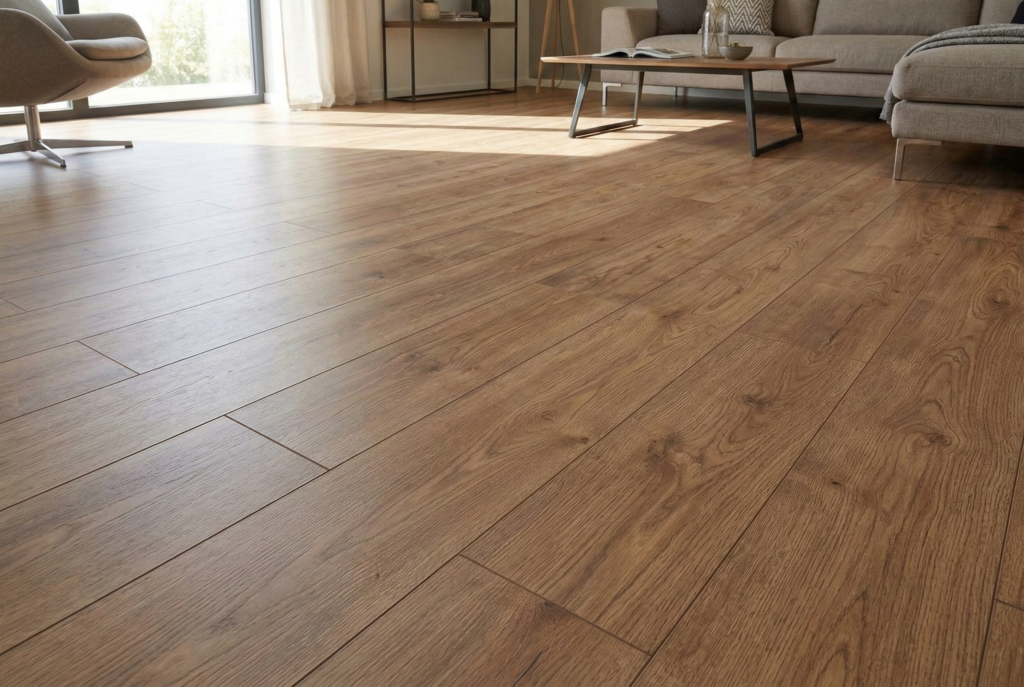
Laminate floors are popular for their affordability and ease of maintenance. However, they’re prone to moisture damage, so it’s important not to use excessive water when cleaning. Begin by sweeping or vacuuming the floor to remove dust and debris. A vacuum with a soft brush attachment works best to avoid scratching the surface.
Mopping Laminate Floors
When mopping, use a microfiber mop and a laminate floor cleaner. Ensure the mop is just slightly damp, as excess moisture can cause the laminate to warp or swell. For quick touch-ups, a damp cloth with a small amount of vinegar and water can help remove stains and grime without damaging the surface.
Stubborn Stains
If you notice stubborn stains, try rubbing them gently with a mixture of baking soda and water. This can help lift the stain without scratching or damaging the laminate. Avoid using wax-based or oil-based cleaners on laminate floors, as these can leave a sticky residue and dull the surface over time.
4. Carpet Cleaning: Freshen Up and Eliminate Odors
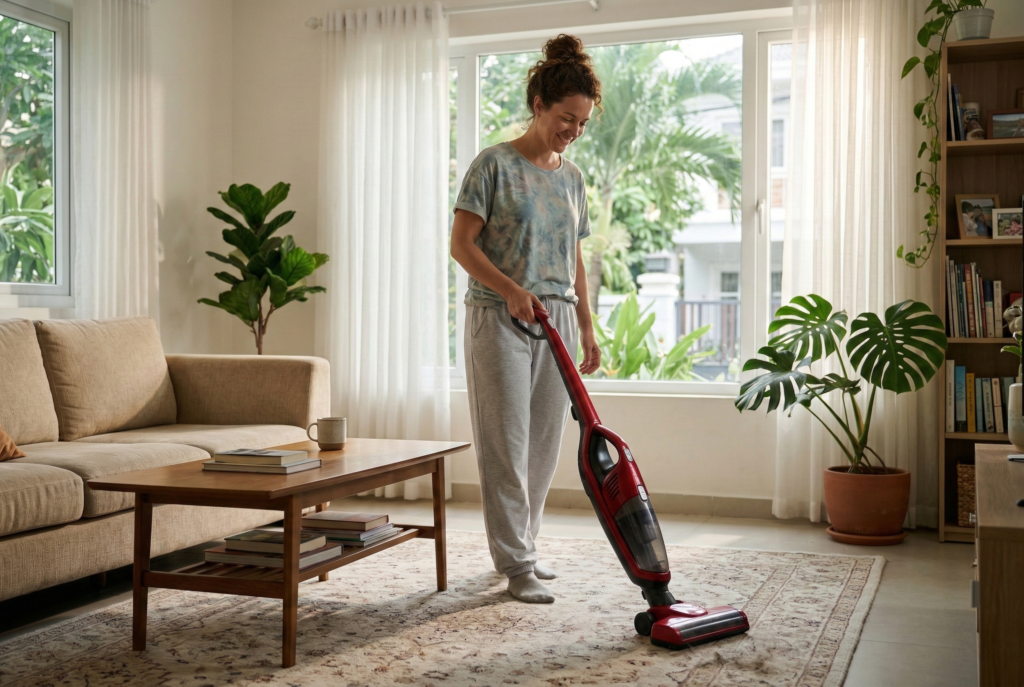
Carpets are prone to trapping dirt, dust, and allergens, making regular cleaning essential for a fresh and healthy home. Start by vacuuming your carpet thoroughly to remove loose dirt, dust, and debris. Use a vacuum cleaner with a HEPA filter to capture smaller particles, which can improve air quality in your home.
Deep Carpet Cleaning
For deep cleaning, a carpet cleaner or steam cleaner is a great tool to use. Hot water extraction, commonly known as steam cleaning, works by using hot water and detergent to lift deep-seated dirt and stains. If you don’t have a steam cleaner, consider renting one or hiring a professional cleaning service.
Spot Cleaning
For stains, use a carpet cleaner or make your own by mixing dish soap with water. Apply the solution to the stain, then blot with a clean cloth. Never rub the stain, as this can push the dirt deeper into the fibers.
Pro tip: Sprinkle baking soda on your carpet before vacuuming to neutralize odors and freshen up the space.
5. Vinyl Floors: Quick and Easy Maintenance
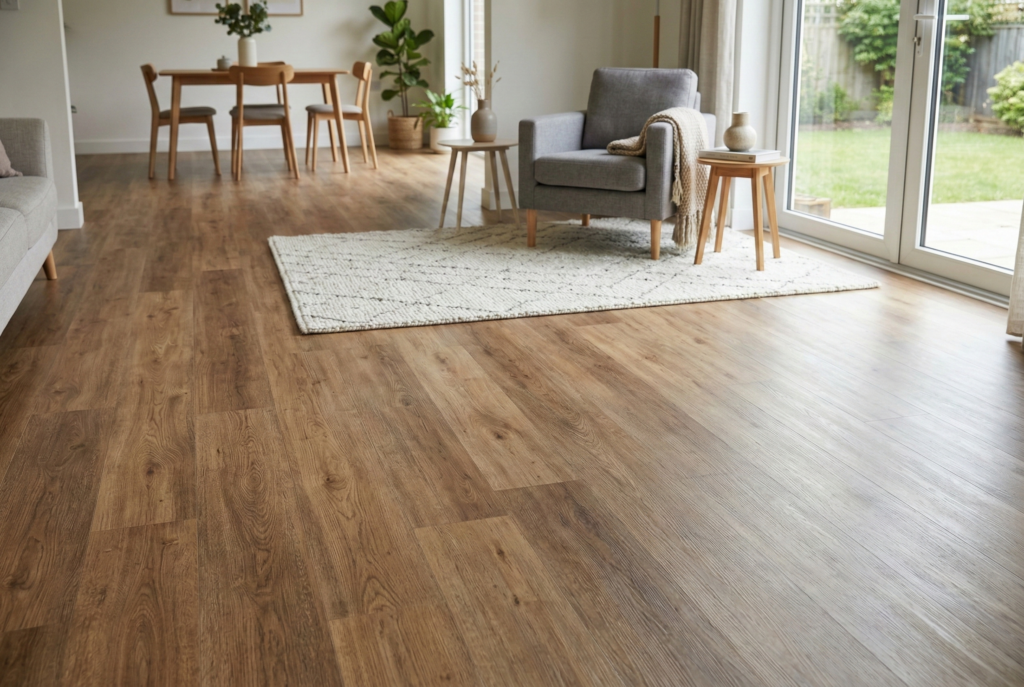
Vinyl floors are durable and easy to maintain, making them perfect for high-traffic areas like kitchens and entryways. To clean vinyl floors, start by sweeping or vacuuming to remove dust and debris. A vacuum with a soft-bristle attachment works best for cleaning vinyl without scratching the surface.
Mopping Vinyl Floors
When mopping, use a vinyl floor cleaner or a mixture of mild dish soap and warm water. Make sure your mop is damp, not wet, as excessive moisture can cause the vinyl to peel or warp over time. After mopping, dry the floor with a microfiber cloth to avoid water spots and keep the surface looking shiny.
6. Eco-Friendly Cleaning Solutions: Sustainable Choices for a Healthier Home
If you’re looking for environmentally friendly cleaning alternatives, there are plenty of options to keep your floors sparkling clean without using harsh chemicals. Many household products, such as vinegar, baking soda, and lemon juice, are not only effective but also safe for the environment.
Eco-Friendly Tips
- Vinegar: A mixture of water and vinegar can be used to clean tile, laminate, and even hardwood floors. It’s effective at removing grime, disinfecting, and neutralizing odors.
- Baking soda: Use to deodorize carpets, clean tiles, and even remove stains on laminate floors.
- Lemon: Great for tackling sticky residue on floors and adding a natural shine to your surfaces.
These eco-friendly products are easy to find and inexpensive, making them a sustainable option for households looking to reduce their environmental impact.
7. Time-Saving Tips for Busy Households
For those with hectic schedules, cleaning your floors doesn’t need to take up all your time. A few simple habits can help you keep your floors looking fresh without spending hours on deep cleaning.
Quick Daily Cleaning
- Vacuum or sweep the floors daily to prevent dust and dirt buildup.
- Spot clean any spills or stains immediately to avoid them becoming permanent.
Use a Robot Vacuum
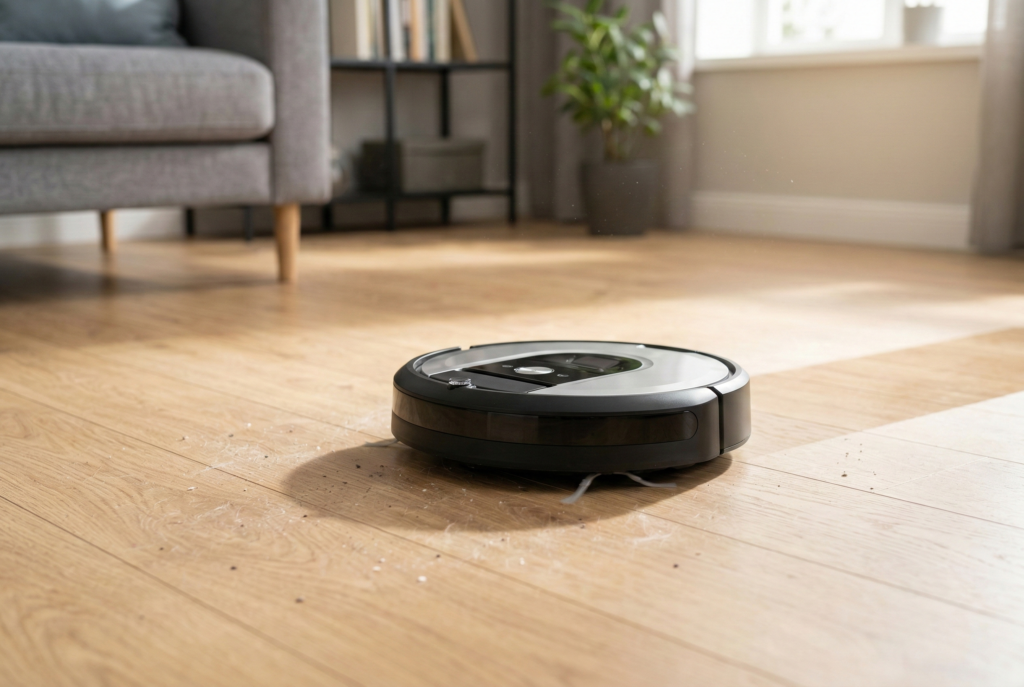
Invest in a robot vacuum to automatically clean your floors while you focus on other tasks. It’s a time-saving solution that ensures your floors stay clean without any extra effort.
Conclusion: A Fresh, Sparkling Floor in No Time
No matter what type of floor you have, cleaning them effectively doesn’t have to be time-consuming. With these simple, actionable tips, you can maintain beautiful floors with minimal effort. Whether you have hardwood, tile, carpet, or vinyl, following the right cleaning methods and using eco-friendly products will help preserve the integrity of your floors and keep them looking fresh.
Remember, regular maintenance is the key to keeping your floors in great shape. With these easy-to-follow tips, your floors will stay sparkling clean, making your home feel fresh and welcoming at all times.