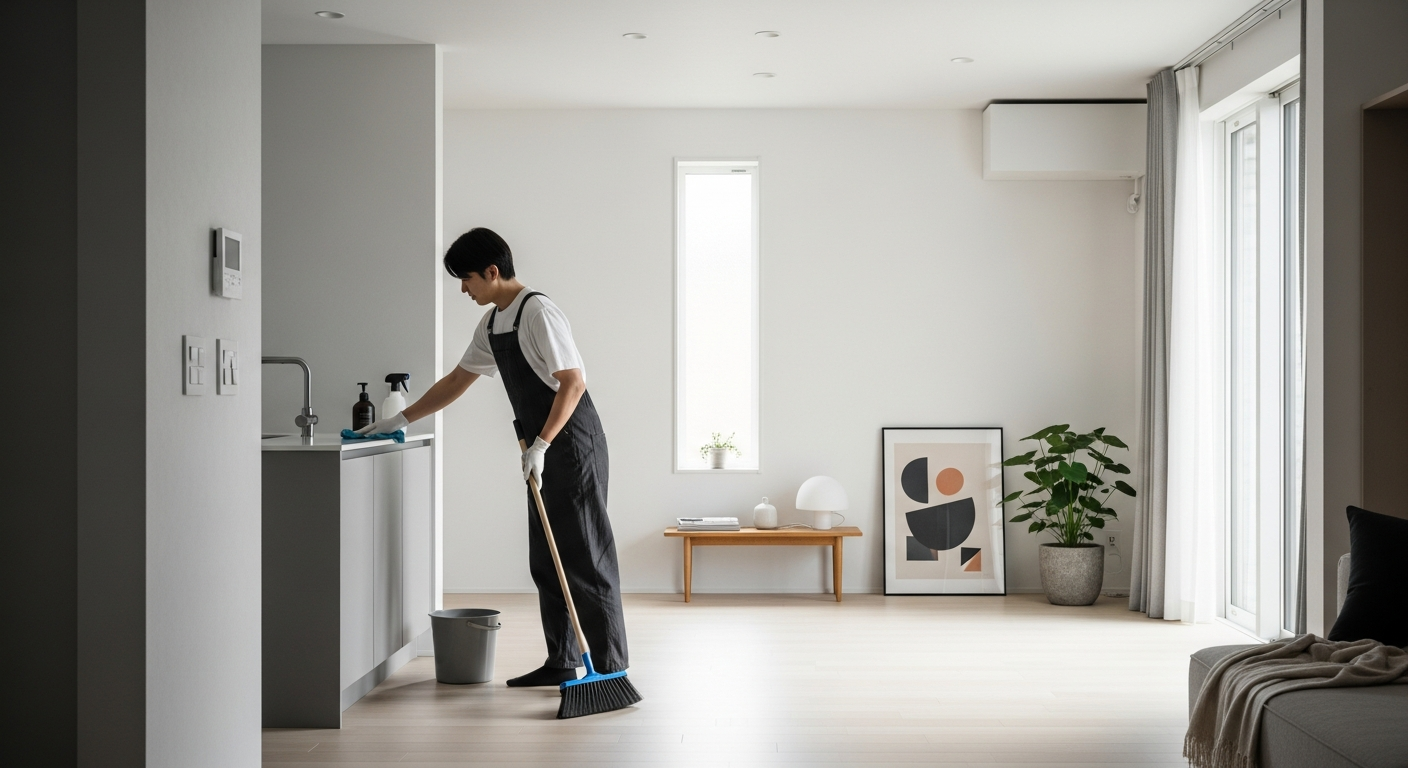
Cleaning is often treated as a task that demands large blocks of time, endless supplies, and a great deal of physical and mental energy. For many people, this leads to a familiar and exhausting cycle. The mess is ignored until it becomes overwhelming, followed by hours of intense cleaning that leave little sense of satisfaction. A minimalist cleaning routine offers a more sustainable and realistic approach to maintaining a clean home.
Rather than focusing on perfection, minimalist cleaning emphasizes intention, consistency, and simplicity. The goal isn’t to maintain a spotless home at all times, but to create a living space that feels calm, functional, and easy to manage without draining your energy. This approach aligns closely with modern lifestyle design and intentional living, where the home supports wellbeing instead of adding stress.
What Does a Minimalist Cleaning Routine Really Mean?
A minimalist cleaning routine is built around the idea that cleaning should support your life, not control it. Instead of rigid schedules or complex systems, it relies on reducing clutter, simplifying processes, and building small habits that naturally fit into daily routines.
Unlike traditional cleaning methods that depend on long weekly or monthly cleaning sessions, minimalist cleaning focuses on short, regular actions. These actions prevent mess from building up in the first place, which ultimately saves time and effort. Over time, cleaning becomes a normal part of daily life rather than a task that requires motivation, preparation, or emotional energy.
Minimalist cleaning isn’t about doing more, but focusing on what matters most and doing it consistently and intentionally.
Step 1: Daily Habits for a Tidy Home
The foundation of any effective minimalist cleaning routine lies in small, consistent daily habits. These habits prevent chaos from accumulating and eliminate the need for exhausting deep cleaning sessions later.

One of the most effective principles is the one touch rule. This means handling items immediately instead of setting them aside. When you finish your morning coffee, wash the mug instead of leaving it in the sink. When you enter your home, put keys and bags back in their designated place instead of dropping them on the nearest surface. These small decisions significantly reduce visual clutter and cleaning time.
According to research published by the American Cleaning Institute, nearly ninety percent of people associate cleaning with improved wellbeing. This suggests that consistent daily habits support not only physical cleanliness but also mental clarity and emotional balance.
Focusing on high impact areas also makes daily cleaning more efficient. Making the bed, clearing kitchen counters, and managing entryway clutter create an immediate sense of order. Even when other areas of the home are less organized, these zones make the entire space feel calmer and more put together. Consistency is far more important than intensity. Five minutes of daily maintenance prevents hours of weekend cleaning and preserves your energy throughout the week.

Step 2: Weekly Deep Cleaning Tasks
While daily habits handle surface level maintenance, a minimalist cleaning routine still requires weekly attention to areas that naturally accumulate dirt and grime. The key is to be strategic rather than exhaustive.
Weekly cleaning should focus on areas that affect hygiene and comfort the most, such as bathrooms, kitchen surfaces, and floors in main living areas. Instead of cleaning the entire home in one session, spreading tasks across the week keeps each session manageable and sustainable.
Studies show that many people spend close to an hour each day on household tasks. However, when weekly cleaning is done intentionally, daily maintenance becomes faster and easier. Addressing buildup early prevents stains, odors, and clutter from becoming harder to remove over time.
Efficiency also improves when similar tasks are grouped together. Cleaning multiple surfaces with the same supplies creates momentum and reduces mental fatigue. This approach simplifies decision making and makes weekly cleaning feel less demanding.
Step 3: Monthly Organization and Decluttering
Monthly organization sessions are a critical part of long term minimalist cleaning success. Without regular decluttering, even the best cleaning routine will eventually become overwhelming.
Research indicates that the average household contains hundreds of thousands of items. This volume of possessions creates constant visual noise and significantly increases cleaning time. Monthly decluttering prevents accumulation and keeps cleaning simple.
These sessions should focus on areas that tend to collect unused items, such as closets, kitchen cabinets, pantries, and storage spaces. Evaluating whether items are regularly used, genuinely valued, or necessary helps maintain intentional living spaces.
Scheduling decluttering during natural transitions makes the process easier. Seasonal wardrobe changes or post holiday resets provide ideal opportunities to reassess possessions. Even a focused one to two hour session each month can dramatically reduce clutter and simplify daily cleaning routines. Consistency in monthly organization prevents the need for major overhauls that often derail minimalist systems entirely.

Minimalist Cleaning Supplies and Tools
A minimalist cleaning routine is incomplete without simplifying cleaning supplies. Many homes rely on dozens of specialized products that complicate cleaning rather than improving results.
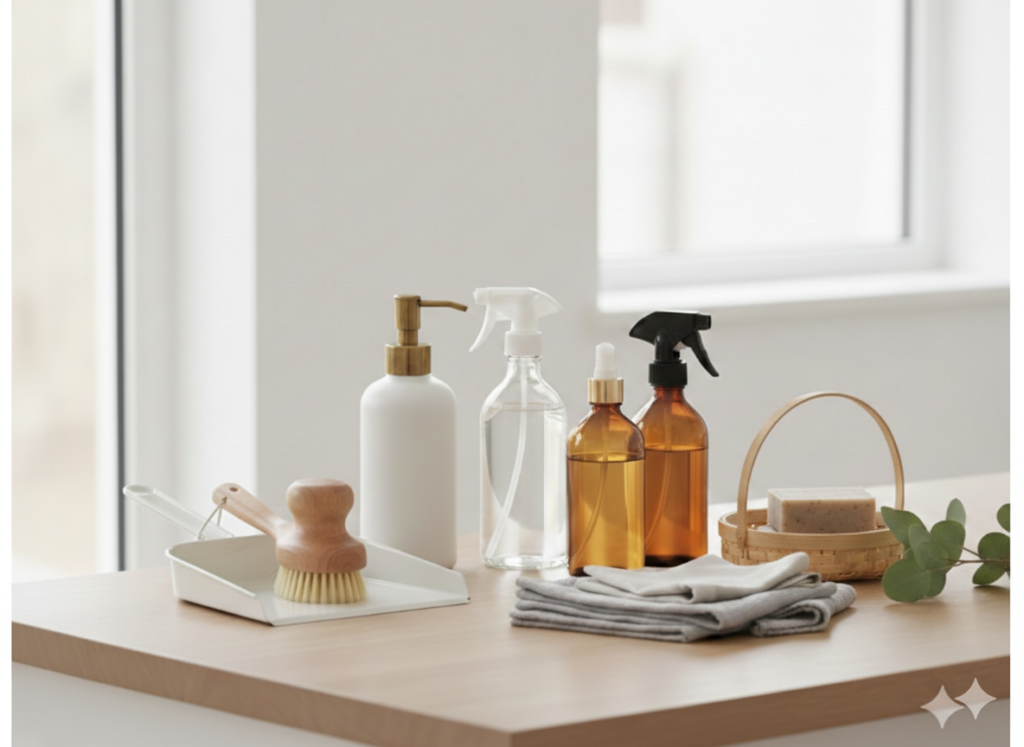
In reality, most homes can stay clean and functional with a small set of essential tools, such as:
- A general purpose cleaner
- Microfiber cloths
- Dish soap
- A reliable vacuum or broom
Reducing the number of cleaning products saves time, lowers household expenses, and minimizes exposure to unnecessary chemicals. Fewer supplies also mean fewer decisions, which helps reduce mental fatigue.
When cleaning tools are familiar, easy to access, and used consistently, cleaning feels less like a chore and more like a natural daily habit that supports a calm, manageable home.
How Minimalist Cleaning Supports Mental Wellbeing
A clean and uncluttered environment plays a powerful role in mental health. Research consistently links cluttered spaces to increased stress, anxiety, and difficulty concentrating. Minimalist cleaning routines create predictability and control. Knowing that your home is maintained through small daily actions reduces background stress and mental load. Many people report improved sleep, better focus, and a stronger sense of calm when their living space feels manageable.
When cleaning is approached intentionally, it becomes a form of self care rather than a source of pressure or guilt.
Common Mistakes That Undermine Minimalist Cleaning
One common mistake is striving for unrealistic standards. Minimalist cleaning isn’t about aesthetic perfection or social media ready homes. It’s about functionality and comfort.
Another mistake is attempting to clean everything at once. This approach often leads to burnout and abandonment of routines. Minimalist cleaning thrives on flexibility and forgiveness. Buying organizers before decluttering can also backfire. Organization works best when it supports simplicity rather than adding more items to manage.
Final Thoughts: Building a Sustainable Minimalist Cleaning Routine

A minimalist cleaning routine offers a practical and sustainable way to maintain a clean home without sacrificing time, energy, or mental wellbeing. By shifting the focus from perfection to consistency and intention, cleaning becomes easier to manage and far less overwhelming. Small daily habits, supported by simple weekly and monthly routines, help prevent clutter and reduce the need for exhausting deep cleaning sessions.
Minimalist cleaning also supports a more intentional lifestyle. When your home is organized and functional, it naturally creates a calmer environment that promotes focus, emotional balance, and long-term wellbeing. Simplifying cleaning supplies, reducing unnecessary possessions, and prioritizing high-impact areas all contribute to a system that works with your life instead of against it.
Related Articles
10 Speed Cleaning Techniques: Quick, Time-Saving Tips for Fast, Efficient Home Cleaning on Busy Days