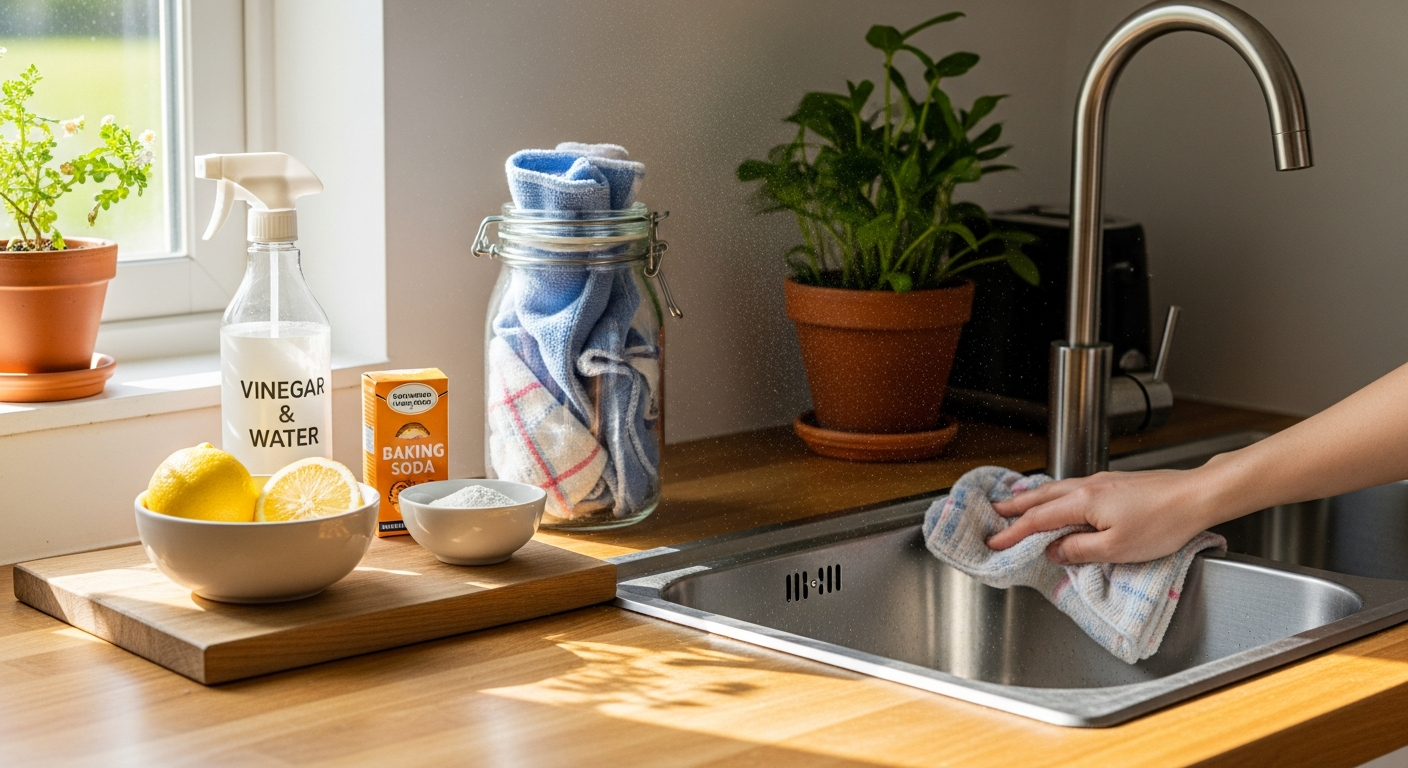
Keeping a home clean should support health and wellbeing, not compromise it. However, many conventional cleaning products contain harsh chemicals that negatively affect indoor air quality, skin health, and long term environmental safety. As awareness grows, more households are turning to non toxic cleaning methods to create a safer and healthier home environment.
Non toxic cleaning focuses on using gentle ingredients, mindful practices, and simple routines that effectively remove dirt and bacteria without exposing people or pets to unnecessary risks. This approach is not only safer but also more sustainable and accessible for everyday living.
Essential Ingredients for Non Toxic Cleaning
The foundation of safe household cleaning lies in understanding which ingredients deliver powerful results without compromising your family’s health. Natural cleaning agents can effectively remove dirt, bacteria, and buildup when used correctly, offering a safer alternative to harsh chemical products.
White vinegar is widely recognized as a cornerstone of natural cleaning solutions. Thanks to its acetic acid content, it provides antimicrobial properties that help eliminate bacteria while dissolving mineral deposits. Vinegar is particularly effective against soap scum and hard water stains commonly found in kitchens and bathrooms.
Baking soda functions as a gentle, non abrasive cleaner that scrubs away stubborn grime while neutralizing odors. When combined with citric acid from lemons, it produces a natural effervescent reaction that breaks down grease and lifts stains without damaging surfaces.
Several natural ingredients are commonly used to build effective, non toxic cleaning solutions, including:
- White vinegar for disinfecting and mineral buildup removal
- Baking soda for gentle scrubbing and odor control
- Citric acid from lemons for grease cutting and stain removal
- Essential oils such as tea tree, lavender, and eucalyptus for antimicrobial benefits and natural fragrance
- Castile soap, made from plant oils, as a biodegradable alternative to synthetic detergents
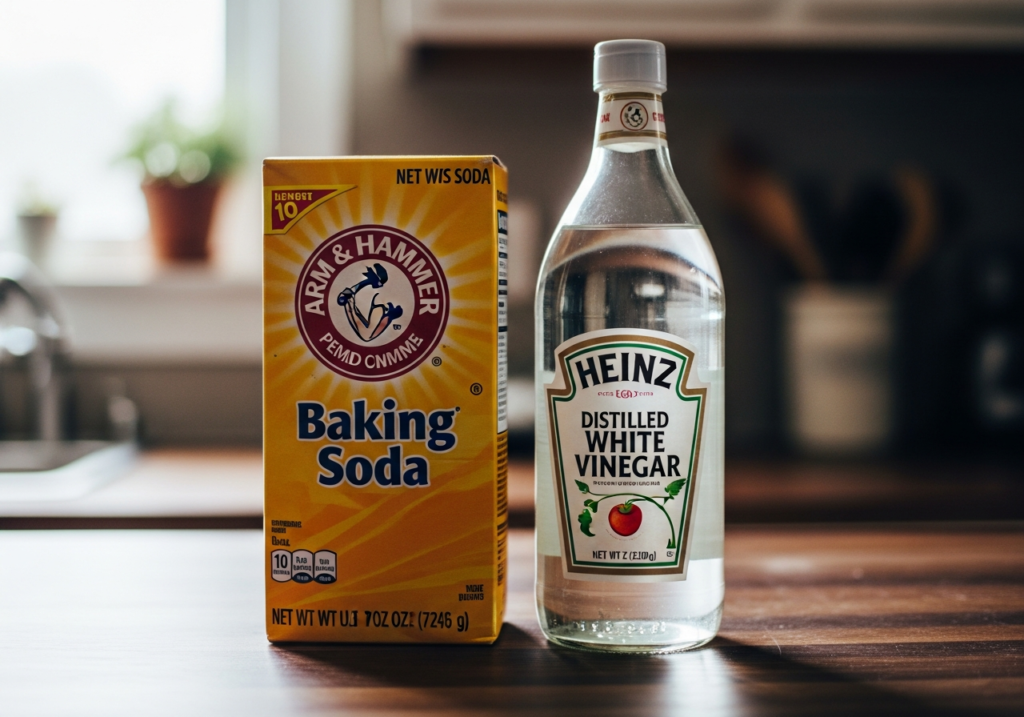
Essential oils not only contribute pleasant scents but also enhance cleaning performance through their antimicrobial properties. Castile soap effectively cuts through grease while remaining gentle on surfaces and skin. Research shows that environmentally preferable cleaning products can achieve comparable effectiveness to conventional cleaners when properly formulated with these natural ingredients. Proper dilution ratios remain essential to ensure both safety and optimal performance.
Together, these foundational ingredients form the basis of comprehensive, healthy cleaning solutions that can be safely used throughout the home.
Effective Non-Toxic Cleaning Methods for Everyday Use
The shift toward eco-friendly cleaning requires strategic implementation of proven methods that deliver results without compromising safety. Research demonstrates that plant-based surfactants and natural antimicrobials can achieve comparable cleaning effectiveness to conventional products when applied correctly.
Surface-specific approaches maximize cleaning power while minimizing chemical exposure. For countertops and hard surfaces, combining white vinegar with castile soap creates an effective degreasing solution. Glass surfaces respond well to a simple mixture of water and white vinegar, eliminating streaks without ammonia-based formulations.
Heat activation significantly enhances the cleaning power of natural ingredients. Warm water increases the solubility of plant-based cleaners, while steam cleaning eliminates 99.9% of bacteria and viruses using only water vapor. This thermal approach proves particularly effective for sanitizing carpets, upholstery, and bathroom fixtures.
The microfiber advantage can’t be overstated, these synthetic cloths physically remove dirt and bacteria through mechanical action rather than chemical dissolution. When paired with minimal amounts of natural cleaners, microfiber cloths reduce the need for harsh chemicals while improving cleaning efficiency.
However, natural cleaning methods require patience and proper technique, as they often work more gradually than their chemical counterparts.
Comparing Non-Toxic vs. Conventional Cleaning Products
The fundamental differences between non-toxic and conventional cleaners extend beyond simple ingredient lists to encompass performance, safety profiles, and environmental impact.
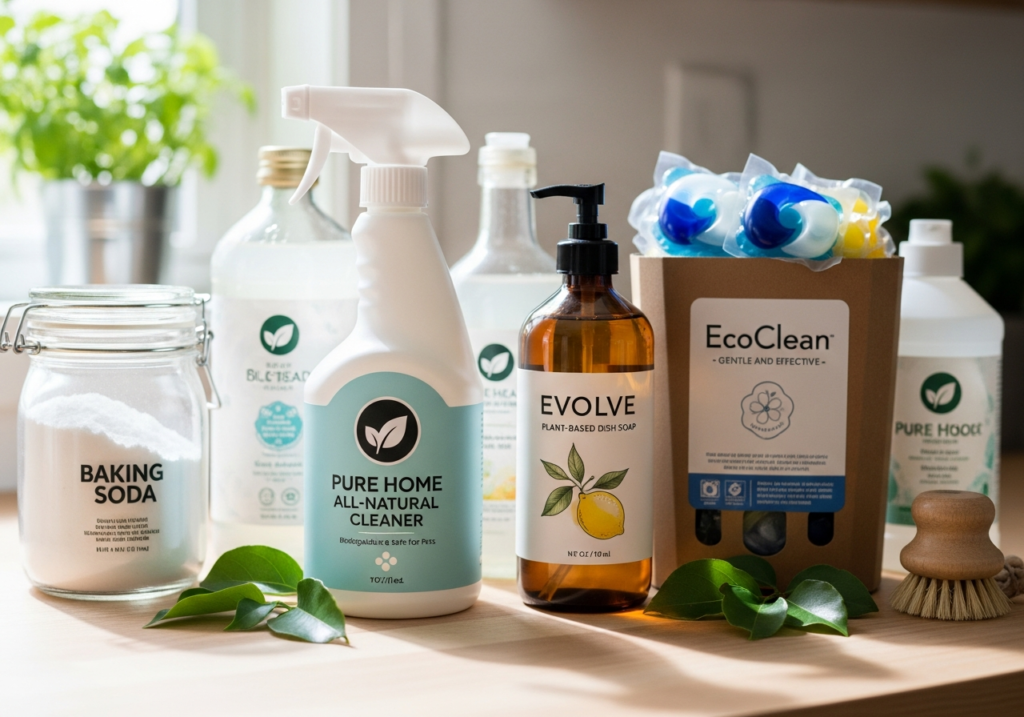
Conventional products typically rely on synthetic chemicals like ammonia, chlorine bleach, and skin sensitization. Non-toxic alternatives demonstrate comparable cleaning effectiveness through different mechanisms. Research indicates that plant-based surfactants and essential oils can achieve similar bacterial reduction rates while eliminating volatile organic compound emissions that compromise indoor air quality.
The cost comparison reveals interesting dynamics, while safe home cleaning products often carry higher upfront prices, their concentrated formulations and multi-purpose applications frequently deliver better value per use. Additionally, conventional cleaners may require ventilation and protective equipment, adding hidden costs to their implementation.
Performance consistency varies between categories. Conventional cleaners excel in heavy-duty degreasing and rapid disinfection scenarios, while non-toxic options shine in routine maintenance cleaning and sensitive environments like nurseries or homes with respiratory concerns.
Health and Environmental Benefits of Non-toxic Cleaning Methods
Non-toxic cleaning methods help reduce daily exposure to harsh chemicals commonly found in conventional cleaning products. By using safer alternatives, households can protect their health while maintaining a clean and comfortable living environment.
1. Better physical health and indoor air quality
Non-toxic cleaners are less likely to cause skin irritation, breathing issues, or allergic reactions. They also help improve indoor air quality by reducing chemical fumes, making them safer for children, pets, and people with sensitivities.
2. Improved mental well-being at home
Cleaning with gentle, non-toxic products creates a calmer home atmosphere. Without strong chemical smells, daily cleaning feels less stressful and more supportive of overall well-being.

3. Reduced environmental impact
Non-toxic cleaning methods use biodegradable ingredients that are safer for water systems and ecosystems. Choosing these products supports sustainable living and reduces long-term environmental pollution.
Conclusion
Non toxic cleaning methods offer a practical and effective way to create a safer home environment. By reducing exposure to harmful chemicals, improving indoor air quality, and supporting sustainable practices, this approach benefits both health and the environment.
Cleanliness doesn’t need to come at the cost of wellbeing. With thoughtful choices, simple ingredients, and consistent habits, any home can be maintained safely and responsibly. Non toxic cleaning isn’t a trend. It’s a long term investment in healthier living and a more balanced home environment.
Related Articles
Healthy Home Cleaning Practices for Better Physical and Mental Well Being