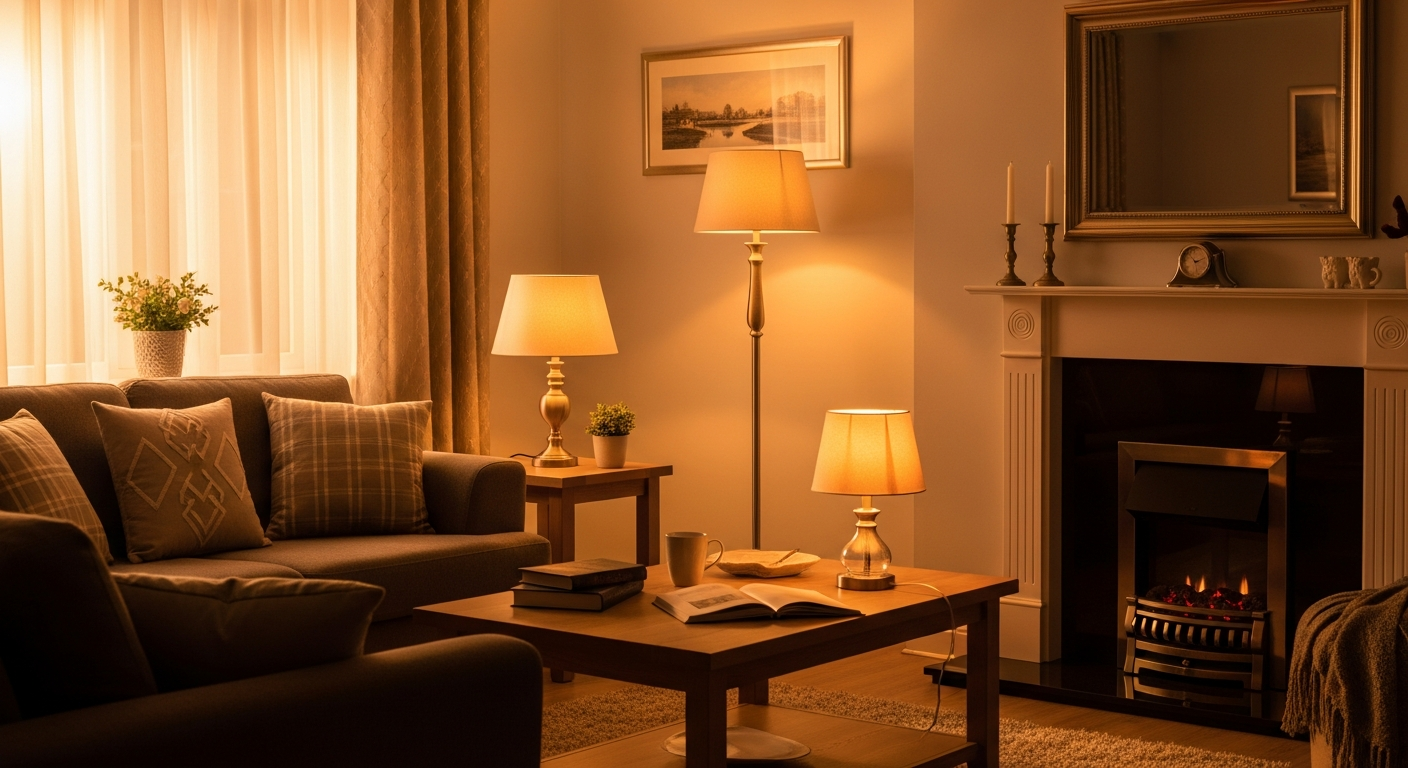
Lighting is one of the most influential yet often underestimated elements of interior design. In homes, lighting does more than illuminate rooms. It shapes mood, defines space, and influences how comfortable and functional a home feels throughout the day.
As lifestyles evolve and homes serve multiple purposes, creative lighting design has become essential. Thoughtfully chosen lighting can make small spaces feel larger, enhance emotional wellbeing, and support daily activities without major renovations.
The Role of Lighting in Mood and Spatial Perception
Lighting affects how people experience their surroundings on both a visual and emotional level. Warm light promotes relaxation, while brighter, cooler tones support focus and productivity. Direction, intensity, and placement all influence how a room feels.
For households balancing work, family, and personal time, lighting needs to adapt to different moments of the day. Creative lighting ideas focus on flexibility, comfort, and intentional design rather than one size fits all solutions.
1. Layered Lighting for Balanced Ambience
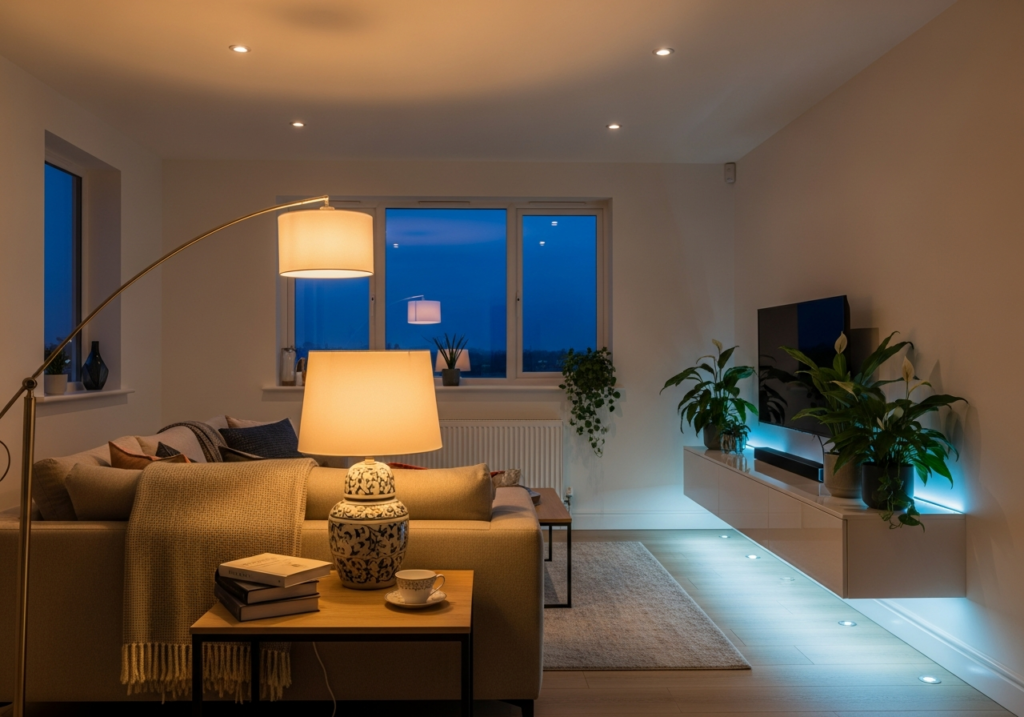
Layered lighting combines ambient, task, and accent lighting to create depth and versatility. Ambient lighting provides overall illumination, task lighting supports specific activities, and accent lighting highlights architectural or decorative features.
Using multiple light sources instead of relying on a single ceiling fixture helps rooms feel more inviting and dynamic. This approach is especially effective in open plan living areas common in American homes. Layered lighting allows homeowners to adjust mood easily without changing the space itself.
2. Statement Pendant Lights as Visual Anchors
Pendant lights serve both functional and aesthetic purposes. Placed above dining tables, kitchen islands, or entryways, they act as visual anchors that define space. Creative pendant designs add personality and structure without overwhelming the room. When chosen thoughtfully, they draw the eye upward and create a sense of intentionality.
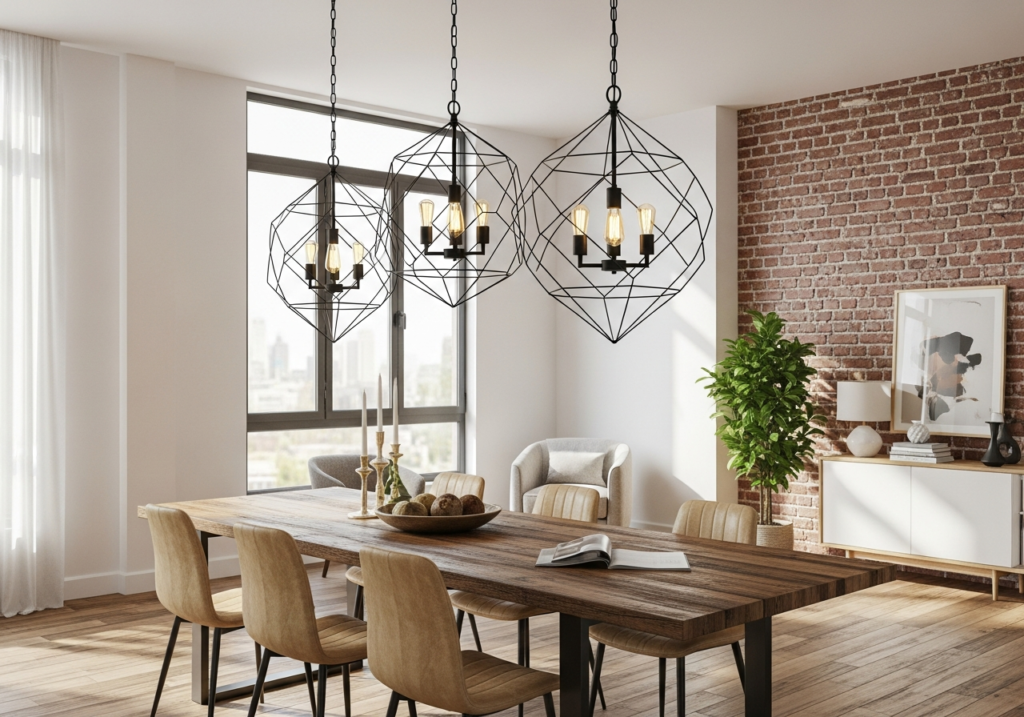
For many American interiors, statement pendants replace traditional chandeliers with a more modern and approachable feel.
3. Wall Sconces for Soft and Directed Light
Wall sconces provide gentle illumination without taking up floor or surface space. They work well in hallways, bedrooms, and living areas where softer lighting enhances comfort. Mounted at eye level, wall sconces reduce harsh shadows and create a calm atmosphere. They’re particularly effective in bedrooms where relaxation is a priority. This type of lighting also adds architectural interest, making walls feel more dimensional.
4. Floor and Table Lamps for Flexible Comfort
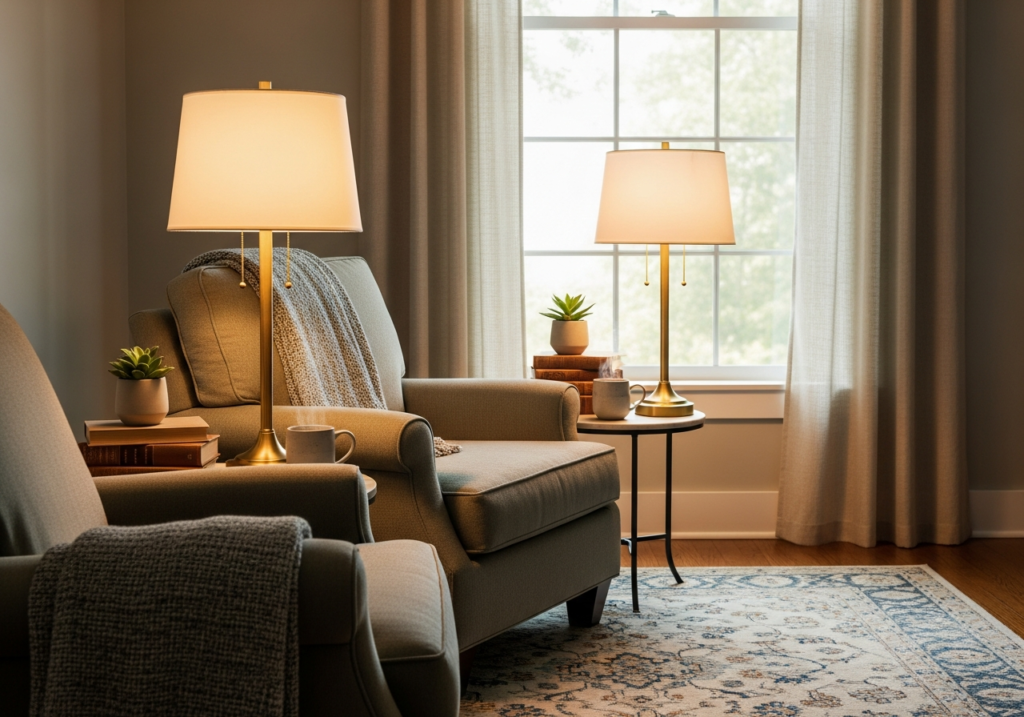
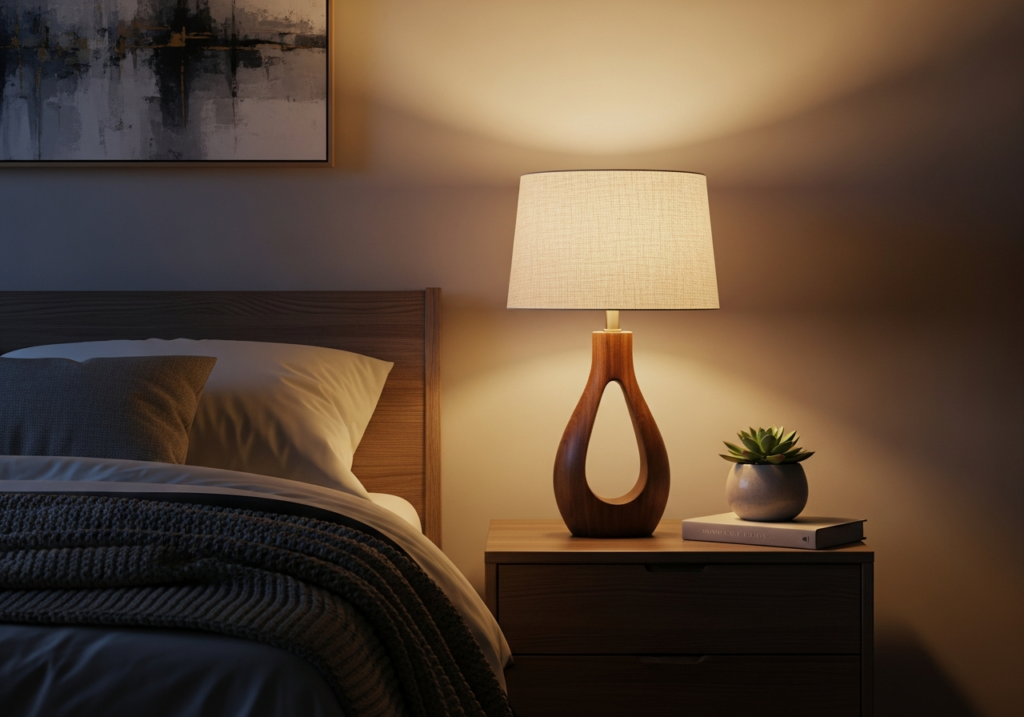
Floor and table lamps offer flexibility and warmth. They can be moved or adjusted as needs change, making them ideal for evolving spaces. In reading corners, living rooms, or home offices, lamps create localized comfort zones. They help separate functions within shared rooms, supporting both productivity and rest. For renters or those seeking non permanent solutions, lamps provide impactful lighting updates without installation.
5. Under Cabinet Lighting to Enhance Functionality
Under cabinet lighting improves visibility and adds a polished look to kitchens and bathrooms. By illuminating work surfaces directly, it reduces eye strain and enhances safety. This lighting technique also creates a layered effect that elevates the overall design. Soft, indirect light under cabinets adds warmth during evenings when full lighting feels too intense. In American homes where kitchens are central gathering spaces, under cabinet lighting balances practicality and ambiance.
6. Accent Lighting to Highlight Design Features
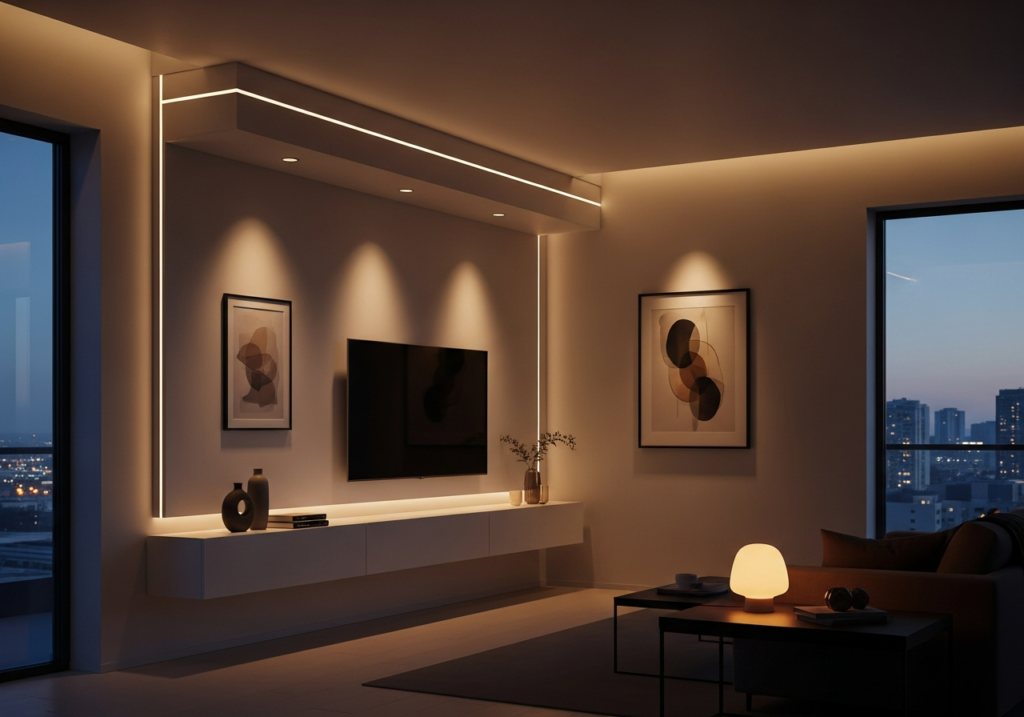
Accent lighting draws attention to artwork, shelving, architectural details, or textured walls. It adds drama and visual interest without overwhelming the space. Spotlights, picture lights, or subtle LED strips allow homeowners to curate focal points. This approach enhances depth and makes rooms feel more intentional and designed. Accent lighting supports emotional engagement with the space by highlighting what matters most to the homeowner.
7. Dimmable Lighting for Mood Control
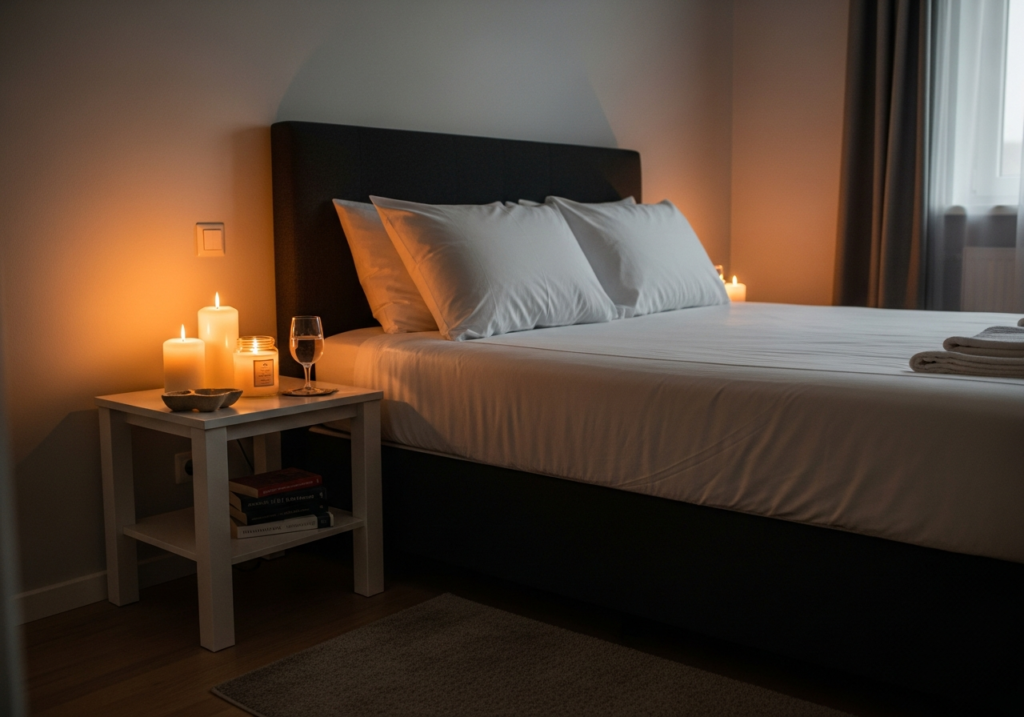
Dimmable lighting offers control over brightness levels, making it easier to transition between activities. Brighter light supports tasks, while lower levels encourage relaxation. Installing dimmers allows one space to serve multiple functions throughout the day. Living rooms can shift from social gatherings to quiet evenings with ease. For many households seeking adaptable environments, dimmable lighting supports comfort without complexity.
8. Natural Light Enhancement Through Reflective Design
Creative lighting design also considers how to maximize natural light. Mirrors, reflective surfaces, and light colored finishes help distribute daylight more effectively. By amplifying natural light, rooms feel more open and energized during daytime hours. This reduces reliance on artificial lighting and supports a healthier daily rhythm. Thoughtful placement of mirrors near windows enhances brightness while maintaining visual balance.
9. Smart Lighting for Personalized Experiences
Smart lighting systems allow homeowners to customize color temperature, brightness, and scheduling. These systems support daily routines by adjusting lighting automatically based on time or activity.
For example, warmer tones in the evening promote relaxation, while cooler tones during work hours enhance focus. Smart lighting integrates seamlessly into modern homes focused on comfort and efficiency. Personalized lighting experiences contribute to emotional wellbeing and energy awareness.
10. Decorative Lighting for Character and Warmth
Decorative lighting elements such as string lights, lanterns, or sculptural fixtures add charm and personality. These lights are often less about illumination and more about atmosphere. Used sparingly, decorative lighting creates warmth and visual interest. It softens formal spaces and makes homes feel lived in and welcoming. This approach is especially popular in bedrooms, patios, and casual living areas.
Conclusion
Creative lighting transforms home interiors by shaping mood, enhancing space, and supporting everyday life. Through layered approaches, thoughtful placement, and adaptable solutions, lighting becomes an active design element rather than an afterthought.
For every household, effective lighting design balances beauty with function. When lighting responds to daily routines and emotional needs, homes feel more comfortable, flexible, and inviting. By investing in creative lighting ideas, homeowners can elevate their interiors and create spaces that truly support how they live.