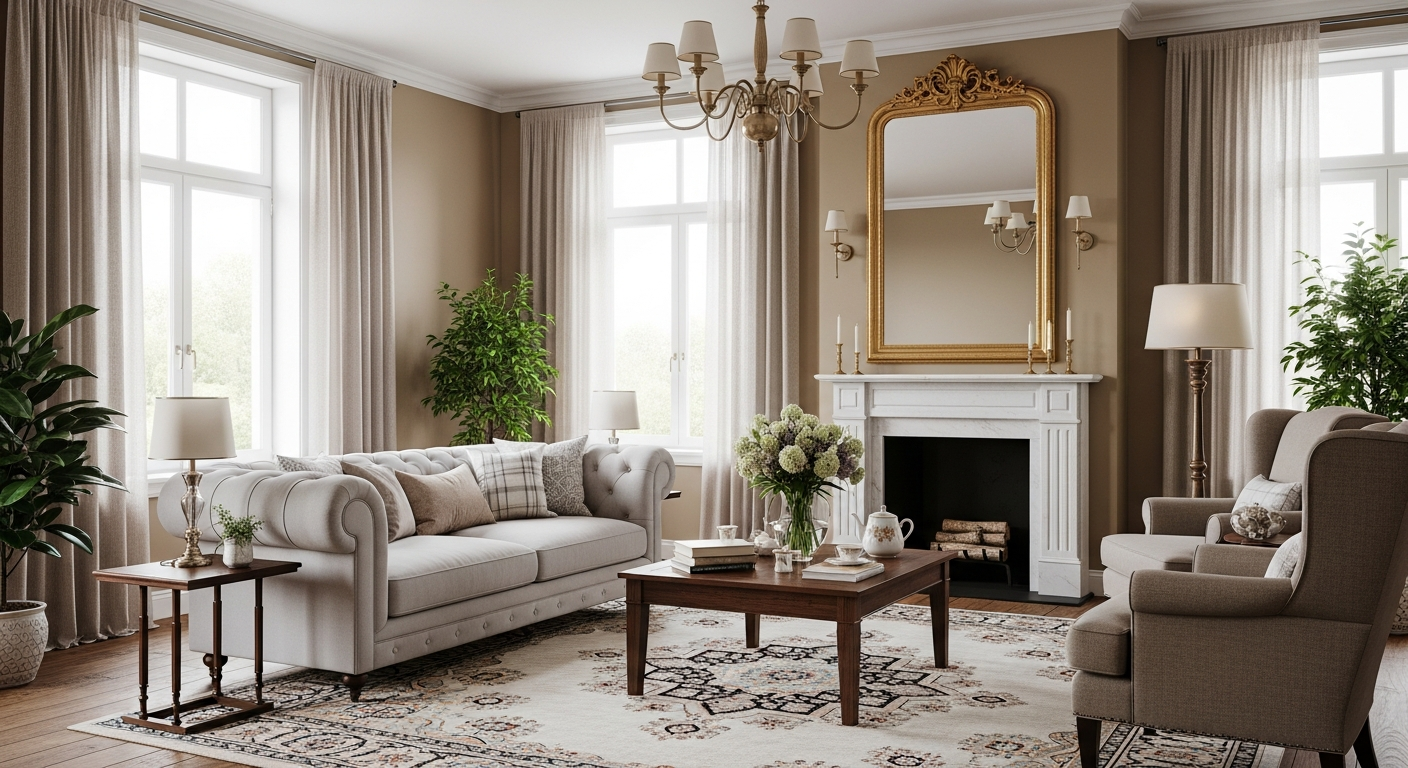
Interior design trends change every quickly, but timeless design remains relevant across decades. For many homeowners, creating a space that looks refined today and still feels right years from now is a practical and emotional goal.
Timeless interiors focus on balance, quality, and thoughtful choices rather than short lived trends. These principles support long term comfort, visual harmony, and stronger home value over time.
Introduction: Why Timeless Design Matters
Timeless interior design matters because it prioritizes longevity over novelty. In the United States, homeowners often invest significantly in their living spaces, expecting them to adapt to different life stages without constant renovation. A timeless interior reduces the need for frequent updates, supports sustainability through durability, and creates a sense of calm and familiarity.
Rather than chasing seasonal styles, timeless design relies on foundational elements that consistently work well together. These elements feel comfortable, visually balanced, and adaptable to personal tastes as they evolve.
1. Neutral Color Palettes
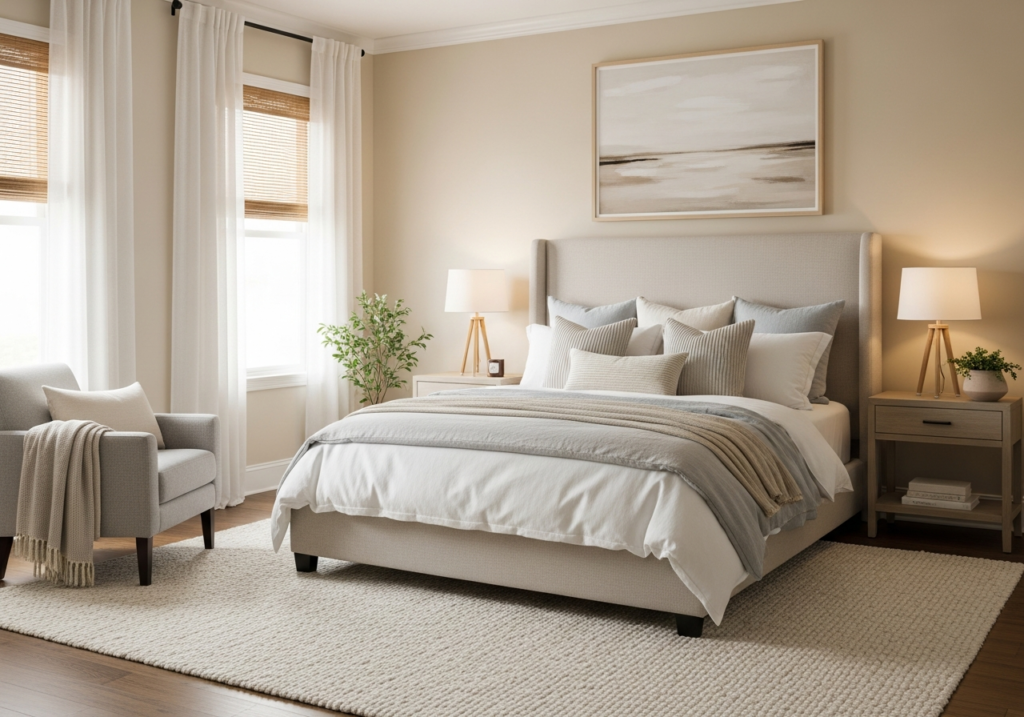
Neutral color palettes form the backbone of timeless interiors. Shades like white, beige, soft gray, and warm taupe provide flexibility and visual stability. In homes, neutral walls allow furniture, artwork, and textiles to change without disrupting the overall aesthetic.
Neutrals also respond well to natural and artificial lighting, making spaces feel open and inviting. They’re especially effective in living rooms, bedrooms, and open plan homes where visual continuity is important.
2. High Quality Furniture
High quality furniture never goes out of style. Solid construction, durable materials, and thoughtful proportions define pieces that last for decades. Many homeowners value furniture that can be repaired, reupholstered, or passed down rather than replaced.
Classic silhouettes such as well tailored sofas, sturdy dining tables, and comfortable armchairs remain relevant because they prioritize function and comfort alongside appearance. Investing in quality furniture supports both long term use and overall design consistency.
3. Symmetry in Design
Symmetry creates visual order and balance, which are key elements of timeless interiors. In traditional interior design, symmetrical layouts are commonly used in living rooms, bedrooms, and formal dining areas to create a sense of order and visual balance.
Matching lamps, balanced furniture arrangements, and evenly spaced architectural features help spaces feel intentional and calm. While perfect symmetry isn’t always necessary, a sense of visual equilibrium contributes to a space that feels settled and enduring.
4. Natural Materials
Natural materials bring authenticity and warmth into interior spaces. Wood, stone, leather, and natural fibers have been used in American homes for generations because they’re durable and visually grounding.
These materials age gracefully, developing character over time rather than looking worn out. Incorporating natural materials also aligns with growing interest in sustainability and healthier indoor environments.
5. Modern Classic Interior Design
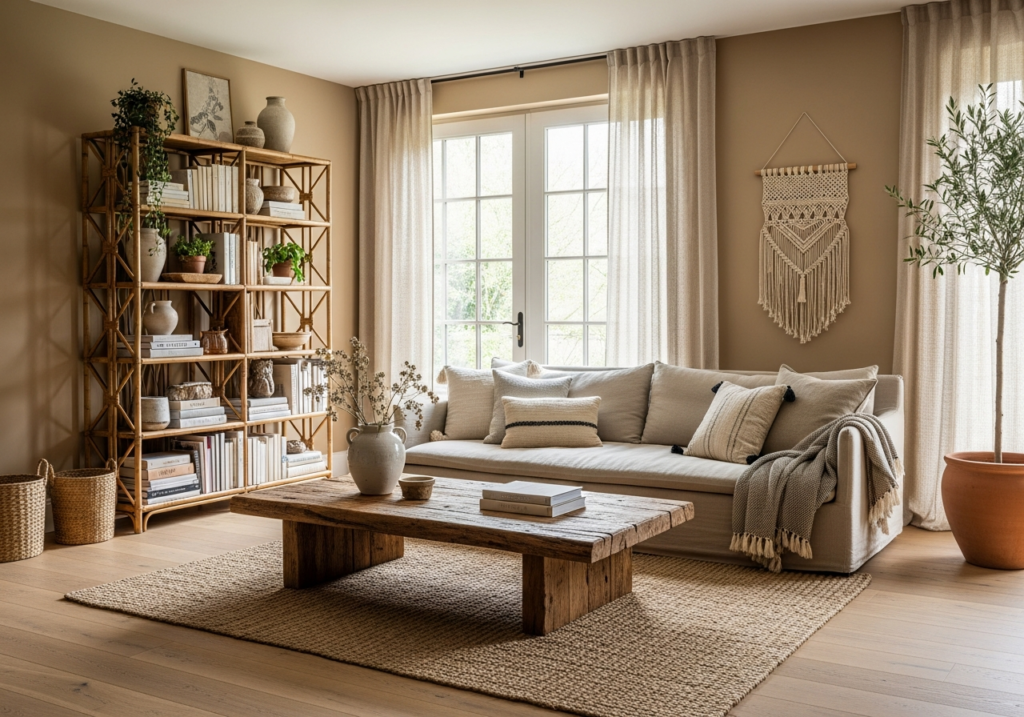
Modern classic interior design blends traditional elements with contemporary simplicity. This style resonates strongly with American homeowners who want elegance without heaviness.
Clean lined furniture paired with classic finishes, restrained ornamentation, and neutral colors define this approach. The result is a space that feels current yet rooted in familiar design language, allowing it to remain stylish over time.
6. Architectural Details
Architectural details add depth and character that transcend trends. Crown molding, wainscoting, built in shelving, and detailed trim are common features in timeless American homes.
These elements enhance visual interest without relying on decorative accessories. When thoughtfully integrated, architectural details elevate a space and create a strong foundation for any interior style.
7. Classic Patterns
Certain patterns have endured for centuries. Stripes, plaids, herringbone, and subtle florals continue to appear in timeless interiors because they’re visually balanced and versatile.
In many homes, classic patterns often show up in rugs, upholstery, and window treatments. Used in moderation, they add texture and personality while remaining easy to live with long term.
8. Quality Lighting
Lighting plays a critical role in timeless interior design. Layered lighting that combines ambient, task, and accent sources creates adaptable and comfortable environments.

Classic lighting fixtures such as chandeliers, table lamps, and wall sconces remain popular in interiors because they provide both function and atmosphere. Well designed lighting enhances architectural features and supports daily living needs.
9. Functional Storage
Functional storage is essential for a timeless home. Clutter free spaces feel more intentional and easier to maintain over time.
Built in cabinetry, closets, and multi purpose furniture help American households manage everyday items without sacrificing aesthetics. When storage solutions are integrated seamlessly, they support long term livability and visual calm.
10. A Mix of Antique and New
Blending antique and new elements creates depth and individuality. In contemporary interiors, this mix reflects personal history and evolving taste.
Antique pieces bring craftsmanship and character, while modern elements provide comfort and efficiency. Together, they prevent a space from feeling dated or overly trendy, supporting a balanced and timeless look.
11. Personalized Artwork
Personalized artwork adds meaning to interior spaces. Rather than following current art trends, timeless homes display pieces that reflect personal stories, values, and experiences.
In many households, artwork often includes family photographs, original pieces, or curated collections built over time. This approach ensures the space feels authentic and emotionally connected rather than styled for short term appeal.
12. Timeless Flooring Choices
Flooring is one of the most permanent design decisions in a home. Timeless flooring options such as hardwood, natural stone, and high quality tile continue to perform well both visually and functionally.
In the United States, hardwood floors remain especially popular due to their durability and ability to complement various design styles. Neutral tones and classic finishes ensure flooring remains relevant even as other elements change.
Conclusion
Timeless interior design focuses on thoughtful choices that support longevity, comfort, and visual harmony. For homeowners, these principles offer a reliable framework for creating spaces that feel elegant today and remain meaningful for years to come.
By prioritizing quality, balance, and personal expression, timeless design reduces the pressure to constantly update and allows homes to evolve naturally. These ideas form a strong foundation for interiors that truly never go out of style.