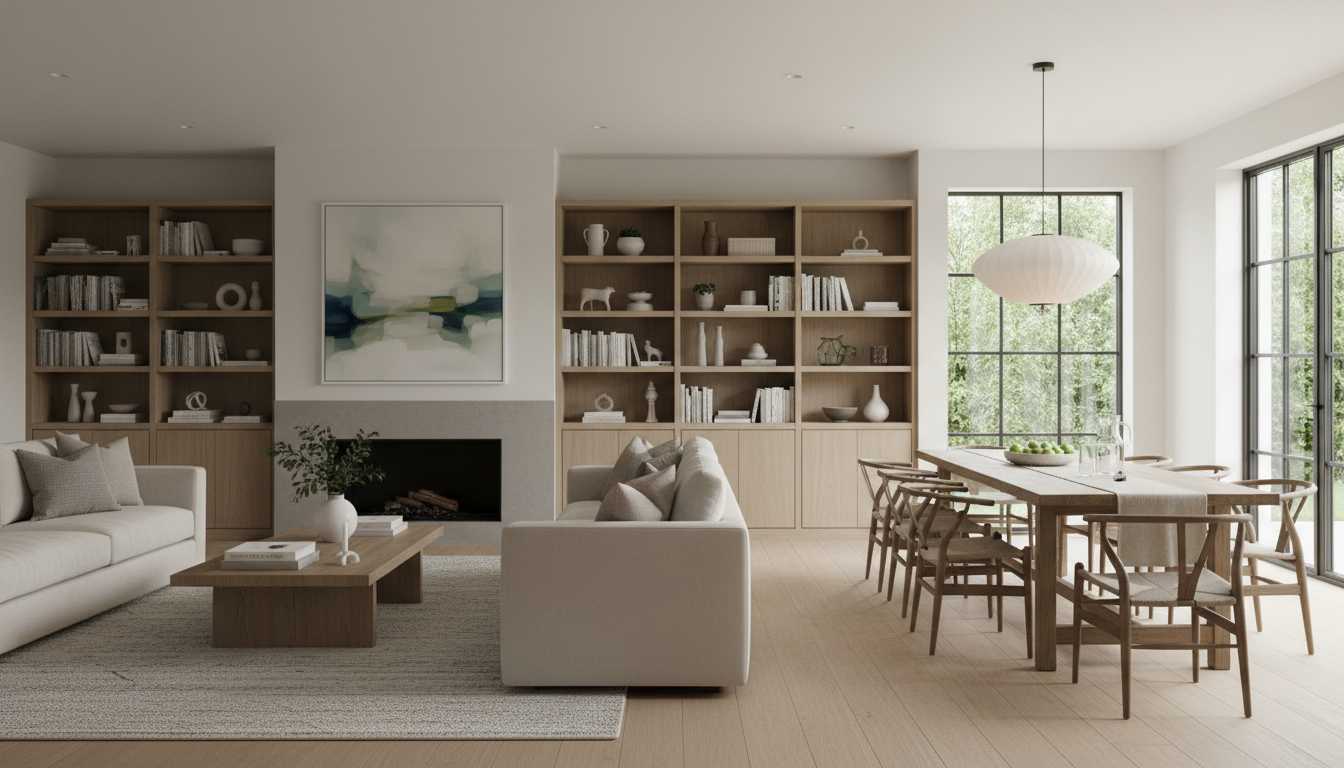
Some homes look beautiful but still feel tense. You walk in, drop your bag, and instead of relaxing, your shoulders tighten. That feeling is more common than most people admit. It’s time to try building a calm, organized home aesthetic. It isn’t about perfection or trends; it’s about how your space supports your nervous system, your routines, and the people living in it. When design choices work with real life instead of against it, stress naturally drops. This guide focuses on practical, realistic design tips you can actually use, whether you rent or own, live alone or with family, have five minutes or a free weekend.
Why a Calm, Organized Home Matters More Than Ever
Modern life is noisy, with notifications, packed schedules, cluttered calendars, and often cluttered rooms to match. Research consistently shows that visually chaotic environments can increase stress and make it harder to focus or truly unwind. A calm home aesthetic works in the opposite direction by reducing visual overload, smoothing daily routines, supporting rest and emotional regulation, and helping your home feel like a place to recover rather than perform. The key is intention: calm is designed slowly and thoughtfully, in a way that fits real life.
1. Start with Organization That Supports Real Life
Decluttering here means keeping what belongs where it’s actually used. Instead of asking, “Do I need this?” try shifting the question to, “Does this item earn its spot?” or “Is this stored where I naturally reach for it?” That small mindset change alone helps prevent clutter from creeping back in.
Using closed storage is one of the simplest ways to lower visual noise. Open shelves may look great in photos, but in real homes they often turn into stress magnets. For a calmer, more organized home aesthetic, favor closed cabinets, drawers, and bins, use baskets with lids for quick resets, and keep daily-use items accessible without having them on display everywhere.
2. Build a Neutral, Flexible Color Foundation
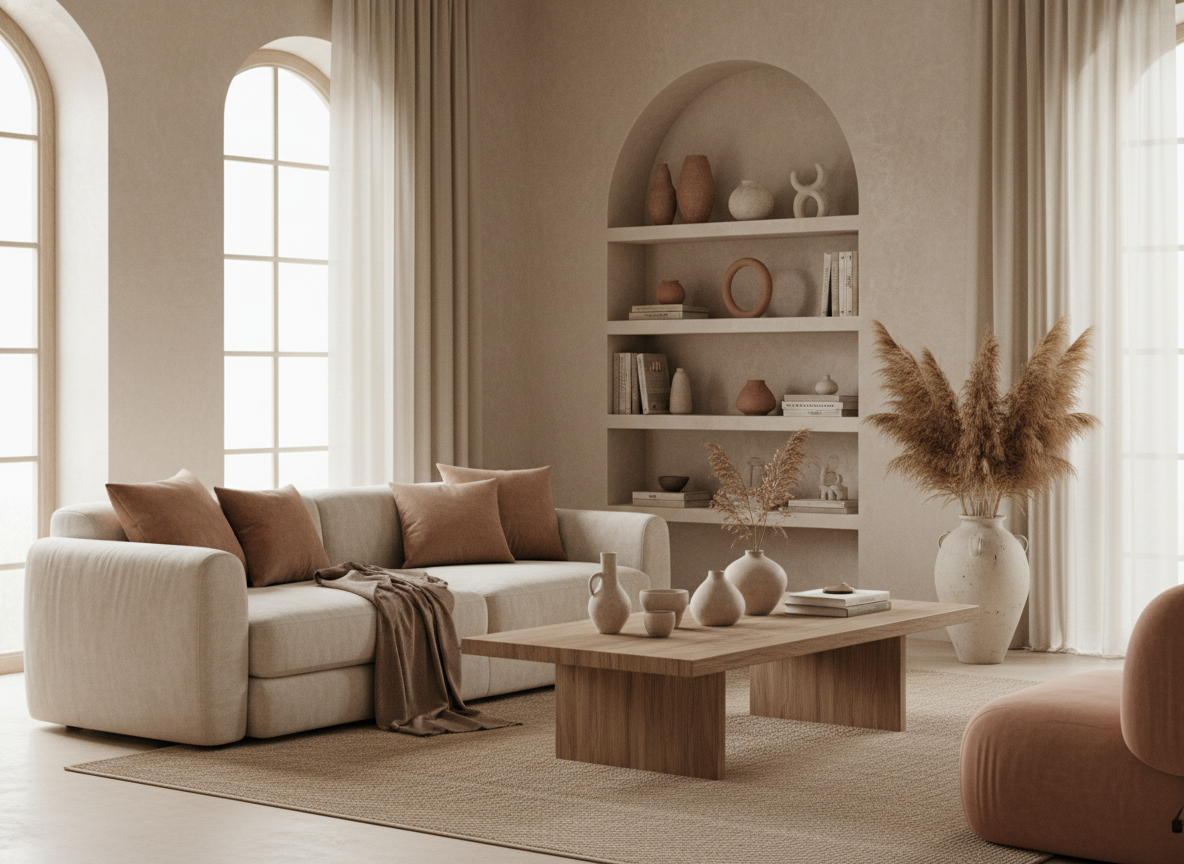
Calm colors don’t have to be boring. Soft neutrals, such as warm whites, gentle beiges, muted greige, and pale clay tones, create a stable backdrop that instantly feels quieter while making it easier to update decor later without redoing the entire room. If you love color, use it intentionally through art, pillows, or throws, limit it to one small zone rather than the whole space, and choose shades that feel grounding instead of stimulating. Think of color as a supporting role, not the main character.
3. Use Texture to Add Comfort Without Clutter
Flat, perfectly matching surfaces can feel cold and a little lifeless, even when a room is clean and well organized. Texture adds warmth and comfort without creating visual chaos, helping a space feel inviting instead of overly styled. It’s one of the easiest ways to make a calm home aesthetic feel human and lived-in.
Simple, low-effort ways to layer texture include:
- Drape a soft throw or knit blanket over a structured sofa to soften clean lines
- Choose linen or cotton curtains instead of heavy, formal drapes for a relaxed feel
- Place a woven basket beside smooth cabinetry or furniture to add organic contrast
- Style a matte ceramic vase or stone bowl against glossy or polished surfaces
- Mix materials like wood, fabric, and metal in small doses rather than matching everything
4. Design Your Lighting for How You Actually Live
Relying on overhead lighting alone often creates tension because one bright ceiling light may be efficient, but it’s rarely calming. For a more stress-reducing living space, layer your lighting with soft ambient light from ceiling or wall fixtures, task lighting like reading or desk lamps, and accent lighting such as table lamps, sconces, or candles. Choose warm bulbs in the 2700K–3000K range, as that subtle warmth helps signal your body to slow down and relax, especially in the evening.
5. Create Clear Zones to Reduce Mental Clutter
When everything happens everywhere, your brain never fully gets a chance to rest. Even small homes benefit from zoning, and you don’t need extra rooms to make it work. A rug can define a seating area, a lamp can signal a reading corner, and a simple tray can turn a surface into a purposeful spot instead of a catch-all. These clear zones help your brain switch modes more easily, making it simpler to work, relax, and connect without feeling mentally scattered.
6. Bring in Nature (Without Turning Your Home into a Greenhouse)
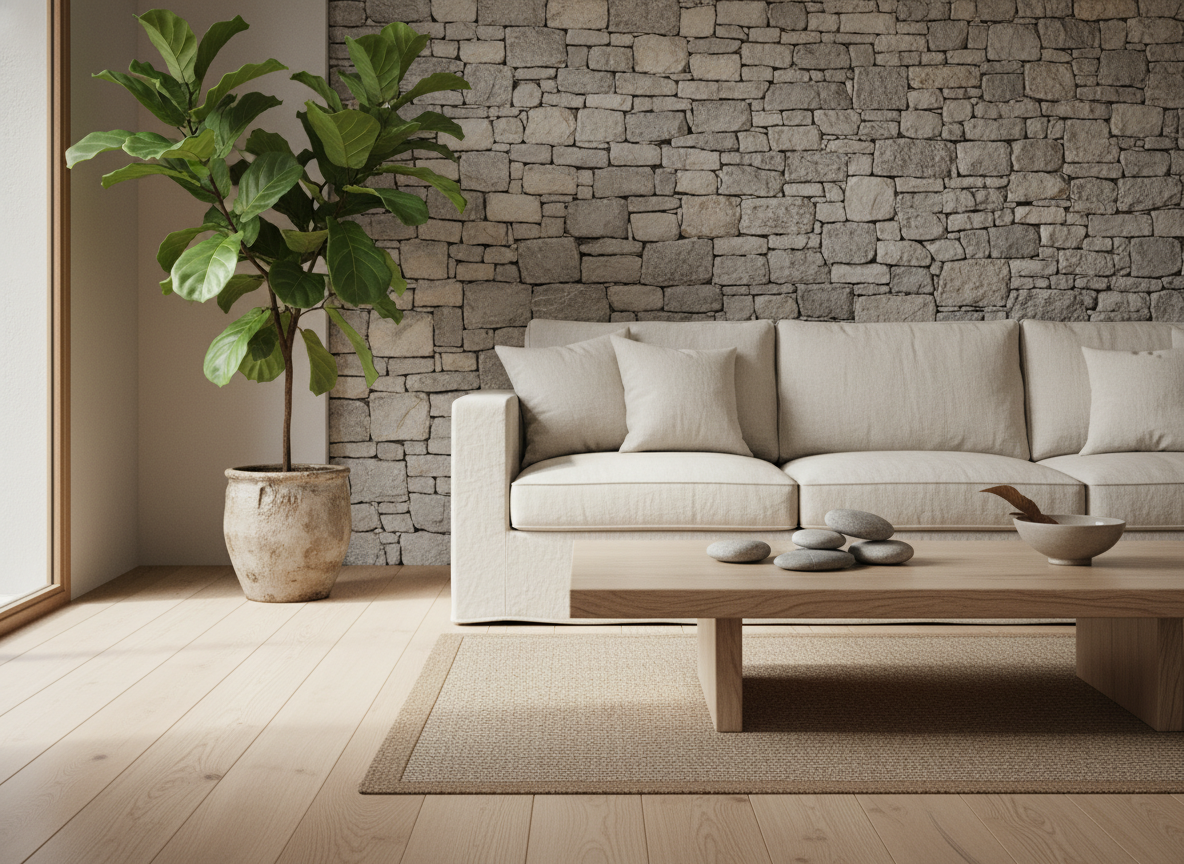
Natural elements soften hard lines and make spaces feel more grounded and calming. If you want the effect without the upkeep, focus on low-effort options: choose one medium-sized plant instead of several small ones, bring in natural materials like wood, stone, or linen, or use dried stems and branches if live plants feel stressful to maintain. The goal is connection to nature, not maintenance guilt.
7. Focus on One Room at a Time (This Is Crucial)
One of the biggest stress triggers is trying to “fix” your entire home all at once. That pressure alone can make even simple changes feel overwhelming. Instead of tackling everything, slow the process down and focus your energy where it’ll make the biggest emotional impact.
A more realistic approach:
- Choose the room where stress shows up most, not the one you think you should start with
- Make just three intentional changes:
- Remove one clear source of clutter that visually or mentally nags at you
- Improve the lighting, even if it’s just adding a warmer bulb or a small lamp
- Add one comforting texture, like a throw, rug, or cushion
- Live with those changes for a full week and notice how the space feels
Room-by-Room Tips for a Calm, Organized Home Aesthetic
| Living room |
|
|---|---|
| Bedroom |
|
| Kitchen |
|
| Entryway |
|
Common Mistakes That Quietly Add Stress
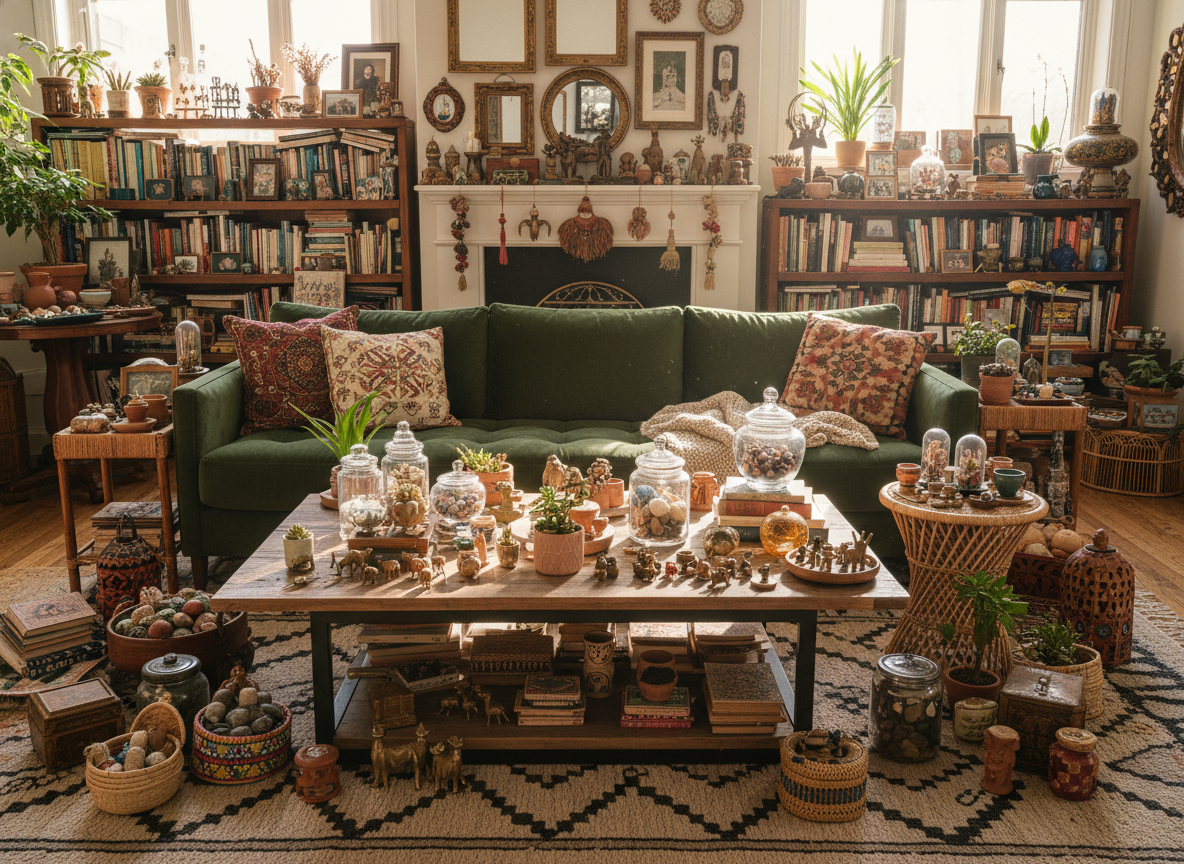
Even well-designed homes can feel “off” because of subtle issues that quietly add stress without you realizing it. These small friction points interrupt flow and make a space harder to live in, even if it looks great on the surface.
Common culprits include:
- Too many small decor items scattered around, which create visual noise and make surfaces feel cluttered
- Furniture placement that blocks natural walkways, forcing you to constantly maneuver around the room
- Storage solutions that are inconvenient to access, causing clutter to return almost immediately
- Trend-driven decor choices that look stylish but don’t fit your actual routines or lifestyle
Calm homes prioritize function first and beauty second, and that’s exactly why they end up with both.
How to Maintain a Calm Home Without Constant Effort
A peaceful home is about easy resets that fit into real life. A five-minute nightly reset, a quick weekly surface clear without deep cleaning, and a simple seasonal edit instead of constant redecorating can keep your space feeling calm and intentional. When your systems are simple and realistic, maintenance becomes almost automatic.
Final Thoughts: Calm Is a Design Choice, Not a Personality Trait
You don’t need to be a minimalist, invest in expensive furniture, or chase the idea of a perfect home. A calm, organized home aesthetic comes from thoughtful choices that respect your time, energy, and the way you actually live. When your space works with you instead of against you, stress naturally softens: you breathe easier, move more slowly, and begin to feel truly at home again.
Related Articles
- Minimalism vs. Maximalism: How to Choose the Best Interior Design Style for Your Home
- 15 Simple Minimalist Home Design Ideas to Create Clean, Organized, and Modern Living Spaces with Less Clutter
- 15 Scandinavian-Inspired Home Design Ideas to Create a Warm, Minimalist, and Functional Nordic-Style Living Space
- 15 Japandi Organization Ideas to Create Calm, Functional, and Beautifully Minimalist Living Spaces
- 10 Cozy Interior Design Ideas for Creating a Warm and Inviting Home