Lighting is one of the most influential elements in interior design. It has the power to completely transform the atmosphere of any room, whether you want to create a cozy, intimate ambiance or a bright, energizing space. However, many people underestimate the importance of lighting or use it improperly, which can result in a poorly lit and uncomfortable environment.
Understanding the different types of lighting, how to layer them, and how to choose the right fixtures for your space is essential for achieving a balanced, welcoming atmosphere. In this article, we’ll explore essential lighting tips and techniques that can help you enhance the ambiance of any room, improve functionality, and transform your space.
1. Understanding the Three Main Types of Lighting
Before diving into specific techniques, it’s important to understand the three main types of lighting: ambient, task, and accent lighting. Each serves a different function and contributes to the overall mood of a space. Using a mix of these lighting types in each room will ensure that your space is both practical and visually appealing.
Ambient Lighting: Setting the Foundation
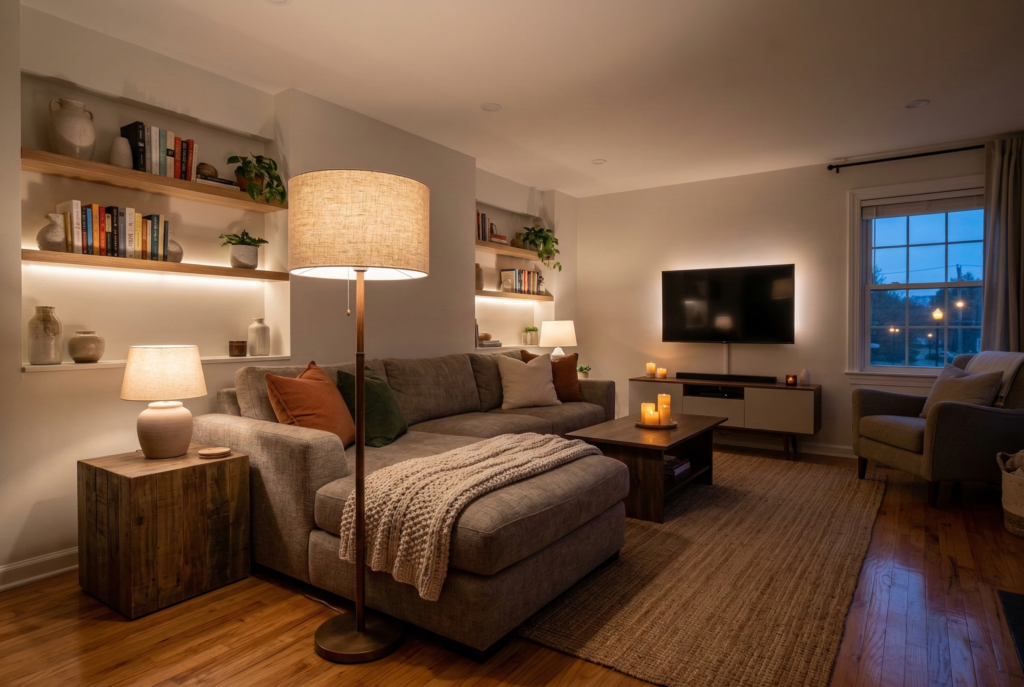
Ambient lighting is the base layer of lighting in a room. It provides overall illumination and makes the space functional by ensuring that it’s bright enough for everyday activities. Ambient lighting can come from overhead light fixtures like chandeliers, recessed lights, or ceiling-mounted lights.
When considering ambient lighting, it’s important to take into account the size of the room and its layout. In larger rooms or rooms with high ceilings, multiple light sources may be needed to distribute the light evenly. You can use overhead lighting, along with wall-mounted fixtures like sconces, to create a more balanced effect.
Task Lighting: Focusing on Specific Activities

Task lighting is used to illuminate areas where specific tasks are performed, such as reading, cooking, or working. This type of lighting is essential for creating a well-functioning and practical space. Without task lighting, areas like kitchens, offices, and reading nooks may feel dim or difficult to work in.
For example, in a kitchen, under-cabinet lighting is perfect for illuminating countertops, allowing you to chop vegetables or prepare meals without straining your eyes. A desk lamp provides focused light for reading or working. You can also use pendant lights or track lighting above kitchen islands or dining tables to create targeted, efficient illumination.
When selecting task lighting, ensure it’s bright enough for the activity you’ll be performing, but not so bright that it creates glare. Position the light directly above or next to the task area to minimize shadows.
Accent Lighting: Highlighting Features and Adding Drama
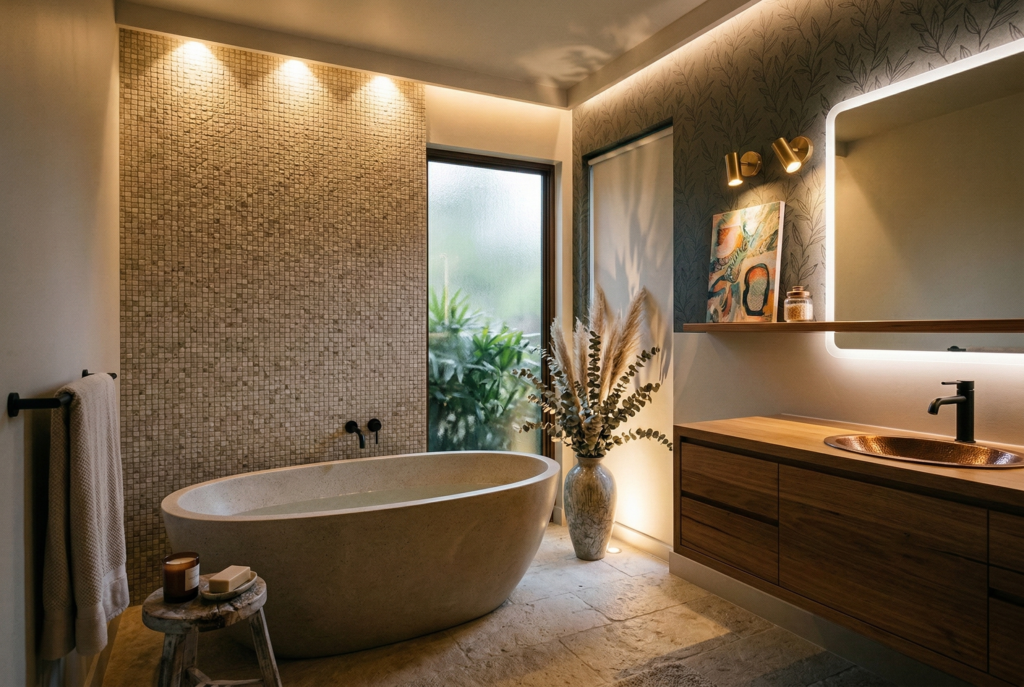
Accent lighting is used to highlight particular features of a room or create visual interest. It’s often used to draw attention to artwork, sculptures, architectural details, or plants. Accent lighting can also be used to create a sense of drama or focus in a space.
Examples of accent lighting include track lights, wall-mounted sconces, or spotlights. These can be directed at specific areas like a piece of artwork on the wall or a decorative feature like a beautiful plant or sculpture.
To add drama and dimension to a room, consider using layered accent lighting. For example, highlighting a painting with track lighting or accentuating a textured wall with sconces can make your space feel more dynamic and interesting.
2. Layering Lighting for a Balanced Look
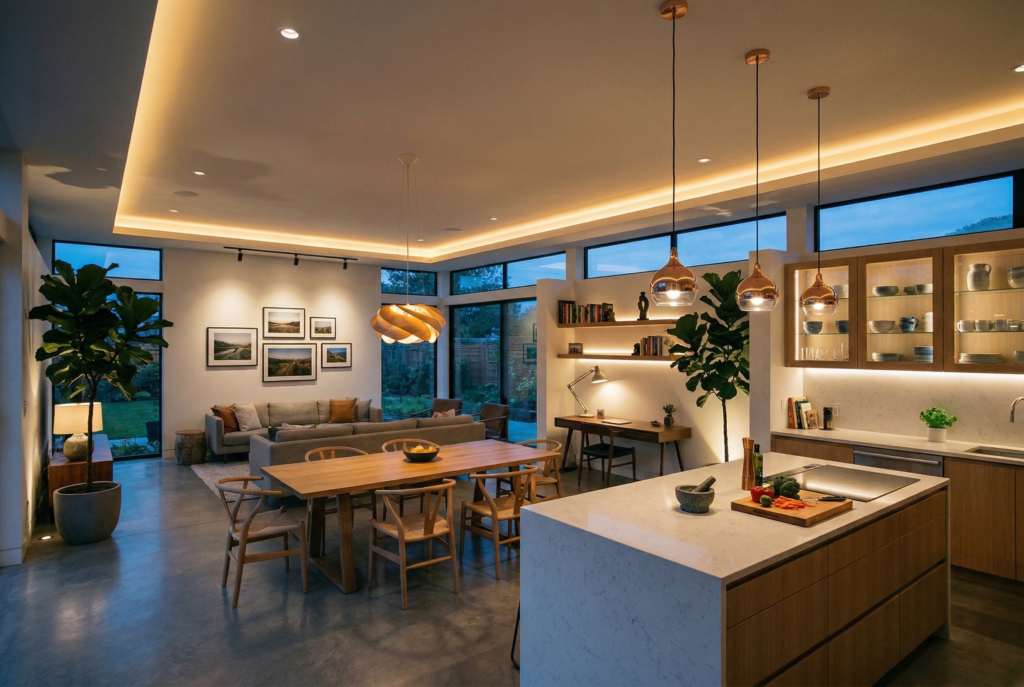
One of the best ways to create a well-lit, inviting space is through layering your lighting. Layering combines ambient, task, and accent lighting to create a balanced and dynamic atmosphere in the room. If you rely too much on one type of lighting, it can leave the room feeling flat or unwelcoming.
To layer lighting effectively, begin with your ambient light source. Once you have general illumination, add task lighting where specific activities are performed. Finally, incorporate accent lighting to highlight key features or create visual interest.
How to Layer Your Lighting
Start with ambient lighting as the base layer. This will provide overall illumination for the room. Next, consider task lighting in areas like your desk, kitchen counter, or reading nook. Finally, add accent lighting to enhance architectural features, artwork, or plants, giving the room a polished, dynamic look.
Pro tip: Use dimmable switches or smart bulbs to adjust the intensity of your layers of lighting, depending on the time of day or the mood you want to set.
3. Choosing the Right Fixtures and Placement
Selecting the right lighting fixtures for your space is crucial for achieving the desired ambiance. The placement of your lighting fixtures also plays a significant role in ensuring that the room is evenly lit and visually appealing. Poor placement can result in awkward shadows, harsh glares, or areas that are too dim.
For example, a chandelier can serve as a striking centerpiece in a large dining room, but it’s essential to hang it at the proper height. A chandelier hung too low can make the room feel cramped, while one that is too high can lose its visual impact.
When placing pendant lights over a dining table or kitchen island, make sure they are centered and hung at the correct height (generally 30–36 inches above the surface). This ensures the space is well-lit without obstructing views or creating shadows.
4. Embrace Natural Light: Maximizing Daylight in Your Space
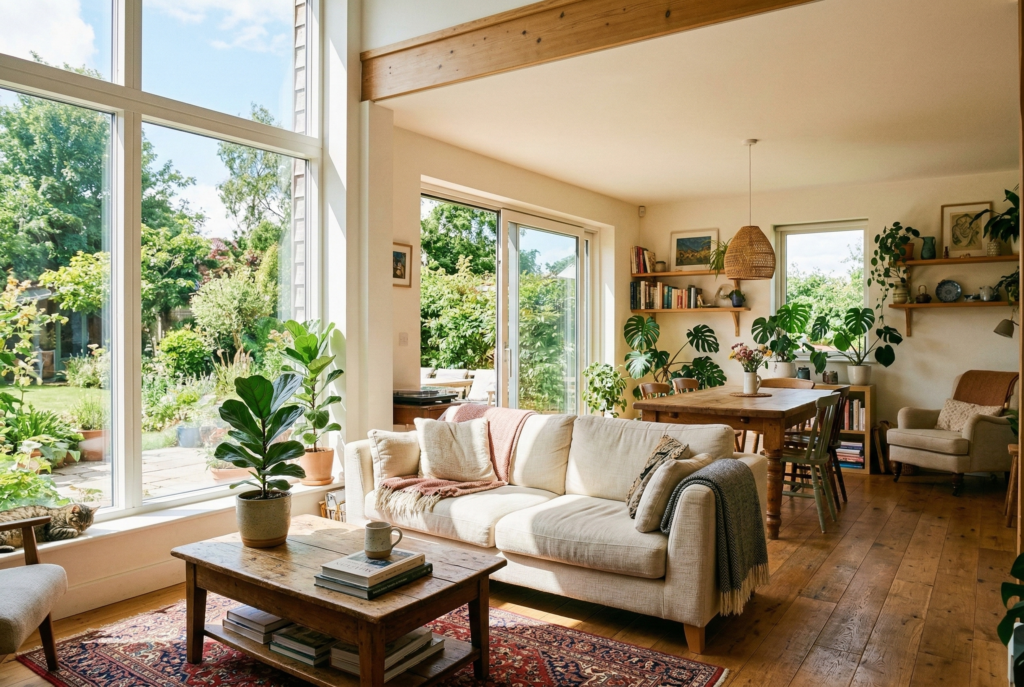
While artificial lighting plays an important role, natural light is often the most desirable source of illumination. It not only helps reduce energy costs but also brings life to space. Maximizing the amount of natural light in your home will brighten your room and make it feel more open and airy.
Start by optimizing window treatments. Use light, sheer curtains or blinds that allow natural light to filter into the room while still providing some privacy. Avoid heavy drapes that block out light. Mirrors are another great way to reflect daylight into a room, especially in spaces where windows are limited.
In rooms with limited natural light, consider using light-colored paint on walls and ceilings to help reflect daylight around the room. This makes the space feel brighter without relying solely on artificial lighting.
5. Smart Lighting: The Future of Interior Illumination
Smart lighting technology has revolutionized the way we control and interact with light. With smart lighting systems, you can adjust your lighting remotely, set schedules, and even change the color temperature or brightness of the light with a smartphone app or voice commands. This level of control adds convenience and versatility to your lighting design.
Smart lighting is particularly useful for adjusting ambiance. Whether you want bright, cool light for working or soft, warm light for relaxing, smart bulbs can accommodate your needs with just a tap.
For energy efficiency, pair smart lighting with motion sensors. This way, lights turn off automatically when no one is in the room, helping to reduce electricity consumption.

6. Energy-Efficient Lighting Solutions
As more people focus on sustainability, energy-efficient lighting has become a top priority. LED bulbs, in particular, are an excellent option for energy-conscious homeowners. They use less energy, last longer, and are available in various color temperatures to match your needs.
In addition to switching to LED bulbs, you can also install motion sensors in high-traffic areas like hallways, bathrooms, and kitchens. These sensors automatically turn the lights off when the space is no longer in use, saving energy while keeping your home well-lit.
When choosing LED bulbs, look for those with a high Color Rendering Index (CRI). This will ensure that the colors in your room appear vibrant and true to life, especially when it comes to art and décor.
Conclusion: Transform Your Space with Thoughtful Lighting Design
Lighting is more than just a functional necessity; it’s a design element that can change the entire feel of a room. Whether you’re adding ambient lighting to create a cozy atmosphere, task lighting for specific activities, or accent lighting to highlight key features, understanding the different types of lighting and how to layer them effectively will elevate the look and feel of your space.
By choosing the right fixtures, maximizing natural light, and incorporating energy-efficient solutions, you can transform any room into a welcoming, well-lit environment. And with the addition of smart lighting, you can adjust your space’s lighting at the touch of a button, making it more versatile and energy-efficient.
With these essential lighting tips and techniques, you’ll not only improve the functionality of your space but also enhance its ambiance, making it a more enjoyable place to live, work, and relax.