Gardening in small spaces can be a challenge, but raised garden beds are the perfect solution. They help maximize space, improve plant growth, and make it easier to maintain your garden. Whether you’re working with a tiny backyard, a small patio, or just a few extra feet of space, raised beds can help you grow a variety of flowers, vegetables, and herbs efficiently. The best part? You don’t need to spend a fortune to build them.
In this guide, we’ll explore 25 raised garden bed ideas, from DIY plans to affordable metal kits and even clearance finds. These options are designed to help you create a beautiful garden on a budget, no matter your space or skill level.
Top DIY Raised Garden Bed Ideas & Layout Plans
Building your own raised garden bed is a rewarding project that gives you complete control over the design, size, and materials. If you’re looking for raised bed garden plans, these 10 DIY raised garden bed ideas are perfect to get you started.
1. Classic Wooden Raised Bed
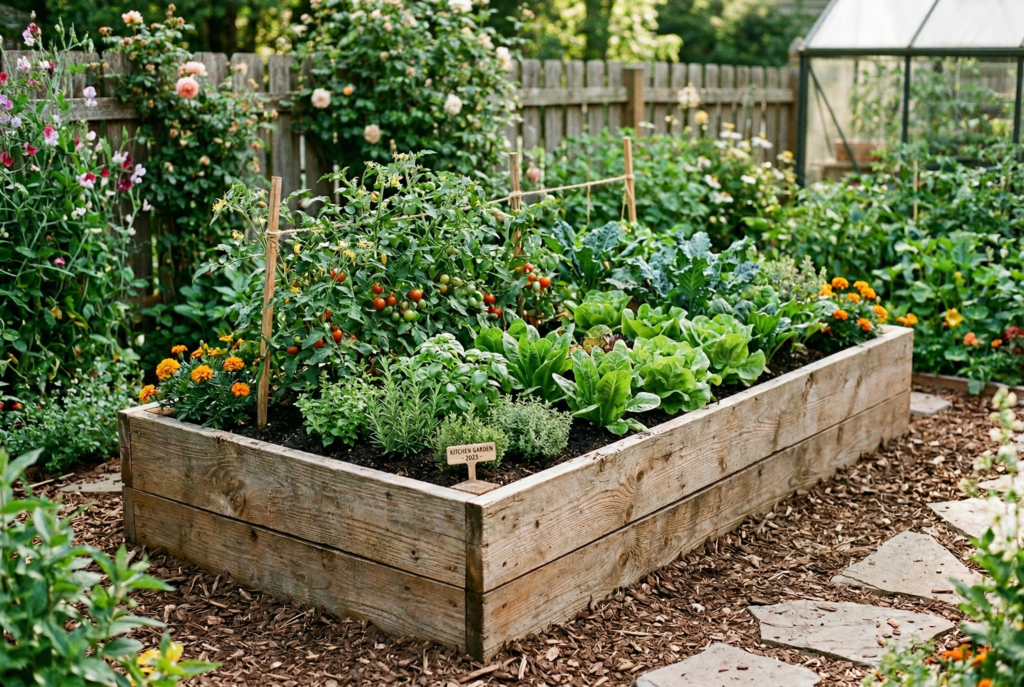
One of the most traditional and easy-to-build options, wooden raised beds are customizable in size and shape. You can use untreated pine or cedar for a sturdy and long-lasting garden bed.
Materials:
- 4 pieces of 2×6 wood (pine or cedar)
- Nails or screws
- Drill and saw (if necessary)
Cost estimate: $40–$60 for a 4×4 bed.
Steps:
- Measure and cut the wood to the desired dimensions.
- Assemble the frame by securing the wood with nails or screws.
- Fill the bed with a mixture of quality soil and compost.
2. Repurposed Pallet Garden Beds
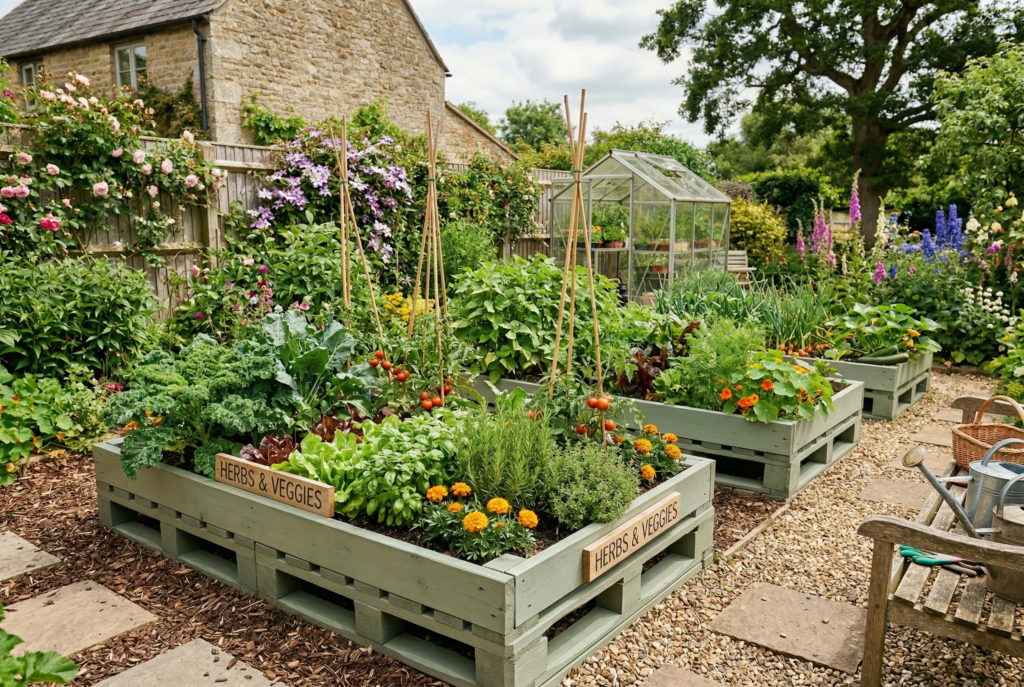
Old wooden pallets are easy to find and perfect for making raised beds. This is one of the most budget-friendly options, as you can often get pallets for free or at a low cost.
Materials:
- 1–2 wooden pallets (depending on size)
- Nails or screws
- Landscape fabric
Cost estimate: Free if you find used pallets.
Steps:
- Stack and secure the pallets to form a rectangular frame.
- Line the bottom with landscape fabric to keep the soil in place.
- Add soil and start planting.
3. Cinder Block Raised Bed
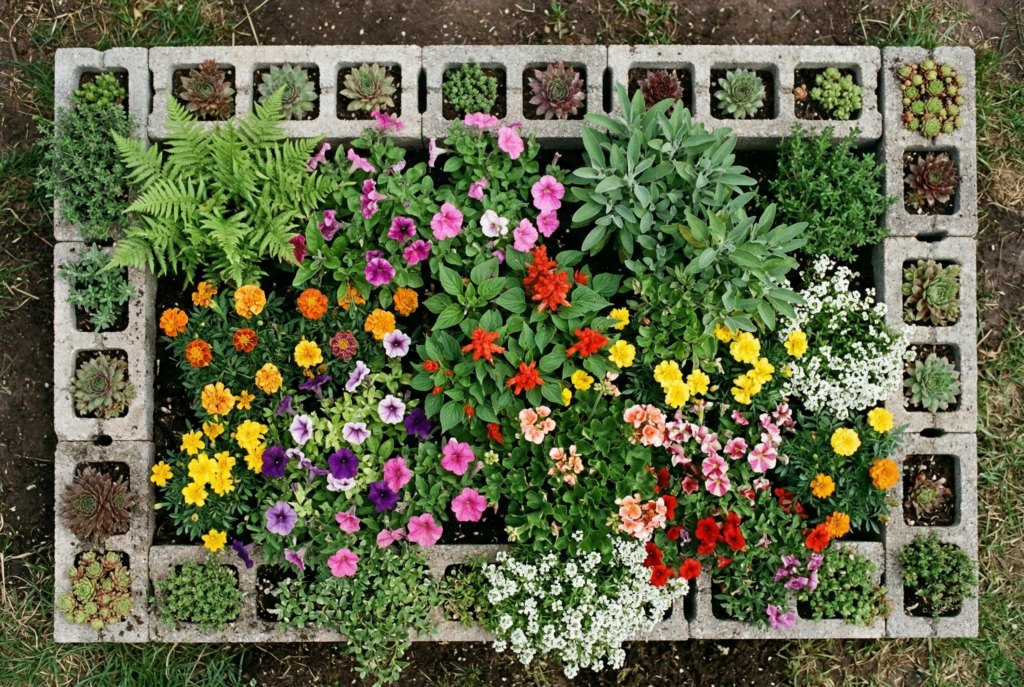
Cinder blocks are affordable, durable, and easy to use for building raised garden beds. They also provide excellent drainage, making them perfect for vegetables and flowers.
Materials:
- 16 cinder blocks (for a 4×4 bed)
- Soil and compost
Cost estimate: $30–$50 for a 4×4 bed.
Steps:
- Stack the cinder blocks to form a rectangular shape.
- Fill with soil and compost.
- Use the holes in the blocks to plant smaller plants or flowers.
4. Galvanized Tub Raised Bed
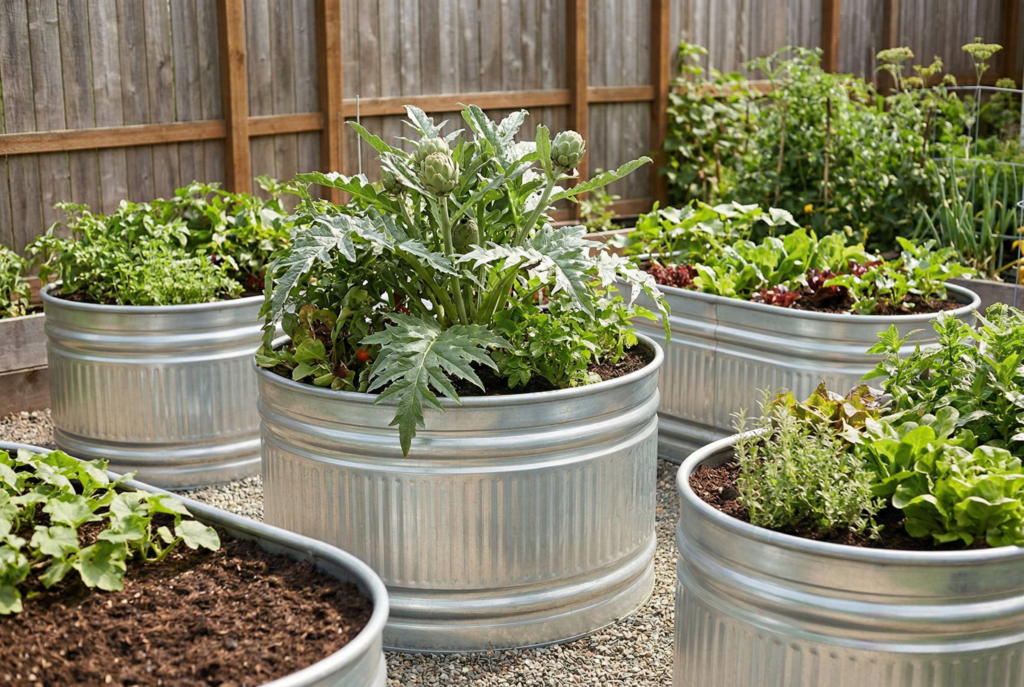
Galvanized tubs are not only stylish but also functional. These beds provide excellent drainage, are easy to move, and are perfect for small spaces.
Materials:
- Galvanized tub (medium to large size)
- Drill (for drainage holes)
- Soil and plants
Cost estimate: $50–$100 per tub.
Steps:
- Drill a few drainage holes in the bottom of the tub.
- Place the tub in a sunny spot.
- Add soil and start planting.
5. Vertical Raised Garden Beds
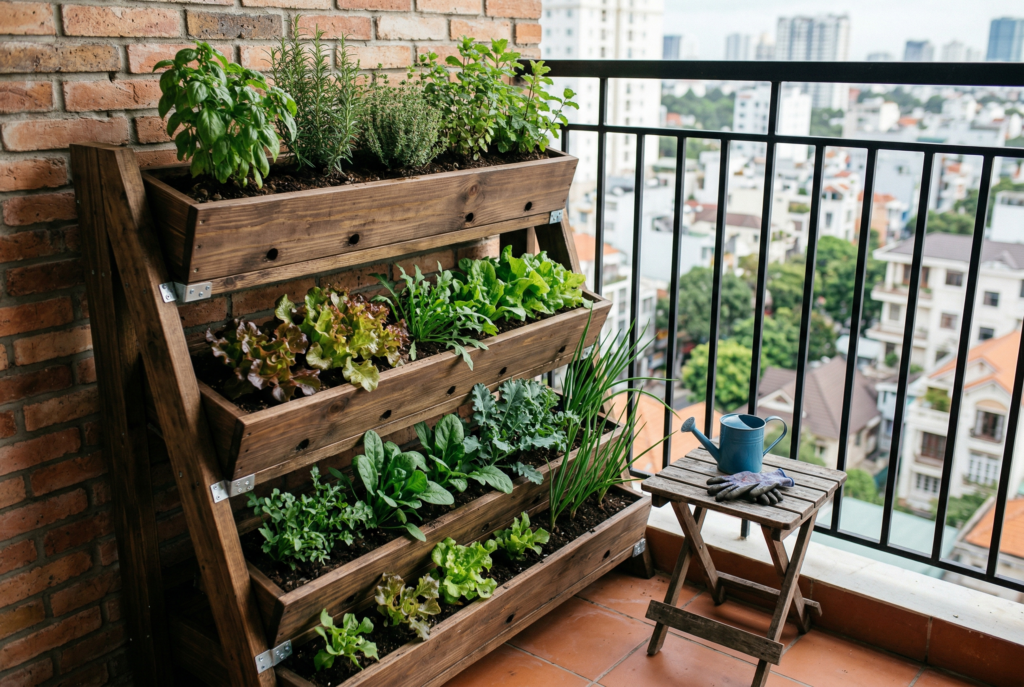
For those with limited space, vertical garden beds are a game-changer. Stack planters or create a tiered system to grow more plants in a smaller area.
Materials:
- Pallets, wooden frames, or PVC pipes
- Potting soil and plants
Cost estimate: $40–$60 for a vertical design.
Steps:
- Stack wooden frames or pallets vertically.
- Fill each level with soil and plants.
- Ensure proper drainage by adding holes or using planters with bottoms.
6. DIY Brick Raised Bed
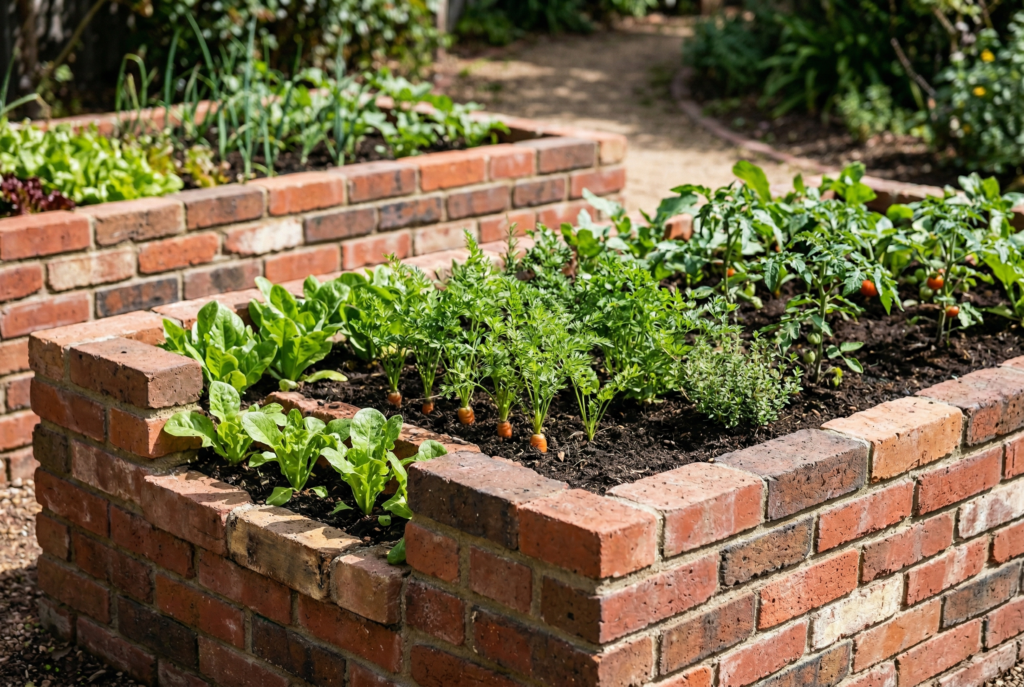
Bricks are a durable material that can create a sturdy, permanent raised garden bed. These beds can be arranged in various shapes, such as rectangular or circular.
Materials:
- 40–50 bricks (depending on size)
- Mortar (optional)
- Soil and compost
Cost estimate: $40–$60 for a 4×4 bed.
Steps:
- Stack the bricks in a rectangular shape.
- Use mortar to secure them (optional).
- Fill with soil and start planting.
7. Stone and Mortar Raised Bed
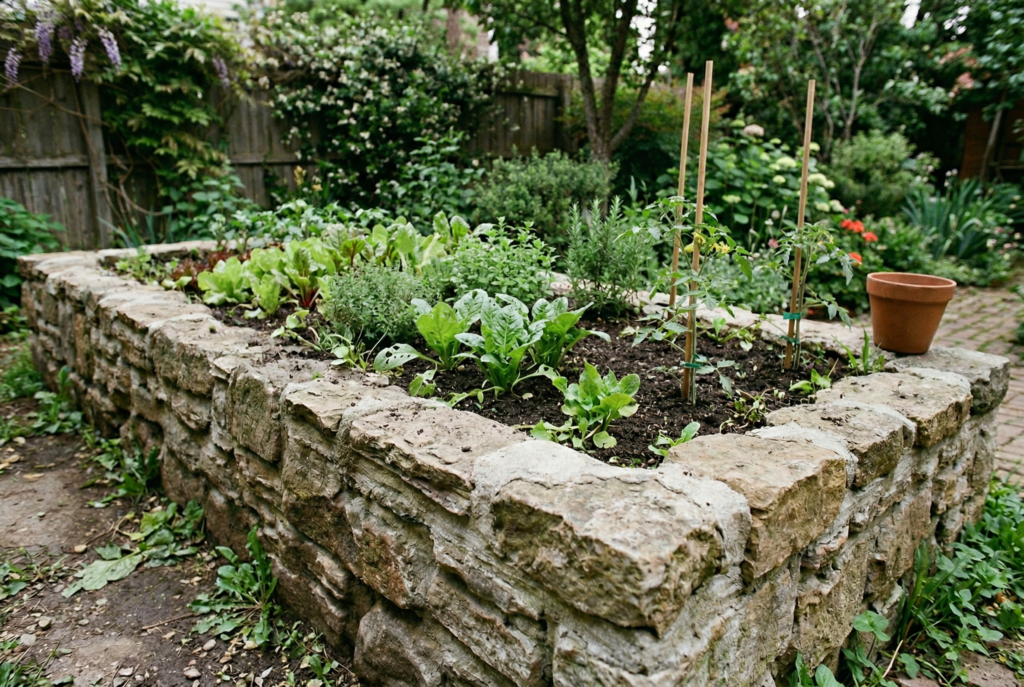
For a more permanent solution, consider stone and mortar raised beds. These beds are sturdy and create a beautiful, natural aesthetic that lasts for years.
Materials:
- Natural stone or reclaimed brick
- Mortar and trowel
- Soil and plants
Cost estimate: $100–$200.
Steps:
- Lay down a layer of mortar to set the stones.
- Stack the stones, using mortar to hold them in place.
- Fill with soil and start planting.
8. Hanging Raised Garden Bed
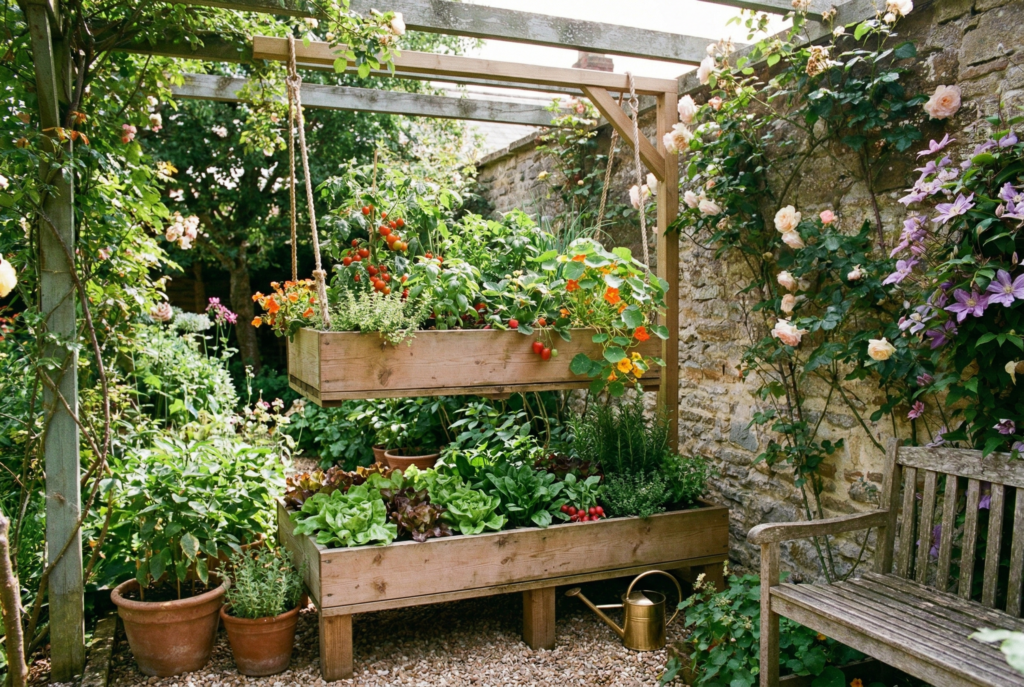
A hanging raised garden bed is a great solution for those with limited space. Perfect for urban environments, it utilizes vertical space, freeing up the ground for other purposes. This type of garden can be hung from a sturdy frame or mounted on walls, making it ideal for apartments or small patios. Not only does it save space, but it also provides ample sunlight for your plants, ensuring they thrive.
Materials:
- Sturdy wooden frame or metal brackets
- Rope or strong cables (for hanging)
- Waterproof planter boxes or containers
- Potting soil and plants of choice
Steps:
- Choose a suitable location with adequate sunlight for the plants.
- Build or purchase a wooden or metal frame that can support the weight of the planter boxes.
- Attach ropes or cables to the frame securely.
- Hang the planters from the frame, ensuring they are level.
- Fill each planter with quality potting soil and plant your chosen herbs, flowers, or vegetables.
- Water regularly, making sure the planters drain well to avoid root rot.
Estimated cost: The cost for building a hanging raised garden bed can vary depending on the materials you use. On average, it may cost around $50 to $150 for a small to medium setup, including planter boxes, ropes, and soil.
9. Raised Garden Bed with Built-in Seating
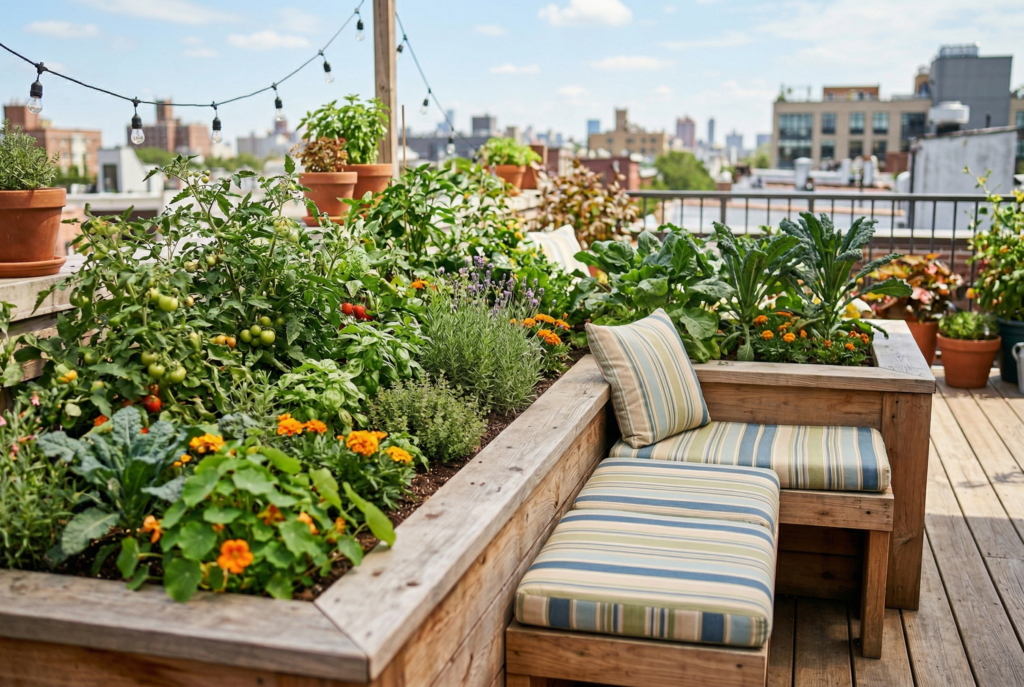
Create a garden and a relaxation spot all in one! Adding built-in seating around your raised garden bed not only gives you a place to relax but also adds a practical and decorative feature to your garden.
Materials:
- Wood or metal for the frame
- Cushions or outdoor furniture padding
Cost estimate: $100–$150.
Steps:
- Build a frame and add seats around the edges.
- Add cushioning for comfort.
- Fill with soil and plant your garden.
10. Wooden Frame with Wire Mesh

A wooden frame with wire mesh is an affordable and simple way to build a raised bed. The mesh helps hold the soil in place and prevents it from spilling out.
Materials:
- Wood frame
- Wire mesh (chicken wire)
- Soil and plants
Cost estimate: $20–$30.
Steps:
- Assemble the wood frame.
- Attach the wire mesh to the sides and bottom.
- Fill with soil and start planting.
11. Raised Bed with Planter Boxes on the Side
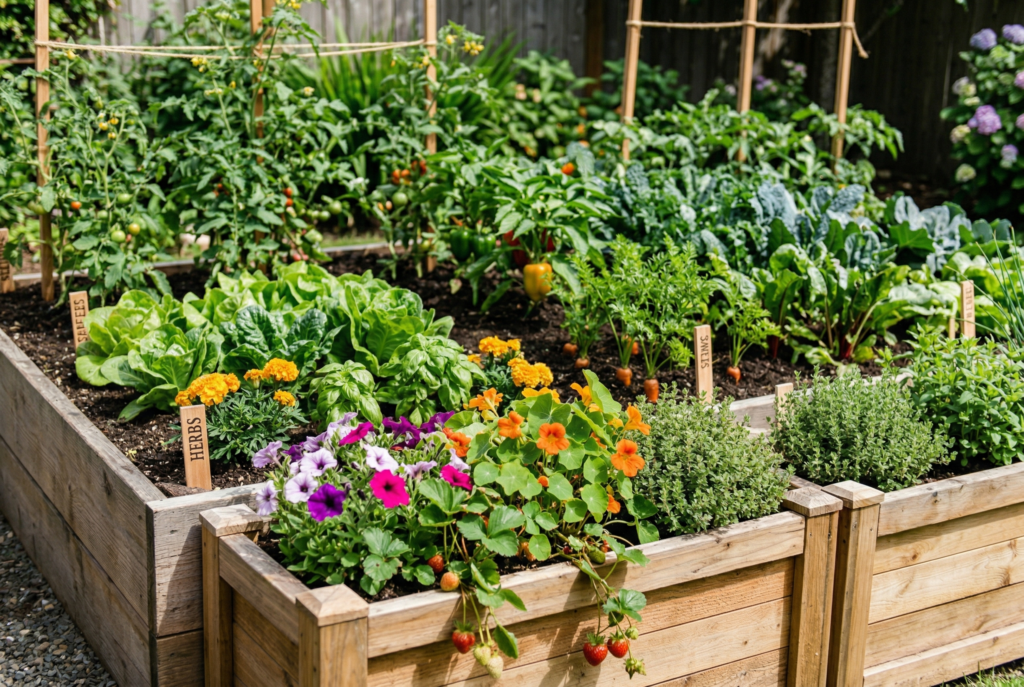
An excellent way to optimize space in your raised garden bed is by adding planter boxes to the sides. These can be easily built using wood or metal and attached to the sides of your main garden bed.
Materials:
- Wood or metal for the planter boxes
- Nails, screws
- Soil
Estimated cost: $70–$100
Steps:
- Build the main raised garden bed using wood or metal.
- Attach smaller planter boxes to the sides of the bed.
- Add soil to the planter boxes and plant your chosen plants.
12. Greenhouse Raised Bed Combo
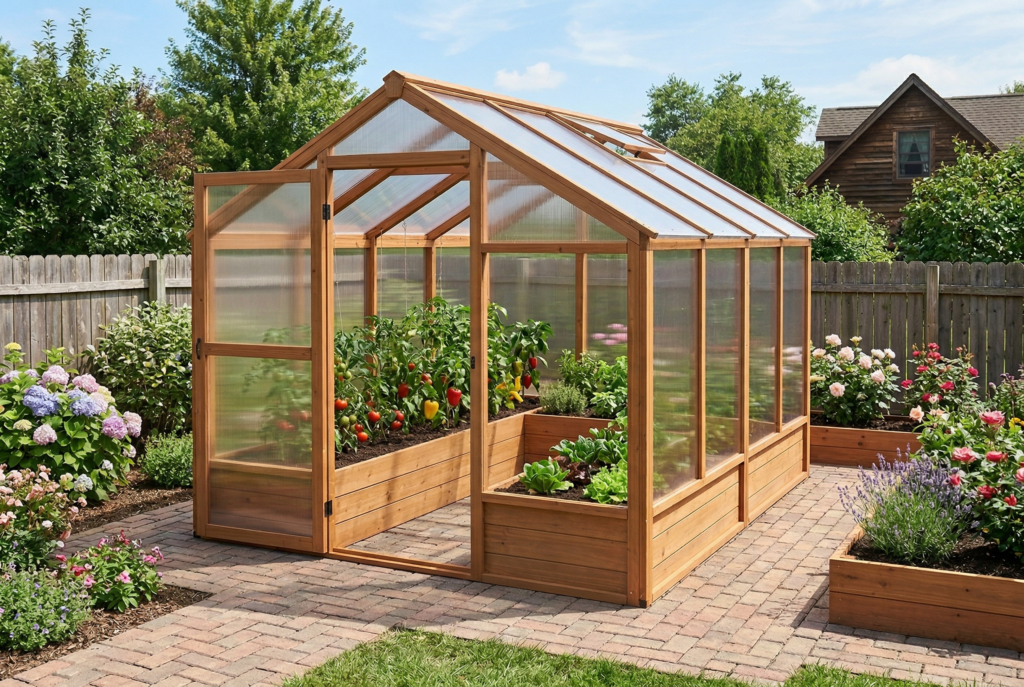
Combining a raised garden bed with a mini greenhouse is a great way to protect plants from harsh weather. Some raised beds even come with integrated covers to help you protect your plants during the winter or bad weather.
Materials:
- Raised garden bed
- Mini greenhouse or weatherproof covers
- Soil and compost
Estimated cost: $150–$250
Steps:
- Build a raised garden bed with weatherproof covers or mesh.
- Install mini greenhouse panels over the bed for protection.
- Add soil and start planting your garden.
13. Raised Bed with Drip Irrigation System
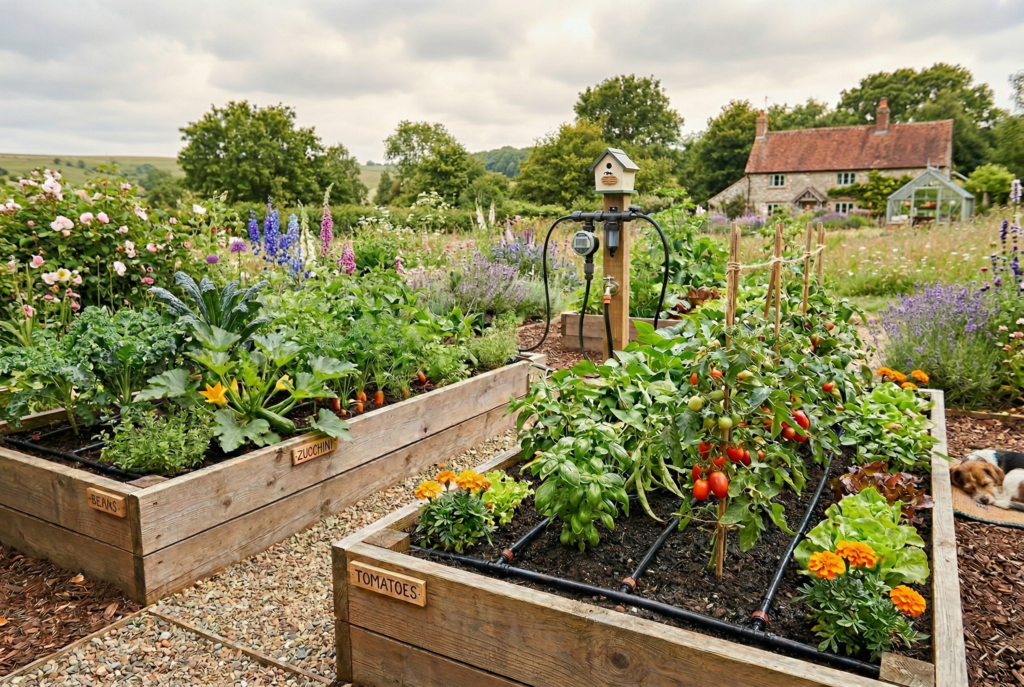
A drip irrigation system is a time-saving and efficient way to water your plants. Adding a drip system to your raised garden bed helps maintain the proper moisture levels for your plants without having to water by hand frequently.
Materials:
- Raised garden bed
- Drip irrigation system (available as a kit)
- Soil and plants
Estimated cost: $50–$100 for the drip irrigation system kit
Steps:
- Set up the drip irrigation system in the raised garden bed.
- Ensure the water lines are properly installed, with the emitters correctly placed.
- Add soil to your garden bed and plant your crops.
14. Raised Bed with Integrated Composting System
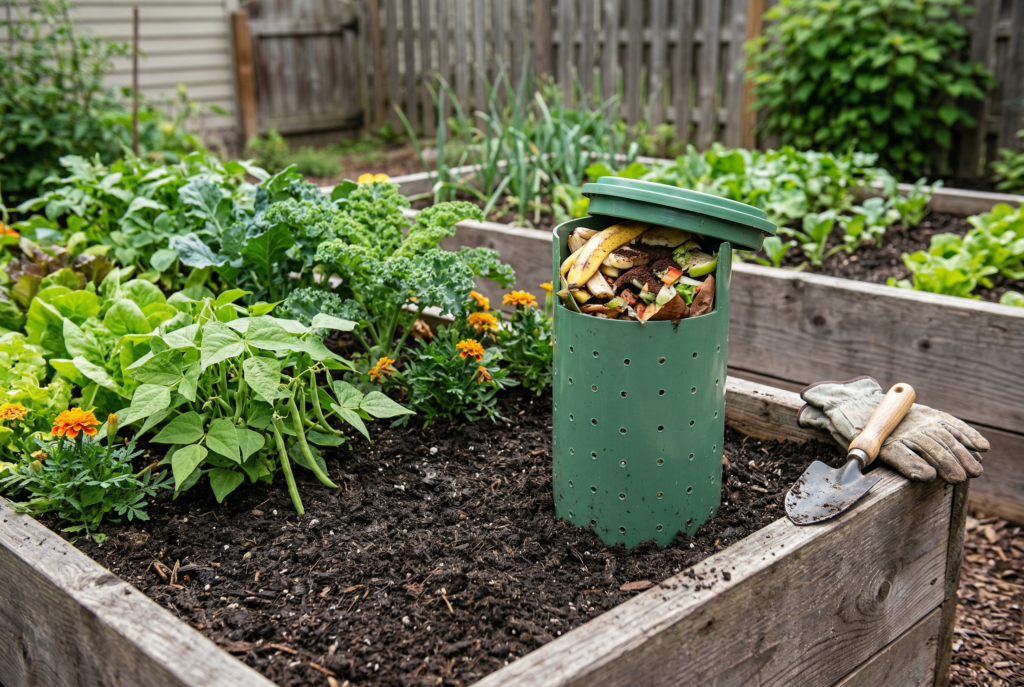
Adding a composting system to your raised garden bed helps reduce waste and improve the quality of your soil. Some raised garden beds come with built-in composting compartments to make composting easier.
Materials:
- Raised garden bed
- Composting system (DIY or a kit)
- Soil
Estimated cost: $100–$150
Steps:
- Create composting compartments at the base of the raised bed.
- Use organic waste (such as leaves, fruit peels, etc.) for composting.
- Add soil on top and begin planting.
15. Mobile Raised Garden Bed
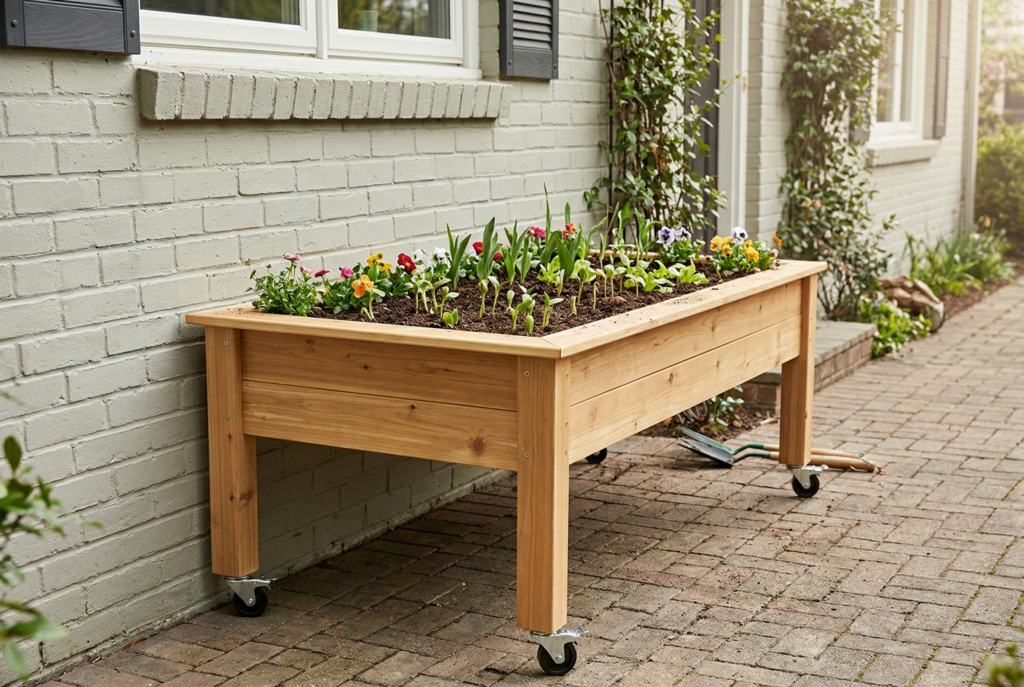
A mobile raised garden bed is a great option for people with limited space or those who want to move their garden around to optimize sunlight exposure. These beds come with wheels, making them easy to move.
Materials:
- Wood or metal frame
- Four sturdy wheels
- Soil and plants
Estimated cost: $60–$100
Steps:
- Build a raised garden bed frame using wood or metal.
- Attach wheels to each corner of the frame for easy mobility.
- Fill the bed with soil and start planting.
16. Raised Bed with Geotextile Fabric Lining

Using geotextile fabric (landscape fabric) to line the bottom of your raised bed improves water drainage and helps prevent weed growth. This material is durable and long-lasting, providing a healthy environment for your plants.
Materials:
- Raised garden bed (wood or metal)
- Geotextile fabric (landscape fabric)
- Soil
Estimated cost: $30–$50 for the fabric
Steps:
- Line the bottom of the raised bed with geotextile fabric.
- Fill the bed with soil and plant your crops.
- The fabric will help hold the soil in place, improve drainage, and prevent weed growth.
17. Tiered Raised Garden Beds
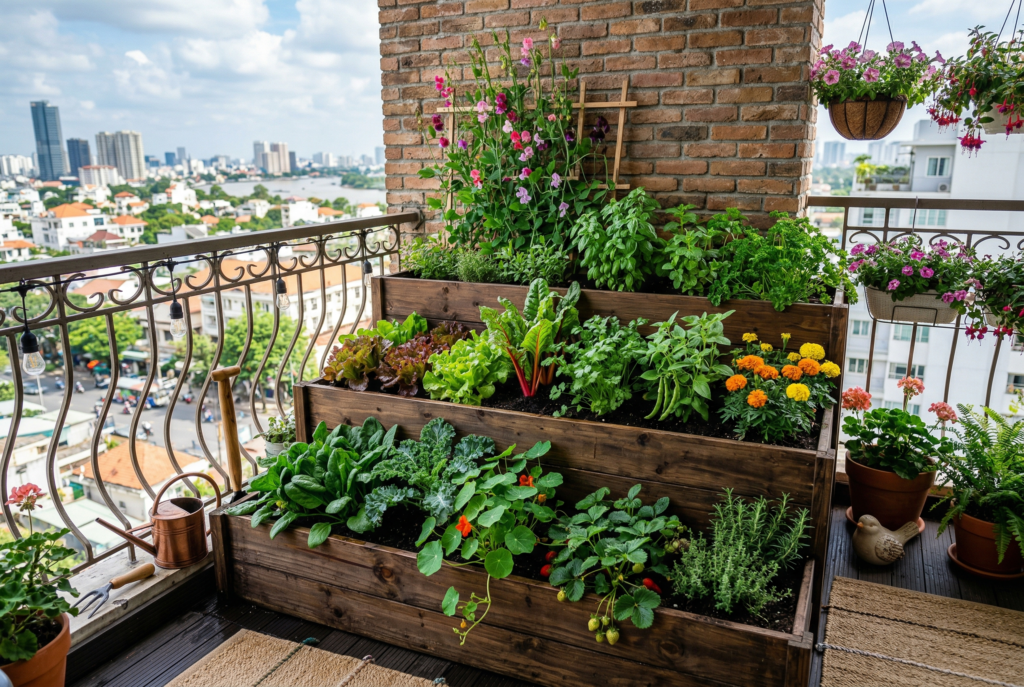
Tiered raised garden beds not only save space but also create a visually interesting garden design. By stacking several beds at different heights, you can grow multiple plant types while maximizing the space available.
Materials:
- Wood, metal, or concrete for the tiers
- Soil and compost
Estimated cost: $100–$200 depending on the materials
Steps:
- Stack the raised beds on top of each other, creating tiers of varying height.
- Fill each tier with soil and plant different varieties of plants in each layer.
- Ensure proper drainage between the tiers to keep plants healthy.
18. Upcycled Raised Garden Bed
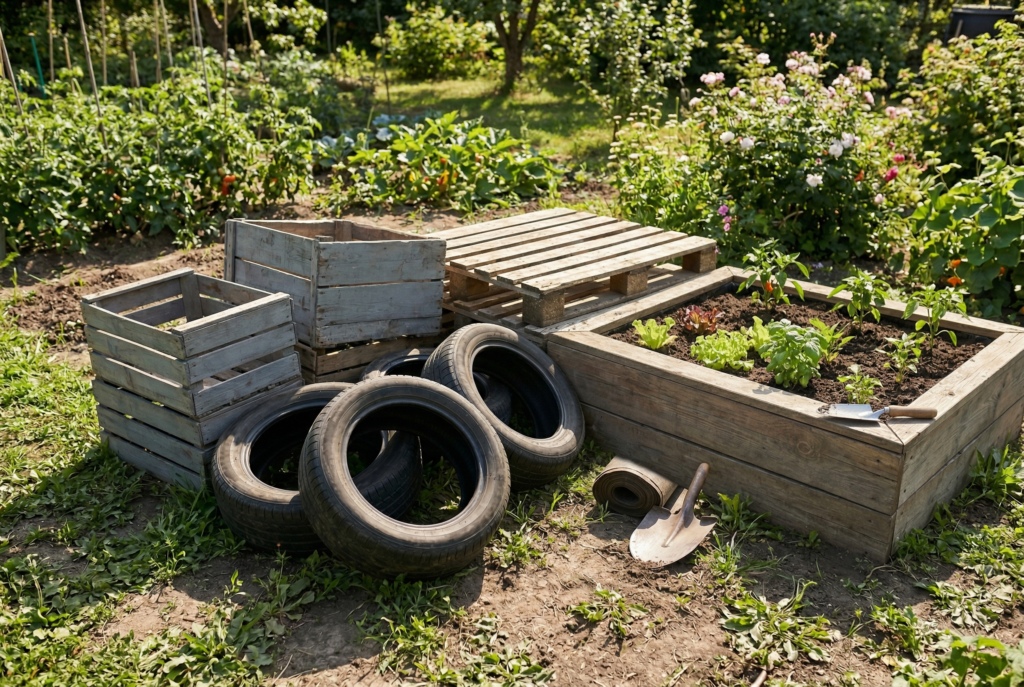
Creating an upcycled raised garden bed is an eco-friendly and cost-effective way to build your garden. By repurposing materials like old pallets, tires, or wooden crates, you can create a unique, functional garden bed while reducing waste. This approach not only saves money but also adds a personal, creative touch to your outdoor space. Plus, it’s a fantastic way to contribute to sustainability by giving new life to items that would otherwise be discarded.
Materials:
- Recycled wood (old pallets, wooden crates, or timber)
- Screws and nails for assembly
- Landscaping fabric (optional, for drainage)
- Potting soil and plants of choice
Estimated cost: Using upcycled materials can save you a lot of money. The estimated cost for creating an upcycled raised garden bed is approximately $20 to $50, depending on the availability of materials and the size of the bed.
Steps:
- Source old wooden pallets, crates, or timber that can be repurposed for the garden bed frame.
- Disassemble the pallets or crates and sand any rough edges.
- Assemble the wood pieces into a rectangular or square frame using screws or nails.
- Line the bottom with landscaping fabric if desired, to prevent weeds from growing up into your garden bed.
- Fill the frame with nutrient-rich potting soil.
- Plant your favorite flowers, herbs, or vegetables in the upcycled bed.
- Water the plants regularly and ensure good drainage.
19. Self-Watering Raised Garden Bed

For busy gardeners, a self-watering raised garden bed is a game changer. This system features built-in reservoirs that automatically deliver water to the plants as needed, reducing the frequency of manual watering. It’s especially helpful in hot climates or for people with little time to spare. The self-watering feature ensures your garden remains hydrated even during dry spells, making it low-maintenance and more sustainable.
Materials:
- Raised bed frame (wood, plastic, or metal)
- PVC pipes or tubing (for the irrigation system)
- Water reservoir (a large container or bottom tray)
- Potting soil and plants of choice
- Drip irrigation or wicking system
Steps:
- Build the raised bed frame, ensuring it’s durable and the right size for your plants.
- Install a water reservoir at the bottom of the bed to hold excess water.
- Use PVC pipes or tubing to create a self-watering system by running them through the bottom or sides of the raised bed.
- Attach a wicking material or drip irrigation system to distribute water evenly.
- Fill the bed with potting soil and plant your crops.
- Monitor the water levels and ensure the system is distributing water correctly.
Estimated cost: The cost for a self-watering raised garden bed typically ranges from $100 to $250, depending on the size and materials. You may need to purchase extra materials for the watering system, such as tubing and a reservoir.
20. Raised Garden Bed with Built-in Storage
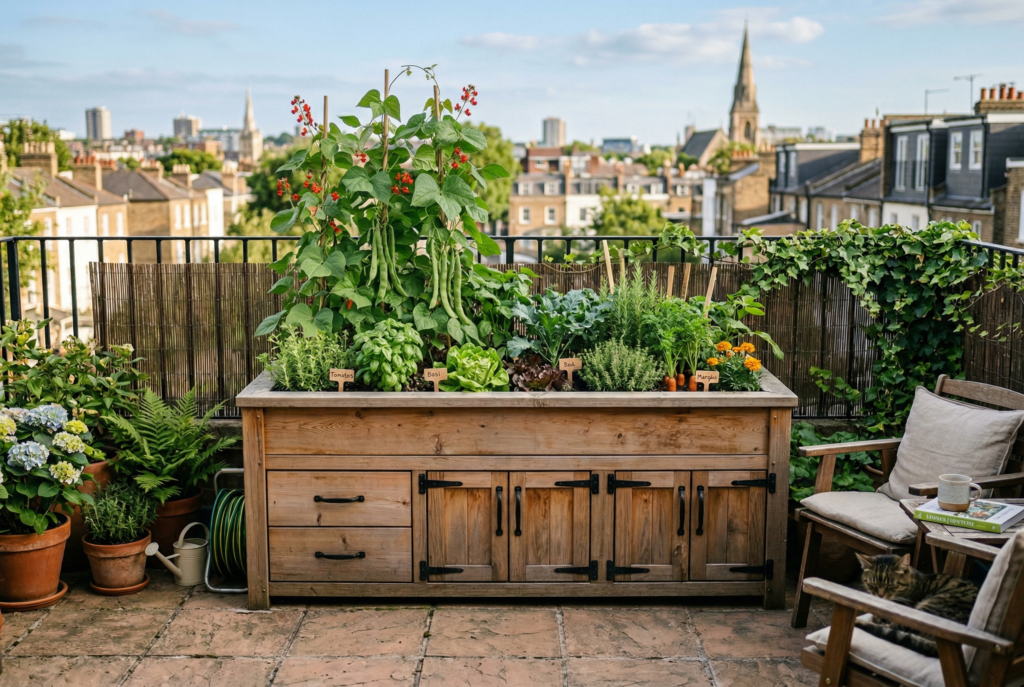
A raised garden bed with built-in storage provides an excellent way to store your gardening tools and supplies right next to your plants. You can add drawers or compartments underneath the bed for easy access to your gardening essentials.
Materials:
- Wood or metal frame
- Cushions for seating
Estimated cost: $100–$150
Steps:
- Build a raised bed with compartments or drawers underneath for storage.
- Add seating on top of the bed if desired.
- Fill the bed with soil and plant your garden.
21. Raised Garden Bed with Built-in Lighting
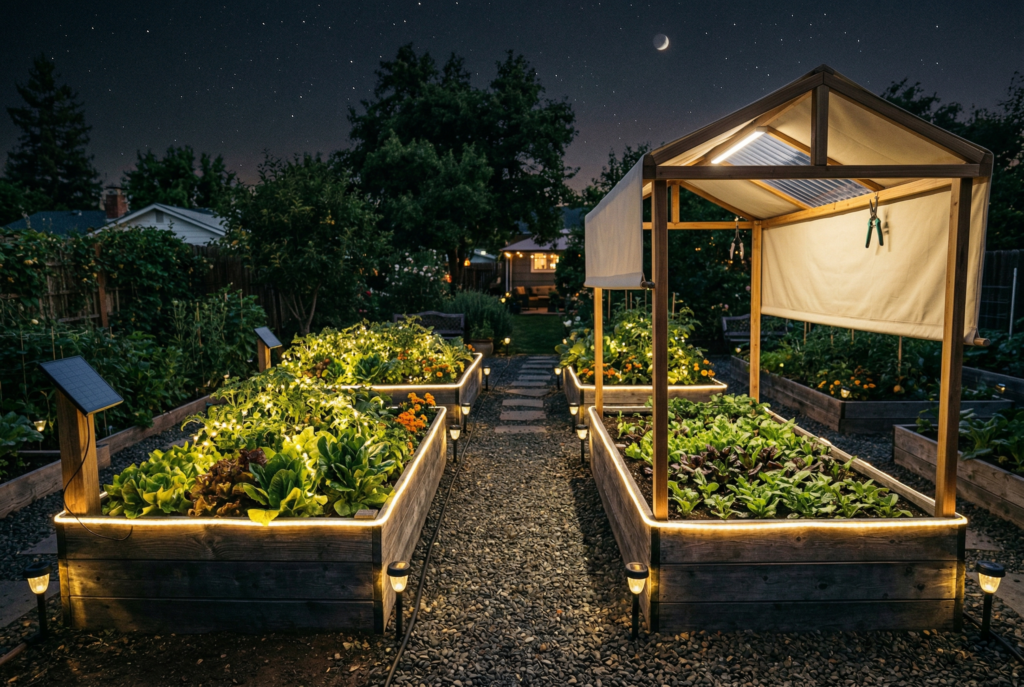
Incorporating lights into your raised garden bed will not only help your plants thrive but will also add ambiance to your garden at night. Solar-powered LED lights are a great option for an eco-friendly and low-maintenance garden.
Materials:
- Solar-powered LED lights
- Raised garden bed
- Soil and plants
Estimated cost: $50–$100
Steps:
- Install solar-powered lights around or within the raised bed.
- Ensure the lights provide enough illumination for the garden at night.
- Fill the bed with soil and begin planting.
22. Raised Garden Bed with Eco-Friendly Materials
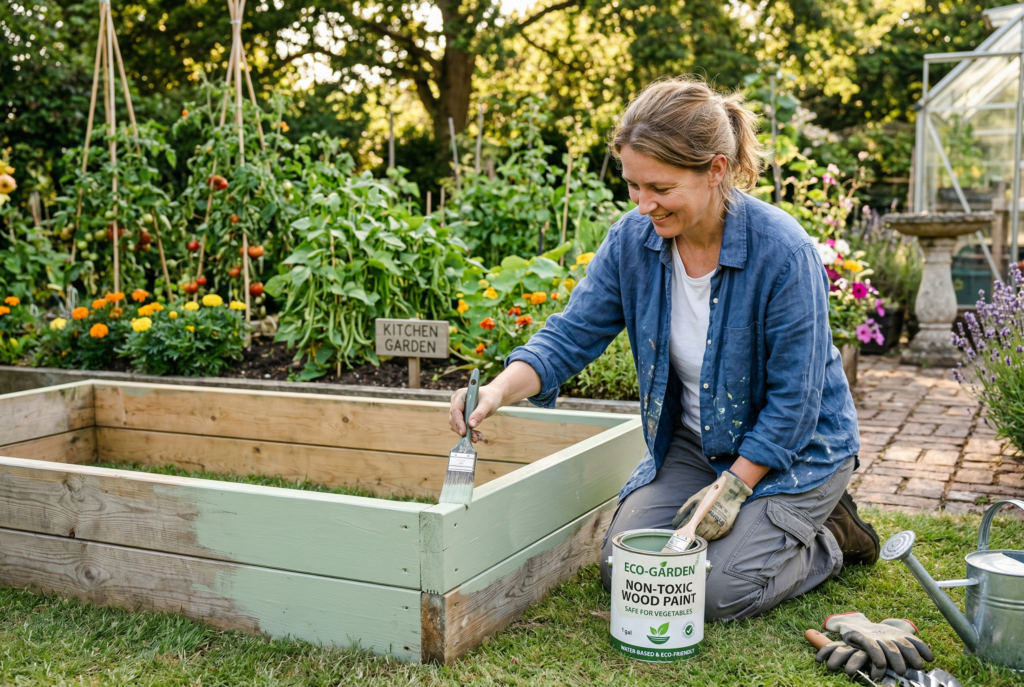
For eco-conscious gardeners, building a raised bed from sustainable materials is a great option. You can use recycled wood, non-toxic paint, and organic soil to ensure that your garden is environmentally friendly.
Materials:
- Recycled wood, non-toxic materials
- Organic soil and compost
Estimated cost: Variable depending on materials, but generally low-cost.
Steps:
- Use sustainable, recycled materials to build the bed.
- Fill the bed with organic soil and compost.
- Plant your garden using organic methods and sustainable practices.
Why Metal Raised Garden Beds Are Taking Over
Metal raised garden beds, especially those made from galvanized steel or corrugated metal, are gaining popularity among gardeners. They offer numerous advantages over traditional wood, including durability, low maintenance, and a sleek, modern aesthetic.
1. Galvanized Steel Raised Beds

Galvanized steel is resistant to rust, rot, and pests, making it ideal for long-term use. These beds also have a minimalist, industrial look that works well in contemporary gardens.
2. Corrugated Metal Raised Beds
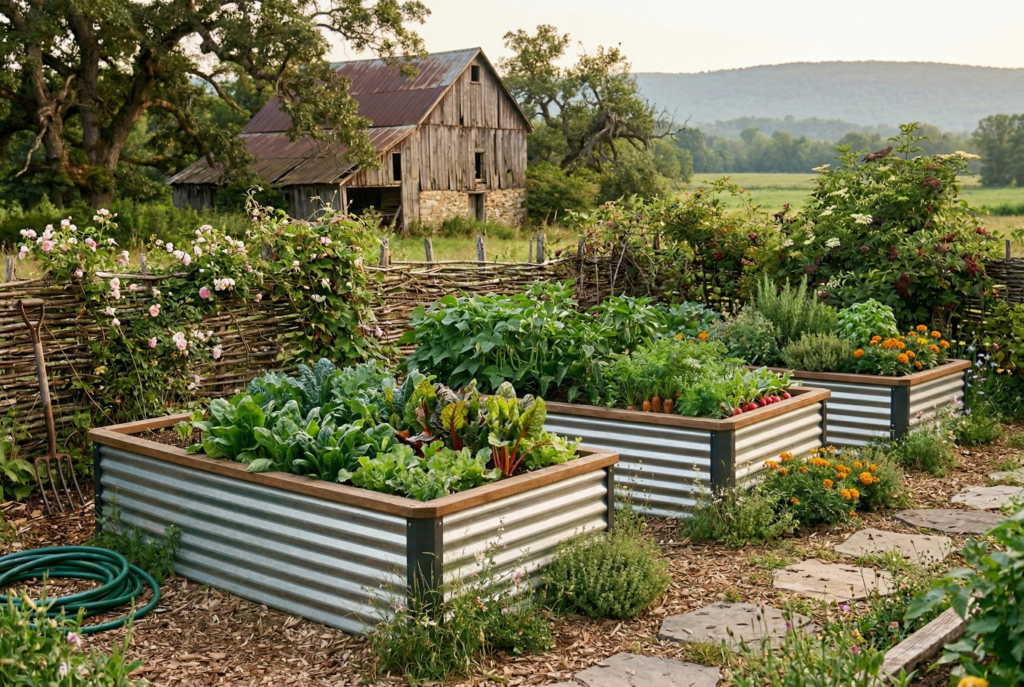
Corrugated metal beds are trendy and durable, providing a chic alternative to wood. They’re perfect for gardeners looking for a modern and low-maintenance solution.
3. Elevated Metal Beds
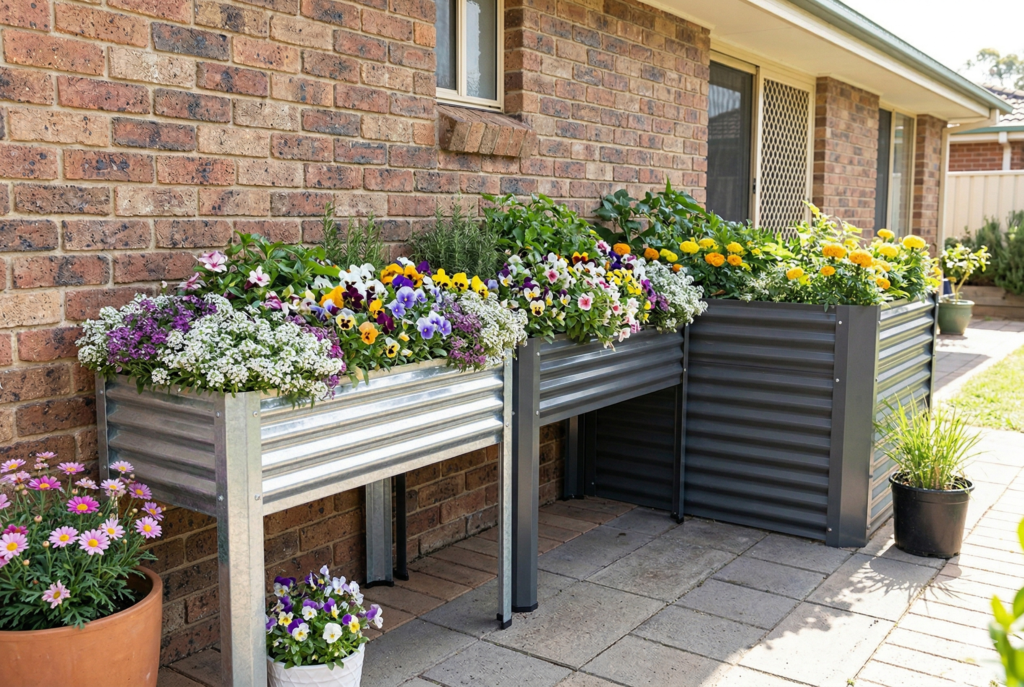
Elevated metal beds help reduce back strain while gardening. These beds are perfect for people with mobility issues or anyone who wants an ergonomic gardening solution.
Smart Shopping: Kits vs. Raised Garden Bed Clearance Sales
If you’re looking to save money on your raised garden bed project, shopping smart is key. There are a few options for budget-conscious gardeners: pre-made kits or clearance deals.
Raised Garden Bed Kits
Pre-assembled kits are convenient and save time. These kits often include pre-cut materials, screws, and instructions for easy assembly. They’re available in wood, metal, and composite materials, so you can choose the best option for your space.
Raised Garden Bed Clearance
Don’t forget to check for clearance sales, especially during the off-season. Many garden stores offer deep discounts on overstock items or end-of-season products. You can often find pre-made garden kits or materials at a fraction of the original price.
Quick Guide: How to Build a Raised Garden Bed from a Kit
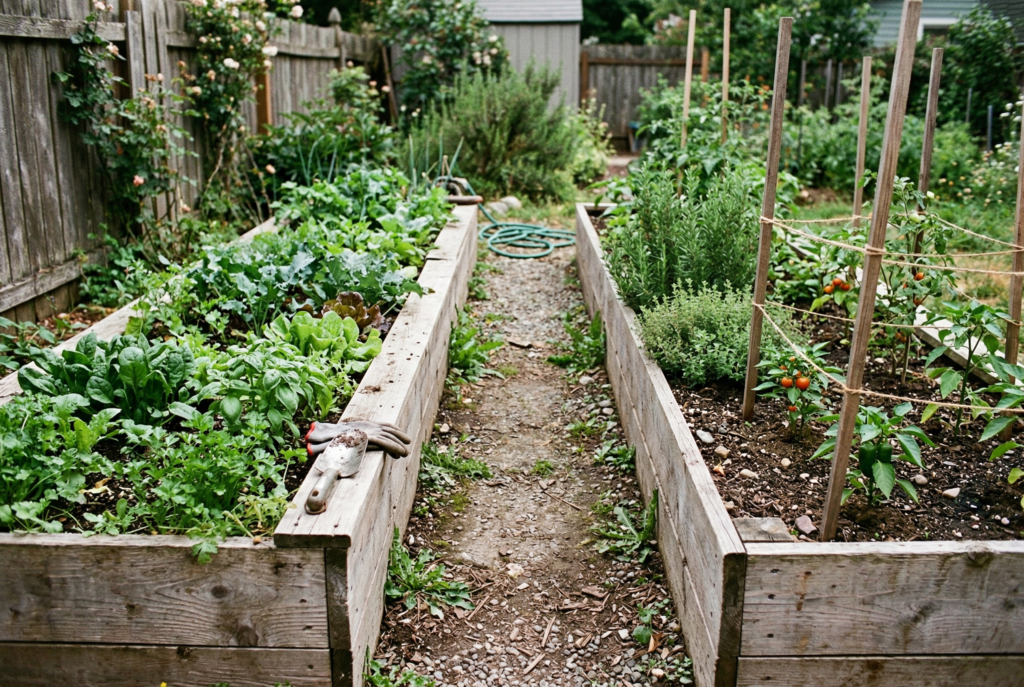
- Step 1 – Choose your location: Pick a spot that gets at least 6 hours of sunlight a day. Make sure the area is level and clear of any weeds or grass.
- Step 2 – Assemble the kit: Follow the instructions that come with the kit. Most kits are easy to assemble, with pre-cut panels and screws included.
- Step 3 – Fill with soil: Once the frame is assembled, fill it with a good-quality garden soil mix. Add compost to improve the soil’s nutrients and drainage.
- Step 4 – Plant your garden: Now that your bed is set up, you can start planting your flowers, vegetables, or herbs. Make sure to space the plants according to their needs for optimal growth.
Conclusion: Build the Raised Garden Bed of Your Dreams
No matter what your space or budget is, there’s a raised garden bed idea here that will suit your needs. Whether you go for DIY raised garden bed ideas, a sleek metal bed, or a convenient kit, your garden bed offers a low-maintenance, organized, and aesthetically pleasing way to grow your garden. Start today and enjoy the benefits of a beautiful and productive garden!