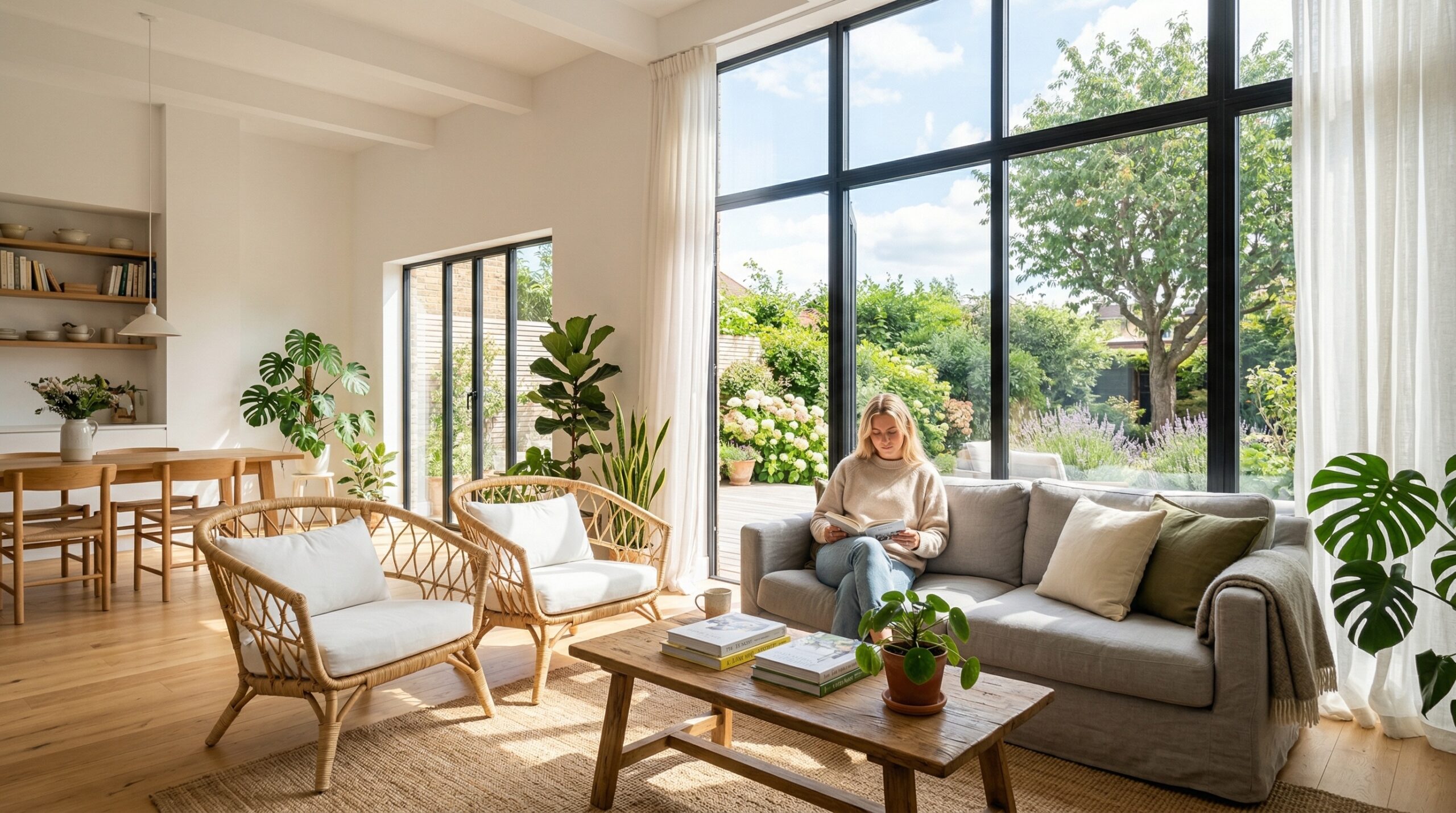
Natural light can change the entire feel of a home. It makes rooms look cleaner, more spacious, and more inviting, while also helping everyday spaces feel more comfortable to live in. Whether someone lives in a compact apartment, a suburban house, or an older home with smaller windows, there are practical ways to bring in more daylight and make interiors feel brighter without a major remodel.
Why Natural Light Matters in Everyday Home Design
A brighter home usually feels more open, more cheerful, and easier to enjoy throughout the day. Natural light can also help colors look truer, reduce the need for artificial lighting during daylight hours, and make living areas feel more connected to the outdoors.
In many homes across the United States, lighting challenges come from common design issues such as heavy window treatments, blocked windows, dark wall colors, bulky furniture placement, or layouts that don’t allow light to travel well from room to room. The good news is that many of these problems can be improved with thoughtful design decisions rather than expensive structural work.
A well-lit home goes beyond visual appeal, helping people function more comfortably and effectively in their living spaces. Kitchens become easier to work in, living rooms feel more welcoming, and bedrooms can feel softer and calmer during the day. That combination of function and comfort is what makes natural light such an important part of good interior design.
1. Keep Windows as Clear and Uncovered as Possible
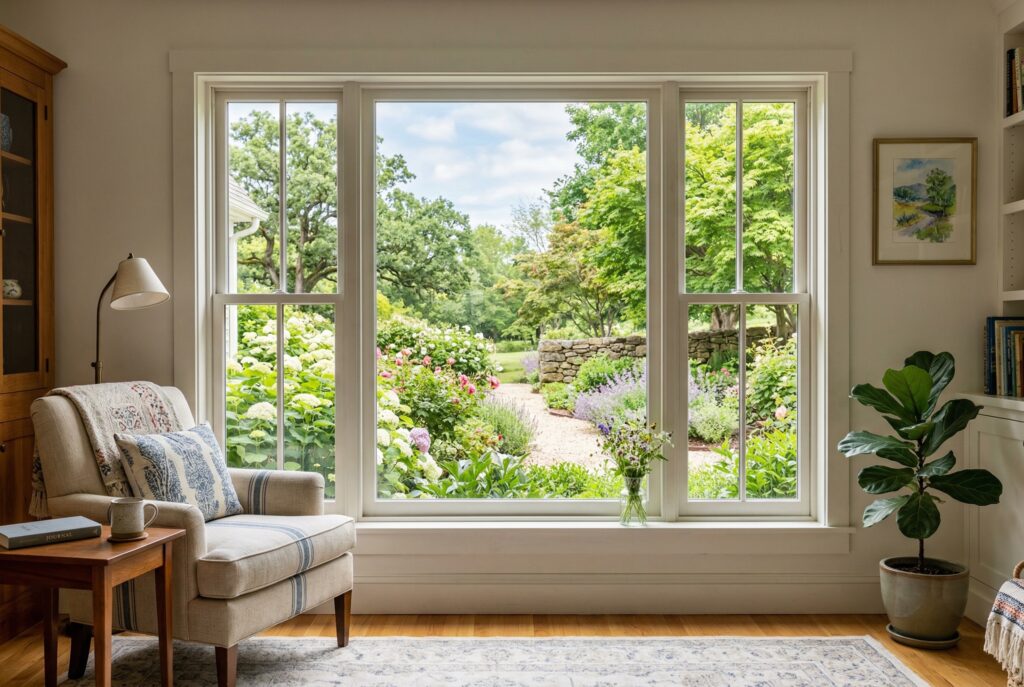
One of the simplest ways to maximize natural light is to make sure windows are actually able to do their job. That means removing anything that unnecessarily blocks daylight from entering the room.
Heavy drapes, dark curtains, oversized blinds, and furniture placed directly in front of windows can all limit how much light gets in. In many homes, switching to lighter and more functional window treatments makes an immediate difference.
Sheer curtains, adjustable shades, or simple panels that can be pulled back fully often work much better than thick layers of fabric that stay closed most of the day. Clean windows matter too. Dirt, film, and exterior buildup can reduce brightness more than many homeowners realize. Washing windows inside and out can be a quick but effective improvement.
2. Choose Lighter Wall Colors to Reflect More Daylight
Wall color has a major influence on how bright a room feels. Dark paint tends to absorb light, while lighter shades reflect it and help daylight spread more evenly around the space.
Soft white, warm beige, light greige, pale taupe, and muted pastel tones are often strong choices for rooms that need help feeling brighter. These colors can still feel warm and inviting without making the home feel stark. The exact shade matters, especially in regions where light changes seasonally or where a room faces north and gets cooler daylight. A cohesive palette also helps light move more naturally from one room to the next. When each room has a completely different and heavy color scheme, the home can feel visually broken up and more closed in.
3. Use Mirrors Strategically to Bounce Light Around the Room
Mirrors are one of the most effective tools for making a home feel brighter and more open. When placed well, they reflect both natural light and views, helping a room feel larger and less enclosed.
A mirror positioned across from or near a window can help distribute daylight deeper into the room. In narrow hallways, dim entryways, or small living spaces, this can create a noticeable lift in brightness. Large mirrors tend to have the strongest impact, but smaller mirrors can also help when grouped thoughtfully or used in darker corners.
The key is placement. Mirrors work best when they reflect something positive, such as a window, greenery, or an attractive part of the room. They’re less effective when they reflect clutter or awkward angles.
4. Rearrange Furniture So It Doesn’t Block Light
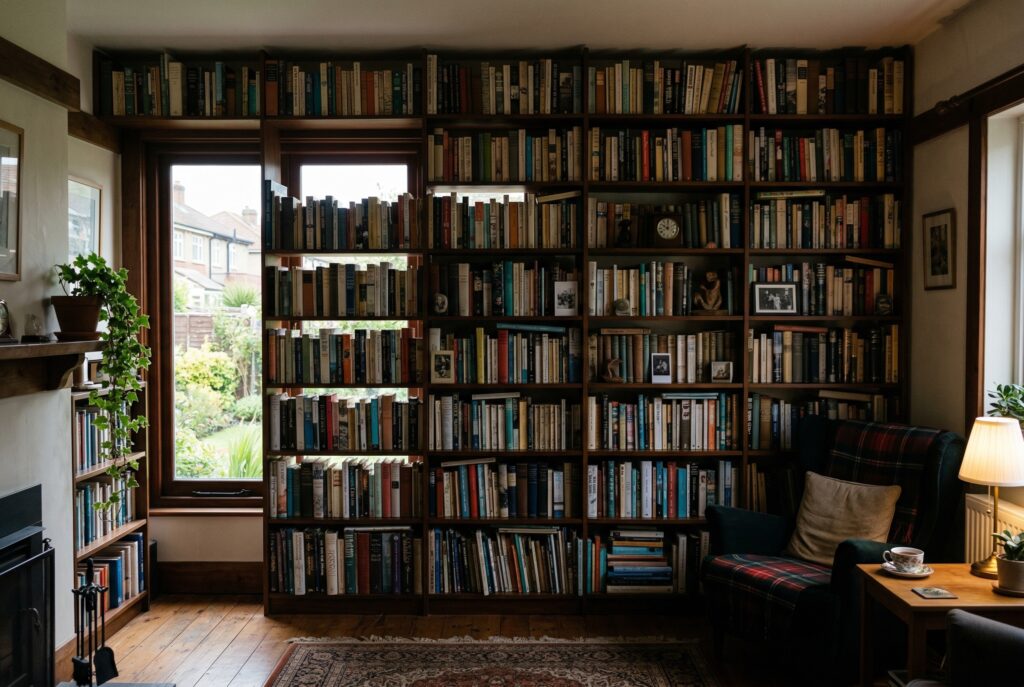
Sometimes the problem isn’t the amount of daylight a room gets. It’s how furniture interrupts it. Large bookcases, tall sofas, cabinets, and storage units placed too close to windows can stop light from traveling through the room effectively.
Rearranging the layout can often improve brightness without buying anything new. Lower-profile furniture near windows usually works better than tall, bulky pieces. In living rooms, it may help to place the sofa perpendicular to the window rather than directly in front of it. In bedrooms, moving a dresser away from the brightest wall can free up more daylight. This kind of adjustment also helps rooms feel less crowded. When light has a clearer path, the entire space tends to feel more open.
5. Add Glass, Reflective, and Light-Friendly Materials
The materials used in a room influence how bright it feels. Matte black finishes, dark wood, and dense heavy textures can absorb visual lightness, while reflective or lighter materials help amplify it.
Glass coffee tables, glossy tile, light wood finishes, metallic accents, and polished stone surfaces can all help bounce daylight around the room. That doesn’t mean every space should feel shiny or cold. The goal is balance. Even a few reflective elements can make a darker room feel more energized and visually open. This is especially useful in smaller homes where every design choice has a stronger effect. Choosing furniture and finishes with a lighter visual presence can help the room breathe more easily.
6. Keep Clutter Under Control to Let Light Work Better
A cluttered room often feels darker, even when it has decent natural light. Too many objects on surfaces, crowded furniture arrangements, or overflowing shelves create visual heaviness that makes the room feel more closed in.
Keeping surfaces cleaner and improving storage can make a surprising difference. Entry tables, kitchen counters, coffee tables, and windowsills all look brighter when they aren’t overloaded. In rooms that already struggle with limited daylight, visual simplicity helps maximize whatever natural light is available. This doesn’t mean the home has to feel empty. It simply means the room should give light enough space to shape the atmosphere instead of competing with constant visual distraction.
7. Upgrade Interior Doors and Dividers Where Possible
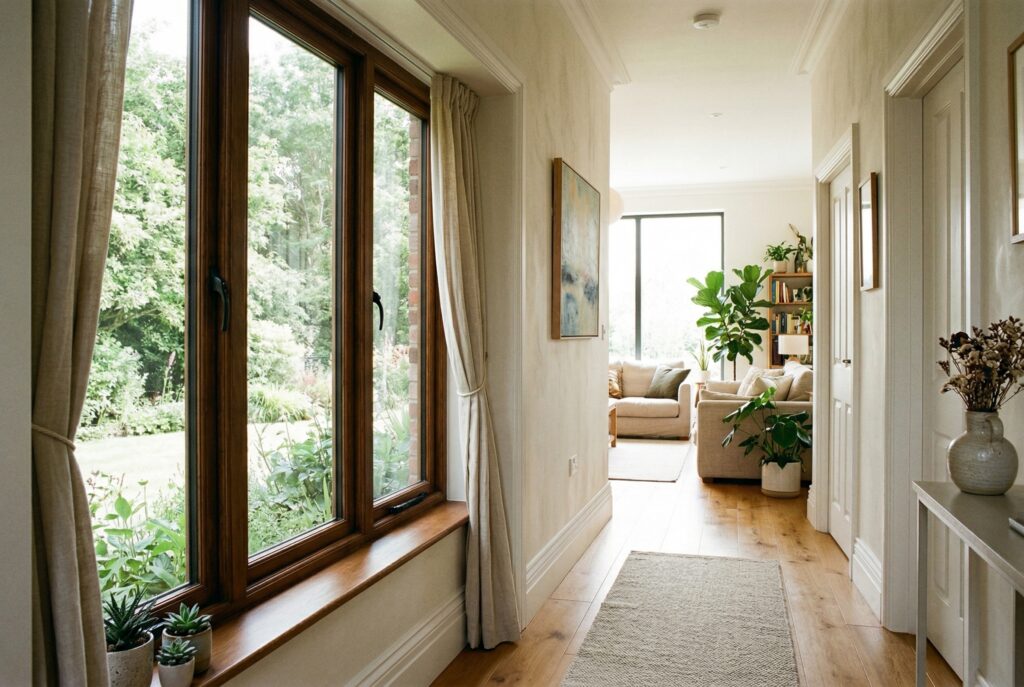
In some homes, daylight gets trapped in one room because the layout blocks it from moving further into the house. Solid interior doors, dark partitions, or bulky room dividers can all contribute to this problem.
When practical, replacing heavy dividers with more open solutions can help. Glass-paneled doors, French doors, open shelving, or wider openings between rooms may allow daylight to travel further. Even leaving certain doors open more often can improve how bright adjacent spaces feel. This is particularly helpful in older homes with segmented layouts or in smaller homes where one bright room could help support nearby darker areas if the flow were improved.
8. Layer Artificial Lighting to Support Natural Light
Maximizing natural light doesn’t mean ignoring artificial lighting. In fact, well-planned artificial light helps maintain the bright, open feeling of a home once the sun shifts or in rooms that never get enough daylight to begin with.
A single overhead fixture often isn’t enough. Layered lighting with table lamps, wall sconces, floor lamps, and under-cabinet lighting helps fill shadows and keeps rooms from feeling dull. Bulb warmth matters too. A balanced, soft white light often feels more natural and comfortable than lighting that is too cool or too yellow. The goal is to support the effect of daylight so the room feels consistently inviting throughout the day and evening.
9. Pay Attention to Flooring and Large Surfaces
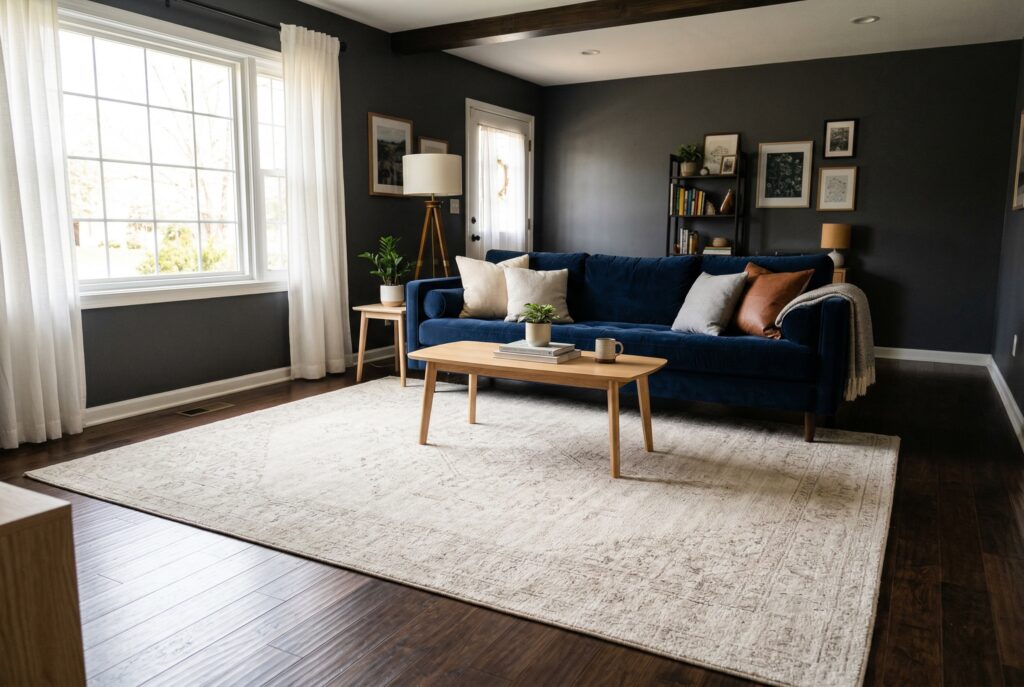
Large surfaces shape how much light a room reflects. Flooring, countertops, area rugs, and even large furniture pieces all affect the visual brightness of a home.
Lighter flooring tends to reflect more light than very dark flooring, though medium natural wood tones can also work well when balanced with lighter walls and textiles.
Large rugs in pale or medium tones can help brighten darker rooms. In kitchens and bathrooms, backsplashes and counters with a bit of reflectivity can also support a brighter overall feel. Because these surfaces cover so much visual space, even one thoughtful update can improve how open the room feels without changing the structure.
10. Trim Outdoor Obstructions and Enhance the View
Sometimes the issue starts outside. Overgrown shrubs, crowded trees, dirty screens, and exterior features that block windows can reduce how much light enters the home.
Trimming back landscaping near windows can help daylight come in more fully while also improving the view. Replacing damaged screens or cleaning exterior glass surfaces can strengthen brightness as well. If privacy is a concern, it may be better to use landscaping more selectively rather than allowing dense growth to block too much sunlight.
A clearer connection to the outdoors can also make the home feel more expansive. When windows frame light and greenery instead of shadow and obstruction, the room usually feels fresher and more open.

Conclusion
Maximizing natural light is one of the most effective ways to make a home feel brighter, calmer, and more spacious. Small changes such as clearing window areas, using lighter paint colors, adding mirrors, adjusting furniture placement, and reducing clutter can all improve how daylight moves through a space. When combined with supportive artificial lighting and thoughtful material choices, these updates can transform the atmosphere of a room without requiring a full renovation.
The best results come from looking at the home as a whole and identifying what blocks, absorbs, or interrupts light. Once those issues are addressed, even modest spaces can feel far more open and enjoyable for everyday living.