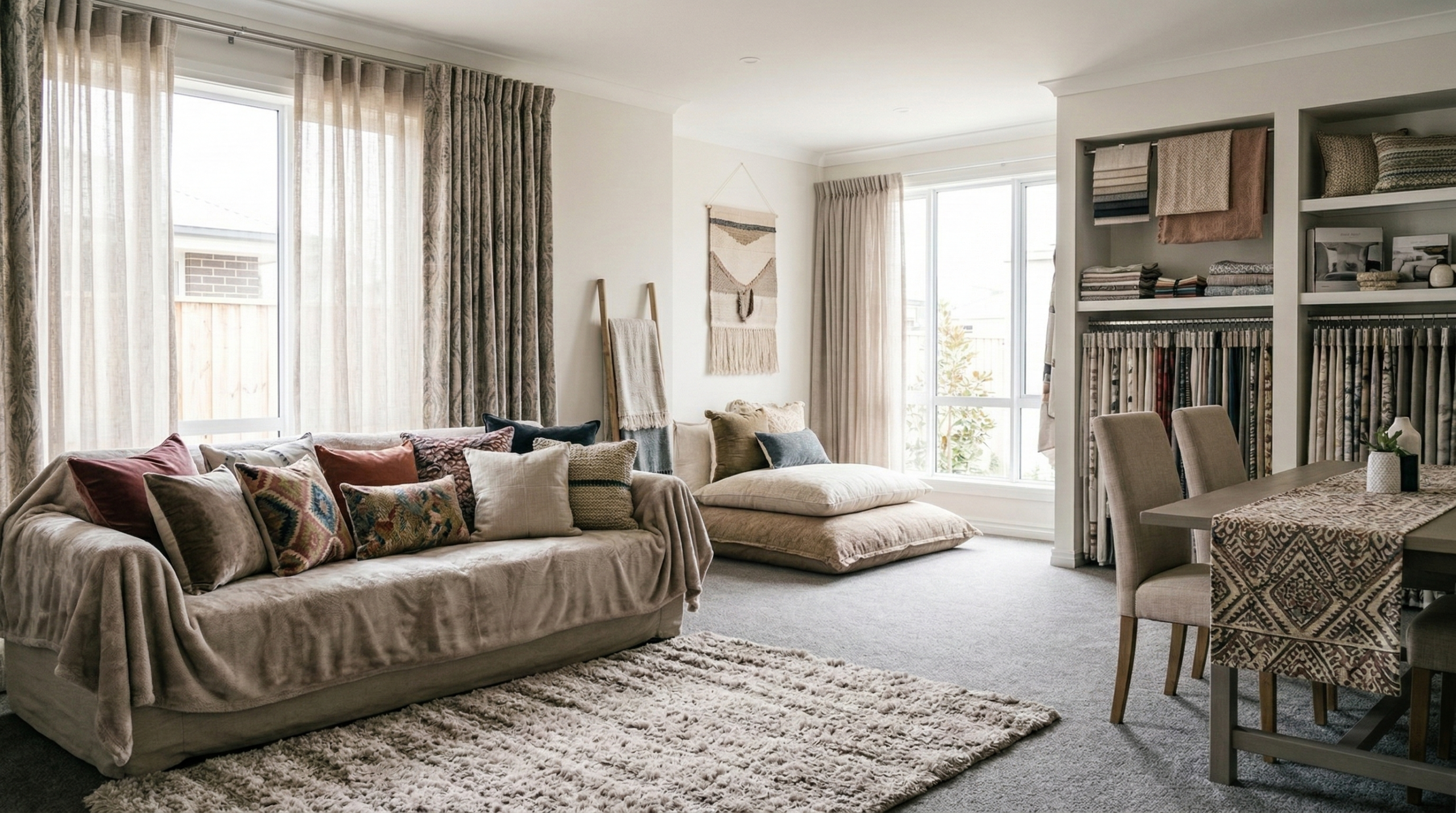
There’s a reason a room can look “finished” on paper and still feel a little off in real life. The furniture may fit. The paint color may work. The layout might even be pretty smart. But if the space feels flat, chilly, echoey, or strangely uninviting, the missing piece is often textile design. That sounds dramatic, maybe. But it’s true.
Textiles do a quiet kind of work in a home. They soften hard edges, warm up bare rooms, absorb sound, add personality, and make everyday life more comfortable. They can turn a rental apartment into a space that feels personal, help a busy family room feel calmer, and make a simple bedroom look more refined without requiring a major renovation.
And that’s what makes them so useful. In home design, textiles do far more than decorate a room. They’re one of the easiest and smartest ways to add comfort, style, and practical warmth that fits real everyday life.
Why Textiles Matter More Than Most People Realize
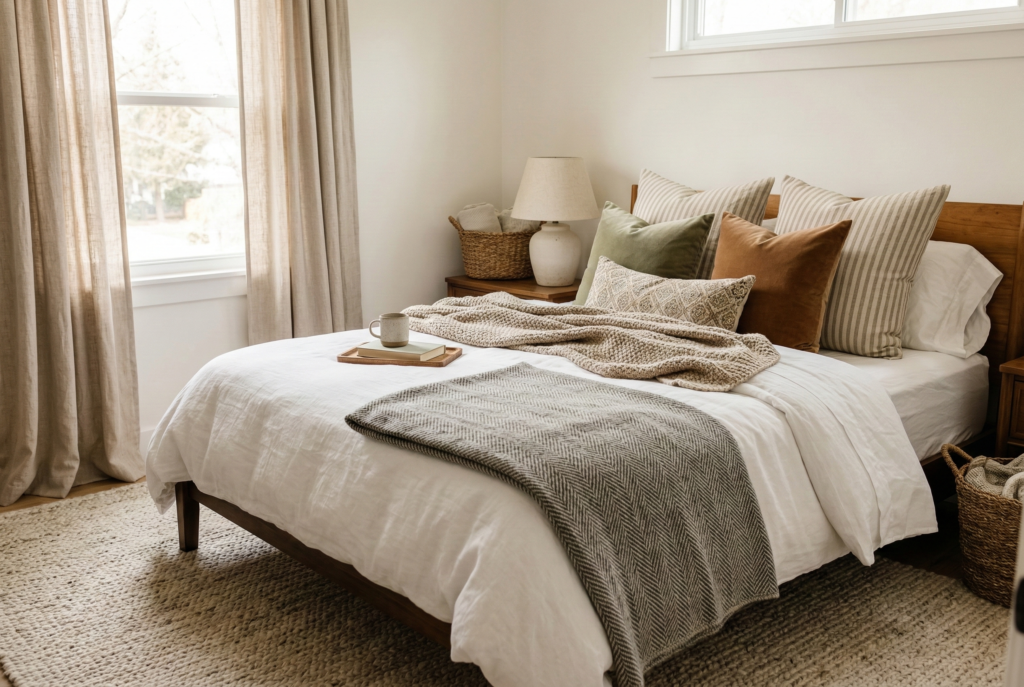
When people think about home design, they usually start with the bigger decisions: the sofa, the paint color, the storage, the lighting. Maybe flooring if they’re doing a larger update. Textiles often come later, almost like an afterthought. But that order is part of the problem.
The right textiles shape how a home looks, feels, and functions from the start. They affect comfort in a very physical way, of course, but they also influence mood. A room with layered drapery, a woven rug, and soft upholstery feels very different from one filled only with hard surfaces. It feels more settled, more livable, and more human.
That matters whether you live in a small apartment, a suburban family home, or a townhouse where one room has to do the work of three.
Textiles Help a Home Feel Warmer and More Welcoming
Hard materials have their place. Wood, tile, stone, metal, and glass all bring structure and polish. But when there’s too much of that visual hardness, a room can start to feel cold even if it looks stylish online.
Textiles add balance. Think linen curtains catching morning light, a washable rug underfoot in the kitchen, or a textured throw on the end of a bed. Those details make a space feel softer without making it fussy.
They Improve Comfort in Ways You Can Actually Notice
This is where textiles in home design do more than just look pretty.
They can help:
- reduce echo in open rooms
- soften noise in apartments and family homes
- make seating more comfortable
- add insulation around windows and floors
- create a cozier feel during colder months
That last one matters more than people expect. Functional warmth refers to both physical warmth and the emotional comfort a space can provide. A room with tactile layers tends to feel safer, calmer, and easier to settle into at the end of a long day.
They Make Style Feel Personal, Not Generic
A lot of homes look nice but don’t say much about the people living in them. Textiles are often the easiest way to change that.
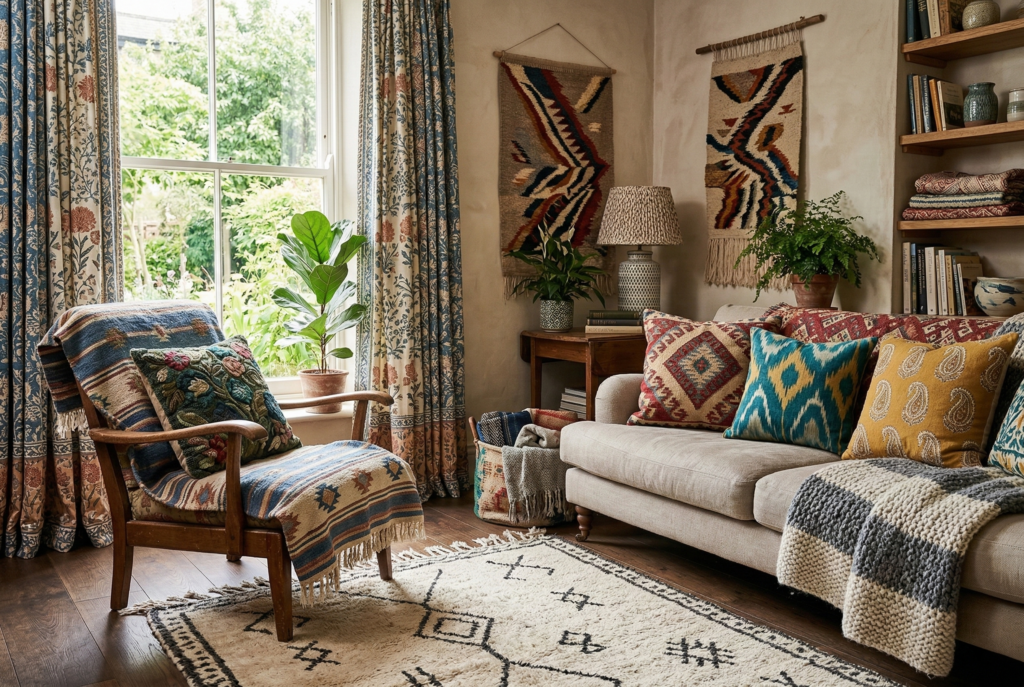
Patterns, textures, colors, and fabric choices give a room its voice. A home with relaxed cotton slipcovers and faded vintage-style rugs tells a different story than one with velvet drapes, boucle chairs, and tailored wool pillows. Neither is wrong. They simply create different feelings within a space, and that difference matters. Textiles help shape that feeling and make a home reflect the people who live in it.
The Real Role of Textiles in Home Design
The role of textiles in home design goes well beyond cushions and curtains. They influence the entire sensory experience of a room.
A home with thoughtful textile layering usually feels more complete because fabrics do several jobs at once. They add softness, yes, but they also create contrast, improve usability, and connect separate design elements so the room doesn’t feel pieced together.
Comfort
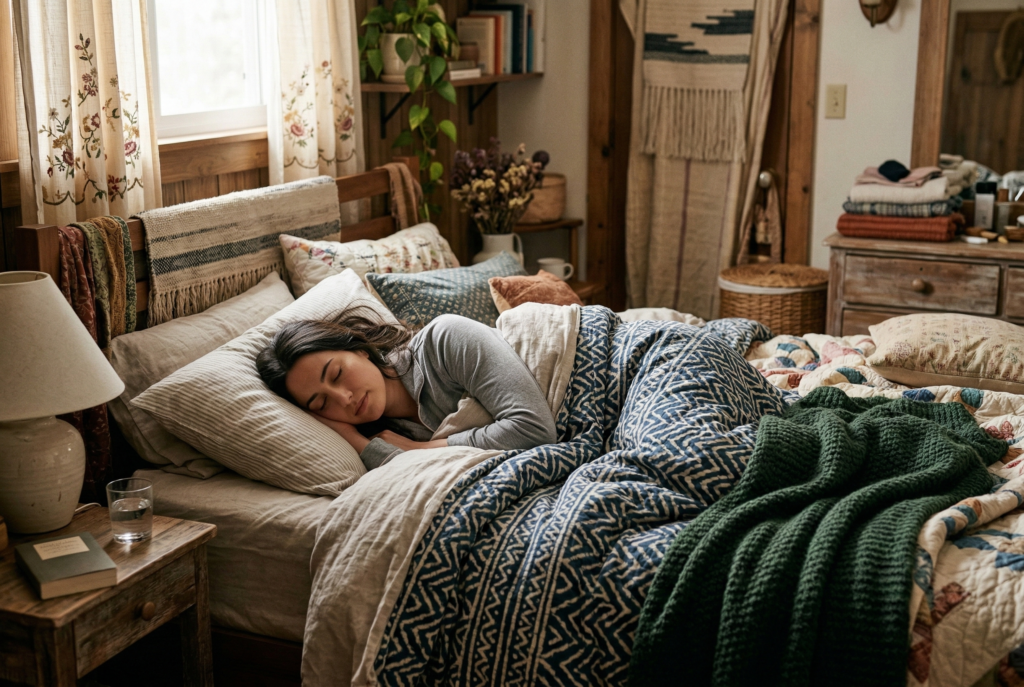
This is the most obvious benefit, but it’s still worth saying clearly. Upholstered dining chairs are more pleasant for long meals. Bedroom curtains improve sleep when they block early light. Rugs make bedrooms and living areas feel better underfoot. Throws make a reading corner easier to use on an ordinary Tuesday night, not just in a styled photo.
Style
Textiles introduce movement, depth, and visual interest. In a neutral room, they keep things from feeling dull. In a colorful room, they help repeat tones so the design feels intentional instead of random.
Function
This is where many articles fall short, because they talk about fabrics as if homes are showrooms. Real homes need materials that can handle spilled coffee, pets on the sofa, kids dropping backpacks, and the occasional muddy shoe by the door.
Performance fabrics, washable rugs, lined drapes, and durable upholstery all make a home easier to live in. Good textile choices solve problems quietly.
How Textiles Change the Mood of a Room
Some rooms feel instantly calming. Others feel energized. Some feel collected and grounded, while others feel airy and barely there. Color plays a role, obviously, but texture has just as much influence.
A room with crisp cotton, natural linen, and light-filtering panels tends to feel fresh and relaxed. Add velvet, wool, heavier drapery, and richer tones, and suddenly the space feels more intimate and cocoon-like. That shift doesn’t require a full redesign. Sometimes it only takes a few smart changes.
Soft Textures Create Emotional Warmth
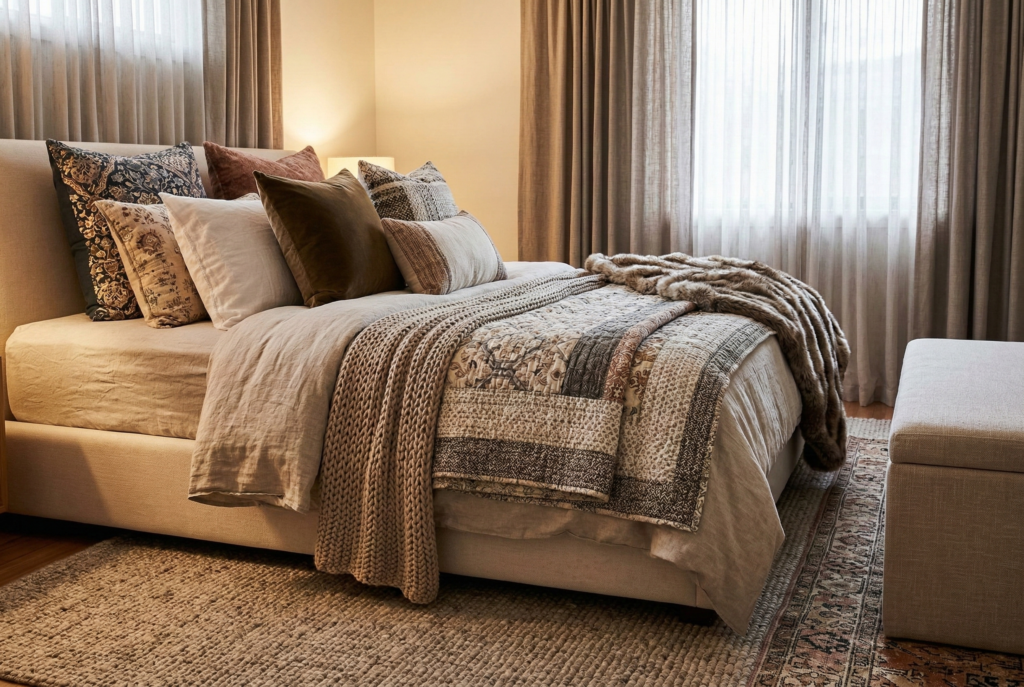
Even a minimal room can feel inviting if it includes tactile contrast. A sleek sofa looks better with a nubby pillow. A simple wood bench feels friendlier with a cushion. A basic bed frame becomes more comfortable visually when layered with a quilt, coverlet, and textured throw. People respond to softness. It’s instinctive.
Color and Fabric Work Together
A beige room with rough woven textures feels very different from a beige room done entirely in shiny, flat materials. The same goes for blues, greens, rust tones, or off-whites. Texture keeps color from falling flat. That’s especially important in today’s homes, where many people want calm, grounded interiors without making everything look bland.
Smart Ways to Use Textiles for Comfort and Function
A beautiful room that doesn’t work for real life gets old fast. This is where thoughtful fabric choices can make a huge difference.
Choose Upholstery That Matches Your Lifestyle
Not every fabric belongs in every room. A formal-looking material may be gorgeous, but if it snags easily or shows every mark, it may not be right for the sofa you use every day.
For busy households, practical choices usually include:
- performance fabrics for family-room seating
- tightly woven upholstery for dining chairs
- washable slipcovers in casual spaces
- indoor-outdoor fabrics for sunrooms, breakfast nooks, or homes with pets
These aren’t compromise choices anymore. Many performance fabrics now feel soft and look polished, which is a big reason they’ve become such a strong home design trend.
Use Rugs to Anchor and Soften a Space
Rugs do more than define furniture placement. They absorb sound, add warmth, and help separate zones in open-concept homes. A few common mistakes show up again and again, though. Rugs that are too small. Rugs chosen only for color. Rugs that look nice but make daily cleaning harder. A better approach is to start with function. Ask what the room needs. More softness? Better sound control? Easier maintenance? Once that’s clear, the style decision gets much easier.
Let Window Treatments Do Real Work
Curtains and drapes are often treated like finishing touches, but they can be one of the most practical textile decisions in a room.
They can help with privacy, glare, insulation, sleep quality, and even the perceived height of a space. In bedrooms, blackout lining can be a lifesaver. In living rooms, layered window treatments can make the room feel fuller and more tailored without feeling overdone. Honestly, bare windows work in very few homes. They usually make a room feel unfinished.
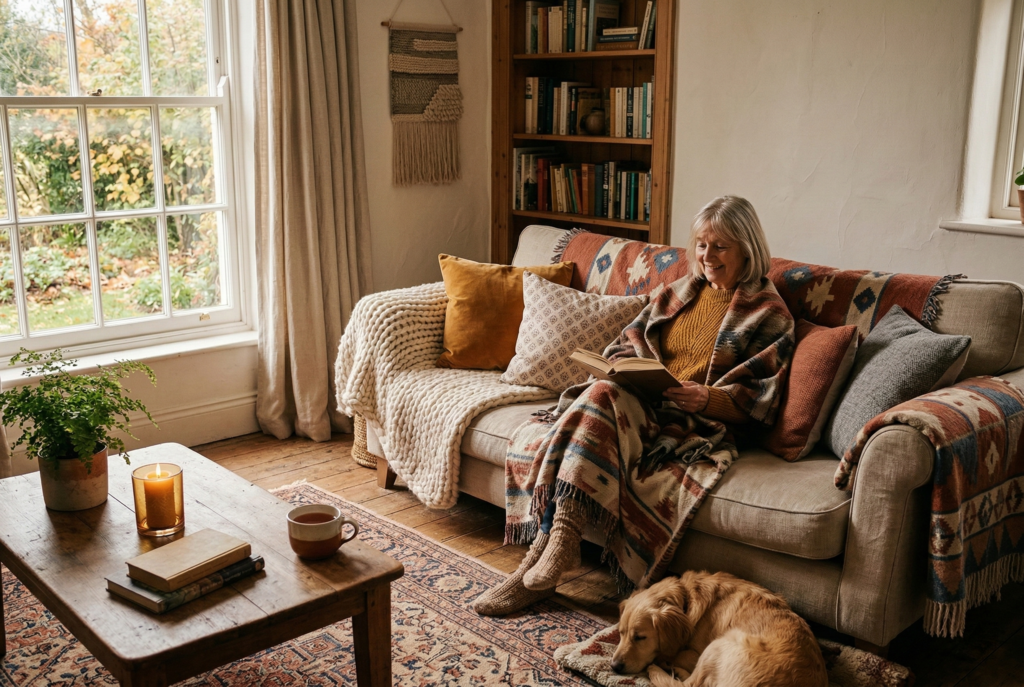
Textile Layering: The Secret to a Home That Feels Finished
This is where many people get stuck. They buy a rug, add a few pillows, toss a blanket on the sofa, and the room still feels incomplete. In most cases, the missing piece is thoughtful layering.
Textile layering works because it builds depth gradually. Instead of relying on one bold item to do everything, it lets multiple elements work together.
Start With the Base Layer
The base layer includes the larger textile pieces that ground the room. That might mean:
- an area rug
- upholstered seating
- a bed with substantial bedding
- floor-length drapes
These elements create the foundation.
Add a Middle Layer for Softness and Depth
This is where a room starts to feel lived in rather than staged. Think woven throws, a bench cushion, Roman shades, or a quilt folded at the foot of the bed. The middle layer often adds the “cozy” feeling people say they want but don’t always know how to create.
Finish with Small Accents that Add Personality
This final layer introduces individuality to the space: patterned pillows, a tactile lampshade, a soft table runner. Even fabric-lined storage baskets can shape the overall look and feeling of a room. The key is choosing pieces with enough contrast to add interest while still maintaining a sense of cohesion.
Room-by-Room Textile Ideas That Actually Work
Living Room
The living room usually needs the hardest-working textiles in the house. This is where people lounge, snack, host, scroll, nap, and occasionally let the dog take over the best seat. Use a durable rug, comfortable upholstery, and a few layered accents that can be swapped seasonally. This is also a great place for performance fabrics if you want your furniture to last and still look good. A smart formula is one substantial rug, one upholstered anchor piece, two to four pillows with varied texture, and one throw that feels inviting rather than decorative-only.
Bedroom
Bedrooms need softness, but not just in an obvious way. They also need light control, sound buffering, and materials that help the room feel restful. Layer bedding instead of relying on one heavy comforter. Mix breathable sheets with a quilt or coverlet and finish with a throw that adds weight and texture. Add drapery that supports sleep and privacy, especially if streetlights or early sun are an issue. A padded headboard or upholstered bench can also make the room feel noticeably warmer and more comfortable.
Dining Area
Dining rooms and breakfast nooks are often overlooked, which is a shame because textiles can make them feel less stiff and more welcoming. Try seat cushions, upholstered dining chairs, a low-maintenance rug, or even simple fabric panels nearby to soften echo. In open layouts, these details help dining spaces feel intentional instead of dropped into the middle of everything.
Entryway
Entryways are small, but they carry a lot of design responsibility. They set the tone. Use a runner, a durable mat, or a small upholstered bench cushion to make the space feel finished. This area especially benefits from practical materials that can handle shoes, bags, and frequent traffic.
How to Choose the Right Fabrics Without Overthinking It
Fabric selection can get weirdly intimidating. There are so many options, and once you start reading labels, everything sounds either too delicate or too boring. A simpler approach helps.
Think About Use Before Style
Before choosing a fabric, think about how the room actually functions on an average day, not your ideal day, but your real, everyday routine.
Do kids climb on this chair? Does the dog sleep on that sofa? Is this the room where you drink coffee every morning? Does this space get harsh afternoon sun? Those answers matter more than trend forecasts.
Mix Textures, Not Chaos
One of the easiest ways to make a home feel layered is to combine different textures in a controlled way. Combine smooth fabrics with nubby textures, matte finishes with soft sheen, and crisp materials with plush ones. The goal is to create contrast without creating clutter.
Don’t Ignore Maintenance
This part isn’t glamorous, but it matters. The best fabrics for home design are not always the most delicate or expensive. They’re the ones that still work after six months of normal living.
That may mean machine-washable covers, stain-resistant upholstery, or rugs that can handle heavy foot traffic without looking worn immediately.
Common Textile Mistakes That Make a Home Feel Incomplete
Sometimes a room doesn’t need more furniture. It just needs better textile choices.
A few mistakes tend to show up often:
- using rugs that are too small for the room
- choosing pillows that all have the same texture
- skipping window treatments entirely
- relying only on visual style and ignoring comfort
- picking delicate fabrics for high-use rooms
- leaving too many hard surfaces unbalanced
The fix is usually not dramatic. It’s about adding softness where a room feels rigid, adding texture where it feels flat, and choosing fabrics that support the way the space is actually used.
Conclusion
A well-designed home isn’t only about what you see at first glance. It’s also about what you notice slowly. The rug that softens your first steps in the morning. The curtains that quiet a bright room at the right time of day. The sofa fabric that holds up to real life and still feels good when you finally sit down at night. That’s the real role of textiles in home design.
They add comfort and style at the same time. But they also bring functional warmth, emotional ease, and a sense of completion that hard surfaces alone can’t create. They help a home feel more natural and lived in, adding warmth and personality while bringing a sense of balance to the space. And honestly, that’s what most people are really looking for. Not a flawless house, just a home that feels comfortable and better to live in every day.
If a room in your home feels almost right but still slightly off, textiles may be the layer that’s missing. A few thoughtful additions can bring softness, balance, and comfort, helping the space feel more complete without requiring a major makeover or a full reset.