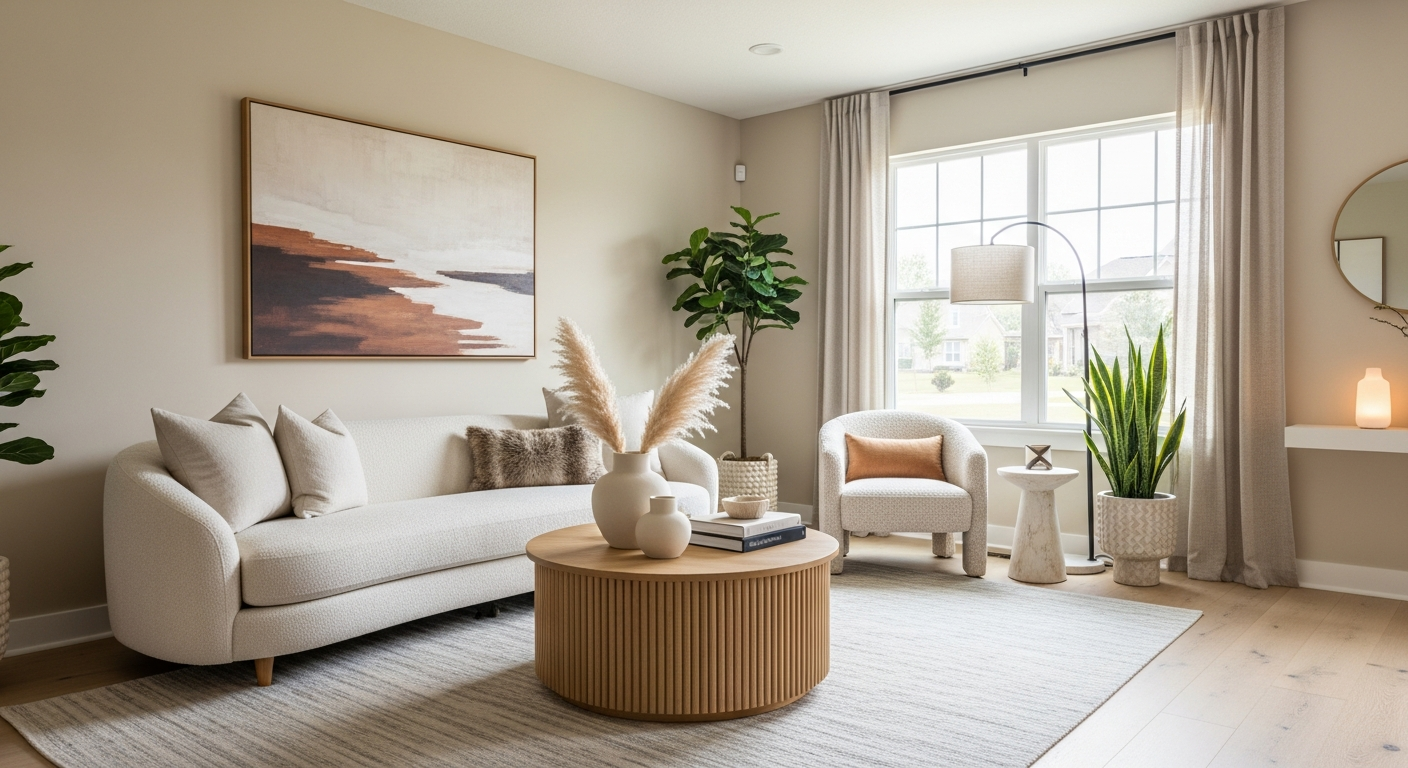
Modern homes are evolving to reflect deeper shifts in lifestyle, values, and daily priorities. Interior design today goes far beyond surface level aesthetics. Homeowners increasingly seek spaces that support comfort, mental well being, functionality, and long term value rather than short lived visual appeal.
As work, rest, social connection, and personal routines continue to merge within the home, interior design trends are responding with more thoughtful, adaptable solutions. From material choices to spatial planning, modern interiors now emphasize sustainability, personalization, and intentional living. These trends are shaping homes that feel practical, grounded, and enduring.
Introduction: Why Modern Interior Design Matters
Modern interior design matters because the home has become central to everyday life. For many households, living spaces now serve multiple roles, functioning as offices, places for relaxation, social gathering areas, and environments for emotional recovery.
Rather than following fast changing trends, contemporary interior design prioritizes thoughtful planning and long term usability. Successful modern interiors are shaped by real needs such as flexibility, comfort, health, and connection to nature. The most influential design trends today reflect these priorities, helping homes remain relevant as lifestyles continue to change.
1. Warm, Earthy Color Palettes
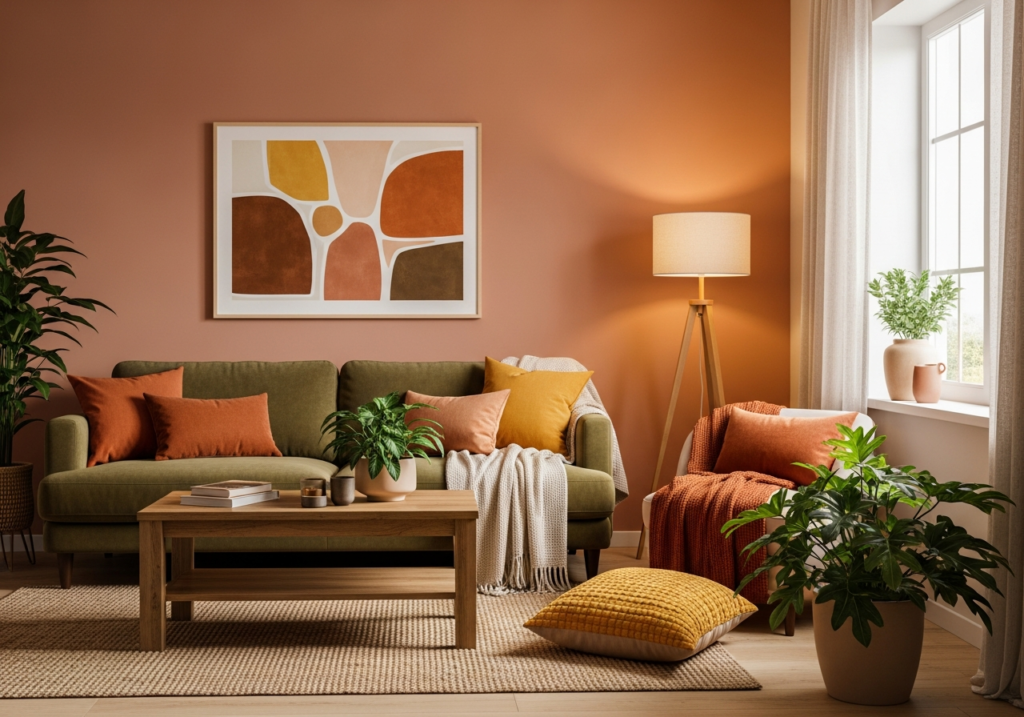
Warm, earthy color palettes are redefining modern interiors. Shades inspired by nature such as sand, clay, terracotta, olive, and soft brown are replacing the cool grays that once dominated contemporary design.
These tones introduce warmth and emotional comfort, making living rooms and bedrooms feel more inviting and grounded. In open layout homes, warm neutrals also help define different areas without creating visual heaviness. When paired with natural light, earthy palettes support calm, balanced environments that feel lived in rather than overly styled.
2. Increased Use of Organic Materials
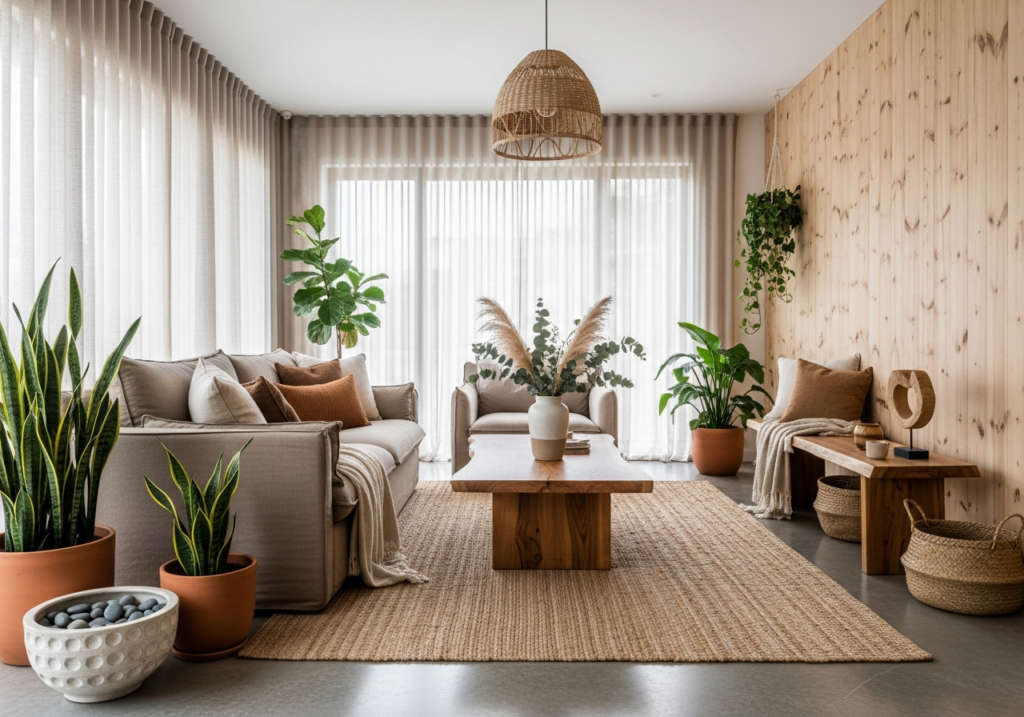
Organic materials have become a defining feature of modern home design. Solid wood, natural stone, linen, wool, leather, and clay are widely used for their durability, texture, and timeless appeal.
Homeowners are becoming more attentive to how materials affect indoor health and environmental impact. Organic materials often age gracefully, improve air quality, and reduce reliance on synthetic finishes. They’re commonly used for flooring, furniture, countertops, and textiles, offering a balance between aesthetics and long term performance.
3. Bold and Graphic Wallpapers
Bold, graphic wallpapers are making a confident return in modern interiors. Rather than covering entire homes, wallpaper is now used selectively to create visual focus and character.
Accent walls in dining rooms, bedrooms, powder rooms, or entryways allow for expressive design without overwhelming the space. Popular patterns include abstract designs, large scale botanicals, and artistic motifs. This trend enables personal expression while keeping surrounding elements neutral and adaptable.
4. Curved and Soft Furniture Forms
Curved furniture designs are softening the sharp lines of modern interiors. Rounded sofas, curved armchairs, oval tables, and arched details introduce a sense of movement and comfort. These forms feel more human centered and approachable, balancing the minimalism often associated with modern design. In open plan homes, curved furniture also improves flow and encourages social interaction, making shared spaces feel more relaxed and inviting.
5. Spa Inspired Bathrooms
Bathrooms are increasingly designed as spaces for restoration rather than purely functional rooms. Spa inspired bathrooms are now a major focus in modern homes.
This trend emphasizes calming color palettes, natural materials, soft lighting, and minimal visual clutter. Features such as walk in showers, freestanding tubs, floating vanities, and integrated storage create a sense of ease and quiet luxury. Spa inspired bathrooms support daily well being while also adding long term value to the home.
6. Defined Zones Within Open Floor Plans
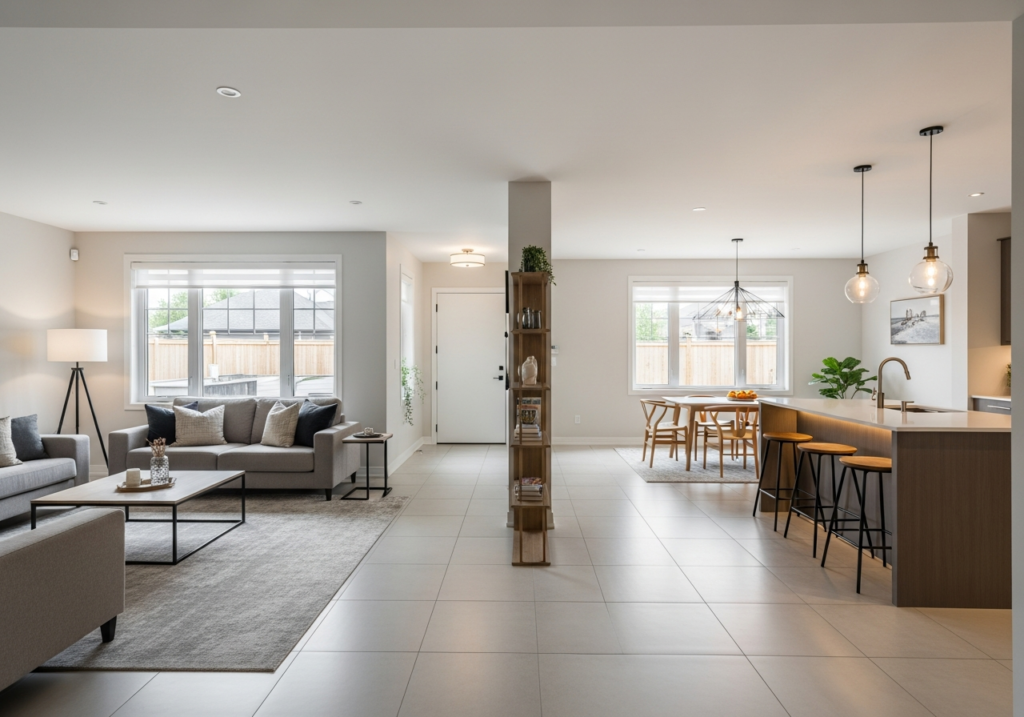
Open floor plans remain popular, but modern design places greater emphasis on spatial definition. Large, undefined spaces are being replaced with clearly zoned areas that serve specific purposes.
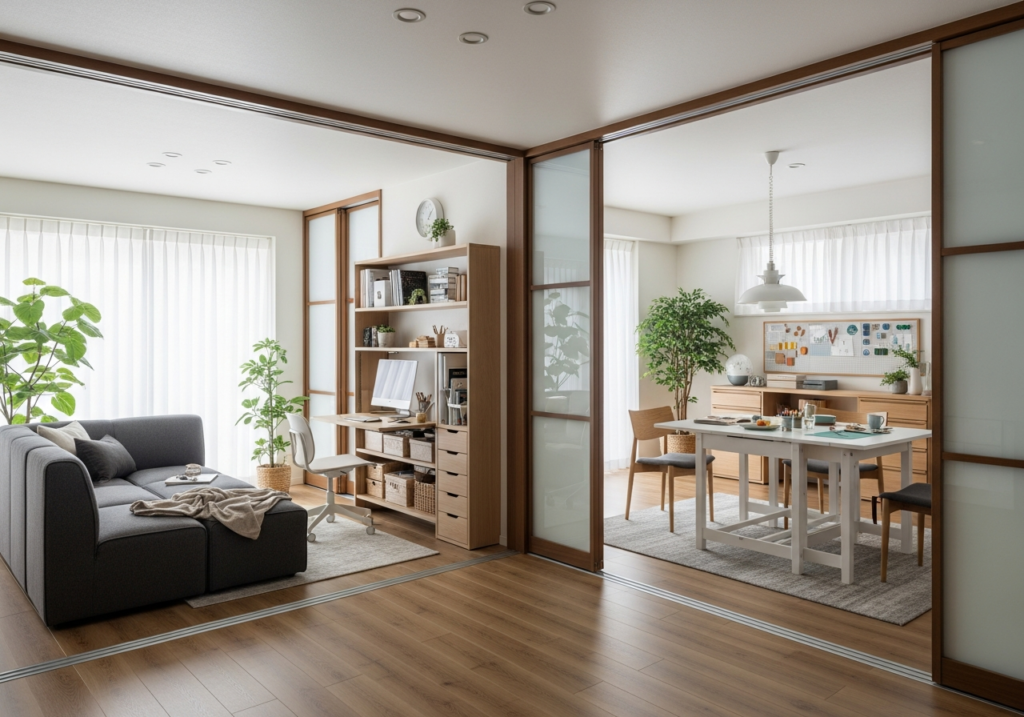
Designers use furniture placement, area rugs, lighting changes, and partial dividers to create separation without sacrificing openness. Defined zones improve functionality and privacy, especially in homes where work, family life, and relaxation occur simultaneously. This approach makes open layouts more practical and comfortable.
7. Seamless Smart Home Integration
Smart home technology continues to shape modern interiors, but with a more refined approach. Rather than standing out visually, technology is now integrated seamlessly into design. Lighting systems, thermostats, security features, and voice controlled devices are incorporated in ways that feel intuitive and unobtrusive.
These systems improve convenience, energy efficiency, and safety while maintaining a clean, cohesive aesthetic. Modern interior design prioritizes technology that enhances daily life without dominating the visual environment.
8. Multifunctional and Flexible Spaces
Flexibility has become essential in modern homes. Rooms are no longer designed for a single purpose but are expected to adapt as needs change. Guest rooms double as home offices, dining areas function as workspaces, and storage is integrated into furniture. Multifunctional design supports evolving lifestyles while maximizing available space. This trend reflects a shift toward efficiency, practicality, and intentional use of square footage.
9. Personalization Through Thoughtful Details
Personalization is increasingly valued over uniform design. Modern interiors now incorporate meaningful objects, artwork, and custom elements that reflect individual lifestyles and stories. Rather than following rigid style rules, homeowners are mixing materials, eras, and influences to create spaces that feel authentic. This approach results in interiors that feel personal, expressive, and emotionally engaging rather than generic.
10. Sustainability as a Design Foundation
Sustainability is no longer a secondary consideration in interior design. It has become a foundational principle shaping material selection, layout planning, and purchasing decisions. Energy efficient lighting, durable materials, responsible sourcing, and long lasting furniture choices support environmentally conscious living.
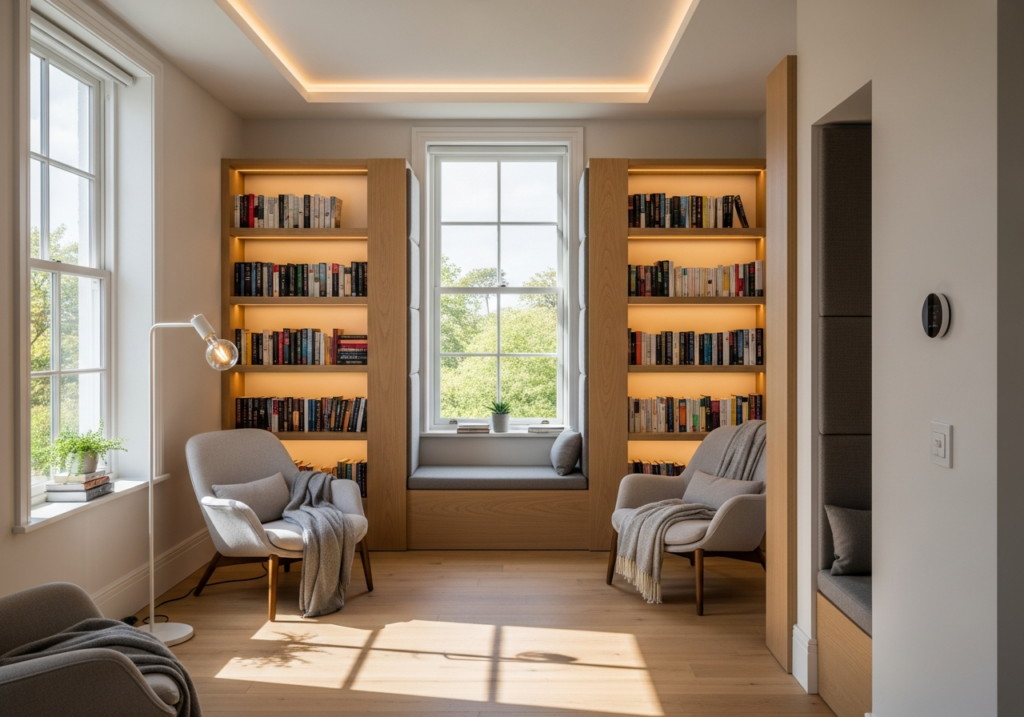
Sustainable design also aligns with long term value, reducing waste and the need for frequent renovations while creating healthier indoor environments.
Conclusion
Interior design trends shaping modern homes today reflect a clear shift toward intentional, human centered living. Contemporary interiors prioritize warmth, functionality, sustainability, and adaptability over short term visual impact.
By focusing on thoughtful layouts, durable materials, flexible spaces, and meaningful details, modern interior design continues to shape homes that evolve naturally with their occupants. These trends support living environments that feel comfortable, relevant, and valuable not just today, but for years to come.