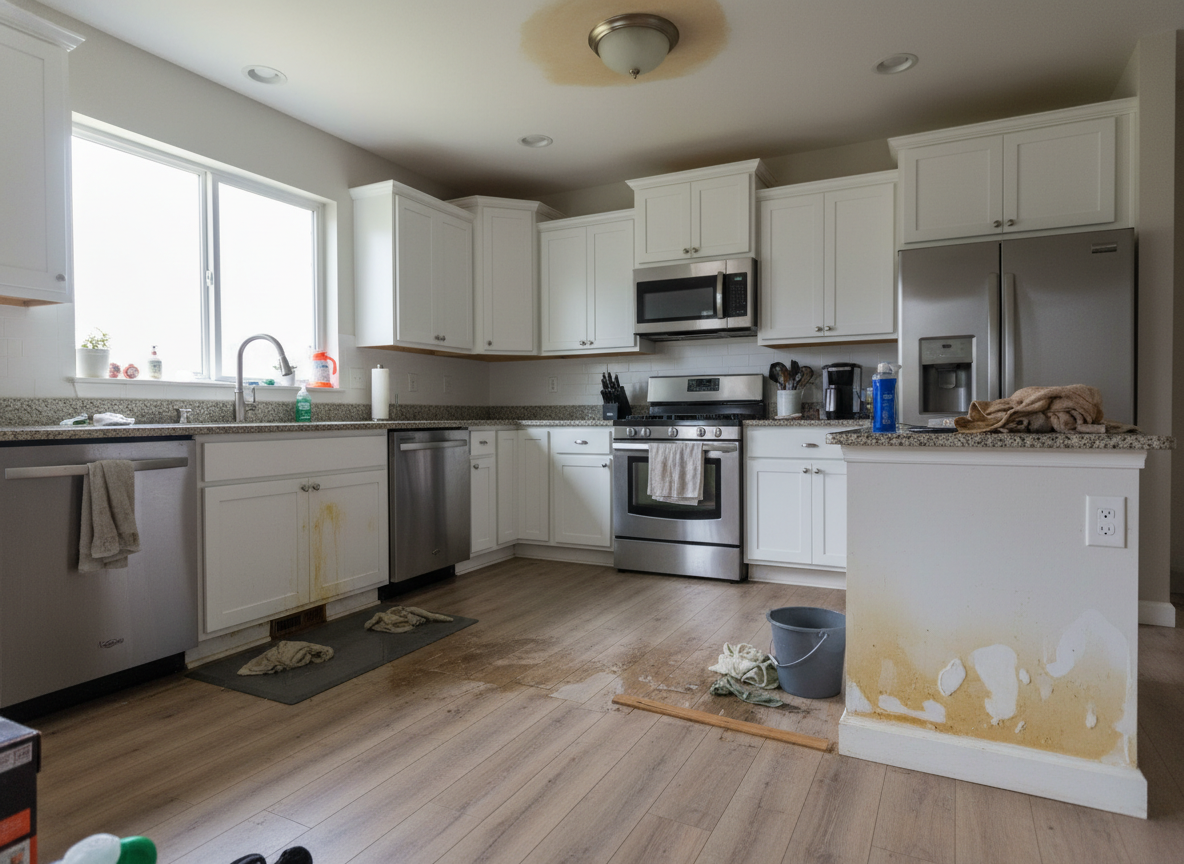
Water damage causes some of the most costly and troublesome problems for homeowners in the United States. A single leak, a pipe that bursts, or an overloaded appliance can result in expensive repairs, damage your belongings, and even lead to long-term problems like mold or weakened structures. The good thing is you can avoid most water damage with simple upkeep and the right tools.
This guide gives you practical advice, highlights the latest prevention tools, includes seasonal maintenance ideas, and shares real stories from homeowners. It’s designed to give you a clear and helpful plan to keep your home safe, dry, and in great shape all year long. If you’re a busy homeowner, a new buyer, or just someone hoping to avoid unexpected hassles, these tips can help you feel more sure about caring for your house and save money over time.
How Water Damage Happens and Why It’s So Expensive
Homeowners notice leaks when water stains show up, humidity increases, or floors start buckling. By the time water damage is visible, the problem often has lasted for days or months already.
Common reasons include:
- Old plumbing parts
- Pipes bursting or freezing
- Broken water heaters
- Washing machine hoses failing
- Roof problems like leaks or missing shingles
- Sloped ground near the foundation
- Blocked gutters and water drainpipes
- Melting snow, seasonal thaw, and intense spring rain
Even one toilet or washing machine hose leaking could dump hundreds of gallons of water in just a few minutes. Plus, storms or sewage backups can cause floods that bring dangerous contamination with them. Spotting where issues start and knowing how to address them help avoid costly damages.
1. Get Familiar with Your Home’s Water System (Easy with Big Payoff)
Knowing where your main water shut-off valve is, and how to turn it off, is a smart and often overlooked way to protect your home. When a leak happens, every second counts, and being able to quickly stop the water flow can prevent flooding, limit damage, and significantly reduce repair costs.
Take time to locate the main shut-off valve, which is commonly found in the garage, basement, or along an exterior wall. Make sure the valve turns on and off properly, identify individual shut-off valves for fixtures like toilets, sinks, and the washing machine, and check whether your sprinkler system requires a backflow preventer. Understanding how to control water flow is a simple step that can save you from major water damage and unnecessary stress.
2. Watch Your Water Use and Pressure
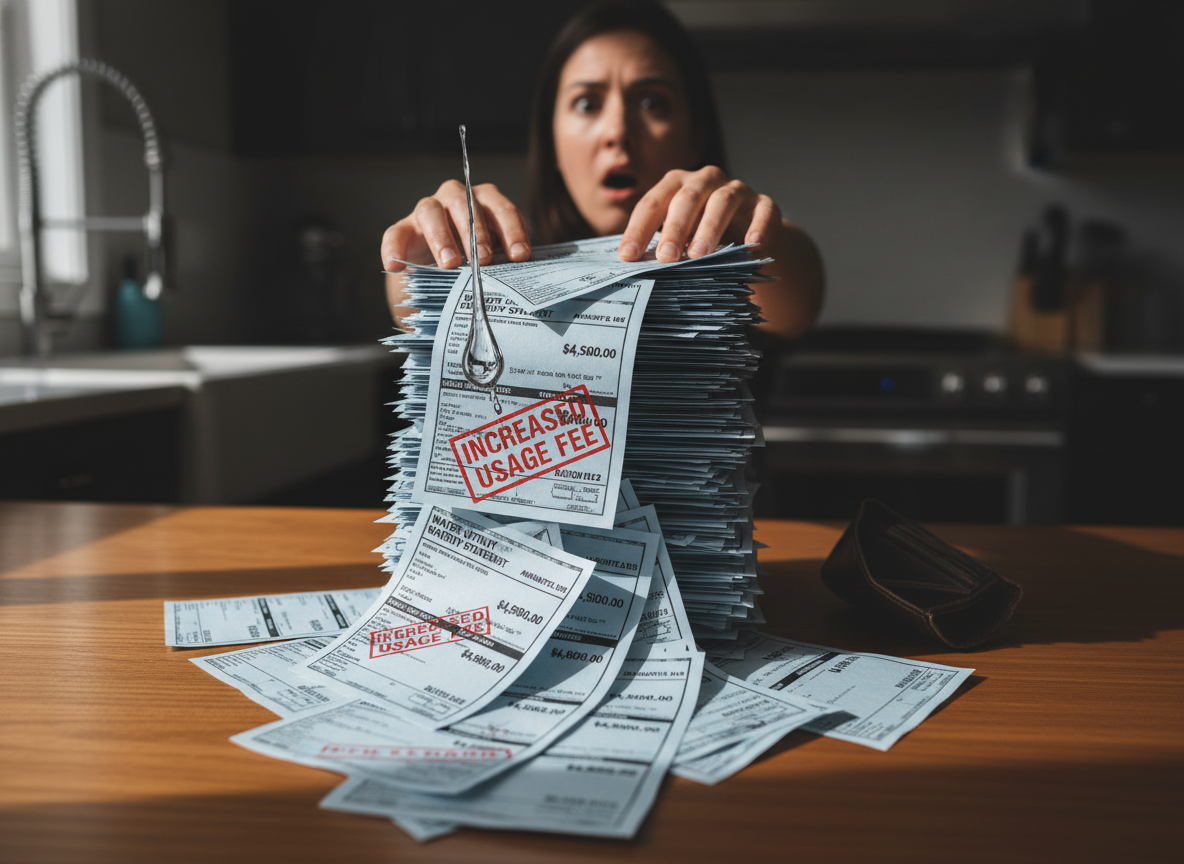
Your water bill can reveal a lot about what’s happening in your home. A sudden or unexplained increase often signals hidden issues such as undetected leaks, leaking toilets, problems with underground service lines, or broken or malfunctioning appliances that are wasting water.
How to stay prepared:
- Check your water usage every month. A family of four uses 10,000 to 12,000 gallons a month.
- Use a cheap water pressure gauge to check your pressure. The best range is 45 to 55 PSI, but anything between 40 and 80 PSI works too.
- If your water pressure seems off, contact a plumber to look at your pressure regulator.
3. Add Leak Sensors and Smart Shutoff Devices
New leak-detection devices can prevent major water damage when no one is home. Three types of tech you should think about:
Battery-Operated Moisture Sensors
You can put these next to water heaters, under bathroom or kitchen sinks, behind the toilet, or near washing machines. They alert you with an alarm whenever they find any water leaking.
Wireless Auto Shutoff Systems
These systems go a step further by using small sensors placed throughout your home to detect leaks early, automatically shutting off the water supply when a problem occurs, and sending instant alerts to your phone. They’re especially useful for frequent travelers or vacation homeowners who want peace of mind even when they’re away.
Complete Smart Water Monitoring for Your Home
High-tech systems have many functions, they can not only measure how much water you use but also spot strange water flow. Plus, they can stop water during unusual activity and keep an eye on temperature to stop pipes from freezing. A lot of insurance companies offer discounts when people use smart monitoring systems.
4. Take Care of Your Washing Machine to Avoid Hose Leaks
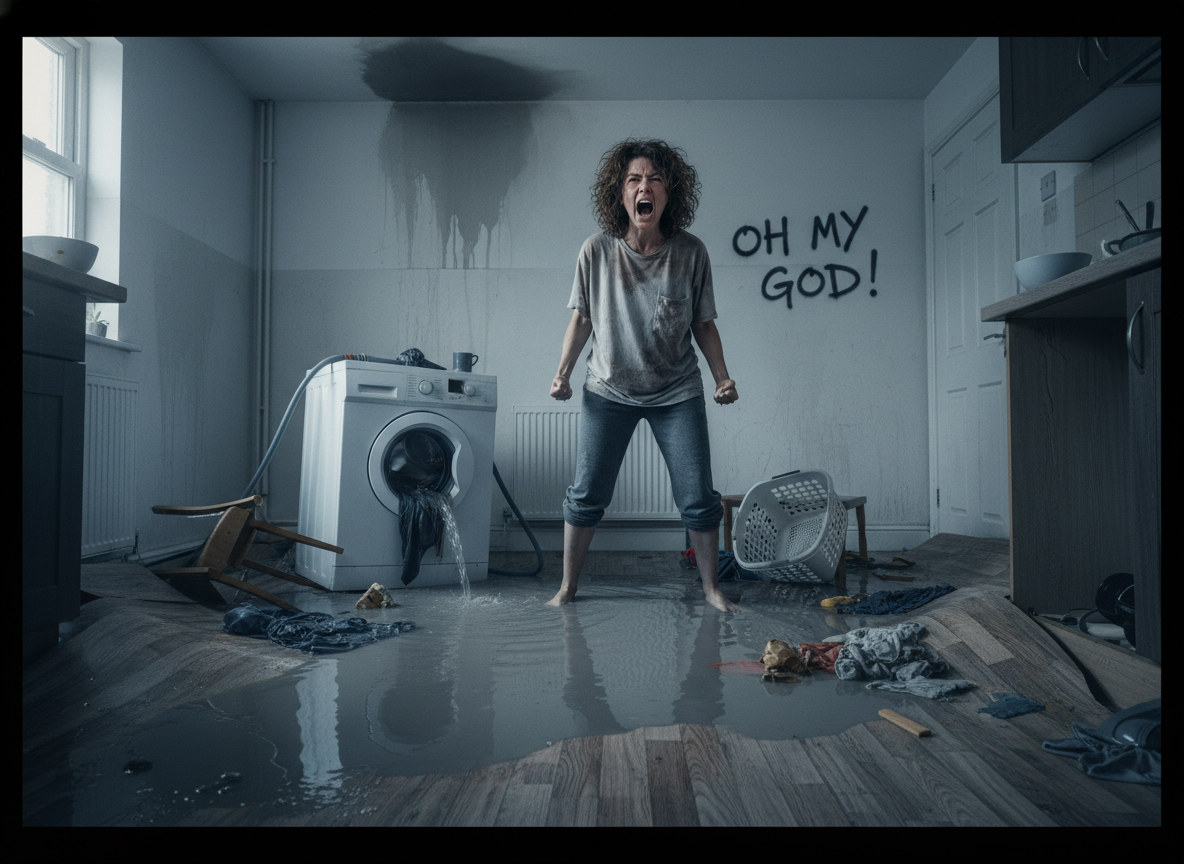
Washing machines rank among the top three reasons for water damage in homes across the U.S. There are some reasons. For example, hoses can burst, overloading might lead to overflow or connections could loosen or be installed.
Tips to prevent problems:
- Change hoses every 3 to 5 years (pick braided steel ones for better durability)
- Place a drip pan under the machine and connect it to a drain
- Add automatic shutoff valves that sense when a hose bursts
- Level the machine to stop vibration and keep connections tight
5. Keep Your Water Heater Safe Before It Breaks
Your water heater often shows warning signs before it fails, and spotting them early can help prevent major damage. Watch for rusty-looking water, popping or rumbling noises, sediment buildup inside the tank, or visible moisture and pooling water around the base, these are all signals that something isn’t right.
To reduce the risk of leaks or flooding, place a drip pan underneath the water heater and connect it to a drain if possible. You can also install a moisture sensor with an automatic shutoff valve for extra protection, or use a flexible water dam in tight spaces where a pan won’t fit. Scheduling a professional inspection once a year helps catch problems early and keeps the system running efficiently.
If a water heater fails, it can release 40 to 80 gallons of water into your home. Proper care and preventive steps can extend its lifespan to 10–12 years or even longer, saving you from costly repairs and unexpected water damage.
6. Check Toilets (Top Cause of Water Damage at Home)
People sometimes miss small leaks in toilets until the subfloor gets damaged. A simple $10 part can save you from costly water damage repair bills. Here’s the thing: you should check cracks in toilet bowls or tanks, loose water supply connections, water running nonstop, and wobbly or unsteady bases.
7. Avoid Spring Water Damage
Seasonal problems to watch for:
- Foundation cracks caused by freeze-thaw cycles
- Snow melting and soaking the soil
- Winter storms can cause roof damage
- Overflowing gutters can harm your home
Spring is one of the highest-risk seasons for water damage, which is why staying on top of seasonal home maintenance tasks can help prevent costly repairs before problems start. Here are some steps to avoid:
- Look for cracks or water pooling around the house
- Maintain clean gutters and adjust downspouts
- Check for any loose shingles on the roof
- Remove snow or ice near your foundation
- Level out soil if it leans toward the house
8. Take Care of Your Roof, Gutters, and Exterior
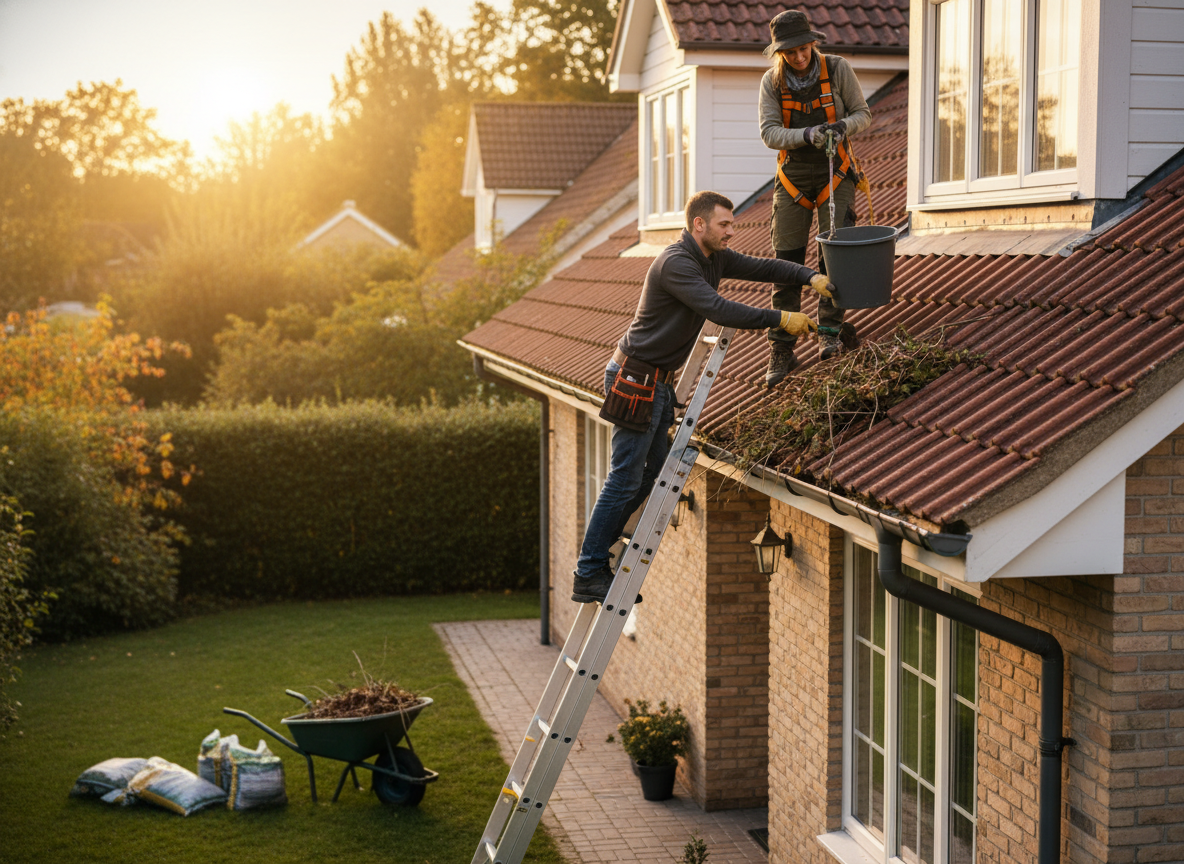
Roof Tips:
- Fix shingles that are curled or missing
- Examine the flashing near chimneys and vents
- Search the attic for wet insulation or any signs of mold
Gutter & Downspout Tips:
- Clear out debris from your gutters two times a year
- Add gutter guards to make upkeep easier
- Make sure downspouts direct water 6–10 feet away from your home’s foundation
9. Protect Your Basement and Foundation
Basements often face problems like flooding and moisture. If water collects near your foundation too, you might need to regrade the land or install a drain tile system.
How to prevent issues:
- Check your sump pump often, and don’t forget the backup power
- Watch for damp spots on walls or floors
- Use a dehumidifier and keep humidity levels between 30–50%
- Fix cracks right away before they grow
10. Learn About Water Damage Categories (When You Need Pros)
Category 1: Clean water (like from a broken supply pipe)
Category 2: Gray water (such as a washing machine overflow)
Category 3: Black water. It refers to highly hazardous water that poses serious health risks. It includes sewage backups, stormwater runoff, overflowing toilets containing waste, and floodwater that has come into contact with dirt, streets, or other contaminants.
Some small leaks are easy to fix, but not all water is safe to deal with on your own. Remember, don’t try to clean up Category 3 water damage by yourself. You need help from IICRC-certified experts who use special tools for the job.
Immediate Steps: What You Should Do When a Leak Happens
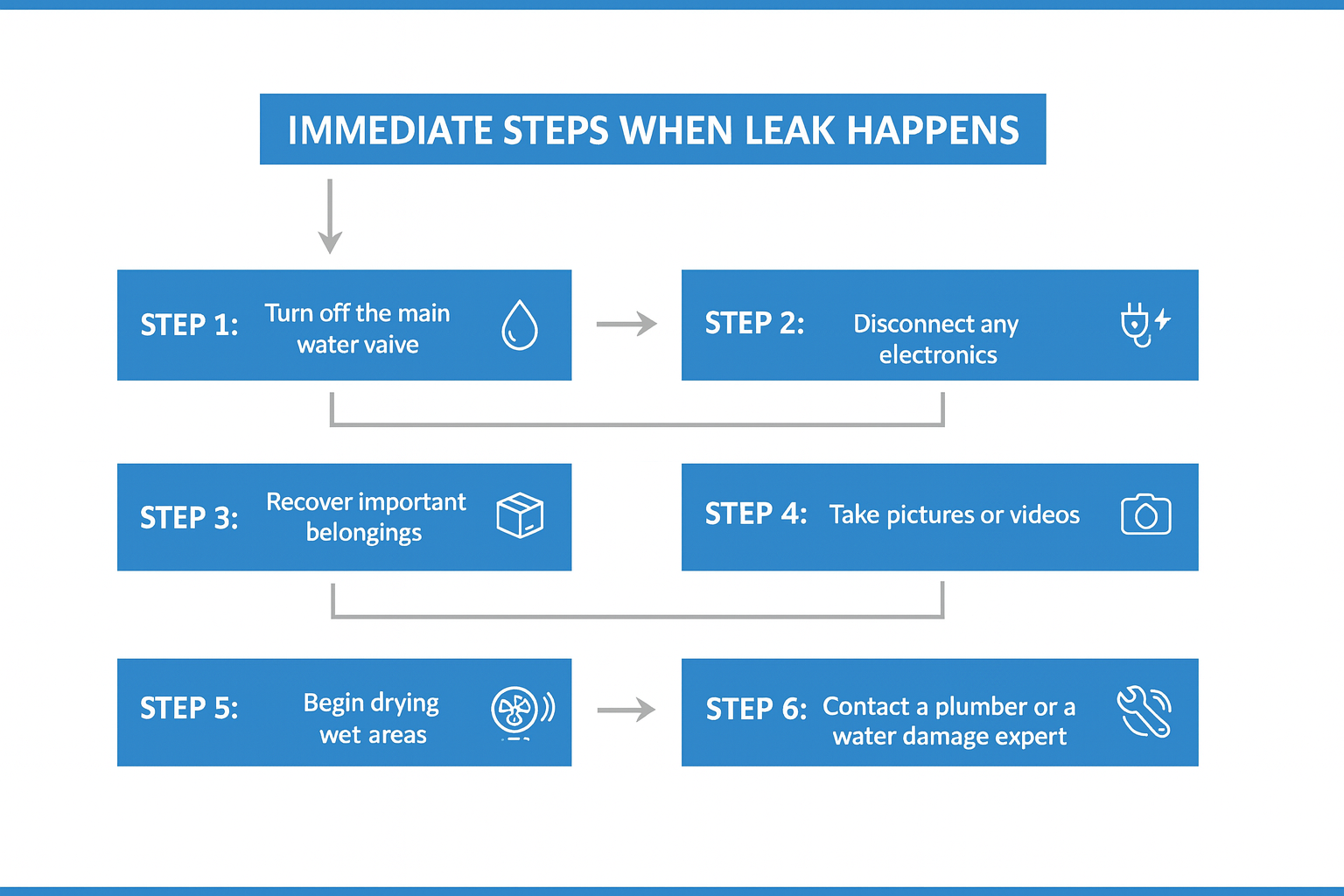
- Turn off the main water valve right away
- Disconnect any electronics close to the water source
- Relocate important belongings to a safe dry spot
- Take pictures or videos to show the damage for insurance purposes
- Begin drying wet areas as long as it’s safe to do so
- Contact a plumber or a water damage expert if the water is dirty or if the damage is severe
Final Note: Stay Prepared to Keep Your Home and Finances Secure
Preventing water damage isn’t about fixing everything all at once. You build smart habits little by little instead. Take a quick look under your sinks every month, check your roof, replace hoses before they break, and install some basic sensors. These small steps can cut down your risk in a big way.
With more extreme weather, older U.S. homes, and heavy use of home appliances, taking precautions is one of the best ways a homeowner can save money. These simple tips help you keep your property safe and keep your peace of mind intact for many years.