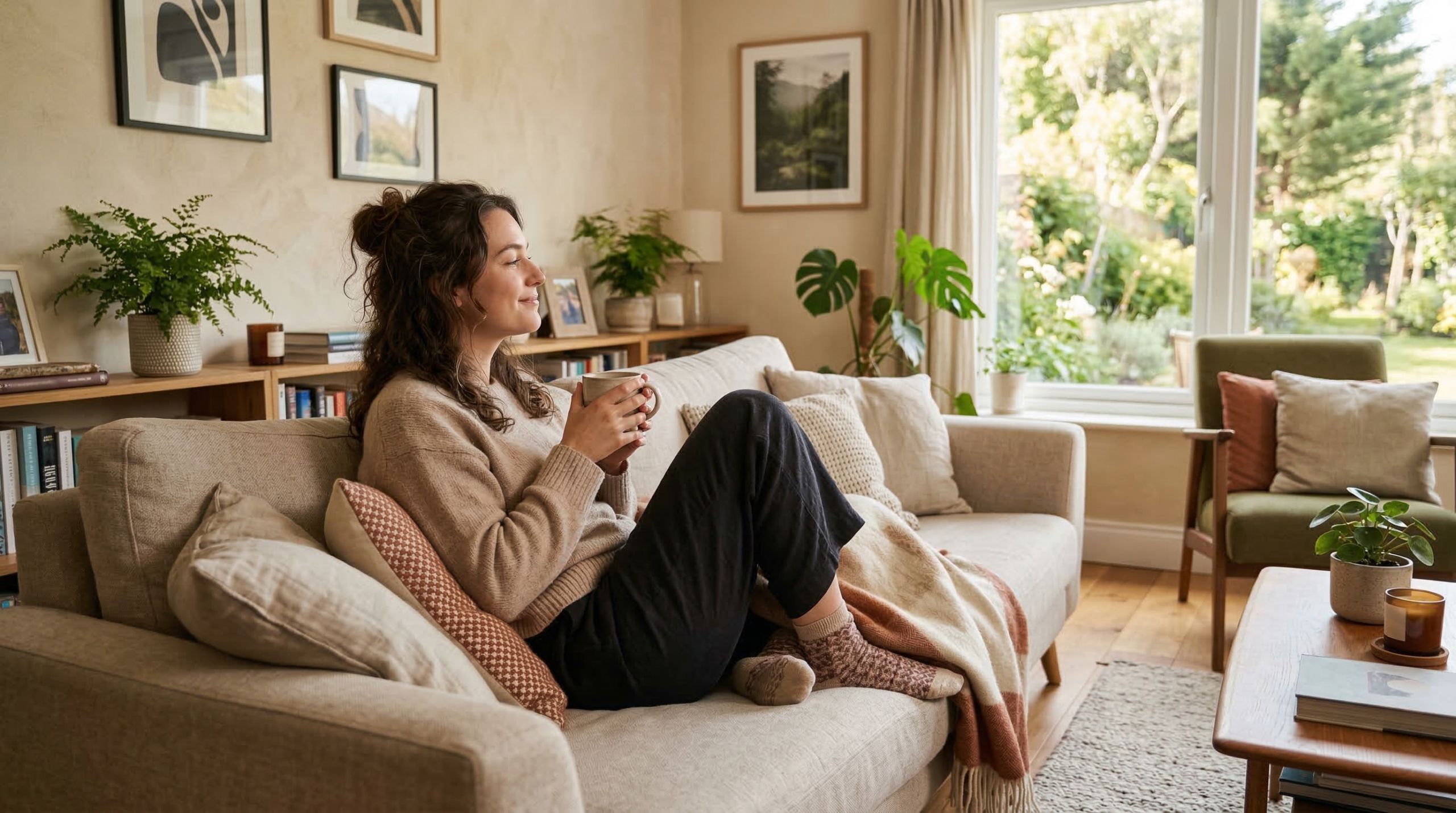
A cluttered home can affect more than how a space looks. It can shape how a person feels, thinks, and moves through the day. When rooms feel crowded, unfinished, or hard to manage, that stress often lingers in the background. Decluttering doesn’t solve every problem, but it can make home life feel calmer, lighter, and more supportive. A more organized living space often creates the kind of daily environment that helps people think more clearly, rest more easily, and feel more in control.
Why Decluttering Can Support Mental Well-Being
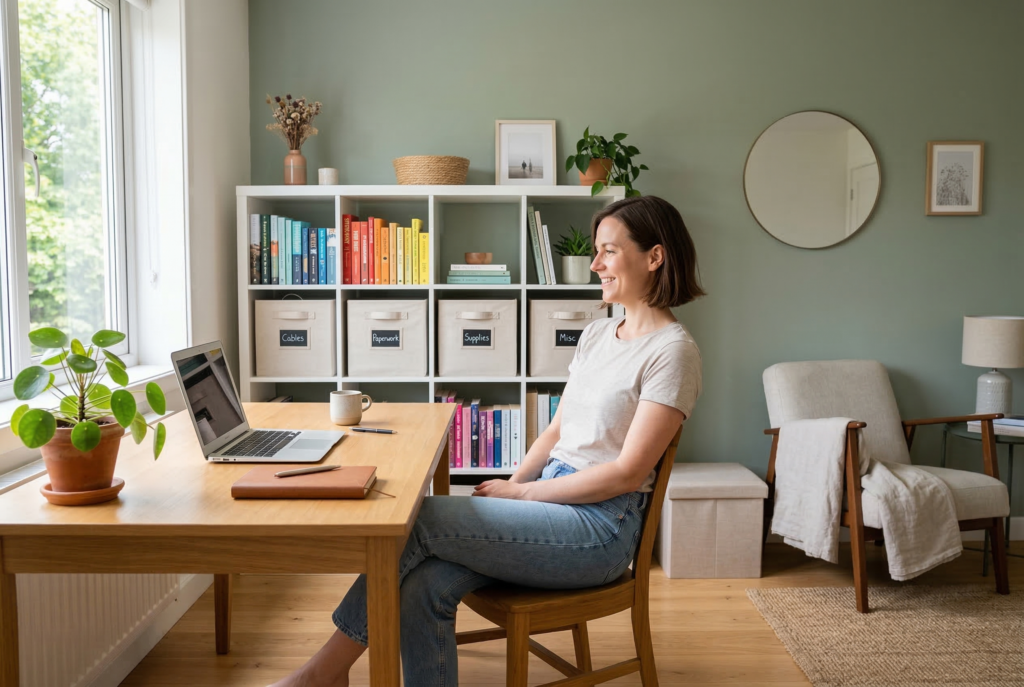
Home has become a central place for work, family routines, rest, and recovery. For many people in the United States, it’s where much of daily life happens. When that environment feels chaotic, it can add pressure to routines that are already demanding. A calm, organized home can reduce that pressure by removing some of the visual and mental strain that clutter creates.
Decluttering also supports mental well-being because it improves function. It becomes easier to find things, keep up with cleaning, and move through the day without constant distraction. While every household is different, many people find that simplifying their space helps them feel more settled and less overwhelmed.
1. Decluttering Can Reduce Everyday Stress
Visual clutter has a way of making a home feel unfinished, even when nothing urgent is actually happening. Piles of laundry, crowded counters, overloaded shelves, and random items left in every room can create low-level stress that stays present throughout the day.
When those distractions are reduced, the home often feels more manageable. That shift can make daily routines seem less heavy. Even small improvements, such as clearing one surface or organizing one problem area, can create a noticeable sense of relief.
2. A More Organized Home Can Improve Focus
It’s difficult to concentrate in a space that constantly pulls attention in different directions. When the eye keeps landing on mess, unfinished tasks, or things that need to be put away, mental energy gets divided. That can make it harder to work, read, study, or even relax.
An organized environment supports focus by reducing unnecessary input. The brain has fewer visual cues competing for attention, which can make it easier to stay with one task at a time. This is especially valuable in homes where living areas also serve as workspaces or homework zones.

3. Decluttering Often Creates a Greater Sense of Control
One reason clutter feels mentally draining is that it can make life seem harder to manage than it really is. When cabinets are packed, surfaces are crowded, and important items keep getting lost, the home starts to feel like something that’s happening to you instead of something that supports you.
Decluttering can help restore a sense of control. Making decisions about what stays, what goes, and where things belong often gives people a stronger feeling of order. That feeling doesn’t come from perfection. It comes from knowing the space is working better and responding more smoothly to everyday needs.
4. Calm Spaces Can Help Lower Mental Overload
Modern life already comes with constant input. Phones, work demands, family logistics, errands, and endless notifications can make people feel mentally full before the day is even over. A cluttered home can add to that overload by keeping the environment visually noisy.
A calm living space can offer a form of relief. Clearer surfaces, simpler rooms, and more thoughtful storage can make home feel like a place where the mind gets a break. The idea is simply to create a space that feels less crowded and easier for the mind to process, without requiring the house to look minimal or empty.
5. Decluttering Can Support Better Sleep
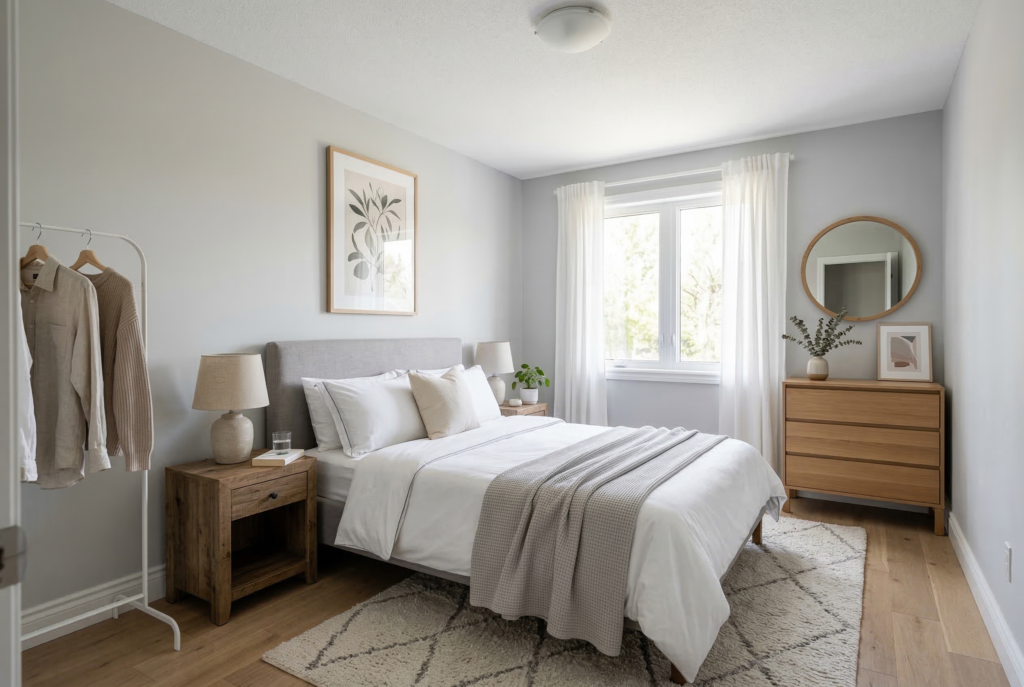
Bedrooms that are filled with laundry piles, extra storage, paperwork, or general overflow often don’t feel especially restful. Even when people get used to that kind of clutter, it can still affect the overall mood of the room. A bedroom that feels busy can make it harder to fully relax at night.
Decluttering the sleep space often improves the atmosphere in a subtle but important way. Clear nightstands, a more organized closet, and fewer items competing for attention can help the room feel quieter. When the bedroom feels calmer, it becomes easier to settle down at the end of the day.
6. A Cleaner, Simpler Home Can Ease Feelings of Guilt
Clutter often carries emotional weight. Many people feel embarrassed by it, frustrated by it, or ashamed that they haven’t dealt with it sooner. That guilt can build over time, especially when the same mess keeps returning or certain spaces are avoided altogether.
Decluttering can ease that emotional burden. Progress, even in small amounts, often creates a sense of movement and self-trust. Instead of feeling stuck in the same cycle, people begin to see that change is possible. A more organized home can replace some of that guilt with relief and a stronger sense of capability.
7. Organized Spaces Can Make Daily Routines Feel Smoother
Mental health is closely tied to daily experience. When mornings begin with missing keys, crowded counters, and last-minute searching, stress builds quickly. When evenings end in a messy kitchen or a chaotic living room, it can feel harder to reset.
Decluttering supports mental well-being by making daily routines more predictable and less frustrating. Entryways function better when shoes and bags have a place. Kitchens feel easier to use when counters are clearer. Bathrooms become less stressful when essentials are easy to find. Small changes in function can improve how the entire day feels.
8. Decluttering Can Create More Room for Calm Activities
When clutter takes over a room, it often limits how that room is used. A chair becomes a place for piled clothes. A table becomes a storage zone for unopened mail. A guest room turns into a catch-all. Over time, the home may stop supporting the very activities that help people feel better.
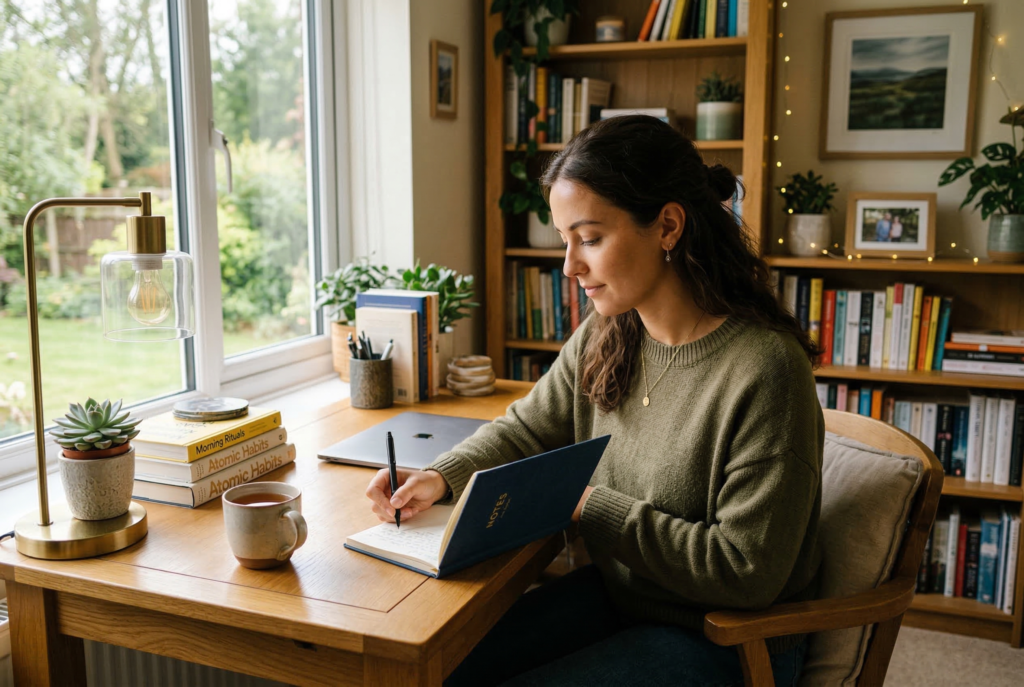
Decluttering can reopen space for calming routines like reading, stretching, journaling, cooking, or sitting down with family without visual chaos in the background. That matters because mental well-being is often supported by small, repeatable habits. A home that makes those habits easier can become a more restorative place to live.
9. A Calm Home Environment Can Improve Mood
There’s a reason people often describe organized spaces as peaceful, fresh, or lighter. The environment around us influences mood in quiet but persistent ways. When a room feels cleaner, more open, and less chaotic, it often becomes easier to feel settled there.
Feeling irritable or emotionally drained can’t be attributed to clutter alone. Life is more complicated than that. But a calm home can remove one ongoing source of tension. It can make everyday living feel more comfortable, which often supports a steadier mood in the long run.
10. Decluttering Can Encourage Healthier Long-Term Habits

One of the most lasting mental health benefits of decluttering is that it often changes how people relate to their home. Once a space feels lighter and easier to manage, many people become more motivated to protect that feeling.
They may become more thoughtful about what they bring into the house, more consistent with simple resets, and more aware of what supports peace versus what adds stress.
These shifts matter because mental well-being often improves through environment and routine, not just one-time effort. A clutter-free home can encourage habits that continue supporting calm long after the first decluttering session is over.
Conclusion
The mental health benefits of decluttering go far beyond appearance. A calmer, more organized home can help reduce stress, improve focus, support better sleep, and make daily routines feel more manageable. It can also create a greater sense of control and provide an environment that feels more peaceful to live in every day.
Decluttering won’t fix everything, and it doesn’t need to be done perfectly to make a difference. Even modest changes can help a home feel lighter, clearer, and more supportive. Over time, that kind of space can contribute to a steadier mood, better habits, and a stronger sense of ease in everyday life.