
In today’s fast-paced world, stress can feel like a constant companion. From busy work schedules to family obligations and personal goals, the pressures of life often pile up. However, it’s possible to reduce stress and improve your overall well-being by incorporating small, simple changes into your daily routine. In this article, we’ll explore 10 practical tips to help you simplify your life, reduce stress, and create a peaceful, balanced home environment.
1. Start with Decluttering: A Clear Home Equals a Clear Mind
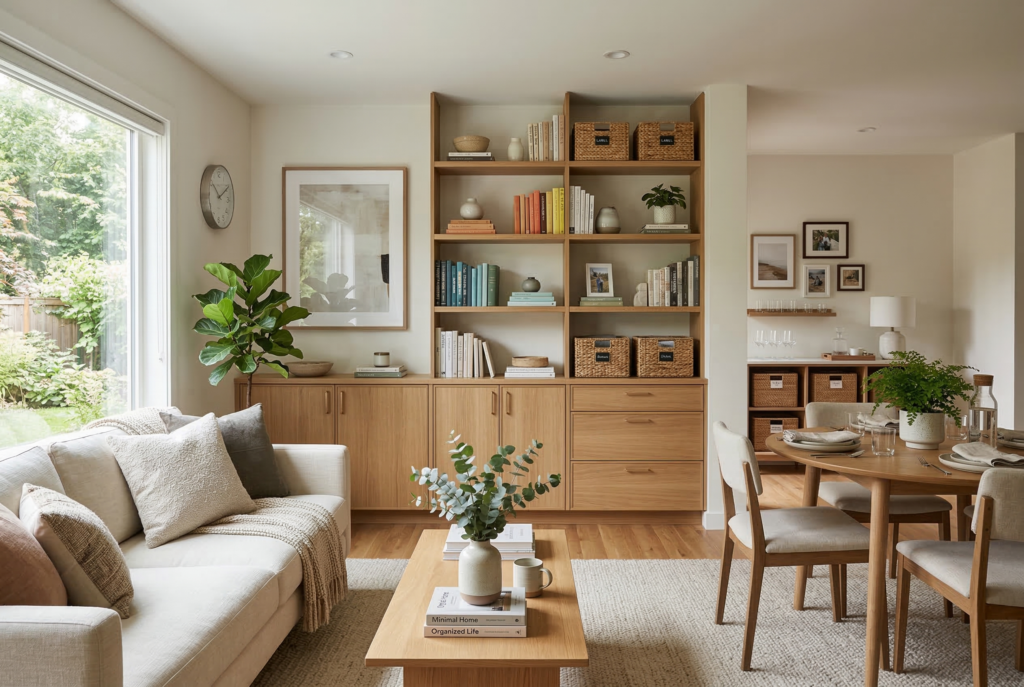
Clutter can be a significant source of stress. It creates mental overload and makes it difficult to focus. The act of decluttering can immediately improve your environment and your mental clarity.
Tackle One Area at a Time
If you’re overwhelmed by the clutter in your home, start small. Pick one area to declutter, such as your kitchen counter or a cluttered drawer. Set a timer for 15-20 minutes each day to tackle that space. The goal isn’t to do everything at once but to focus on one area at a time. Slowly, you’ll notice the space becoming more organized, which will provide a sense of accomplishment and reduce mental stress.
Implement a “One In, One Out” Rule
To prevent clutter from building up again, follow the “one in, one out” rule. Every time you purchase something new, donate, sell, or recycle an item that you no longer need. This simple habit will help keep your living space manageable and prevent excess from accumulating.
2. Organize Your Time: Manage Your Day to Reduce Stress
Time management is crucial for reducing stress. When you’re juggling multiple tasks, it’s easy to feel overwhelmed. The key is to prioritize and make time for what really matters.
Create a Daily Schedule
Start each day with a clear plan. Use a planner or a scheduling app to break your day into manageable blocks of time. Prioritize tasks that are most important, and make sure to leave some space for unexpected events or breaks. Keeping a structured day will help reduce stress because you’ll have a clear roadmap of what to do next.
Set Boundaries and Say No
Sometimes, reducing stress means saying “no” to things that don’t align with your priorities. Whether it’s taking on extra work or attending events that don’t bring you joy, setting boundaries is essential for maintaining balance. Don’t be afraid to decline invitations or responsibilities when necessary. Your time and energy are valuable.
3. Prioritize Physical Health: Exercise and Nutrition for Stress Reduction

Your physical well-being is directly linked to how well you manage stress. Regular exercise and proper nutrition can reduce stress hormones and boost your mood.
Exercise Regularly, Even for Short Periods
You don’t need to commit to a lengthy workout routine. Start small with 10-15 minutes of physical activity each day. Go for a walk, do a quick yoga session, or try a short workout video. Regular exercise will help release endorphins, which improve mood and reduce stress. Aim for at least 30 minutes of activity three to four times a week.
Fuel Your Body with Nutrient-Rich Foods
What you eat can significantly impact how you feel. Focus on incorporating more fruits, vegetables, lean proteins, and whole grains into your diet. These foods provide essential vitamins and minerals that help combat stress. Avoid relying on caffeine, sugary snacks, or processed foods, which can lead to energy crashes and exacerbate stress.
4. Create a Relaxing Home Environment
Use Calming Colors and Lighting
Colors have a psychological impact on our mood. Choose calming colors like soft blues, greens, and neutrals for your walls, furniture, and décor. Lighting also plays a key role: opt for warm, soft lighting instead of harsh, bright lights. Invest in dimmable lamps or use fairy lights to create a cozy, inviting atmosphere.
Create a Personal Relaxation Zone
Designate a specific area in your home where you can relax and unwind. It could be a cozy corner with a comfy chair, blankets, and soft lighting. This space should be free from distractions and electronics. Spend time here daily to engage in relaxing activities like reading, meditating, or simply resting.

5. Disconnect from Technology: Limit Screen Time for Mental Clarity
Technology can be a major source of stress, especially when you’re constantly bombarded with notifications, emails, and social media. Taking breaks from screens can help you recharge and reduce anxiety.
Limit your use of social media and avoid checking your phone first thing in the morning or right before bed. Set specific times to check emails and social media, and stick to them. Use apps like “Focus” or “Forest” to help limit distractions and help you stay present in the moment.
Additionally, designate certain areas of your home, such as the dining table or bedroom, as tech-free zones. This encourages face-to-face interactions and allows you to be more present with the people you care about.
6. Foster Social Connections: Build a Support System
Schedule Quality Time with Loved Ones
Make time for regular interactions with friends and family. Whether it’s a phone call, coffee date, or family dinner, spending quality time with loved ones will help reduce feelings of loneliness and stress. These connections provide comfort and help you navigate life’s challenges.
Join a Group or Community
Being part of a group or community can provide a sense of belonging and support. Join a class, club, or volunteer group that interests you. Having a regular social outlet helps to reduce stress and boosts mental well-being.
7. Practice Mindfulness: Calm Your Mind and Body
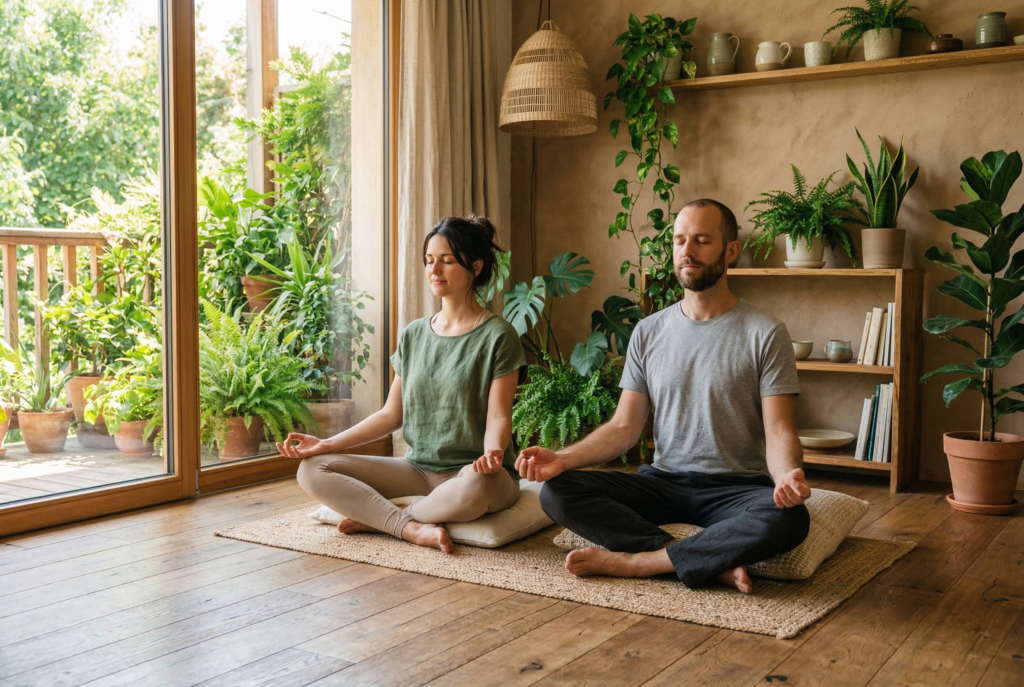
Try Meditation or Deep Breathing Exercises
Practice deep breathing techniques or use guided meditation to center your mind and body. Apps like Headspace and Calm offer helpful tools for beginners. Even just 5-10 minutes a day can have a profound impact on reducing stress.
Mindful Movement Practices
Incorporating mindful movement practices like yoga or tai chi into your daily routine can reduce tension and improve mental clarity. These activities combine physical movement with deep breathing, helping to relax your body and mind.
8. Simplify Your Finances: Reduce Financial Stress
Money is a common source of stress, but managing your finances effectively can alleviate much of this burden.
Create a Simple Budget
Tracking your spending and setting a budget is one of the easiest ways to reduce financial stress. Use budgeting tools like Mint or YNAB (You Need a Budget) to stay on top of your finances. Allocate money for savings and discretionary spending, and stick to your plan.
Build an Emergency Fund
Having an emergency fund helps you feel more secure and prepared for unexpected expenses. Start small by saving just a few hundred dollars, then gradually build up to cover three to six months of living expenses.
9. Prioritize Sleep: Quality Rest for Stress Relief
Sleep is essential for physical and mental health. Lack of sleep can increase stress and impair your ability to cope with daily challenges.
Establish a calming bedtime routine that includes activities like reading, taking a warm bath, or listening to soothing music. Avoid electronics, caffeine, and heavy meals before bed to improve the quality of your sleep.
Make your bedroom a sanctuary for sleep. Use blackout curtains to block out light, keep the room cool and quiet, and invest in a comfortable mattress and pillows. A good night’s sleep will leave you feeling refreshed and better equipped to handle stress the next day.
10. Cultivate a Positive Mindset: Focus on Gratitude
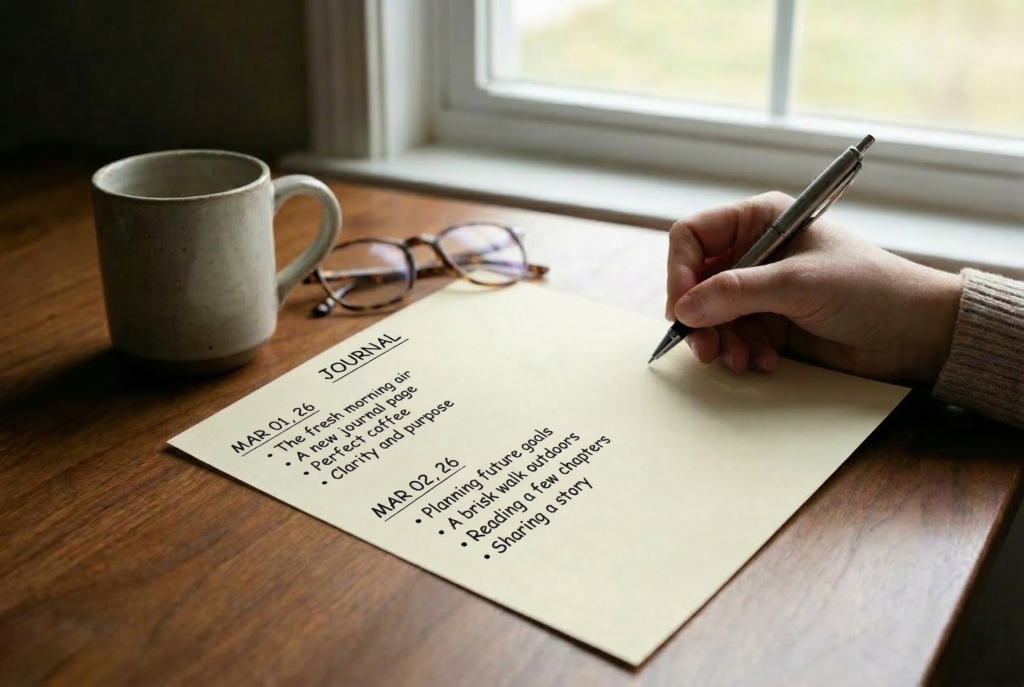
Practice Gratitude Every Day
Take a few minutes each day to write down things you’re grateful for. This simple practice helps you focus on the positive aspects of your life and can make a big difference in reducing stress and improving overall happiness.
Let Go of Perfectionism
Avoid the stress of trying to do everything perfectly. Accept that mistakes happen and let go of the need to control every situation. Embrace imperfection and allow yourself to enjoy life without constantly striving for unattainable standards.
Conclusion: Achieve Stress-Free Living with Simple, Practical Solutions
Living a stress-free life doesn’t require drastic changes, it’s about incorporating small, practical habits into your daily routine. By simplifying your home, managing your time effectively, focusing on physical and mental well-being, and fostering positive social connections, you can create a life that’s more peaceful, organized, and fulfilling. Start with one or two of these tips, and gradually build habits that work for you. Stress-free living is achievable, and with a little effort, you can enjoy a calmer, more balanced life.
Related Articles
- 10 Essential Benefits of an Organized Home: Why Home Organization Matters for a More Efficient, Stress-Free Lifestyle
- A Simple Approach to Living a Less Stressful and More Balanced Life
- 10 Simple Living Lifestyle Ideas for Less Stress and Greater Mental Clarity
- Healthy Lifestyle Changes That Improve Mental Health and Reduce Stress