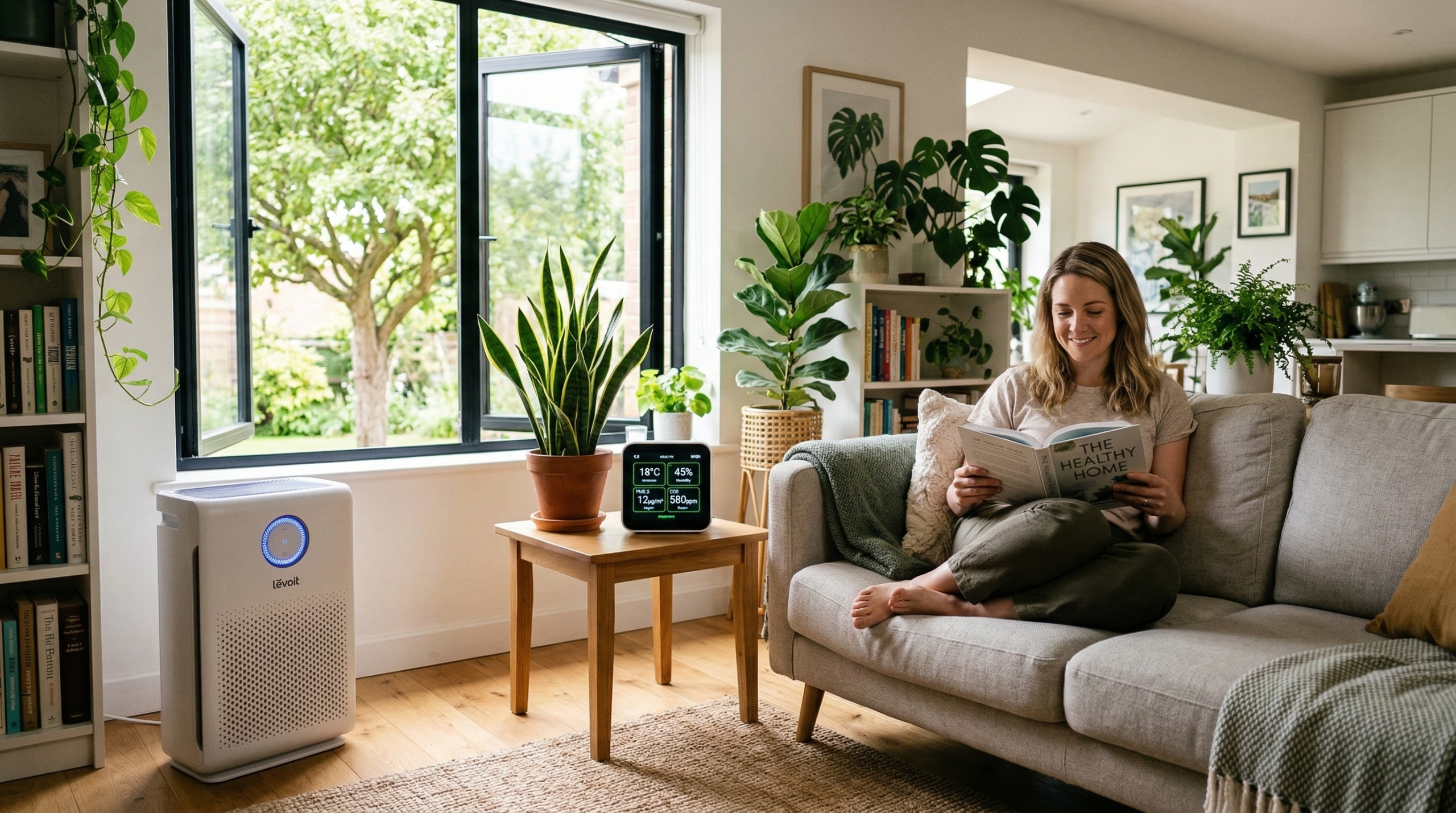
Most people think about air quality when they step outside and see smog, pollen, or wildfire haze hanging in the distance. But the truth is, the air inside your home can have an even bigger effect on how you feel day to day. If you’ve ever woken up stuffy, noticed lingering cooking smells, dealt with dust that seems to come back overnight, or felt oddly tired in a room that never feels quite fresh, your indoor air may be part of the story.
The good news is that improving indoor air quality at home doesn’t have to mean a full renovation or a long list of expensive gadgets. In most homes, it comes down to a handful of practical habits, a few smart upgrades, and a better understanding of what is actually causing stale or polluted air in the first place.
Why Indoor Air Quality Matters More Than Most People Realize

We spend a huge part of life indoors. At home, at work, in apartments, in schools, in cars, in stores. That means the air inside your living space plays a quiet but constant role in your comfort, sleep, focus, and overall well-being.
Poor indoor air quality can be linked to everyday problems that people often shrug off, like headaches, dry eyes, congestion, fatigue, lingering odors, or that heavy feeling in a closed-up room. For households with kids, pets, allergies, asthma, or older adults, the effects can feel even more obvious.
And here’s the frustrating part: indoor air pollution is often invisible. You might notice smoke or dust, sure, but many common irritants come from things that seem harmless on the surface, like cleaning products, damp areas, synthetic materials, poor ventilation, or a clogged HVAC filter that has been forgotten a little too long. A healthier living space usually doesn’t come from one dramatic fix. It comes from layering small choices that make the air cleaner, fresher, and easier to breathe.
What Causes Poor Indoor Air Quality at Home?
Before you can improve indoor air quality, it helps to know what you are up against. Most homes deal with a mix of sources rather than one single problem.
Common contributors include:
- Dust, pet dander, and pollen
- Cooking smoke, grease, and odors
- Mold and excess moisture
- Cleaning sprays and heavily scented products
- Poor ventilation in bathrooms, kitchens, and bedrooms
- Dirty air filters in HVAC systems
- Smoke from cigarettes, candles, or fireplaces
- Furniture, flooring, and paint that release chemical compounds over time
Sometimes the issue is obvious. A musty basement, for example, is rarely subtle. Other times, it sneaks up on you. A bedroom with closed windows, thick bedding, and weak airflow can simply feel “off,” and you may not connect that feeling to air quality right away.
1. Improve Ventilation Wherever You Can
Fresh air still matters. It sounds basic because it’s basic, but that doesn’t make it less effective.
One of the easiest ways to improve indoor air quality at home is to let stale indoor air move out and bring cleaner air in. In mild weather, opening windows for even a short stretch can help reduce trapped pollutants and improve circulation. Cross-ventilation, where air moves from one side of the home to the other, works especially well.
When natural ventilation helps the most
Natural airflow can make a noticeable difference after:
- Cooking
- Showering
- Cleaning with strong products
- Painting or assembling new furniture
- Hosting guests in a crowded room
If outdoor air quality is poor because of wildfire smoke, heavy traffic, or high pollen counts, keep windows closed and rely more on filtration. Good ventilation is helpful, but timing matters.
2. Use Exhaust Fans the Way They’re Meant to Be Used
A lot of people have bathroom and kitchen exhaust fans but don’t use them consistently. Or they turn them off too soon. That little fan over the stove or in the bathroom is doing more than clearing steam. It helps remove moisture, odors, smoke, and airborne particles before they spread through the house and settle into fabrics, walls, and vents.
Kitchen
Run the range hood or exhaust fan every time you cook, especially when frying, sautéing, or using high heat. Gas stoves in particular can add pollutants to indoor air, and even a quick dinner can leave more behind than you think.
Bathroom
Use the bathroom fan during showers and leave it running for at least 15 to 20 minutes afterward. This helps control humidity and lowers the risk of mold growth, which can quietly drag down indoor air quality over time.
3. Change Your HVAC Filter on Schedule, Not on Vibes
This is one of those chores people remember only when the system starts acting up. But a dirty HVAC filter can reduce airflow and allow more dust and airborne particles to circulate through your home.
If you use central heating or air, check the filter regularly and replace it based on the manufacturer’s guidance, your household conditions, and the season. Homes with pets, allergy sufferers, or frequent AC use often need more frequent changes. A clean filter supports better air circulation and helps your HVAC system work more efficiently. Not glamorous, but very worth it.
4. Add an Air Purifier in the Rooms That Need It Most
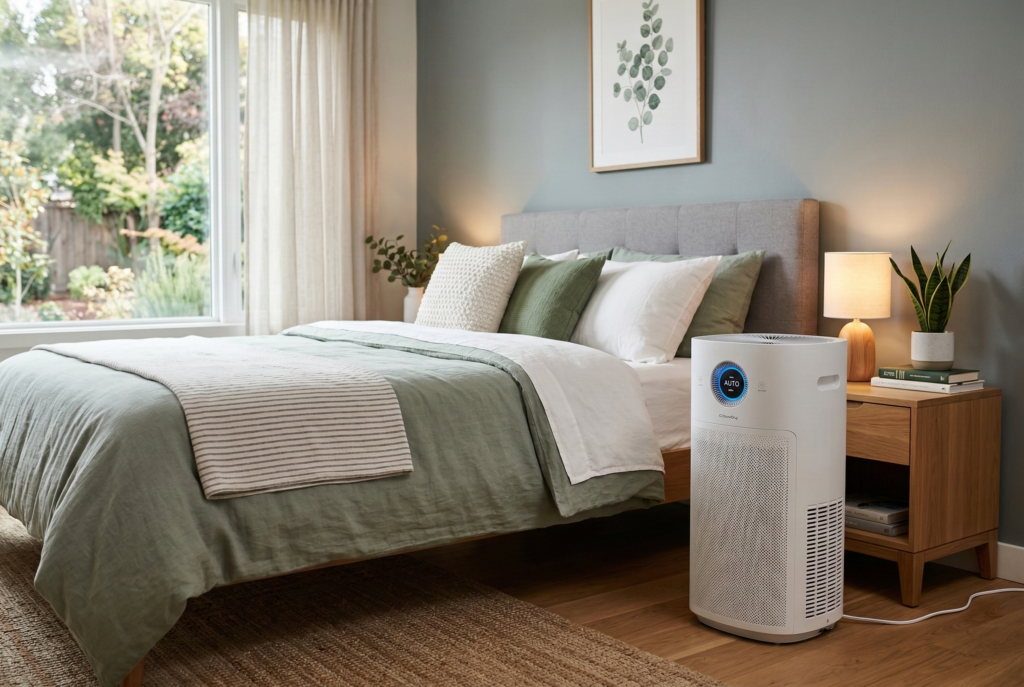
An air purifier can be a practical upgrade, especially if you live with pets, allergies, city pollution, smoke exposure, or poor ventilation. You don’t necessarily need one in every room. Start where you spend the most time.
For many households, that means:
- The bedroom
- The living room
- A home office
- A nursery or child’s room
Look for a purifier designed for the size of your room and one that uses effective filtration, especially for fine particles. In recent years, more households have added smart air purifiers that track air quality in real time, which can be helpful if you want clearer feedback about what is happening indoors. Still, an air purifier works best as part of a bigger plan. It isn’t a magic eraser for every air quality problem.
5. Control Humidity Before Mold Gets Comfortable
Too much moisture in the air can make a home feel sticky, stale, and musty. It can also create the perfect environment for mold and mildew, which are major indoor air quality issues.
Basements, bathrooms, laundry rooms, and poorly ventilated bedrooms are common trouble spots. If you notice condensation on windows, a damp smell, or peeling paint, it may be time to pay closer attention.
Use a dehumidifier in damp areas, repair leaks quickly, and avoid letting wet towels, bath mats, or laundry sit too long without airflow. Even small habits matter here. Sometimes the difference between a fresh bathroom and a musty one is just twenty extra minutes of fan use and a little consistency.
6. Clean in a Way That Reduces Dust Instead of Stirring It Up

There is a funny moment in a lot of homes where cleaning somehow makes the air feel worse before it feels better. Dust gets kicked up, scented sprays fill the room, and suddenly your “fresh clean house” smells like a chemical aisle and floating lint. A better approach is gentler and more targeted.
Use a vacuum with good filtration, wash bedding regularly, and dust surfaces with tools that trap particles instead of pushing them around. If possible, focus on areas where dust collects quietly: baseboards, rugs, upholstered furniture, curtains, and under the bed. Try to go easy on overly fragranced cleaners and air fresheners. A room that smells strong isn’t always a room that is actually clean.
7. Be Smarter About the Products You Bring Indoors
Indoor air quality is shaped by more than what floats through the air. It’s also shaped by what enters your home in the form of paint, furniture, flooring, candles, sprays, and cleaning products. Some materials release airborne chemicals over time, especially when they’re new. That “new furniture smell” isn’t always a good thing, no matter how much people joke about loving it.
- Choose lower-emission options when possible
- Paint and finishes
- Furniture and rugs
- Cleaning and scent products
The more heavily fragranced a product is, the more likely it may irritate sensitive people in the home. You don’t need to replace everything overnight. Just make better choices as items come and go.
8. Keep Cooking Pollutants From Taking Over the House
Cooking is one of the most common indoor pollution sources, and it gets overlooked because, well, dinner still has to happen.
Smoke, grease particles, and gas byproducts can build up fast, especially in smaller kitchens or open-plan homes where air moves slowly. If your entire house smells like last night’s salmon the next morning, that is a clue.
Use the range hood, crack a window when conditions allow, cover pans when appropriate, and clean grease buildup regularly. Even switching from high-heat cooking every night to a mix of methods can help reduce what ends up in the air. This is especially important in apartments, where odors and particles tend to linger longer.
9. Watch the Bedroom Air More Closely Than You Think
People often focus on kitchens and bathrooms, but the bedroom deserves more attention. You spend hours there every night, and poor airflow can make the room feel stuffy by morning.
A healthier bedroom usually comes down to a few basics: clean bedding, less dust, decent ventilation, and fewer unnecessary irritants. That means washing sheets often, vacuuming rugs, keeping pet hair in check, and not overcrowding the space with fabrics that trap dust.
If allergies or congestion tend to hit hardest overnight, the bedroom is often the best place to start when trying to improve indoor air quality at home.
10. Use an Indoor Air Quality Monitor if You Want Real Answers

Sometimes you know the air feels bad but can’t prove why. That is where an indoor air quality monitor can help.
These devices can track things like particulate matter, humidity, and changes in air conditions throughout the day. They are especially useful for people dealing with allergies, frequent cooking, wildfire smoke seasons, older homes, or rooms that never seem to feel fresh no matter what.
In 2024 through 2026, more households have started using smart home air quality tools because they make invisible problems easier to spot. You can actually see when humidity spikes after a shower, when cooking affects the room, or when a purifier is helping. For busy households, that kind of feedback can be surprisingly useful.
Conclusion
Cleaner indoor air doesn’t always announce itself in dramatic fashion. Sometimes it shows up quietly. You sleep better. The house smells more neutral. Your head feels clearer in the afternoon. The room that used to feel heavy suddenly feels normal, in the best possible way.
What most people truly want is simple. A home that feels comfortable, practical, and supportive of everyday routines. The space doesn’t need to look flawless or perfectly styled. It just needs to make daily life feel a little easier and more enjoyable.
When you improve indoor air quality at home, you also improve how the space feels day to day. The air becomes more comfortable to breathe, and the home becomes a healthier, more livable place for everyone who spends time inside it. And honestly, that is one of the most practical home upgrades there is.