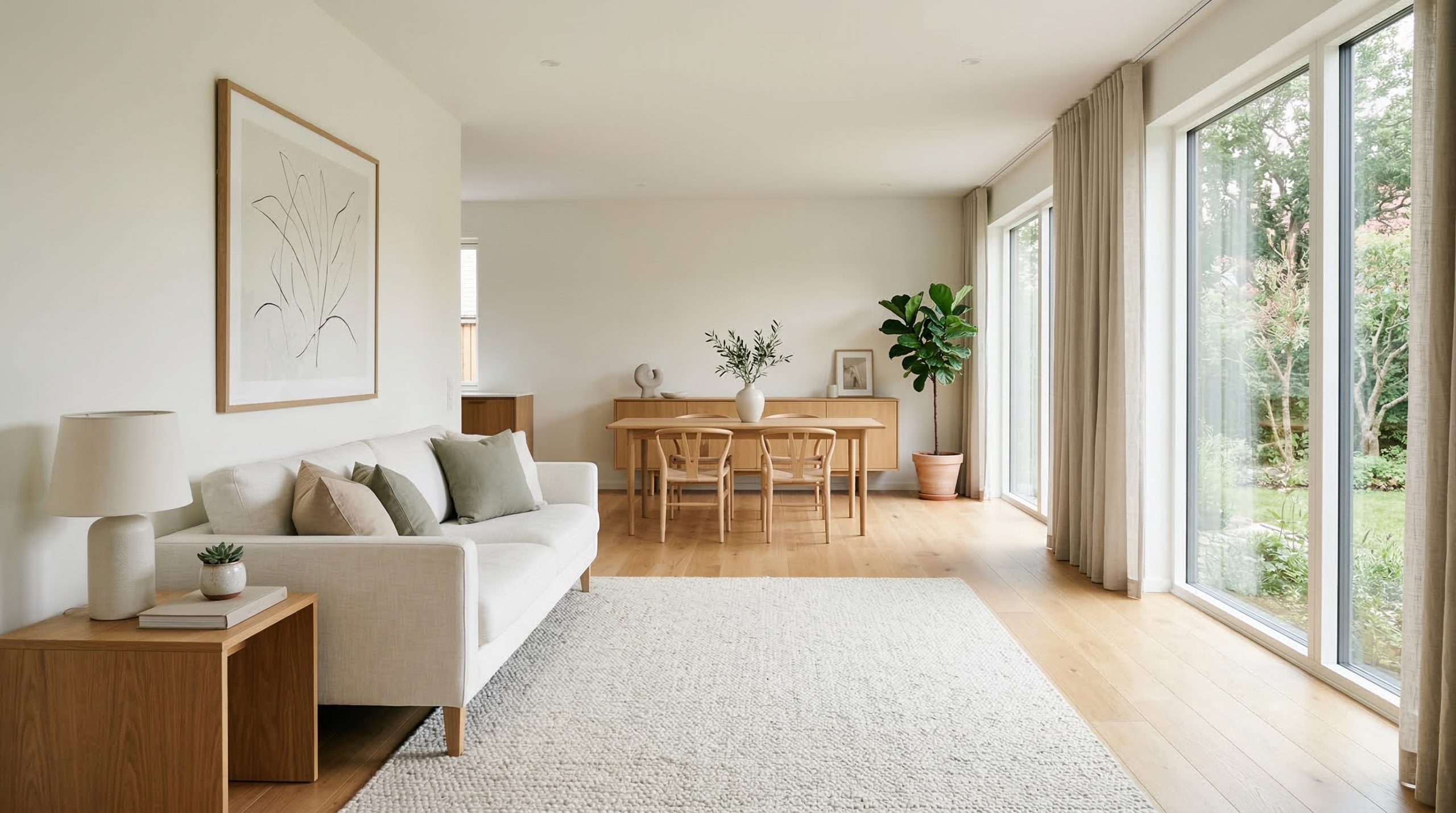
A calm home can shape the way each day feels, from the first cup of coffee in the morning to the final moments before bed. When a space feels crowded, noisy, or disorganized, daily routines often feel heavier than they need to. A clutter-free home doesn’t require a perfect aesthetic or a major renovation. In most cases, it comes from steady, practical choices that make a home easier to live in, easier to maintain, and more supportive of real life.
Why a Calm, Clutter-Free Home Matters
A peaceful home does more than look tidy. It can support clearer thinking, smoother routines, and a greater sense of comfort. For many households in the United States, home has become more than a place to sleep. It’s often a workspace, a gathering spot, a family hub, and a place to recover from a busy schedule. When every room is overloaded, that pressure tends to build.
Creating a calmer environment can help reduce visual stress and make everyday tasks feel more manageable. It also helps people enjoy the spaces they already have without constantly feeling behind on chores or organization. Rather than striving for perfection, the goal is to create a home that is lighter, more practical, and simpler to care for.
1. Start With One Small Zone at a Time
Trying to declutter an entire home in one weekend usually leads to frustration. A more effective approach is to choose one small area and finish it completely before moving on. That could be a kitchen counter, a bathroom drawer, an entryway bench, or one shelf in a bedroom closet.
Small wins matter because they create momentum. They also help you see what kind of clutter shows up most often in your home, whether that’s paper, duplicate items, seasonal decor, or things that never got a proper storage spot. When you narrow your focus, the process feels more realistic and less emotionally draining.
2. Clear Surfaces to Reduce Visual Noise

One of the fastest ways to make a home feel calmer is to reduce what’s sitting out in plain view. Crowded countertops, overfilled dressers, and packed coffee tables can make a room feel busier than it really is. Even useful items can create visual tension when too many are left on display.
Focus on the surfaces you see most often. In the kitchen, keep only the appliances you use regularly. In the living room, edit down decor so each piece has room to breathe. In the bedroom, simplify nightstands so they hold only what supports rest and comfort. A room doesn’t need to be empty, but it does benefit from visual space.
3. Create Easy Drop Zones for Daily Life
A clutter-free home works best when it reflects how people actually live. Shoes by the door, backpacks on the floor, unopened mail on the counter, and keys that disappear every morning are all signs that the home may need better landing spots.
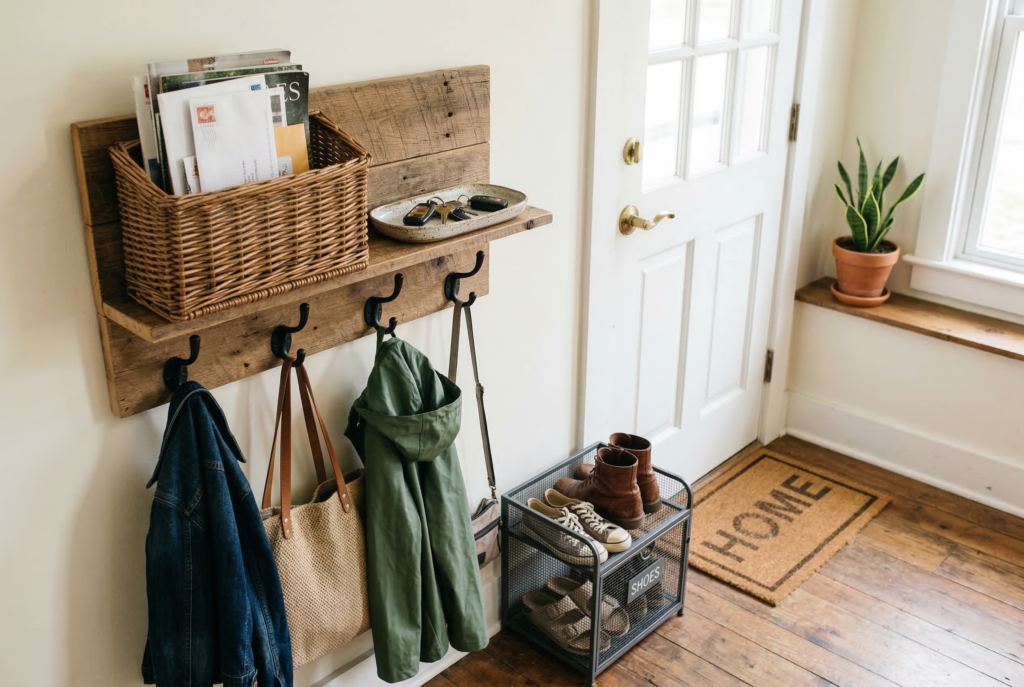
Simple drop zones can solve a surprising number of daily frustrations. A basket for mail, hooks for bags and jackets, a tray for keys, and a small bin for shoes near the entry can help contain the mess before it spreads. These systems don’t need to be elaborate. They just need to be easy enough to use every day without extra effort.
4. Let Storage Support the Room, Not Overwhelm It
Storage is helpful, but too much of it can create a clutter problem of its own. Oversized bins, packed cabinets, and furniture stuffed with forgotten items can make a home feel heavier, not calmer. Good storage should make life simpler, not hide an ongoing cycle of excess.
Choose storage that fits the room and the routine. In family spaces, attractive baskets can hold blankets or toys without making the room feel chaotic. In bathrooms, drawer dividers can keep essentials orderly without crowding the counters. In bedrooms, under-bed storage works best when it’s reserved for items you truly need to keep, not for things you’ve avoided sorting.
5. Use a Gentle, Consistent Decluttering Rhythm
Many people wait until clutter becomes overwhelming before dealing with it. A calmer approach is to build decluttering into regular life in smaller, repeatable ways. That might mean ten minutes each evening, a quick reset before guests come over, or a weekly habit of removing a few items that no longer serve a purpose.
Consistency tends to work better than intensity. A short routine is easier to sustain, and it keeps clutter from building into something stressful. This approach also feels more realistic for busy households balancing work, school schedules, caregiving, and other responsibilities. A peaceful home is usually the result of maintenance, not one dramatic cleanout.
6. Choose Decor That Creates Quiet Instead of Competition
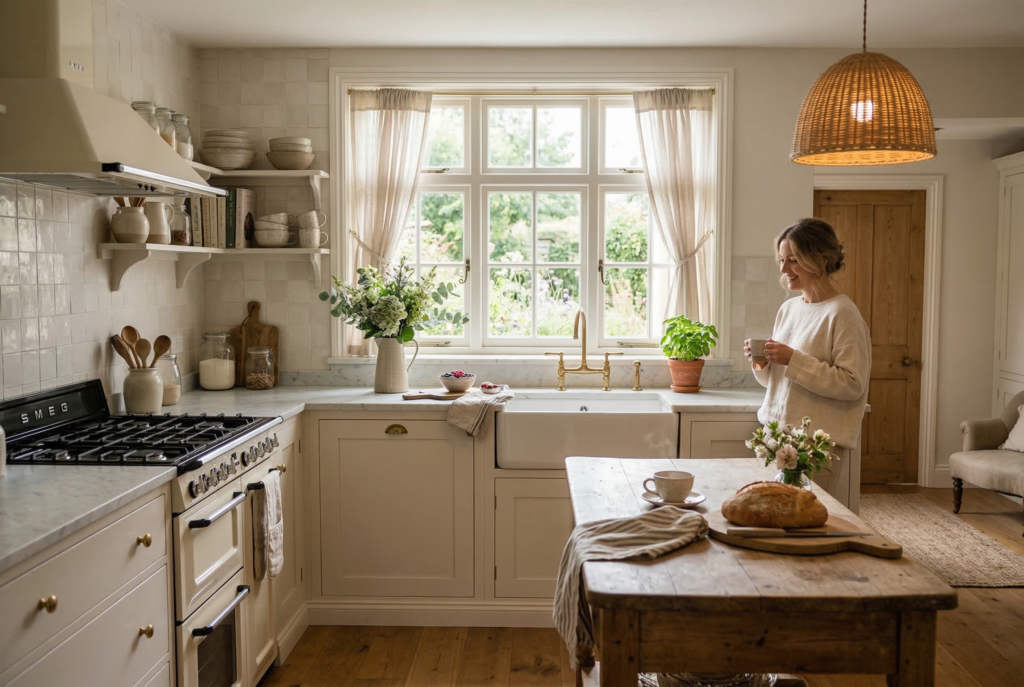
Decor plays a major role in how a home feels. A room can be beautifully styled and still feel restless if every surface, wall, and corner is competing for attention. Calm homes often rely on restraint. Rather than making things boring, it means carefully choosing pieces that match the feeling you want your home to have every day.
Soft textures, natural materials, warm lighting, and a limited color palette can help a room feel more grounded. Art, books, and personal objects still matter, but they tend to have more impact when they’re curated instead of crowded. When each item has a reason to be there, the room feels more intentional and more peaceful.
7. Make Cleaning Simpler by Owning Less
One practical truth about clutter is that it makes cleaning harder. More objects mean more dusting, more moving things around, and more surfaces that never fully feel clean. When a home is filled only with items that are useful, beautiful, or genuinely meaningful, cleaning becomes faster and less exhausting.
This is especially important for busy families and working adults who don’t have hours to spend resetting the house every week. Simplifying what you own can lead to simpler cleaning routines, which in turn helps the home stay calmer over time. In addition to being visually appealing, a clutter-free home is easier to maintain.
8. Set Limits for What Comes Into the Home

Decluttering matters, but preventing future clutter matters just as much. Many homes become crowded not because people never organize, but because new items keep arriving without clear boundaries. Seasonal sales, impulse purchases, and well-intentioned duplicates can fill a home faster than most people realize.
A useful habit is to pause before bringing something new inside. Ask where it will live, how often it will be used, and whether it replaces something you already own. This kind of awareness helps reduce unnecessary accumulation without making everyday life feel restrictive. Calm spaces are easier to keep when incoming items are chosen with care.
9. Protect Restful Spaces, Especially Bedrooms
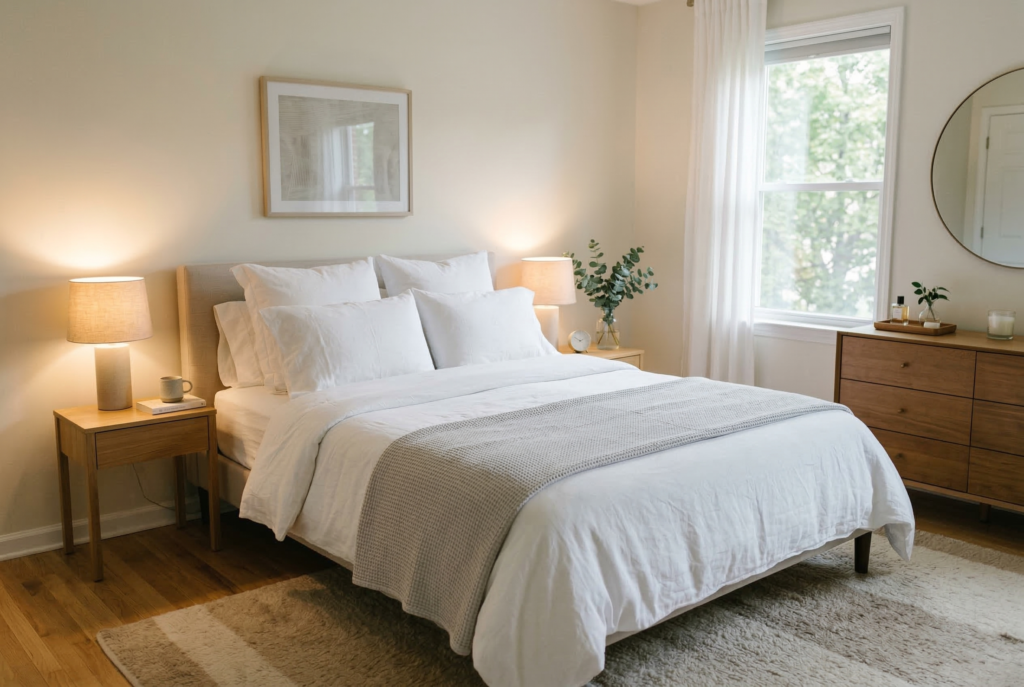
If any room should feel peaceful, it’s the bedroom. Yet it often becomes a holding zone for laundry, extra storage, paperwork, or random household overflow. When that happens, the room can lose its sense of rest.
Try to protect the bedroom from nonessential clutter. Keep visible storage to a minimum, limit work-related items, and avoid turning corners into catch-all spaces. Crisp bedding, soft lighting, and clear surfaces can make a major difference in how restful the room feels. Even small changes can help transform the bedroom into a place that supports better sleep and a quieter state of mind.
10. Aim for Comfort and Function, Not Perfection
One of the biggest obstacles to a clutter-free home is the idea that it must look flawless all the time. Real homes don’t work that way. People live in them, children play in them, meals are cooked in them, and everyday life moves through them. A calm home isn’t defined by the absence of mess, but by how easily it can return to order.
This mindset matters because it keeps the process sustainable. When the standard is perfection, people often give up. When the standard is ease, clarity, and comfort, progress becomes much more achievable. Homes that feel tranquil usually reflect steady habits and thoughtful choices, not rigid rules.
Conclusion
Creating a calm, clutter-free home doesn’t require an all-or-nothing approach. In most cases, it comes down to simplifying one area at a time, reducing visual overload, and building routines that make order easier to maintain. The most peaceful homes are rarely the most elaborate. They’re the ones that support daily life with less friction, less stress, and more breathing room.
Whether you begin with one drawer, one countertop, or one corner of the bedroom, each small change can make everyday living feel more tranquil. Gradually, those choices add up to a home that feels lighter, more welcoming, and better suited to the life happening inside it.