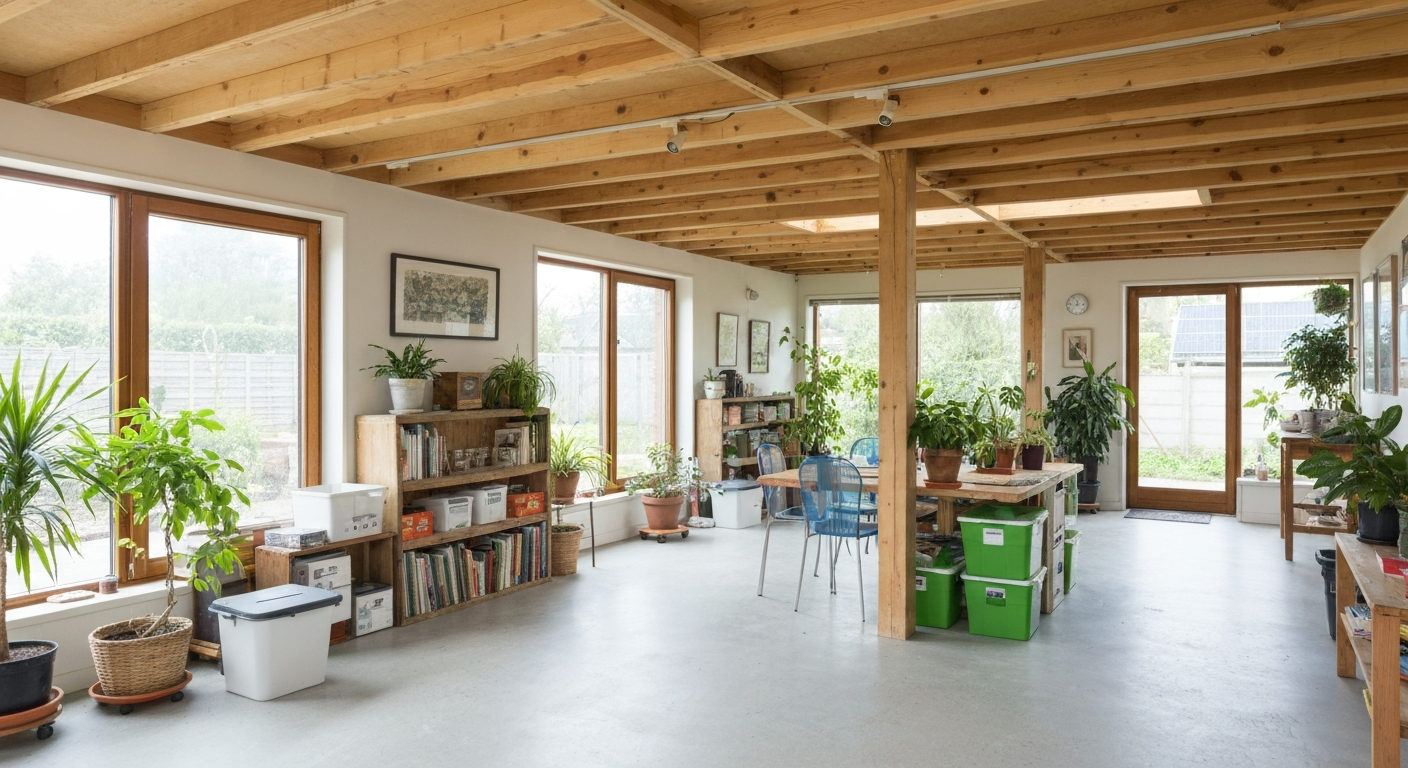
Reducing household waste is not only about protecting the environment but also about making smarter, more sustainable choices for your home. In today’s world, being conscious of the waste we create helps reduce our carbon footprint and keeps our living spaces cleaner, more organized, and eco-friendly.
In this guide, we’ll explore 15 simple ways to reduce household waste, save money, and create a more sustainable home. Whether you’re looking for quick changes or long-term solutions, these tips will help you incorporate eco-friendly practices into your daily routine.
1. Start with a Waste Audit: Identify Key Areas of Waste in Your Home
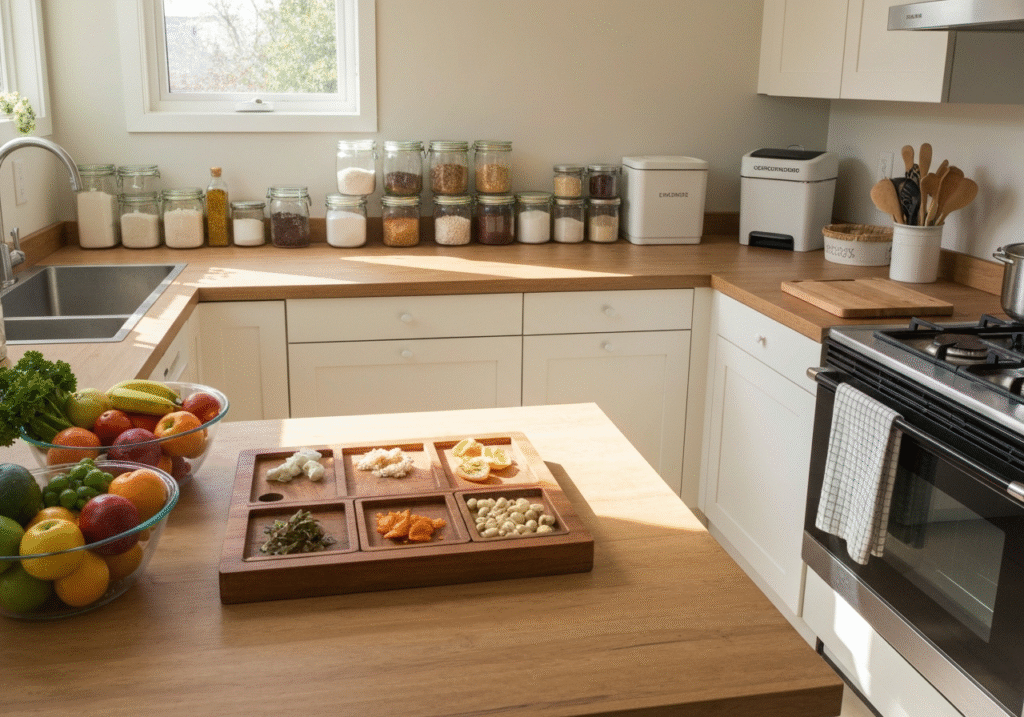
The first step toward reducing waste is understanding where it’s coming from. Conducting a waste audit in your home can provide a clearer picture of the areas that generate the most waste. By tracking waste for one week, you can identify patterns and areas for improvement.
Start by recording the types of waste your household produces, such as food waste, plastic waste, and paper waste. This will allow you to target areas where you can make impactful changes, such as reducing disposable plastic or implementing better food storage practices. A waste audit can help you create a roadmap for more sustainable habits that work for your lifestyle.
2. Switch to Reusable Products: Say Goodbye to Single-Use Plastics
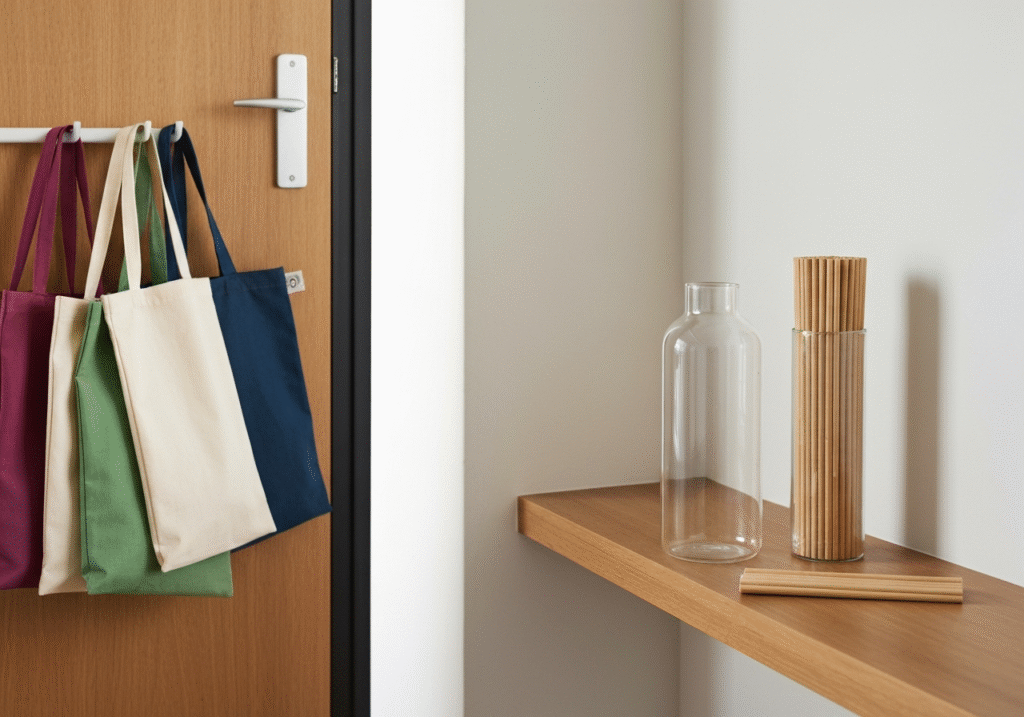
One of the most effective ways to reduce waste is by swapping single-use items for reusable products. Over the years, single-use plastics and disposable items have made a significant impact on the environment, but replacing them is easier than you think.
For instance, use reusable shopping bags made of fabric or other durable materials instead of plastic bags. Swap bottled water for a stainless steel or glass water bottle that can be refilled multiple times. Choose reusable straws made of silicone, stainless steel, or bamboo over plastic straws. These changes not only cut down on waste but also save you money in the long run, as you won’t be buying disposable alternatives anymore.
By implementing reusable items, you help reduce plastic waste, which is one of the major contributors to pollution worldwide. These simple changes will make a huge difference to your household waste footprint.
3. Composting: Turn Food Scraps into Nutrient-Rich Soil
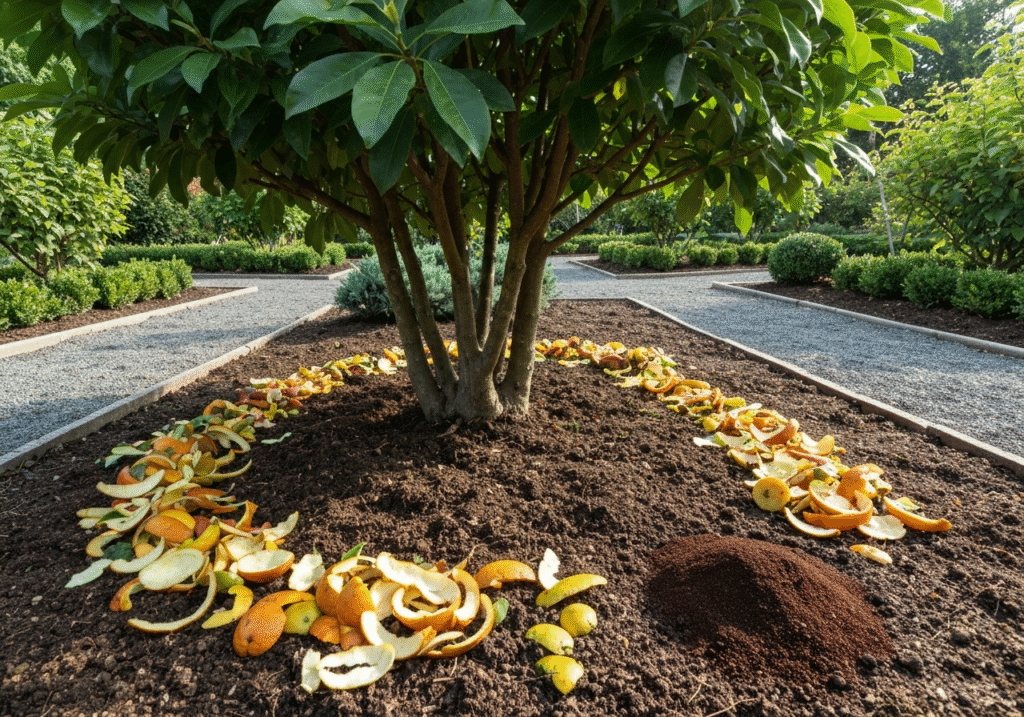
Composting is a great way to reduce organic waste and create nutrient-rich soil for gardening. Many households toss food scraps, but instead of sending them to the landfill, you can turn them into compost. Not only will this help reduce the amount of food waste, but it also provides a great way to fertilize your plants.
To start composting, set up a composting bin in your kitchen or backyard. A basic compost bin can handle food scraps like fruit peels, vegetable waste, and coffee grounds. If you live in an apartment or don’t have a yard, there are indoor composting solutions such as worm bins or compact composting systems that fit into smaller spaces.
Composting is an easy and effective way to reduce waste while contributing to a more sustainable, eco-friendly lifestyle.
4. Recycle Right: Maximize Your Recycling Efforts
Recycling is one of the most accessible and effective ways to manage household waste, but it’s essential to recycle correctly. Many people aren’t fully aware of what can and can’t be recycled, which can lead to contamination and prevent the materials from being properly processed.
Start by sorting recyclables in your home. Keep separate bins for paper, plastic, glass, and metal. Clean the items before recycling to prevent contamination. If you’re unsure about what can be recycled, check with your local recycling program or visit their website for specific guidelines. For example, some areas may accept plastic bags for recycling, while others don’t.
By properly sorting and cleaning recyclables, you help ensure that these materials are effectively repurposed, reducing the need for new resources.
5. Mindful Shopping: Reduce Waste at the Source

A significant amount of household waste starts with what we bring into the home. Mindful shopping can drastically reduce the packaging waste and unnecessary items that pile up in your living space.
When shopping, buy in bulk when possible. Purchasing grains, nuts, and dry goods in bulk helps avoid excess packaging, which is often made of single-use plastic. Opt for products that have minimal packaging or packaging that is recyclable. Additionally, choose products made from biodegradable materials or those that use compostable packaging. This reduces your plastic consumption while promoting more sustainable practices.
When you’re out shopping, carry reusable bags and containers for bulk items to avoid bringing home unnecessary plastic or paper waste. Also, try to buy locally to support smaller businesses that are often more sustainable in their product sourcing and packaging.
6. Go Paperless: Embrace Digital Solutions to Cut Down on Paper Waste
Paper waste is a huge contributor to household clutter, and it’s easier than you think to reduce it. By adopting a paperless approach to many aspects of your life, you can drastically cut down on paper consumption.
For starters, switch to digital bills and statements for utilities, banking, and subscriptions. You can also transition to digital note-taking apps or task management tools like Trello or Notion, reducing the need for paper notebooks and planners. For reading, consider digital subscriptions for newspapers and magazines, eliminating the need for physical copies that pile up.
Additionally, consider using smart home systems that reduce the need for printed instructions, receipts, or manuals. Many appliances and gadgets now come with digital user guides that are easier to access and update.
7. Repurpose and Upcycle Household Items

Repurposing and upcycling is a creative way to reduce waste while adding a unique, personal touch to your home. Instead of discarding old items, think about how they can be reused or transformed into something functional and beautiful.
For example, turn old furniture into a new piece with a coat of paint or reupholstering. Glass jars can be reused as storage containers or decorative pieces. Old t-shirts can be turned into rags or even repurposed into shopping bags. Wooden crates can be used for shelving or storage, giving a rustic, boho touch to your space.
8. Use Eco-Friendly Cleaning Products
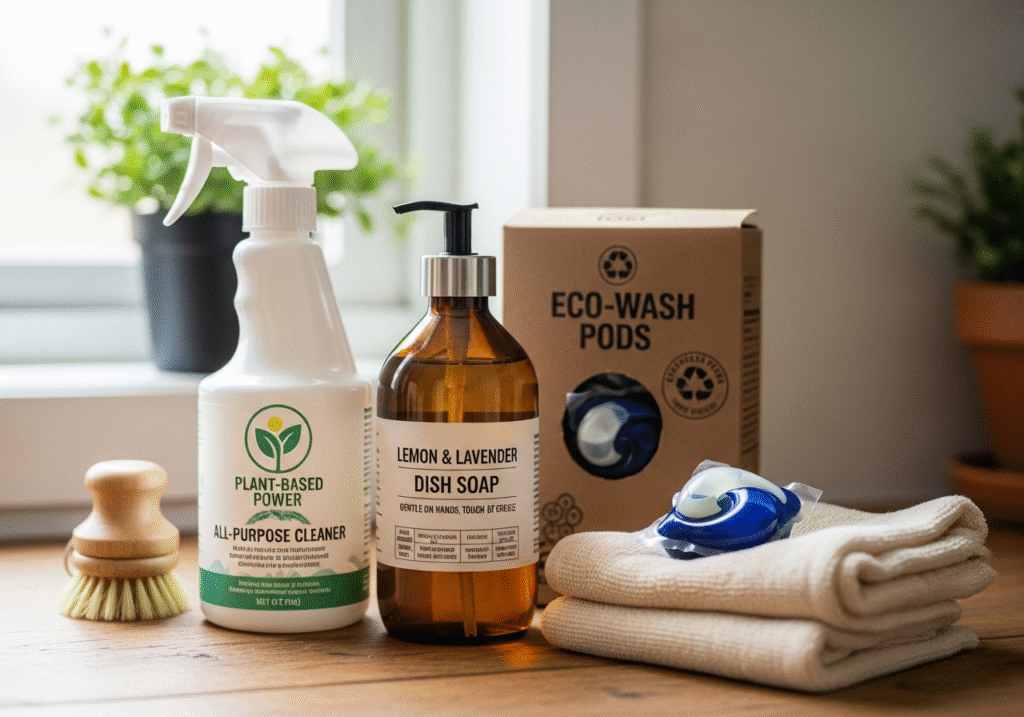
Traditional cleaning products often come in single-use plastic packaging and contain harsh chemicals. By switching to eco-friendly cleaning products, you can reduce your environmental footprint and avoid toxic chemicals.
There are many natural cleaning alternatives available, or you can create your own solutions using simple ingredients like baking soda, vinegar, and lemon juice. These DIY cleaners are effective, non-toxic, and cost-efficient. When buying cleaning products, look for those with minimal plastic packaging or those offered in refillable containers.
9. Support Sustainable Brands and Local Businesses
One of the most powerful ways to reduce waste is to support companies that prioritize sustainability. Many sustainable brands offer products made from recycled materials, focus on reducing packaging waste, and implement ethical manufacturing practices.
Look for certifications like Fair Trade or B Corp, which indicate that a company meets high environmental and social standards. Buying from local businesses also reduces transportation emissions and supports communities near you, further lowering your carbon footprint.
10. Create a Zero-Waste Bathroom
The bathroom is one area where waste accumulates quickly. By swapping out traditional products for eco-friendly alternatives, you can significantly reduce your waste. Start by switching to bamboo toothbrushes, shampoo bars, and refillable soap dispensers. Use cloth towels instead of paper towels, and opt for compostable toilet paper.
Conclusion: Small Changes, Big Impact
Making sustainable changes to your home is about starting small and making gradual adjustments that reduce waste over time. From composting and recycling to upcycling and shopping mindfully, these 15 tips offer practical, actionable steps for creating a more eco-friendly, waste-free home.
By adopting these simple strategies, you’ll not only reduce waste but also create a more organized, comfortable, and sustainable environment. Whether you’re a busy professional, a family, or a renter, these changes can make a significant difference in your everyday life and contribute to a greener, cleaner planet.