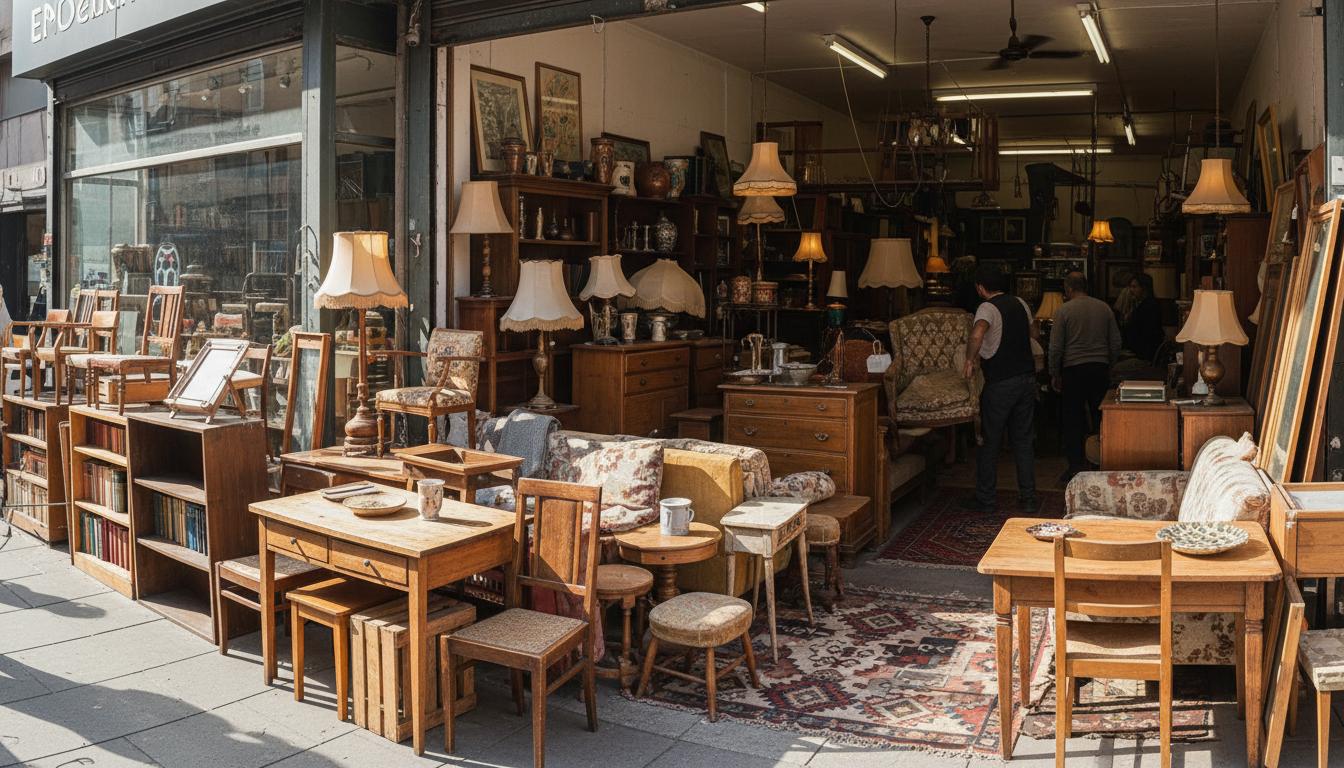
Buying secondhand furniture can feel like a treasure hunt: full of hidden gems and unique finds.
Whether you’re looking to furnish a new home, find statement pieces for your living room, or simply save money while still getting great quality, shopping secondhand can be an incredibly rewarding experience. However, without knowing what to look for, it’s easy to make costly mistakes or end up with furniture that doesn’t last.
To make sure your secondhand shopping experience is as successful as possible, follow these 12 smart tips to save money, avoid common pitfalls, and discover high-quality furniture that’ll last.
1. Do Your Homework: Research Brands and Construction Techniques

One of the most important steps in buying secondhand furniture is knowing what you’re looking for. Understanding furniture construction and the brands that produce high-quality items can save you from wasting money on subpar pieces. Look for sturdy construction methods like dovetail joints for drawers, solid wood (especially hardwoods like oak, maple, or walnut), and high-quality upholstery.
If you’re shopping in a thrift store or estate sale, you may encounter vintage or antique pieces. Researching brands that are known for their craftsmanship, like Stickley or Ethan Allen, will help you spot hidden treasures.
A bit of background knowledge on furniture construction, such as how to identify solid wood versus laminate or particleboard, can make all the difference. This will help you judge the quality of the piece even before inspecting its condition in detail.
2. Measure Your Space and the Furniture
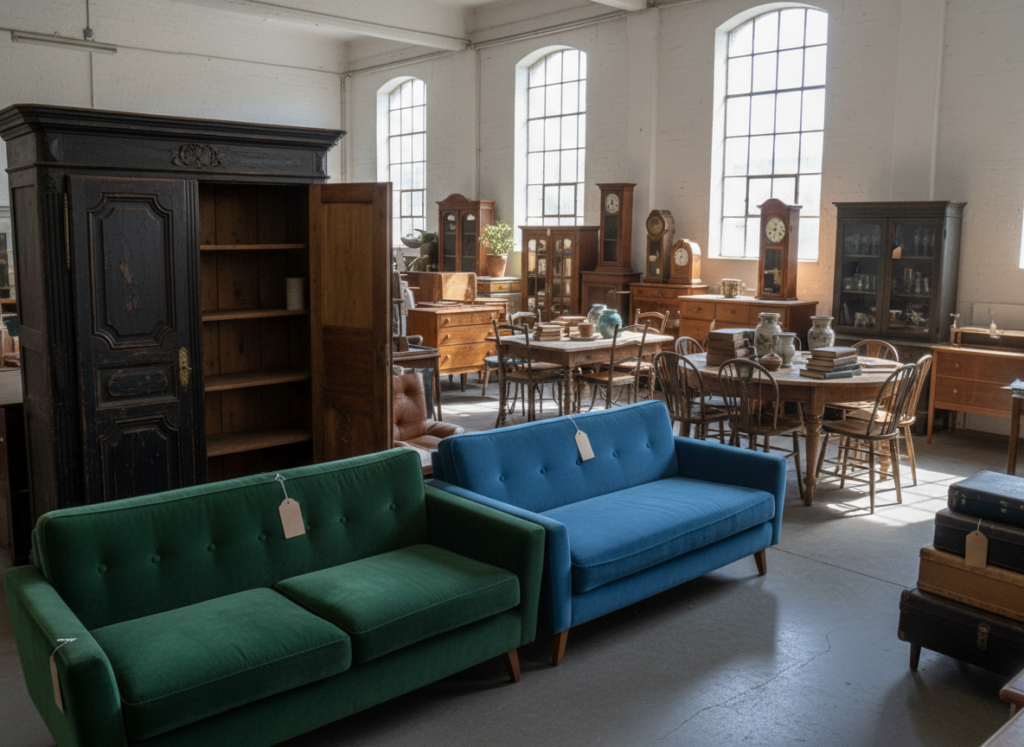
When it comes to secondhand furniture, size matters more than you might think. While online photos may look great, nothing compares to physically measuring the space where the furniture will go. Measure the length, width, and height of the item you’re eyeing, and then measure the available space in your home to ensure the piece fits comfortably.
Sometimes, secondhand items are sold in unconventional sizes or have extra features (like large arms or extra cushioning) that make them harder to fit in smaller rooms. Don’t forget to consider the doorways, hallways, and stairways that the piece will need to pass through, especially when dealing with larger furniture like sofas, armoires, or dining tables.
If you find a piece you love but it’s slightly too big or small, see if there are ways to tweak it, such as swapping out legs for something more modern or changing the upholstery. In some cases, what seems like a tight fit may turn out to be a perfect fit after a bit of creativity.
3. Inspect for Damage: Look Beyond the Surface
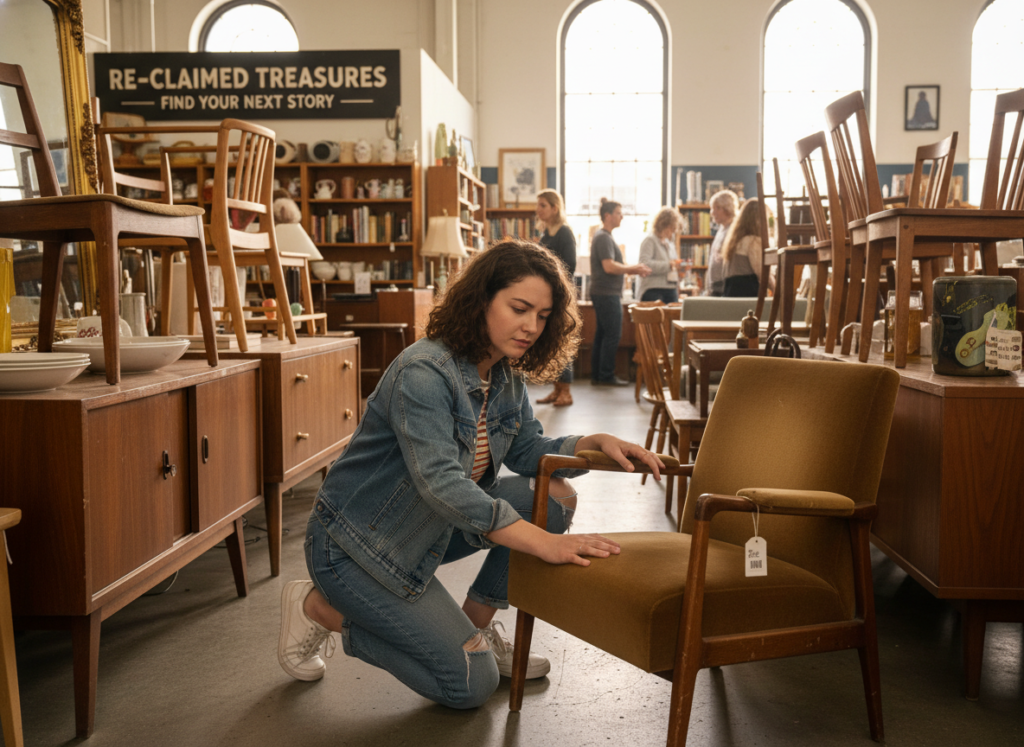
Secondhand furniture comes with character, but sometimes that “character” can also be in the form of damage. Always thoroughly inspect any piece before purchasing it, especially if you’re buying from a thrift store or online platform. Look for signs of wear like scratched surfaces, water damage, or rust. Check drawers, doors, and joints for any looseness, cracks, or squeaks that could signal structural problems.
Don’t shy away from checking the underside and back of the furniture too. This often reveals hidden damage, especially from wear, pests, or moisture. For upholstered furniture, check the fabric for tears or stains. You can always reupholster a piece, but heavy staining or wear from pests may not be worth the cost. The key is to be thorough. If a piece shows signs of significant damage that will require expensive repairs or make it less functional, consider walking away, even if it’s a bargain.
4. Test for Comfort and Functionality

Comfort is king when buying secondhand furniture, especially when it comes to pieces like sofas, chairs, or mattresses. Before buying, sit on the sofa or chair and make sure it’s comfortable. Test recliners, armrests, or other adjustable features to ensure they function properly. If you’re buying something like a desk or dining table, make sure the height and design fit your needs.
For things like chairs, check the seating depth and firmness to make sure it’s suitable for your preferences. When possible, test it out in person, including sitting on it, opening and closing drawers, checking if it tilts or shakes. Online pictures can only do so much, and it’s essential to get a feel for the furniture to ensure it’s both functional and comfortable.
5. Pay Attention to Upholstery and Fabrics
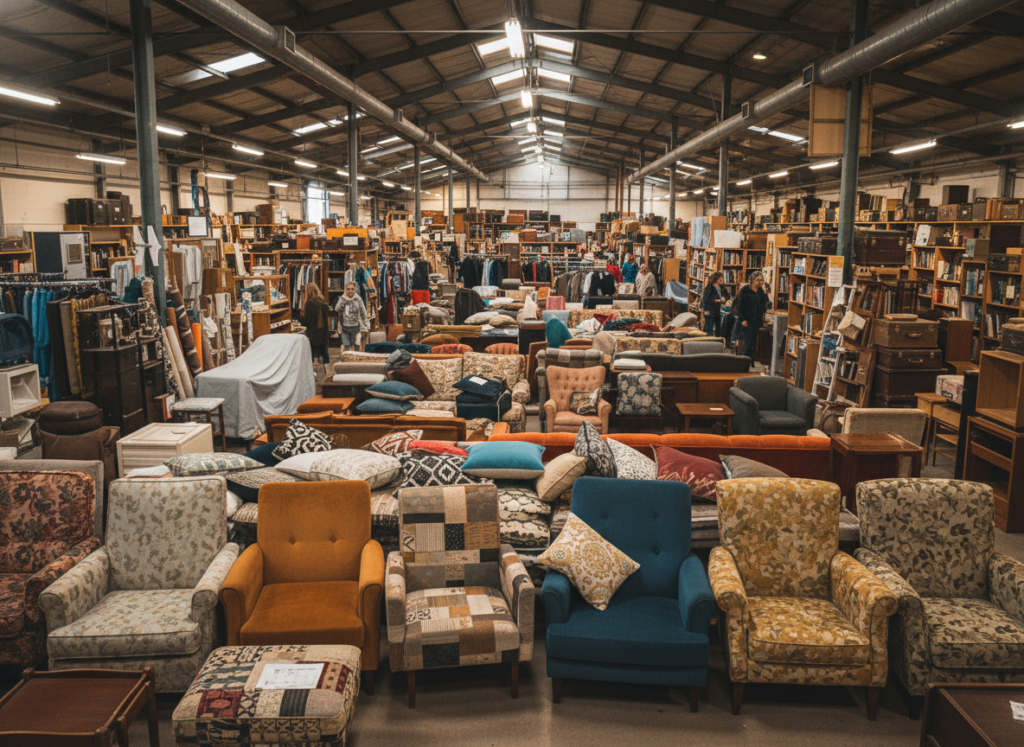
Upholstered furniture is a popular category in secondhand shopping, but it’s also one that requires extra caution. Not only do you need to check for tears, stains, or discoloration, but you should also consider the possibility of allergens or odors trapped in the fabric. A musty smell, for example, can be difficult to eliminate, and smoke or pet odors may be impossible to get rid of without costly professional cleaning.
If the upholstery is in poor condition, don’t hesitate to factor in the cost of reupholstering. Some pieces, especially vintage ones with sturdy frames, are worth the investment to reupholster, but it can be expensive, so make sure the cost still fits within your budget.
6. Smell Test: Avoid Unwanted Odors
Before buying secondhand furniture, always give it a sniff. Odors like cigarette smoke, pet smells, or mold can linger and be very difficult to remove. If the piece has a strong odor, it may not be worth the investment. Some odors, like mildew, can signify water damage, which could cause long-term structural problems. It’s always a good idea to smell the fabric and check any wooden parts for musty or unpleasant scents. If the furniture passes the smell test and is free of stains or damage, it’s likely a great find.
7. Know When to Walk Away: Don’t Get Swept Up in the Moment
It’s easy to get excited about finding a great deal, but it’s important to remember that not every piece of secondhand furniture is worth buying. Whether it’s because the quality isn’t up to par, it’s a bad fit for your space, or it needs more repairs than it’s worth, don’t let the excitement of thrift shopping cloud your judgment.
If you feel unsure about the piece, take some time to think it over. If it’s an online purchase, it’s always worth asking the seller for more photos or additional details. Trust your gut, and don’t rush into a purchase just because it seems like a good deal.
8. Shop Smart Online

The rise of online shopping platforms like Facebook Marketplace, Craigslist, and OfferUp has made secondhand furniture shopping easier and more accessible than ever. These platforms are great for finding affordable, high-quality furniture, but buying online requires a different set of skills compared to in-person shopping. One key challenge is ensuring that the piece you see in photos matches the item you receive.
Before committing to a purchase, always ask the seller for detailed photos, especially if you can’t inspect the item in person. Get close-up images of any specific areas of concern, such as joints, upholstery, or any signs of wear and tear. If you’re unfamiliar with the seller, it’s a good idea to research their ratings or ask for reviews from previous buyers if available. This extra layer of verification can help you avoid unpleasant surprises.
Additionally, transportation is another critical consideration when shopping online. For large furniture pieces, like sofas or cabinets, check whether the seller offers delivery or if you’ll need to arrange transportation yourself. If delivery isn’t an option, plan ahead by renting a truck, borrowing a friend’s vehicle, or hiring a local moving service. Online platforms can be a goldmine for secondhand treasures, but it’s important to be cautious, patient, and well-prepared to ensure a smooth transaction.
9. Don’t Forget to Factor in Transportation Costs
When purchasing secondhand furniture, especially large or heavy items like sofas, armchairs, or cabinets, transportation can often add hidden costs to your purchase. Unlike buying from a store with in-house delivery, secondhand sellers may not offer delivery services, or they may charge extra for it. Therefore, it’s important to factor in the cost and logistics of moving the furniture before committing to a purchase.
If the seller doesn’t provide delivery, there are still options. You could rent a truck or ask a friend with a larger vehicle to help you move the item. If you don’t have access to a vehicle, consider hiring a local moving service, many of which charge by the hour. It’s also worth checking if the seller is willing to help with transport for a reasonable fee, especially if the item has been listed for a while. Factor in all of these potential costs to ensure you’re still getting a good deal after considering transportation fees.
10. Repurpose and Upcycle: Think Outside the Box
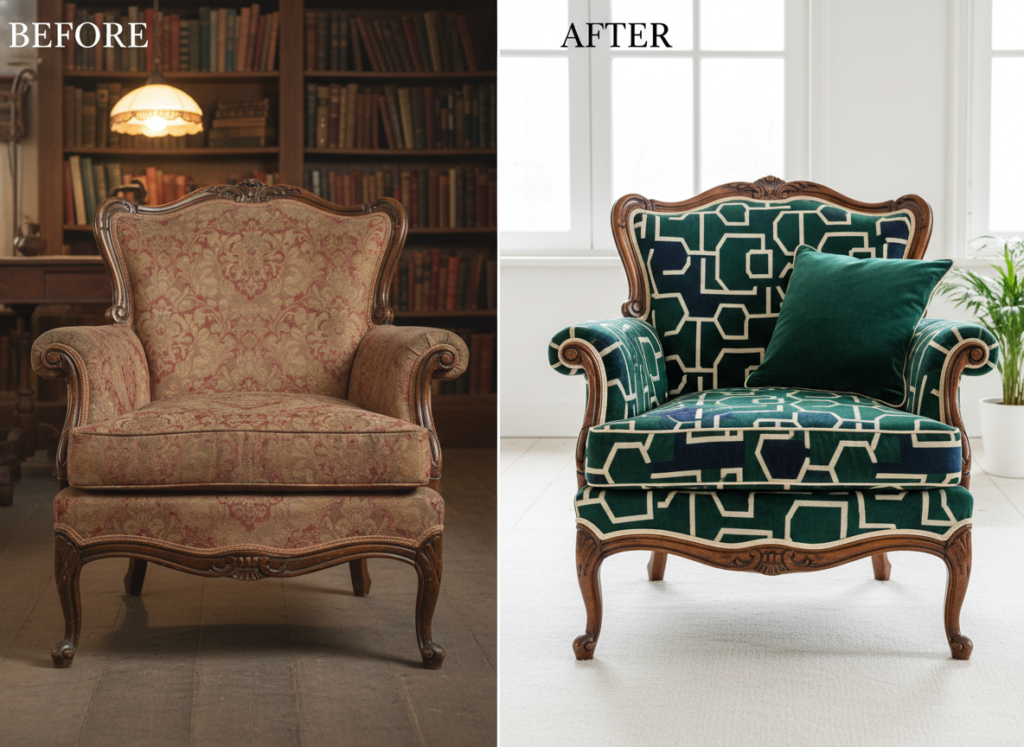
One of the joys of buying secondhand furniture is that it offers endless opportunities for creativity and personalization. Often, secondhand furniture pieces might need a little TLC or an updated look, but that’s part of the charm and appeal. Vintage chairs can be reupholstered with fresh fabric, wooden tables can be refinished for a new look, and mismatched chairs can be painted to create a cohesive design scheme.
Instead of immediately passing up a piece that shows signs of wear, consider how you can repurpose or upcycle it. Sometimes all a piece needs is a fresh coat of paint, a new set of legs, or some minor repairs to transform it into something beautiful and unique. Upcycling doesn’t just save you money; it also allows you to put your personal touch on your furniture, giving your home a one-of-a-kind style that reflects your creativity.
When you approach secondhand furniture with an eye for potential, you can breathe new life into an old piece, making it both functional and beautiful for your space.
11. Take Your Time: Patience Pays Off
While it’s tempting to snap up the first piece of secondhand furniture you come across, patience is essential to ensuring you get the best deal. Sometimes the best finds take a little longer to surface, and you don’t want to settle for something that doesn’t quite meet your needs just because you’re in a rush.
Take your time to visit different thrift stores, browse multiple online platforms, and check listings regularly. Create a wishlist of the items you’re looking for and set a timeframe for your search. It’s easy to get caught up in the excitement of a good deal, but remember that great secondhand finds often come when you least expect them. Don’t rush the process, take the time to find the right pieces that fit both your style and your space.
Patience is your best ally when shopping for secondhand furniture. Sometimes waiting for the right piece can lead to the best results, so trust that your perfect find is out there waiting for you.
12. Enjoy the Process: It’s About More Than Just the Furniture
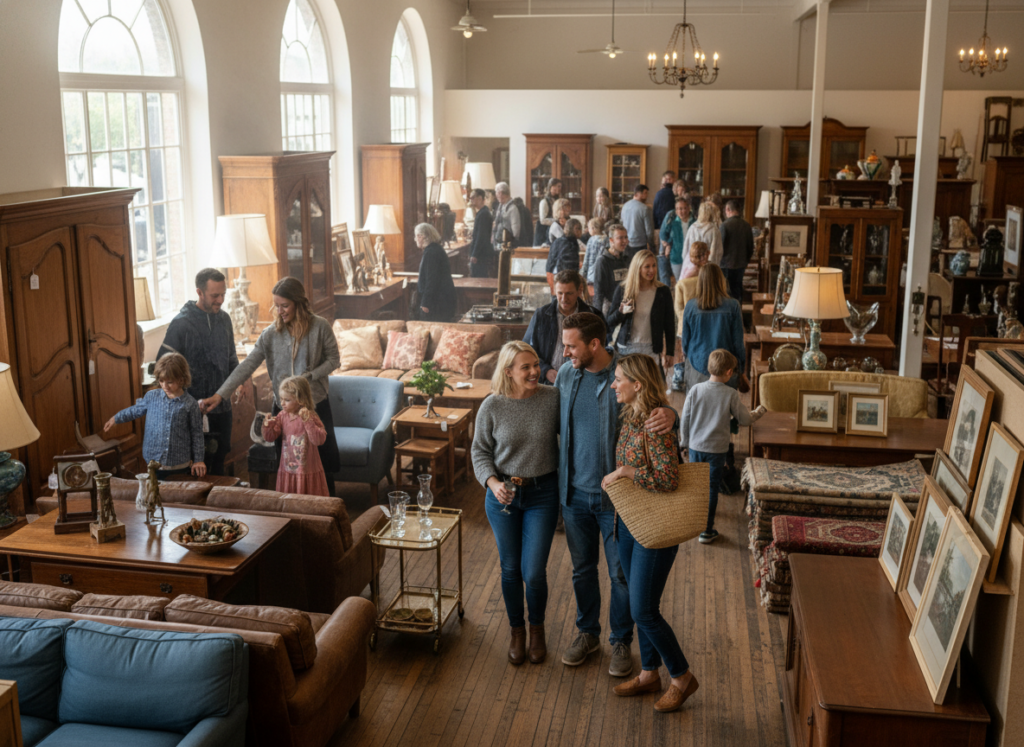
Lastly, don’t forget to enjoy the journey of secondhand furniture shopping. The process of finding and restoring unique pieces can be just as fulfilling as the end result. Shopping secondhand is also about creating a home that’s meaningful and full of character. Each item you buy has its own history, and as you integrate it into your space, you’re adding your own story to it.
Celebrate your discoveries along the way, and take pride in the fact that you’re contributing to a more sustainable lifestyle. Not only saving money, but also you’re reducing waste and supporting a circular economy. Plus, you get to add some truly unique pieces to your home that can’t be found in mass-produced furniture stores.
The process of shopping for secondhand furniture is an adventure. Whether you’re hunting for the perfect vintage chair or finding a gem that needs a little upcycling, the hunt itself is part of the fun. And the reward? A home filled with personality, sustainability, and style.
Conclusion
Buying secondhand furniture is more than just a cost-saving strategy, it’s an opportunity to create a sustainable, unique, and personalized home. By following these 12 smart tips, you’ll be able to avoid common pitfalls, ensure your purchases are of good quality, and bring home pieces that will last for years. Take your time, enjoy the process, and celebrate the fact that each secondhand find is a part of your home’s story.